
My Cat Keeps Stumbling — Causes of Balance Loss and When to Go to the Vet
If your cat suddenly starts stumbling or collapses, it could indicate a problem with the vestibular system or the central nervous system. Here’s how to assess the urgency based on the cause and the warning signs that mean you should head to the vet immediately.
My Cat Is Stumbling — What Is Balance Loss?

Criteria for Assessing Urgency by Severity Level
| Item | Mild | Moderate | Severe |
|---|---|---|---|
| Main symptoms | Occasional staggering, head tilt | Persistent staggering, nystagmus, vomiting | Collapse, seizures, reduced consciousness |
| Behavioral changes | Eats and drinks normally | Decreased appetite, difficulty standing | Complete refusal of water and food, no movement |
| Duration | Within a few minutes to 1 hour | More than several hours | More than 24 hours or worsening |
| Recommended action | Observe for 24 hours then visit the hospital | Visit an animal hospital the same day | Go to an emergency hospital immediately |
For senior cats (10 years or older) or those with underlying conditions, a same-day visit is recommended even for mild cases
Checklist of Accompanying Symptoms

If These Symptoms Are Present, Go to an Emergency Hospital Immediately
If any of the following signs are present, seek immediate care at a 24-hour emergency animal hospital: 1) seizures or convulsions lasting longer than 30 seconds; 2) altered consciousness or unresponsiveness; 3) rapidly worsening ataxia resulting in an inability to stand; 4) complete refusal of food and water for more than 24 hours; 5) abnormal breathing or cyanosis around the mouth. Senior cats with hypertension, heart disease, or kidney disease are at higher risk for stroke and should be transported even more urgently.
Cause ① Vestibular System Dysfunction — The Most Common Cause
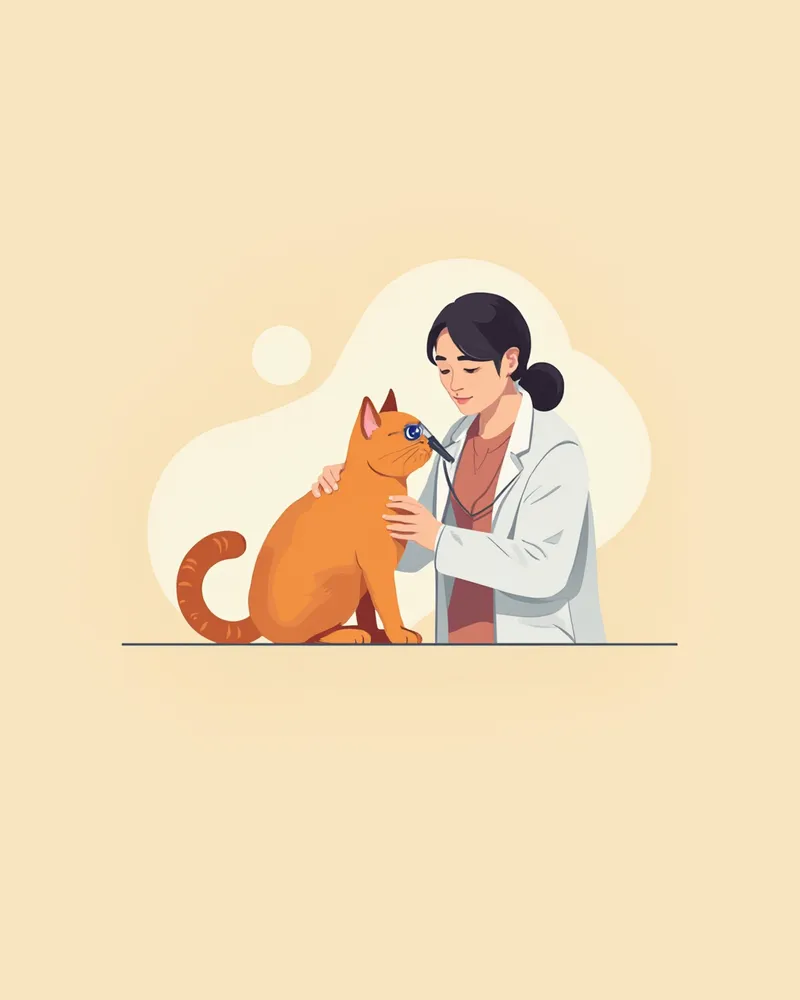
Cause ② Central Nervous System and Systemic Diseases
Diagnosis and Treatment Process at the Veterinary Hospital
Especially Important for Owners of Senior Cats (10 Years and Older)
Idiopathic vestibular syndrome can also occur in senior cats. While textbooks state that idiopathic cases can arise at any age, tumors and infections or inflammation are cited as common causes of central vestibular disorders. Therefore, it’s important not to dismiss the symptoms as simply “old age” and instead visit a veterinary clinic within the same day to determine whether the lesion is peripheral (vestibular apparatus) or central (brain). If your cat has a pre-existing heart or kidney condition, even faster action is necessary.
Home Care and Recurrence Prevention
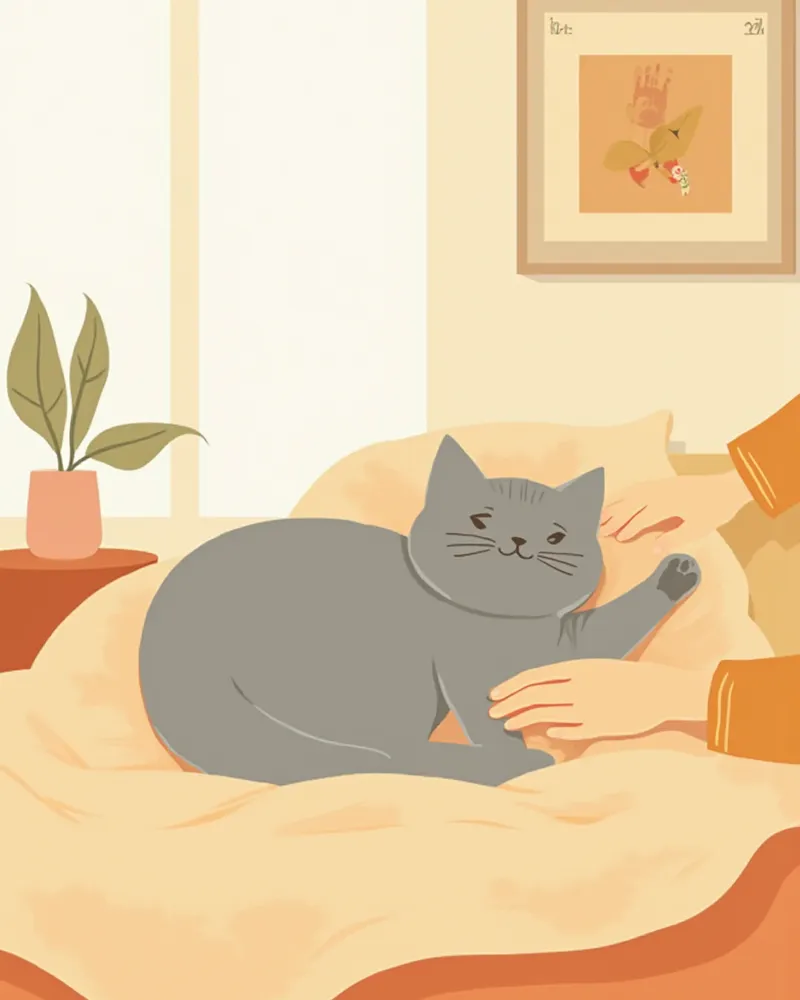
Reviewed by a veterinarian

Dr. Tony — Punnawat Phongkittirak
VeterinarianA veterinarian who majored in veterinary medicine at Khon Kaen University, Thailand, and completed the IVSA program at North Carolina State University in the United States. Drawing on clinical experience at animal hospitals, he works in the pet healthcare field and is dedicated to building a digital care environment that connects pet parents with veterinarians.
Reviewed 2026-05-28
Frequently Asked Questions
My cat is suddenly stumbling. Should I take them to the vet right away?
Does idiopathic vestibular syndrome resolve on its own without treatment?
Can loss of balance be a sign of a brain tumor?
How can you tell the difference between vestibular syndrome and a stroke?
Can I provide first aid at home?
Share
Related Guides

7 Behavioral Enrichment Strategies for Mental Stimulation Recommended by Veterinarians

Top 5 Calming Supplements for Dogs and Cats in 2026

L-Theanine Effects and Calming Support
Symptoms and Management of Liver Disease in Dogs
Early Signs of Kidney Failure in Dogs and How to Manage It

Dog Seizure First Aid Guide
Causes of Feline Diarrhea and Emergency Care

Causes of Feline Constipation and How to Manage Them

Types of Feline Skin Diseases and How to Manage Symptoms

Emergency Response and Recovery for Dog Fractures
References
[1] Little S, ed. The Cat: Clinical Medicine and Management, 2nd Edition. Elsevier Saunders, 2012.
[2] Thomas WB. Vestibular dysfunction. Vet Clin North Am Small Anim Pract. 2000;30(1):227–249.
[3] Rossmeisl JH Jr. Vestibular disease in dogs and cats. Vet Clin North Am Small Anim Pract. 2010;40(1):81–100.
[4] Garosi L, McConnell JF, Platt SR, et al. Results of magnetic resonance imaging in dogs with vestibular disorders. J Vet Intern Med. 2001;15(3):291–302.