Like
Share
멍실장
강아지 눈곱·눈물 많을 때 원인과 관리

Causes and Management of Excessive Eye Discharge and Tearing in Dogs

Eye HealthSymptomsMeongsiljang Veterinary Advisory Board

If your dog’s eye discharge or tearing suddenly increases, here’s a vet-approved guide based on veterinary ophthalmology textbooks: causes by discharge color, how to assess urgency, breed-specific precautions, and home care tips.

Is Your Dog’s Eye Discharge or Tearing Increasing?

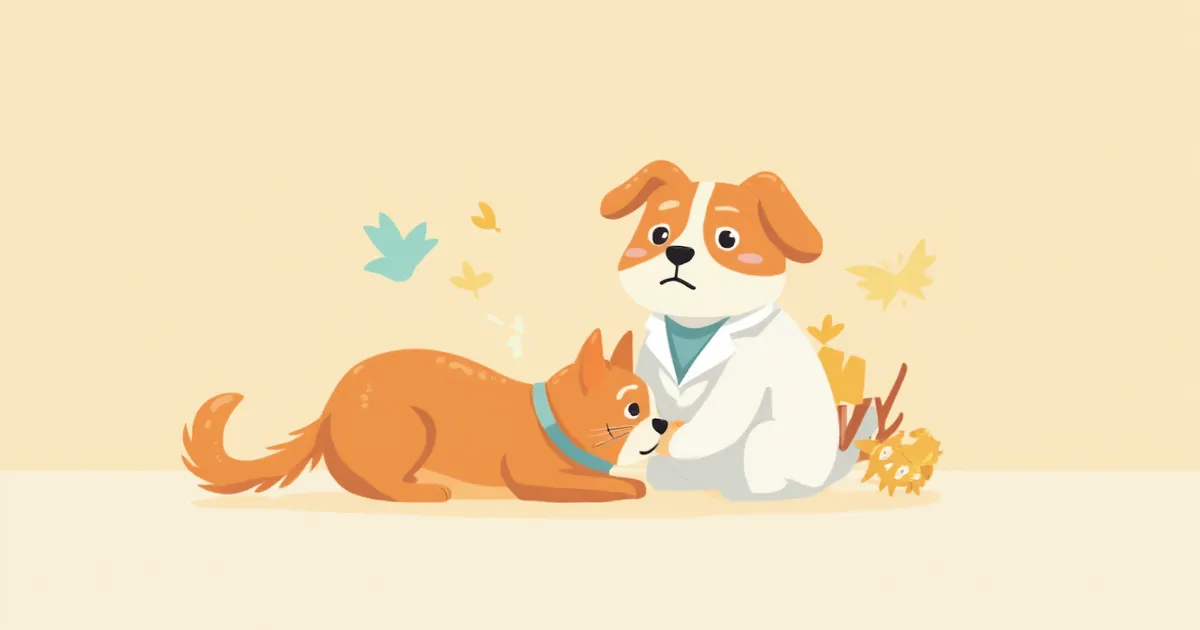
Illustration of a teary-eyed puppy
The key lies in the color and amount of eye discharge. If there’s only a slight increase in clear, watery tears, it’s usually due to temporary irritation or breed-specific traits. However, yellow or green discharge may indicate a bacterial infection or an eye condition that requires attention. In particular, if your pet has trouble keeping their eyes open, shows swelling around the eyes, or produces a large amount of discharge that needs to be cleaned multiple times a day, prompt veterinary care is necessary. This guide outlines the causes of different types of eye discharge and tearing, how to assess urgency, and home care tips you can follow.

Urgency by Type of Eye Discharge at a Glance

You can often guess the cause of eye discharge by its color and texture. Check the table below to see which type matches your pet’s symptoms.
Type of Eye DischargeCharacteristicsSuspected CauseUrgency
Clear TearsTransparent, watery dischargeIrritation, allergies, breed traitsLow
White/Gray DischargeSticky, mucous-likeDry eye, mild irritationModerate
Yellow/Green DischargeThick, sticky pusBacterial infection, conjunctivitisHigh
Brown Tear StainsBrown discoloration under the eyesExcessive tearing, blocked tear ductsLow to Moderate

Are These Symptoms Present as Well?

Noting any additional symptoms alongside eye discharge or tearing can greatly help narrow down the cause.
Redness in the eyes: This may indicate conjunctivitis or corneal injury. Severe redness requires prompt veterinary attention.
Frequent eye rubbing or blinking: This could signal a corneal scratch or a foreign object in the eye. Do not force the eye open.
Brown discoloration of the fur around the eyes: Persistent tearing causes tear staining. While often a breed trait, it is important to rule out blocked tear ducts.
Symptoms affecting only one eye: This suggests a localized issue, such as a foreign body, corneal ulcer, or a problem with the tear duct on that side.
Accompanied by nasal discharge: This may indicate an upper respiratory infection.
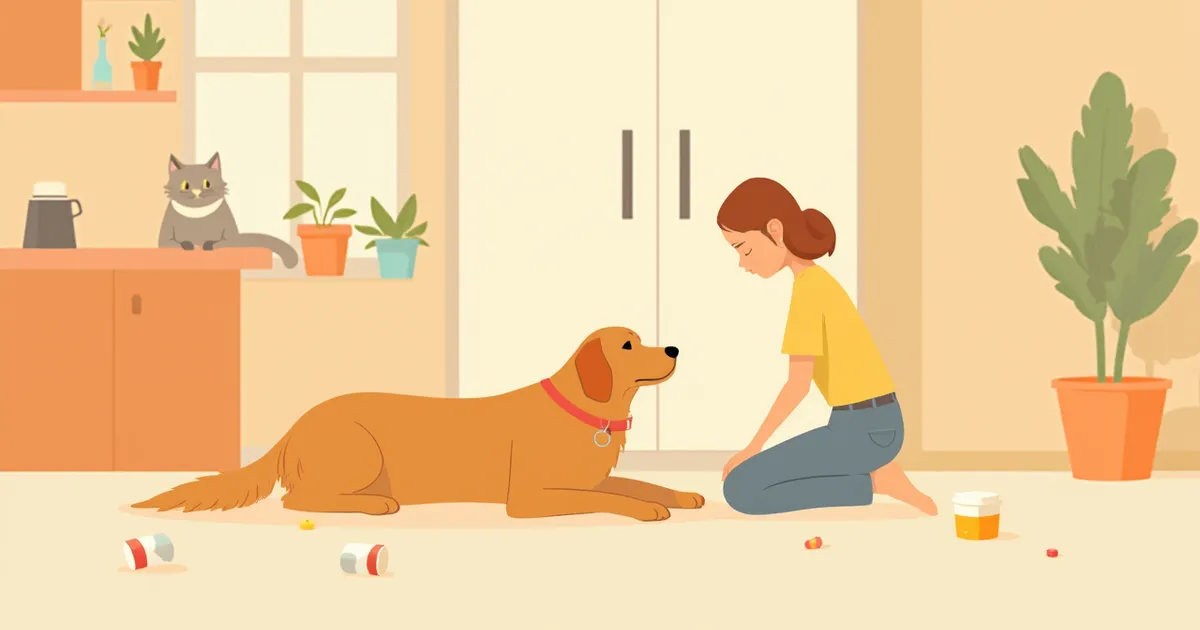
An illustration showing a pet owner checking their dog's eye condition

Seek Veterinary Care Immediately If You See These Symptoms

If your pet can’t open its eyes at all due to discharge, if the surface of the eye appears cloudy or white, or if the eye is noticeably swollen, it could indicate a corneal ulcer or a severe eye infection. Delaying treatment can lead to vision loss, so seek veterinary care immediately. Emergency care is also necessary if you notice blood-tinged discharge from the eye, or if there is a sudden, heavy discharge of yellow crust from both eyes accompanied by fever.

Cause 1 — Structural Issues That Irritate the Eye

According to veterinary ophthalmology textbooks, abnormalities in the structures surrounding the eye are one of the major causes of excessive tearing and eye discharge. Eyelash abnormalities (distichiasis and ectopic cilia): Eyelashes grow from abnormal positions and pierce the surface of the eye. This irritation causes persistent tearing and redness, and if the eyelashes continue to touch the cornea, they can cause corneal injuries. Eyelid rolling (entropion): The eyelid rolls inward, causing eyelid hairs to scratch the cornea. This abnormal eyelid structure can lead to continuous corneal irritation and potentially cause corneal ulcers. If irritation symptoms persist, it is advisable to have a veterinarian examine the eyelid structure. Irritation from hair around the eyes: Long hair around the eyes can also pierce the eye and cause tearing. Regular grooming of the area around the eyes can help prevent this.

Cause 2 — Blocked Nasolacrimal Duct

Tears are normally drained from the eyes to the nose through a passage called the nasolacrimal duct. When this passage becomes blocked, tears overflow and run down beneath the eyes. According to veterinary ophthalmology textbooks, obstruction and inflammation of the tear drainage system can result from bacterial infections, inflammation spreading from surrounding tissues, or foreign bodies. In young animals, the problem may also arise if part of the duct is congenitally narrow or improperly formed, or if scarring following inflammation causes a blockage. Diagnosis is made using the Jones test, in which a fluorescent dye is placed in the eye and checked to see if it appears in the nose within 10 to 15 minutes. If a blockage is present, treatment may involve flushing (irrigation) to clear the obstruction, along with antibiotic and anti-inflammatory medication.
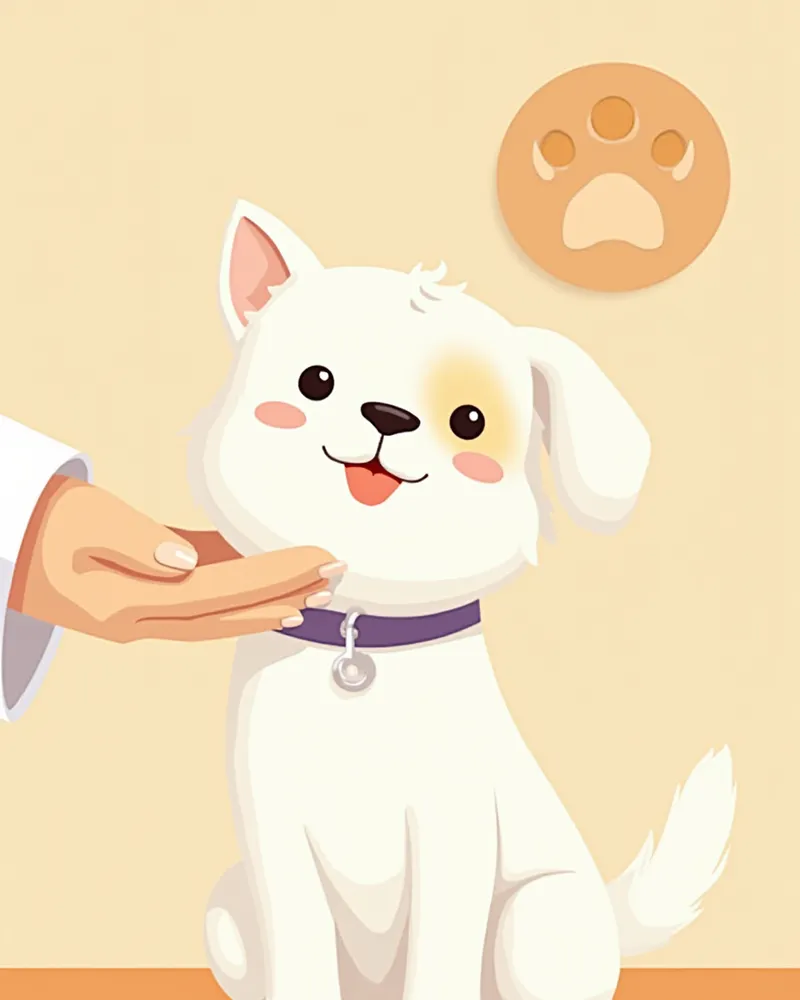
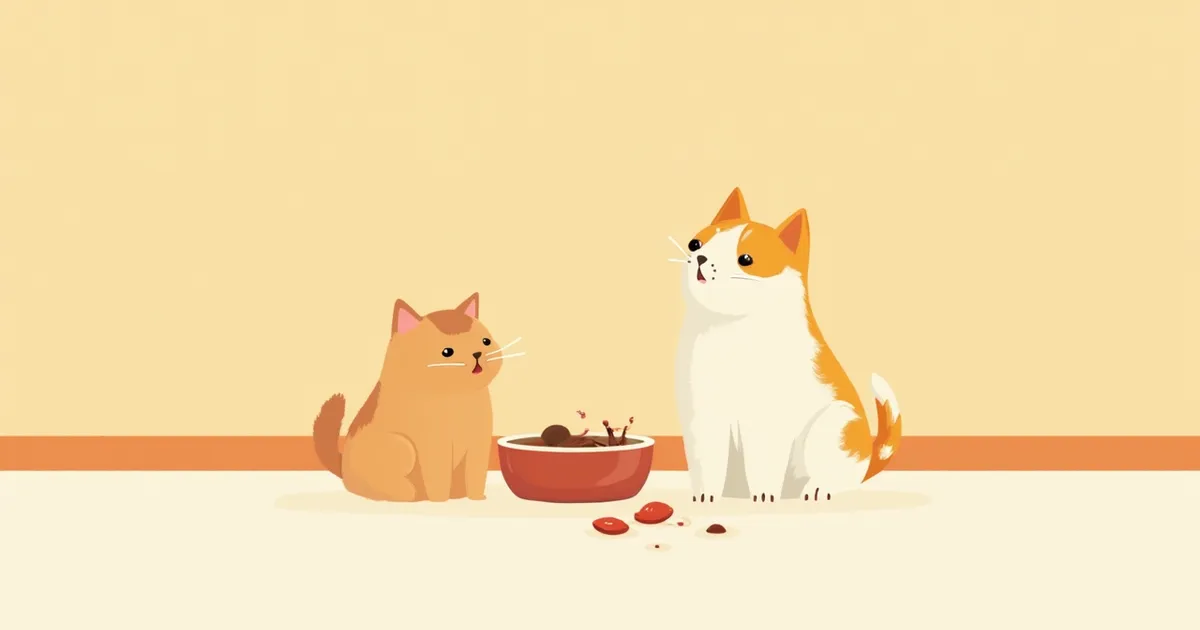
An illustration of a puppy undergoing a tear test at the veterinarian's office.

Cause 3 — Bacterial or Viral Infection

Yellow or green eye discharge is a classic sign of bacterial infection.
Bacterial conjunctivitis: This occurs when bacteria infect the conjunctiva, the thin membrane covering the white of the eye and the inner eyelids. Symptoms include sticky discharge, redness, and eyelid swelling. Treatment involves antibiotic eye drops prescribed by a veterinarian.
Corneal ulcer: An injury to the cornea (the eye’s transparent outer surface) can lead to secondary infection. Affected pets may struggle to open their eyes and experience excessive tearing. Prompt treatment is essential.
Canine distemper infection: This condition causes heavy yellow discharge from both eyes, accompanied by systemic symptoms such as nasal discharge, coughing, and fever. Vaccination is the most effective way to prevent it.

Exercise Extra Caution with Brachycephalic and White-Coated Breeds

Brachycephalic breeds with short muzzles, such as Pugs, Shih Tzus, and Pekingese, have large, protruding eyes that are vulnerable to external irritation and tend to tear excessively. In white-coated breeds like Maltese, Bichon Frises, and Poodles, tear staining is more visible, which often causes concern for owners, but this is largely a breed characteristic. However, do not simply dismiss it as normal; if you notice a change in the color of eye discharge or a sudden increase in its amount, please have your veterinarian examine your pet.

Home Eye Care Tips
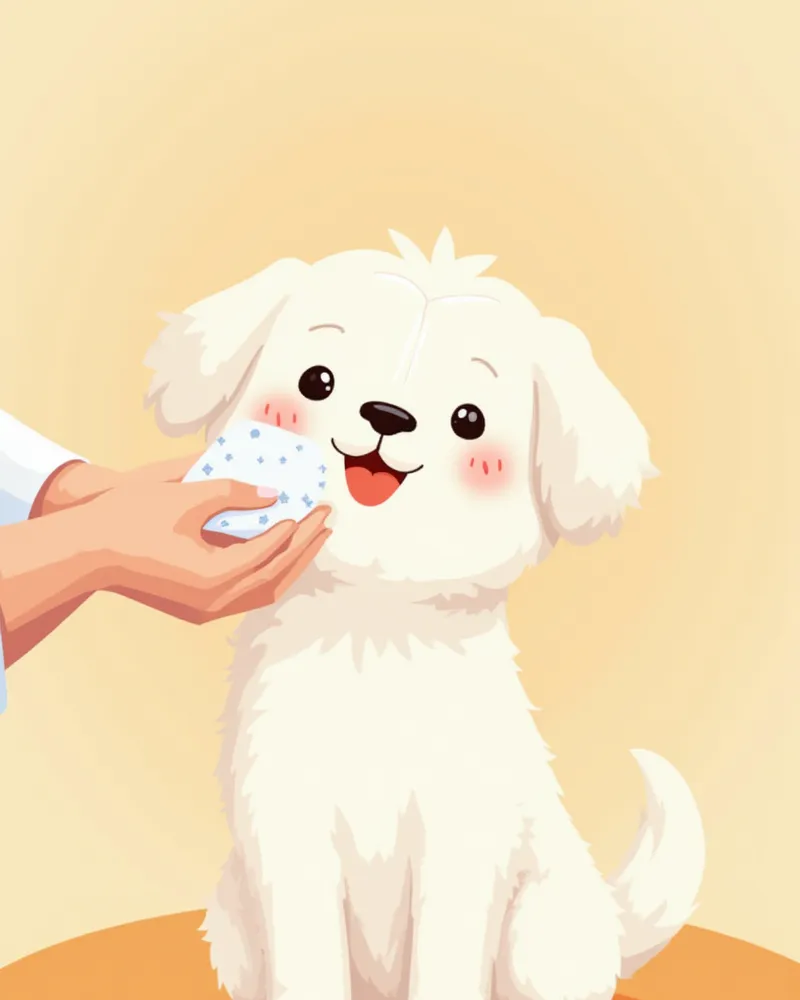
Keep the area around the eyes clean: Gently wipe away eye discharge once or twice daily using a soft gauze pad dampened with lukewarm water. It is important to wipe in one direction, from the inner corner of the eye outward.
Manage the hair around the eyes: Long hair around the eyes can poke the eye surface and cause tearing. Regularly groom the area or trim the hair so it does not come into contact with the eyes.
Do not use human eye drops: Human eye drops may contain ingredients that are harmful to dogs. Only use eye drops prescribed by a veterinarian.
Reduce indoor irritants: Dust, perfumes, and air fresheners can irritate the eyes. Ensure good ventilation by airing out the room frequently and keep the living space thoroughly clean.
Schedule regular check-ups: Eye diseases are much easier to treat when detected early. Have your dog’s eyes examined during routine vaccination visits.
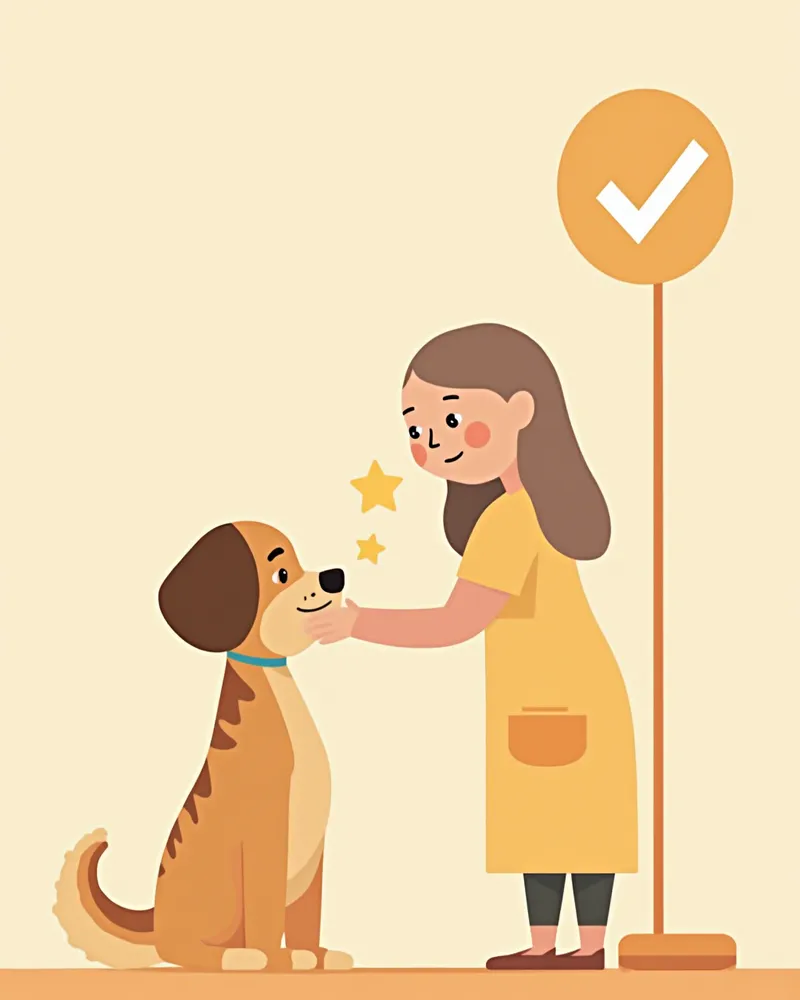
An illustration of a caregiver gently cleaning around a puppy’s eyes.

Reviewed by a veterinarian

Dr. Tony — Punnawat Phongkittirak

Dr. Tony — Punnawat Phongkittirak

Veterinarian

A veterinarian who majored in veterinary medicine at Khon Kaen University, Thailand, and completed the IVSA program at North Carolina State University in the United States. Drawing on clinical experience at animal hospitals, he works in the pet healthcare field and is dedicated to building a digital care environment that connects pet parents with veterinarians.

Frequently Asked Questions

How can I get rid of tear stains on my dog?
The brown discoloration from tear stains occurs when tears continuously come into contact with the skin and fur beneath the eyes, a condition known as epiphora. It is most important to gently clean the area around your pet’s eyes daily with lukewarm water and to work with your veterinarian to identify the underlying cause of the excessive tearing, such as a blocked nasolacrimal duct or structural irritation.
Is it normal for my pet to have eye discharge every day?
A small amount of clear or light-colored eye discharge in the morning is normal. However, if there’s enough discharge that you need to wipe it away multiple times a day, or if it’s yellow or green, it could indicate an infection, so please have your veterinarian examine your pet.
Could excessive tearing be caused by the pet food?
Excessive tearing is most commonly caused by structural issues such as entropion or abnormal eyelashes, as well as nasolacrimal duct abnormalities, infections, and dry eye. Veterinary ophthalmology textbooks do not clearly support a direct link between dietary ingredients and excessive tearing. If changes in tear production persist, we recommend having your pet examined by a veterinarian to rule out underlying ophthalmic causes.
Can I use artificial tears for my dog's eyes?
Veterinary-approved artificial tears for pets can be used under a veterinarian’s prescription. Human artificial tears may contain preservatives and other ingredients that are not suitable for dogs, so always consult your veterinarian before use.
Is it okay if only one eye is tearing up?
Tearing from just one eye can indicate a foreign object, a blocked tear duct, or a corneal injury on that side. In fact, it’s often easier to pinpoint the cause than with bilateral tearing, so please have your veterinarian examine your pet.

Share

Related Guides

References

[1] Esson, D.W. & Calvarese, S. Clinical Atlas of Canine and Feline Ophthalmic Disease, 2nd Ed — Epiphora and Tear Staining, Trichiasis, Distichia, Wiley

[2] Gelatt, K.N. et al. Veterinary Ophthalmology, Vol. 2 — Nasolacrimal System and Lacrimal Apparatus, Wiley-Blackwell

[3] Maggs, D.J., Miller, P.E. & Ofri, R. Slatter's Fundamentals of Veterinary Ophthalmology, 6th Ed — Conjunctiva, Cornea, Saunders

[4] Schaer, M. Clinical Medicine of the Dog and Cat, 4th Ed — Chapter 17: Ophthalmic Disorders

This information is based on veterinary literature and does not replace diagnosis or treatment. Please consult a veterinarian for specific health concerns.

Metapet Co., Ltd. | CEO: Park Sung-yong | Business Reg. No. 417-88-02562 | Seoul, South Korea | Customer Center

Dog Eye Discharge & Excessive Tearing: Causes and Care | Meongsiljang