Like
Share
멍실장
반려동물 교통사고 응급 대처법 완벽 가이드

The Ultimate Guide to Emergency Response for Pet Traffic Accidents

ImmunitySymptomsMeongsiljang Veterinary Advisory Board

This guide walks you through the steps to take immediately after your pet is involved in a traffic accident, covering securing scene safety, emergency care for bleeding and shock, and proper transport methods, so you can respond calmly and correctly without making any mistakes.

What is a Pet Traffic Accident?
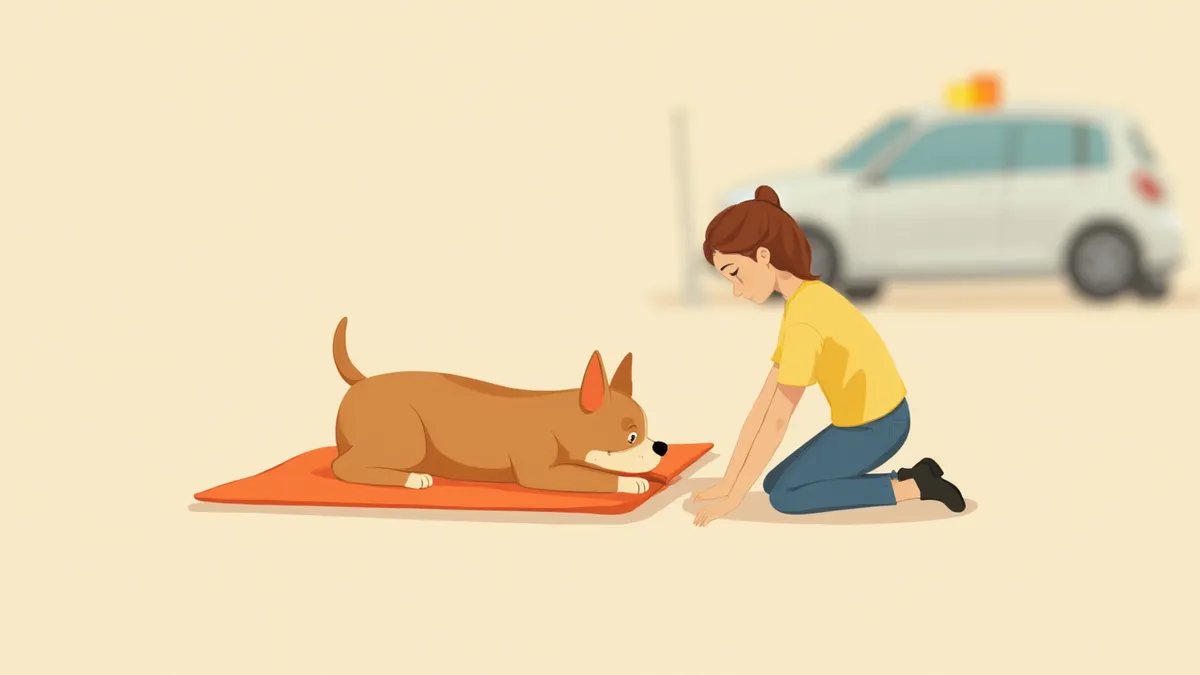
A guardian checking the condition of an injured puppy on the roadside.
Pet traffic accidents are emergencies in which dogs or cats suffer complex trauma such as fractures, internal organ damage, and shock due to vehicle collisions or contact. Even if the animal appears fine on the outside, invisible injuries like splenic or bladder rupture can be more critical than external wounds like fractures, requiring immediate treatment. Blunt force injuries such as cardiac contusions are common in high-energy vehicle accidents, and their symptoms may not appear immediately after the accident but rather hours or even days later. Therefore, even if your pet seems okay right after the accident, it is safest to avoid any delay and transport them to a veterinary clinic as quickly as possible for a thorough examination.

Assessing Urgency — Immediate Transport vs. Observation

ItemUrgencyResponse
Unconscious · irregular breathingHighest (immediate)CPR then transport
Massive bleeding · pale gumsHighest (immediate)Stop bleeding then transport immediately
Leg abnormally bent · unable to walkHigh (within 1 hour)Immobilize then transport
Walks but limps · not urinatingModerate (within a few hours)Strict rest then visit hospital
Looks fine · activeRequires examinationVisit within 24–48 hours

Even if the pet looks fine externally, internal bleeding can appear anywhere from a few hours to two days later.

5 Key Signs to Check First at the Scene

Right after an accident, quickly check your pet’s condition using these five key points.
Consciousness: Does your pet respond when you call their name or gently touch them? No response indicates a critical emergency.
Breathing: Is their chest rising and falling? Breathing that is too rapid or irregular is dangerous. If you see cyanosis (a blue tint to the tongue or gums), immediate emergency transport is required.
Gum Color: Pink is normal. Pale, gray, or purple gums signal shock or internal bleeding.
Bleeding: Bright red blood spurting out indicates arterial bleeding. Apply immediate pressure to stop the bleeding.
Posture: If your pet cannot use their hind legs or their spine appears twisted, never pick them up.
A veterinarian’s hands checking a puppy’s gum color and pulse

⚠️ Call 119 or Go to an Emergency Vet Immediately in These Situations

• Unconscious or unresponsive when called • Breathing is excessively rapid, or stops and then resumes • Bleeding from the mouth, nose, ears, or anus • Abdomen is visibly swollen or rigid • Blood in the urine, or complete inability to urinate for several hours after an accident • Complete inability to use the hind legs If any of these symptoms are present, minimize on-site treatment and proceed directly to the nearest 24-hour veterinary clinic. Every minute counts when it comes to saving a life.

Step 1 — Securing Scene Safety and Approach Methods

The first priority is to prevent secondary accidents. If your pet is in the middle of the road, turn on your hazard lights, set up a warning triangle, and carefully move your pet to the roadside, ensuring no one gets hurt in the process. When approaching your pet, come from the side rather than head-on, and call their name gently. Even the calmest pet may bite if they are in severe pain. If necessary, use a towel or piece of clothing to gently cover their mouth as a makeshift muzzle. However, do not muzzle them if their breathing is irregular or if they appear to be about to vomit.

Step 2 — Emergency Care for Bleeding and Shock
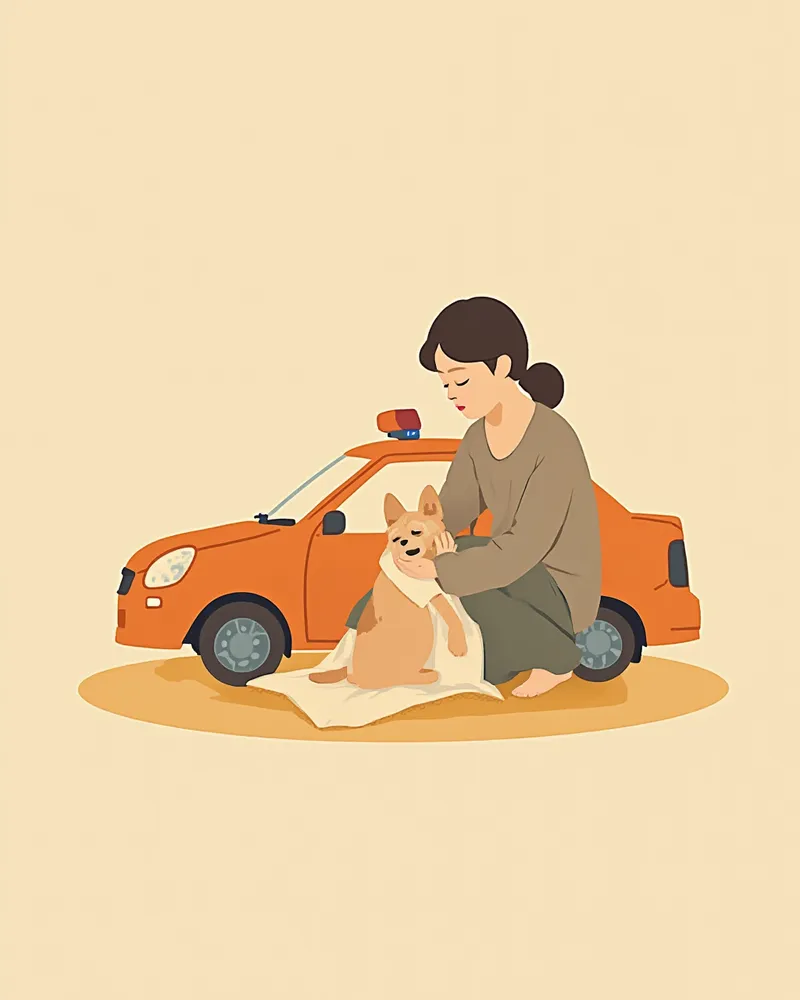
If there is bleeding, apply firm, steady pressure to the wound with a clean towel or cloth for at least five minutes to stop the bleeding. If blood soaks through, do not remove the cloth; instead, place another layer on top. Tourniquets should only be used for severe, limb-threatening hemorrhage, as improper application by non-professionals can be dangerous. To prevent shock, wrap your pet in a dry blanket to maintain their body temperature. Body temperature can drop rapidly after a traffic accident. Do not give any food or water, as surgery or anesthesia may be required, and vomiting could lead to aspiration into the airway.
A pet owner wrapping an injured puppy in a blanket to maintain its body temperature

Step 3 — Safe Transport and Lifting Techniques

Improper transport can worsen spinal or pelvic injuries. The key principle is to keep the pet level by supporting them on a rigid board (such as a tray, book rest, or cardboard box lid). If a board isn't available, use a thick blanket as a stretcher, with two people lifting from the four corners. Avoid having one person carry the pet, as this can cause spinal dislocation and is the method to avoid most, even for small cats and small-breed dogs. During transport, avoid setting the air conditioner or heater too strongly. If head trauma is suspected, keep the pet's head slightly elevated above the body to help prevent increased intracranial pressure.

4 Things You Must Never Do

Avoid hugging or letting the pet run around — This is the leading cause of worsening spinal and pelvic injuries. • Do not give water, food, or pain medication — Human pain relievers like Tylenol and ibuprofen are fatal to pets. • Do not apply antiseptics or ointments to bleeding areas — This can make it difficult for the veterinarian to properly assess the wound. • Do not take the pet home just because they appear fine on the outside — Internal injuries, such as ruptured spleens or bladders, may not show symptoms for several hours or even days. In cases of multiple traumas, including head injuries, secondary damage can develop over several hours to days after the initial incident. Even if the pet appears completely normal on the outside, a thorough examination at an animal hospital is essential.

Examinations and Treatments Upon Arrival at the Hospital
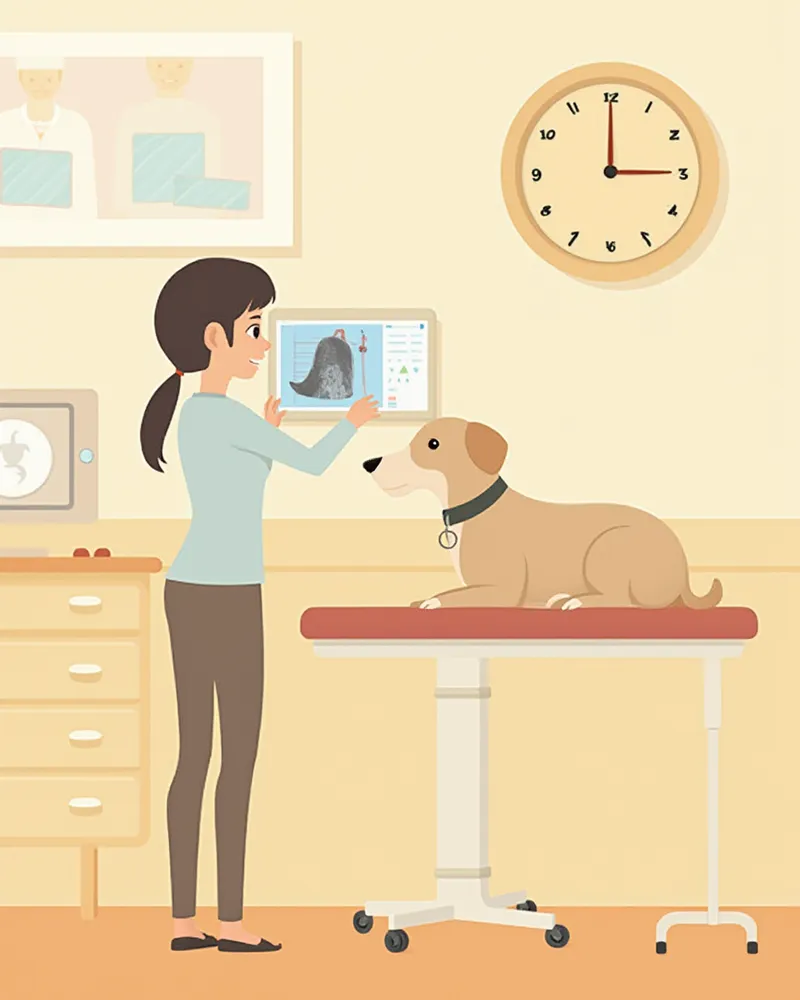
In the emergency room, stabilizing breathing and circulation is the top priority. Imaging tests can only be performed after oxygen therapy, fluid administration, and shock correction are complete. Basic diagnostics include X-rays (to check for fractures and pneumothorax), abdominal ultrasound (to assess internal bleeding and bladder rupture), and blood tests (to evaluate anemia and organ damage markers). If cardiac contusion is suspected, an electrocardiogram (ECG) is also performed. The veterinarian will determine pain medication and fluid dosages based on the patient’s weight and condition, and prepare for surgery if necessary. Even if the pet appears conscious and alert, we recommend hospitalization for observation for at least 24 hours.
A veterinarian reviewing a dog’s X-ray images at the animal hospital

5 Daily Habits for Accident Prevention

Leash is essential for walks: Even the most well-trained dog may bolt after cats or squirrels. Use a fixed-length leash of appropriate size.
Use a harness when going out: A harness reduces the risk of neck injury during sudden stops compared to a collar.
Always use a carrier: Riding on your lap or in the passenger seat can be fatal if an airbag deploys.
Register your pet (microchip): Quick owner identification after an accident enables timely consent for emergency treatment.
Outdoor cat care: Vehicle collisions are a leading cause of trauma in cats, and outdoor cats face significantly higher traffic accident risks. We strongly recommend keeping cats indoors.

Reviewed by a veterinarian

Dr. Tony — Punnawat Phongkittirak

Dr. Tony — Punnawat Phongkittirak

Veterinarian

A veterinarian who majored in veterinary medicine at Khon Kaen University, Thailand, and completed the IVSA program at North Carolina State University in the United States. Drawing on clinical experience at animal hospitals, he works in the pet healthcare field and is dedicated to building a digital care environment that connects pet parents with veterinarians.

Frequently Asked Questions

If my pet seems fine right after a car accident, do I still need to take them to the vet?
A vet visit is absolutely necessary. Internal injuries such as a ruptured spleen, ruptured bladder, or cardiac contusion may not show symptoms until several hours or even days after the incident. For safety, it's best to have imaging tests done within 24 hours.
Can I give my pet human painkillers?
Absolutely not. Human pain relievers (such as Tylenol and ibuprofen) can cause serious toxic reactions in pets. Pain relief must always be prescribed by a veterinarian based on your pet’s weight and condition.
My pet is bleeding heavily. Is it okay to use a tourniquet?
For most wounds, direct pressure is the first step in stopping bleeding. Tourniquets should only be used for severe bleeding that could lead to limb loss, as improper use can cause tissue death. Applying firm pressure with a towel for at least five minutes is the safest approach.
My cat was hit by a car and then ran away. What should I do?
Start by quietly searching secluded spots around the accident site, such as under cars, in flower beds, or in gaps between buildings, as cats have a tendency to hide when injured. Lure them out with the scent of food or treats, and once found, gently wrap them in a towel, place them in a carrier, and head straight to the veterinary clinic.
What signs should you monitor in the days following a traffic accident?
For the next 48 hours, monitor your pet’s respiratory rate, gum color, frequency and color of urine and feces, appetite, and gait. If you notice a swollen abdomen, red-tinged urine, or sudden lethargy, return to the clinic immediately.

Share

Related Guides

References

[1] Silverstein DC, Hopper K, Small Animal Critical Care Medicine, 3rd Edition, Elsevier, 2023

[2] The Dog Care Handbook: Things I Wish My Vet Had Told Me, Road Traffic Injuries Chapter, 2024

[3] McCarthy et al., Blunt Cardiac Injury in Small Animals after Motor Vehicle Trauma, J Vet Emerg Crit Care, 2007

This information is based on veterinary literature and does not replace diagnosis or treatment. Please consult a veterinarian for specific health concerns.

Metapet Co., Ltd. | CEO: Park Sung-yong | Business Reg. No. 417-88-02562 | Seoul, South Korea | Customer Center

Pet Traffic Accident: Emergency Response in the Golden Hour | Meongsiljang