Like
Share
멍실장
강아지 빈혈 원인과 관리 – 재생성·비재생성 빈혈 증상부터 치료까지

Causes and Management of Canine Anemia – From Symptoms of Regenerative and Non-regenerative Anemia to Treatment

ImmunitySymptomsMeongsiljang Veterinary Advisory Board

Based on veterinary resources, I’ve compiled information on the causes, symptoms, diagnosis, treatment, and home care for anemia in dogs.

What Is Canine Anemia? Check This If Your Dog’s Gums Are Pale

A pet owner checking their dog's pale gums
Canine anemia occurs when there’s a lower-than-normal number of red blood cells in the bloodstream. If your dog’s gums appear pale or whitish and they seem unusually lethargic, anemia may be a possibility. Rather than being a disease in itself, anemia is often a sign of an underlying condition, so identifying the exact cause is crucial. Depending on the cause, anemia is classified as either regenerative, where the bone marrow is actively producing new red blood cells, or non-regenerative, where there’s an issue with bone marrow function. The treatment approach differs significantly between these two types.

Regenerative Anemia vs. Non-regenerative Anemia – What’s the Difference?

Anemia is broadly categorized into two types, distinguished by whether the bone marrow is actively producing new red blood cells.
CategoryRegenerative AnemiaNon-regenerative Anemia
Bone Marrow ResponseActively producing red blood cellsReduced red blood cell production
Primary CausesHemorrhage, red blood cell destructionChronic disease, bone marrow disorders
ReticulocytesIncreasedNormal or decreased
CourseOften presents acutelyOften progresses gradually
UrgencyEmergency in cases of acute hemorrhageTreatment of the underlying disease takes priority
According to veterinary clinical pathology textbooks, regenerative anemia may initially appear non-regenerative. Even after hemorrhage or hemolysis occurs, it takes at least 3 to 4 days for the bone marrow to induce erythroid hyperplasia and release sufficient reticulocytes. Consequently, during the first few days after onset, reticulocyte counts may not yet be elevated, leading to the misclassification of regenerative anemia as non-regenerative. For this reason, follow-up blood tests conducted at intervals of several days are crucial.

Is My Dog Anemic? Symptom Checklist

Anemia in dogs tends to present with relatively obvious outward symptoms. Check the following signs:
Pale gums and tongue: Instead of a healthy pink hue, they appear white or grayish. This is often the first noticeable sign.
Lethargy and decreased activity: Your dog may refuse walks or prefer to lie down all day.
Rapid breathing: Due to a shortage of red blood cells to carry oxygen, your dog will breathe more frequently.
Increased heart rate: The heart beats faster to compensate for the lack of oxygen.
Loss of appetite: Your dog may eat poorly or show no interest in treats.
Changes in urine color: If red blood cells are being destroyed, urine may appear dark brown or reddish.
A lethargic puppy lying on its owner's lap

Seek Veterinary Care Immediately If You See These Symptoms

If any of the following signs are present, seek veterinary care immediately: • Gums that are completely pale or yellowish • Sudden collapse or altered consciousness • Urine that is dark brown or red • Very rapid and labored breathing • Sudden, severe abdominal distension (possible internal bleeding) Acute anemia may require a blood transfusion, so time is critical.

Anemia Caused by Bleeding – Invisible Internal Bleeding Is More Dangerous

The most common cause of regenerative anemia is bleeding. While external bleeding is visible, internal bleeding that occurs silently within the body can be even more dangerous.
Bleeding after trauma or surgery: This occurs when bleeding from an injury or surgical site does not stop.
Gastrointestinal bleeding: Stool may contain blood due to conditions such as stomach ulcers or intestinal tumors. Black-colored stool is also a sign of bleeding.
Tick-borne diseases: Infections transmitted by ticks can cause anemia. Some, like Babesia, directly destroy red blood cells, leading to hemolysis, while others, like Ehrlichia, affect the bone marrow.
Rodenticide poisoning: Ingredients in rat poison can interfere with blood clotting, leading to internal bleeding. Be cautious of your pet ingesting foreign objects while walking.

Immune-Mediated Hemolytic Anemia – When the Immune System Attacks Red Blood Cells
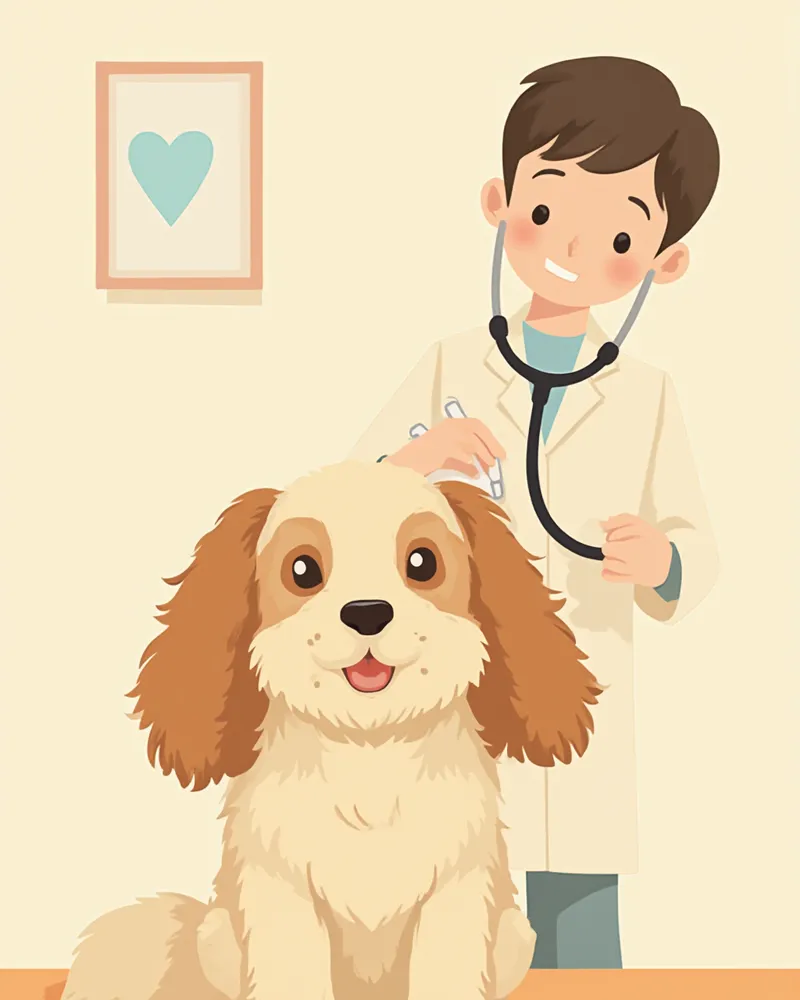
Another major cause of regenerative anemia is immune-mediated hemolytic anemia, a condition in which the immune system mistakenly identifies the body’s own red blood cells as foreign and destroys them. According to veterinary internal medicine textbooks, it is the most common cause of hemolytic anemia. As red blood cells are rapidly destroyed, jaundice may develop, causing the gums to turn yellow, and the urine may become darker in color. Breeds known to be more susceptible to this condition include Cocker Spaniels, Collies, English Springer Spaniels, Poodles, and Old English Sheepdogs. Immunosuppressive medications are the primary treatment, and blood transfusions may be necessary in severe cases.
A Cocker Spaniel receiving a veterinary examination at an animal hospital

Non-regenerative Anemia – When the Bone Marrow Fails to Produce Red Blood Cells

Non-regenerative anemia occurs when the bone marrow fails to produce enough new red blood cells. Although it progresses more slowly than regenerative anemia, the underlying cause is often serious.
Anemia of chronic disease: Long-standing conditions such as kidney disease, liver disease, or chronic infections can reduce red blood cell production.
Bone marrow disorders: This includes cases where the bone marrow itself is compromised, such as in leukemia or myelodysplasia.
Immune-mediated anemia targeting precursor cells: The immune system attacks red blood cell precursors in the bone marrow, directly inhibiting red blood cell production. According to veterinary clinical pathology textbooks, it is important to distinguish this from typical immune-mediated hemolytic anemia.
Nutritional deficiencies: A lack of iron or vitamin B12 can impair the body’s ability to produce red blood cells properly.

Tests and Treatments at the Veterinary Clinic

At the veterinary clinic, blood tests are used to determine the type and severity of anemia. Complete blood count (CBC): This test checks red blood cell count and hematocrit to assess whether anemia is present and how severe it is. Reticulocyte count: This measures the number of newly formed, immature red blood cells to determine if the anemia is regenerative or non-regenerative. Blood smear examination: This involves observing the shape of red blood cells to find clues about the cause of their destruction. Bone marrow examination: If non-regenerative anemia is suspected, a direct examination of the bone marrow may be performed. Treatment varies significantly depending on the underlying cause. Options may include blood transfusions, immunosuppressive medications, or treatment of the primary disease. Your veterinarian will review all test results to develop the most appropriate treatment plan.
A veterinarian analyzing a dog's blood sample under a microscope.

Breed-Specific Anemia Susceptibility – Owners of These Breeds Should Pay Special Attention

American Cocker Spaniels and English Springer Spaniels are known to be susceptible not only to immune-mediated hemolytic anemia but also to a genetic disorder characterized by a deficiency of phosphofructokinase (PFK), an enzyme essential for red blood cell energy metabolism. This enzyme deficiency can lead to recurrent hemolysis and regenerative anemia. Collies, Poodles, and Old English Sheepdogs are also breeds with a high incidence of immune-mediated hemolytic anemia. Owners of these breeds should ensure that blood tests are included in regular health check-ups.

Anemia Prevention and Care You Can Do at Home

While it’s difficult to prevent anemia entirely, early detection and basic care can significantly reduce the risk.
Regular blood tests: Including blood tests in your dog’s annual health checkup (1–2 times per year) helps detect anemia at an early stage.
Check gum color regularly: Making it a habit to check your dog’s gum color can help you notice changes quickly.
Tick prevention: Since tick-borne diseases can cause anemia, make sure to consistently prevent external parasites.
Avoid toxic substances: Be cautious about your dog ingesting foreign objects during walks, and safely store hazardous items like rat poison at home.
Balanced diet: Feeding high-quality food that provides adequate iron and vitamins can also be helpful.
A pet owner checking the gum color of a healthy puppy at home

Reviewed by a veterinarian

Dr. Tony — Punnawat Phongkittirak

Dr. Tony — Punnawat Phongkittirak

Veterinarian

A veterinarian who majored in veterinary medicine at Khon Kaen University, Thailand, and completed the IVSA program at North Carolina State University in the United States. Drawing on clinical experience at animal hospitals, he works in the pet healthcare field and is dedicated to building a digital care environment that connects pet parents with veterinarians.

Frequently Asked Questions

Can anemia in dogs be transmitted to humans?
Anemia itself is not contagious. However, some of the underlying conditions that cause anemia, such as tick-borne diseases, can also affect humans, so tick prevention is important for both your dog and you.
Are there specific foods that are good for anemia?
You can offer small amounts of iron-rich treats like beef liver, but dietary management varies depending on the cause of the anemia. Please consult your veterinarian before feeding these to your pet.
Can a pet with anemia undergo surgery?
Severe anemia increases the risk of anesthesia, so surgery may need to be postponed. The veterinarian will review the blood test results to determine if surgery is safe, and if necessary, perform a blood transfusion before proceeding with the operation.
How long does it take to treat anemia in dogs?
The recovery timeline varies significantly depending on the underlying cause. In cases of hemorrhagic anemia, once the source of bleeding is addressed, recovery typically follows the natural course of red blood cell regeneration. For immune-mediated hemolytic anemia, ongoing management—including immunosuppressive therapy—may be necessary. Since the exact duration of treatment differs from patient to patient, please consult your veterinarian to develop a tailored treatment plan.
Can anemia recur?
The risk of recurrence depends on the underlying condition, such as immune-mediated hemolytic anemia. After treatment, it is important to have regular blood tests and not to stop immunosuppressive medications without your veterinarian's guidance.

Share

Related Guides

References

[1] Schaer M., Clinical Medicine of the Dog and Cat, 4th Edition, CRC Press

[2] Stockham S.L., Scott M.A., Fundamentals of Veterinary Clinical Pathology, 3rd Edition, Wiley-Blackwell

[3] Ramsey I., Notes on Canine Internal Medicine, 4th Edition, Wiley-Blackwell

This information is based on veterinary literature and does not replace diagnosis or treatment. Please consult a veterinarian for specific health concerns.

Metapet Co., Ltd. | CEO: Park Sung-yong | Business Reg. No. 417-88-02562 | Seoul, South Korea | Customer Center

Anemia in Dogs: Regenerative vs. Non-Regenerative Care | Meongsiljang