

Snakebite Emergency Response
Regardless of whether the snake is venomous, it is essential to transport your pet to a veterinary clinic immediately. Check the wound location, swelling, and breathing status, and act quickly within the golden hour.
What Is a Snakebite? — Key Facts to Know First
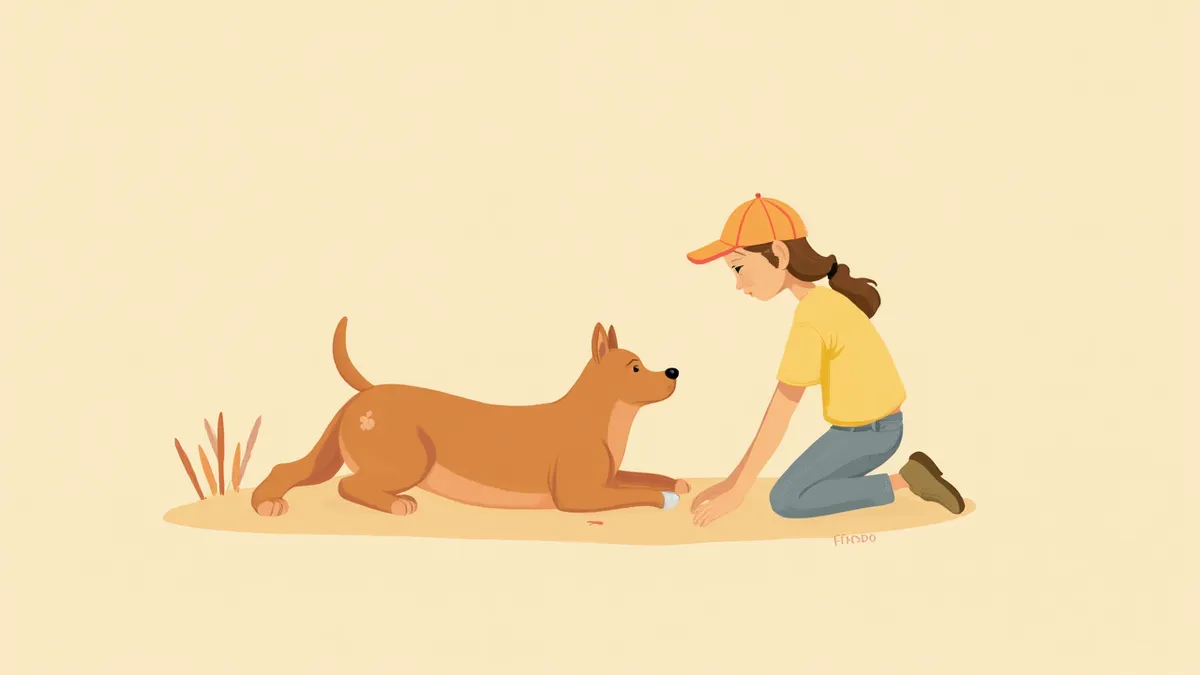
Snakes Commonly Problematic in Korea
Comparison of Major Venomous Snakes in Korea
| Item | Ussuri mamushi (Gloydius ussuriensis) | Short-tailed mamushi (Gloydius brevicaudus) | Tiger keelback (Rhabdophis tigrinus) |
|---|---|---|---|
| Habitat | Mountains · rocky fields | Grassy fields · rice paddy banks | Waterside · rice paddies |
| Main venom component | Hemotoxin | Mixed hemotoxin · neurotoxin | Hemotoxin (in rear fangs) |
| Symptom progression speed | Fast | Very fast | Slow (can be delayed several hours or more) |
| Lethality (for pets) | High | Very high | Moderate to high |
Regardless of the snake species, the rule is to transport to a hospital immediately after a bite.
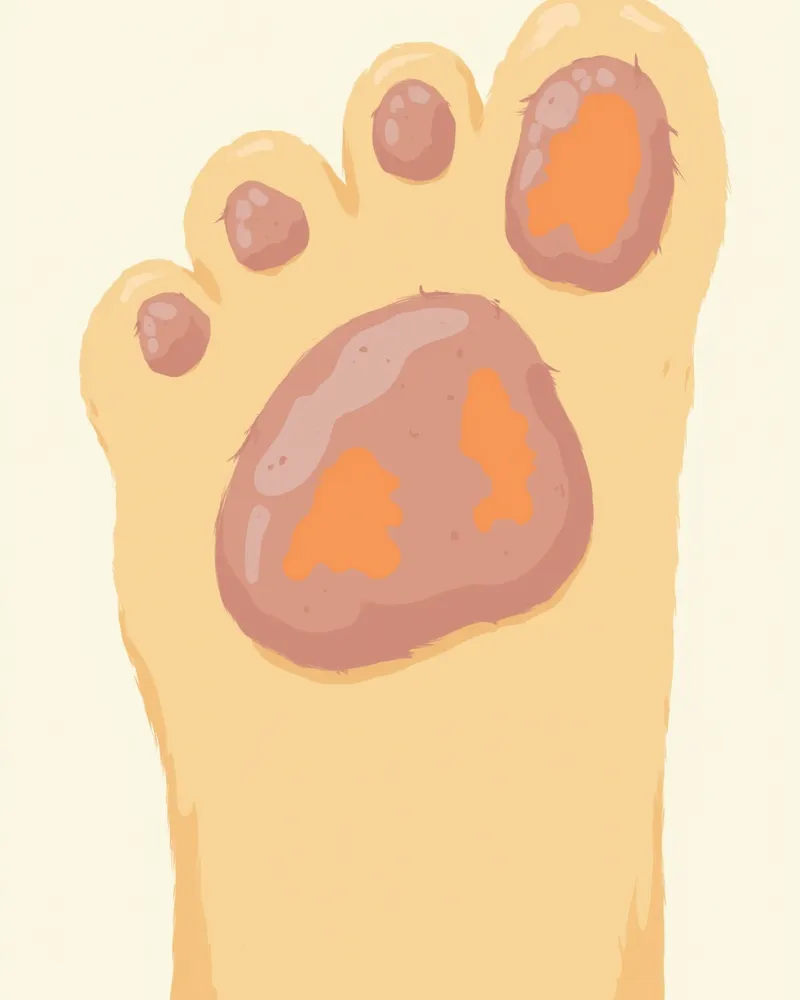
Snakebite Symptom Checklist
Go to the ER Immediately — Golden Hour Criteria
If you notice any of the following signs, seek emergency veterinary care immediately. Difficulty breathing, bluish gums, and collapse require urgent transport to a 24-hour emergency animal hospital. Even if only swelling and bleeding are present, do not delay observation—transport your pet to the clinic right away. Because symptoms can be delayed by several hours, your pet should be monitored by a veterinarian for an adequate period, even if the signs appear mild. Small-breed dogs and cats may be more severely affected by toxins relative to their body weight, so prompt action is especially critical.
3-Minute Emergency Response Before Going to the Hospital

Emergency Actions to Absolutely Avoid
Many remedies commonly seen in movies and folk traditions can actually put your pet in greater danger. Sucking poison from the mouth (risk of poisoning the caregiver), incising wounds (secondary infection and bleeding), applying ice packs (accelerating tissue necrosis), tightly binding with a tourniquet (cutting off blood flow and causing tissue necrosis), and applying alcohol or vinegar (increasing absorption) are all strictly prohibited. Veterinary internal medicine textbooks consistently warn that these interventions worsen the prognosis.
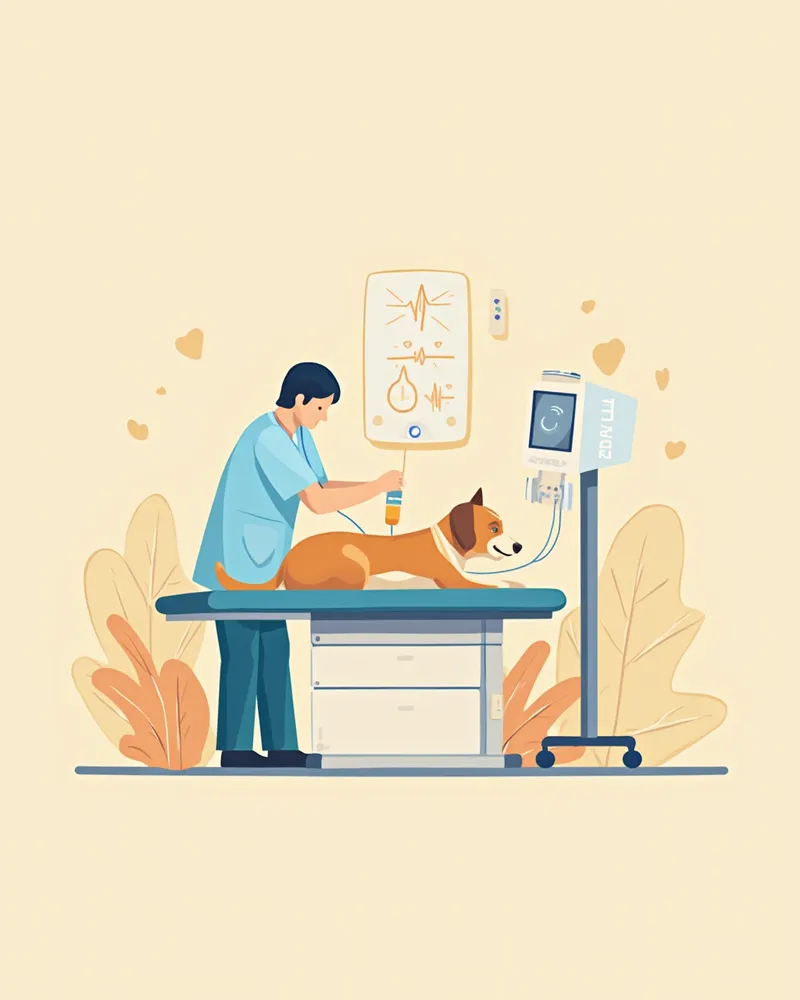
Treatment Process at the Hospital
Recovery and Prevention — How to Prevent Recurrence
Reviewed by a veterinarian

Dr. Tony — Punnawat Phongkittirak
VeterinarianA veterinarian who majored in veterinary medicine at Khon Kaen University, Thailand, and completed the IVSA program at North Carolina State University in the United States. Drawing on clinical experience at animal hospitals, he works in the pet healthcare field and is dedicated to building a digital care environment that connects pet parents with veterinarians.
Reviewed 2026-04-21
Frequently Asked Questions
I’m not sure if it was bitten by a snake. Should I still go to the vet?
Can I give my pet an antihistamine that I have at home?
Is antitoxin (antiserum) available at every veterinary clinic?
Is a snakebite more dangerous for cats than for dogs?
Can I rinse the bite wound with water?
Share
Related Guides

Primary vs. Secondary Veterinary Hospitals: A Comparison

5 Easy-to-Raise Cat Breeds for First-Time Owners — Grooming Difficulty Comparison

Top 7 Short-Legged Dog Breeds
Emergency Response for String/Cord Ingestion: Linear Foreign Body Symptoms and Criteria for Immediate Veterinary Care
If Your Dog Acts Strange After Contrast Media — Allergy Emergency Symptoms and Immediate Response

Emergency Response Guide for Vaccine Side Effects

Antibiotic Allergy Emergency
Symptoms of Medication Overdose and Emergency Response
Complete Guide to Handling Dog Electrical Cord Chewing Accidents
Causes and Management of Loss of Appetite in Senior Dogs
References
[1] Ettinger SJ, Feldman EC, Cote E. Textbook of Veterinary Internal Medicine, 8th Edition, Chapter on Envenomation
[2] Plumb DC. Plumb's Veterinary Drug Handbook, 9th Edition — Antivenom protocols
[3] Peterson ME. Snake bite: pit vipers. Clin Tech Small Anim Pract. 2006;21(4):174-182