
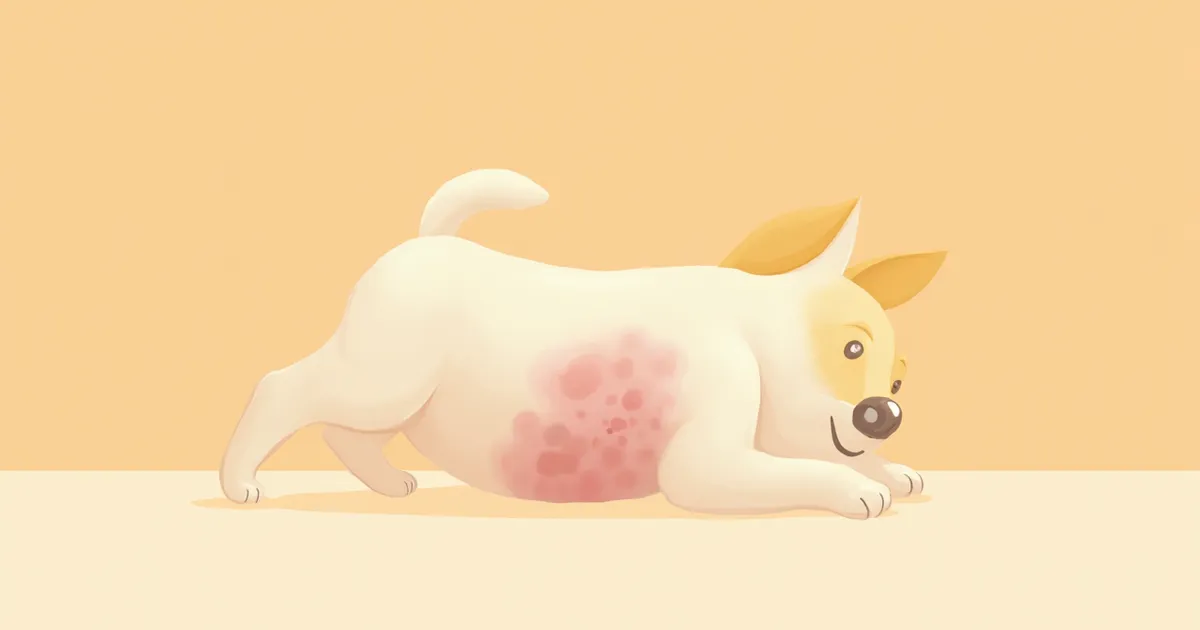
Dog Skin Bruises and Petechiae: Causes and Criteria for When to Visit the Vet
If you notice bruises or small red spots on your dog’s skin, it could be a sign of a blood clotting disorder. We’ve compiled the causes, urgency level, and criteria for when to visit the vet, based on veterinary resources.
What Are Dog Skin Bruises and Petechiae?

Distinguishing Terms for Bruises and Spots
Classifying Skin Bleeding by Size and Shape
| Item | Petechiae | Ecchymoses | Hematoma |
|---|---|---|---|
| Size | 1–2mm or smaller | 1cm or larger | Protruding lump |
| Shape | Millet-sized red spots | Bruise-like purple blotches | Swollen bump |
| Main Suspected Cause | Platelet abnormality | Coagulation factor or platelet abnormality | Trauma, blood vessel rupture |
| Urgency | High | High | Moderate to high |
Reconstructed from veterinary internal medicine textbook classification criteria — for guardian reference
Symptom Checklist to Check at Home

Signs That Require Immediate Veterinary Attention
If any of the following apply, it’s an emergency: - Pinpoint bleeding (petechiae) appearing simultaneously in multiple areas (abdomen, gums, whites of the eyes) - Unexplained nosebleeds, blood in the urine, and black, tarry stools occurring together - Suspected ingestion of rat poison, pesticides, or unmonitored chemicals - Pale or grayish gums, along with rapid breathing - Noticeably more lethargic and weak than usual Coagulation disorders can lead to internal bleeding within hours, so you should go to a 24-hour emergency animal hospital immediately.
Cause 1: Platelet and Clotting Factor Abnormalities
Cause 2: Poisoning — Rat Poison and Insecticides Are Dangerous

Cause 3: Infections and Systemic Diseases
What Absolutely Not to Do Before Going to the Vet
- Avoid massaging or applying warm compresses to bruises, as this can cause further bleeding. - Do not give human pain relievers such as aspirin or ibuprofen, as they can worsen bleeding. - If you suspect your dog has ingested rat poison, do not attempt to induce vomiting at home. Treatment depends on the time of ingestion and the dog’s condition, so always follow your veterinarian’s instructions (in some recent cases, a vet may induce vomiting at the clinic). - Stop strenuous walks and play, as external trauma can lead to internal bleeding. When transporting your dog, be careful not to press on the abdomen or armpits, even when picking them up.
What Tests Will Be Performed at the Vet?
Prevention and Recurrence Management Tips for Daily Life
For Cat Owners in Multi-Pet Households
Rat poison, human medications, and insecticides that are unsafe for dogs are equally dangerous for cats. In particular, some insecticidal ingredients may be safe for dogs but can cause different toxic reactions in cats, so extra caution is needed. If you share your home with both pets, keep them separated for a sufficient period after administering dog dewormers or preventatives to prevent the cat from licking the medication. Store rat poison and other chemicals out of reach of all pets.
Reviewed by a veterinarian

Dr. Tony — Punnawat Phongkittirak
VeterinarianA veterinarian who majored in veterinary medicine at Khon Kaen University, Thailand, and completed the IVSA program at North Carolina State University in the United States. Drawing on clinical experience at animal hospitals, he works in the pet healthcare field and is dedicated to building a digital care environment that connects pet parents with veterinarians.
Reviewed 2026-04-19
Frequently Asked Questions
If the bruise was caused by a bump, is it okay to just monitor it?
How can you tell the difference between petechiae and flea bite marks?
I don’t know when my pet ingested rat poison—what should I do?
Can dogs have a natural tendency to bruise easily?
Can allergies also cause red spots on the skin?
Share
Related Guides

Top 5 Medicated Dog Shampoos — For Pyoderma and Bacterial Infections

Veterinarian-Recommended Top 5 Medicated Shampoos for Canine Yeast Dermatitis — Relieves Itching and Greasiness

Top 5 Supplements for Feline Atopic Dermatitis and Allergies — Immune Modulation

Emergency Response Guide for Dogs and Cats Exposed to Gas Leaks

If Your Pet Was Hit by a Vehicle — Immediate First Aid and When to Go to the Vet

Encounters with Wildlife (Raccoon Dogs and Sika Deer)

Emergency First Aid for Dogs and Cats Ingesting Toxic Plants

Emergency First Aid Guide for Dogs and Cats Exposed to Chemicals

Emergency First Aid for Dog and Cat Shock (Hypovolemic and Cardiogenic)
If Your Dog or Cat Is Having Trouble Breathing — Stage-by-Stage Warning Signs of Respiratory Distress and How to Respond
References
[1] Jackson ML, Veterinary Clinical Pathology: An Introduction, 2nd Ed, Wiley-Blackwell, 2016
[2] Miller WH, Griffin CE, Campbell KL, Muller & Kirk's Small Animal Dermatology, 7th Ed, Elsevier, 2013
[3] Jasmin P, BSAVA Manual of Canine and Feline Dermatology, 4th Ed, BSAVA, 2021
[4] Ettinger SJ, Feldman EC, Textbook of Veterinary Internal Medicine, 8th Ed, Elsevier, 2017