Like
Share
멍실장
강아지·고양이 헌혈 후 부작용 관리법

Post-Blood Donation in Dogs and Cats: Warning Signs of Side Effects You Must Not Miss and How to Respond

ImmunitySymptomsMeongsiljang Veterinary Advisory Board

We’ve outlined the potential side effects after your pet donates blood, along with a 24-hour intensive care guide and criteria for when to seek immediate veterinary attention.

What Are Post-Donation Side Effects?

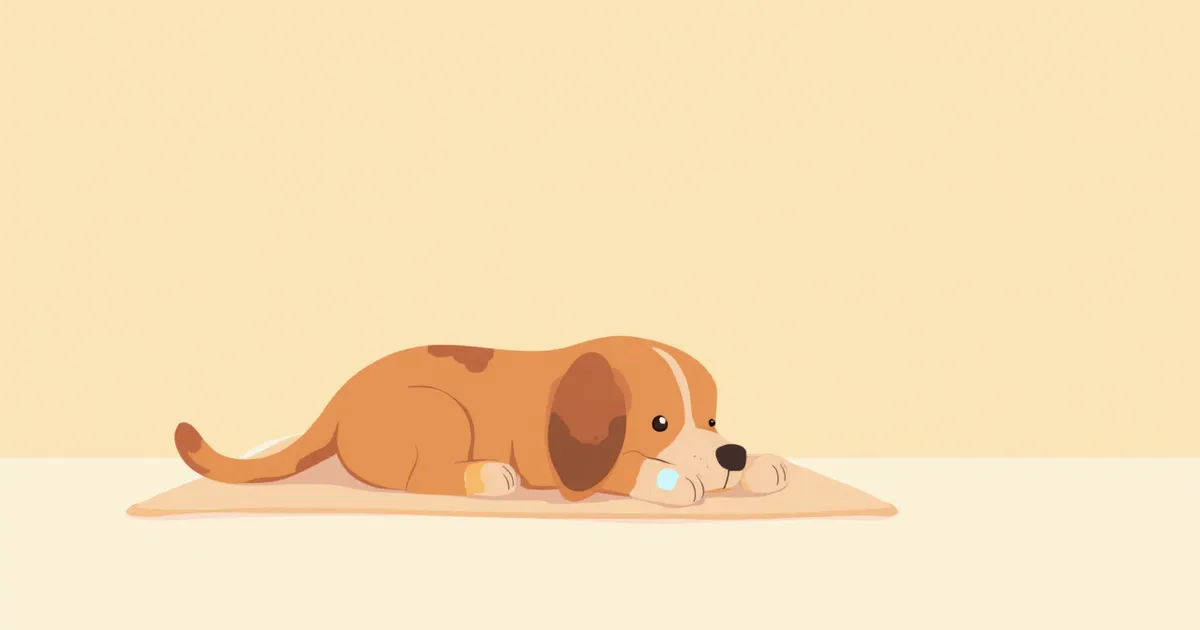
Dogs and cats resting comfortably at home after donating blood
After donating blood, your pet may experience temporary side effects such as fatigue, decreased appetite, or a reaction at the injection site within 24 to 72 hours. These are normal signs that the body is recovering. Most pets recover naturally after a day or two of rest. The most important thing is knowing when to return to the clinic. If your pet’s gums become pale or the injection site becomes swollen and warm, seek veterinary care immediately.

Physiological Changes Immediately After Blood Donation

Donating blood temporarily reduces your pet’s total blood volume by about 10–15%. To compensate, your pet’s heart beats a little faster, the spleen releases stored red blood cells, and the bone marrow begins producing new ones. While healthy pets handle this process naturally, they still need extra energy to recover, so it’s important to help them rest more and eat well during this time.

Recovery Stages by Time Period

Item0–6 hours6–24 hours24–72 hours3–7 days
VitalitySleepy and quietGradual recoveryNearly normal levelFull recovery
AppetiteMay decreaseSmall amounts possible70–100% of usualNormal
Injection siteKeep bandagedMild bruising possibleBruising fadingAlmost no trace
ExerciseProhibitedIndoor walking onlyLight walksUsual level

There are individual differences depending on health status

Side Effect Signs You Must Check
Here are the key signs to watch for at home after your pet has donated blood.
Gum color: If the gums appear pale or white instead of their normal pink, it may indicate anemia or reduced blood flow. The color of mucous membranes like the gums is a primary indicator of tissue perfusion, so check this first.
Respiratory rate: If your pet’s breathing is noticeably faster than usual at rest or appears labored, monitor them closely. Contact your veterinarian if you also notice lethargy.
Injection site: Swelling, warmth, or persistent bleeding at the site may indicate a hematoma or infection.
Appetite: If your pet refuses to drink water for more than 24 hours, they need to see a veterinarian.
Gait: If your pet’s hind legs give way or they collapse, this is an immediate emergency.
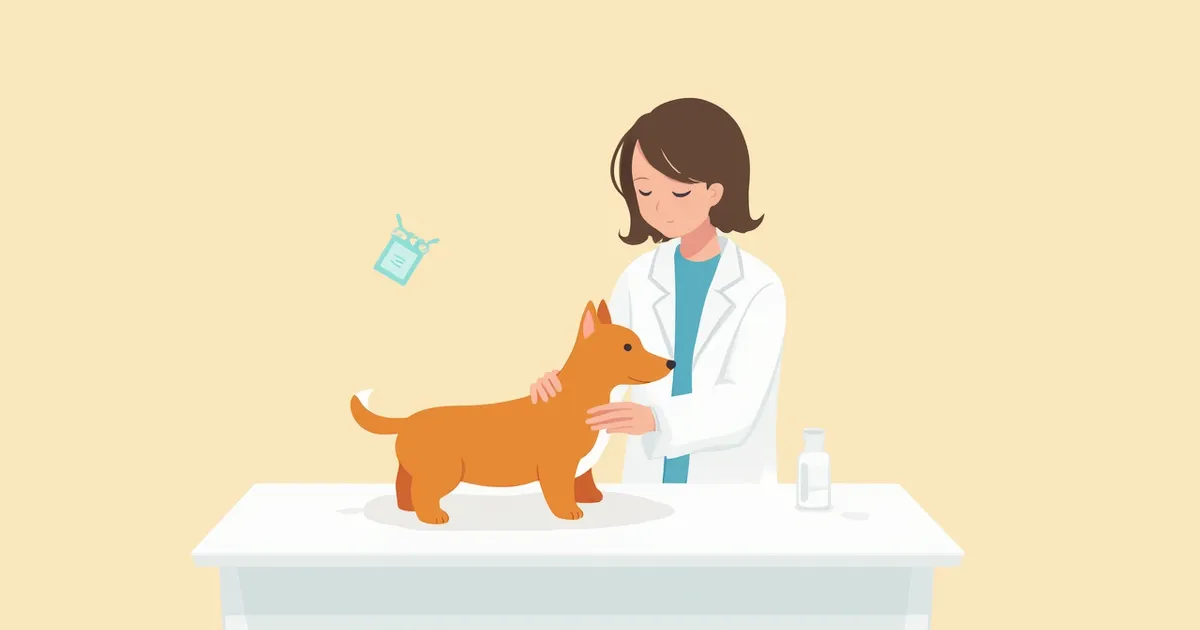
A veterinarian checking a puppy's gum color.

Emergency Signs Requiring Immediate Veterinary Care

If you notice any of the following signs, do not monitor your pet at home—seek immediate care at a veterinary clinic or a 24-hour emergency center. • Gums turning pale or blue • Persistent bleeding from the injection site that does not stop • Whole-body tremors or seizures • Repeated vomiting or the presence of blood in urine or stool • Panting heavily and appearing to collapse Blood donation involves giving blood, so these signs may indicate a significant drop in blood volume and severe hypotension due to the phlebotomy, or ongoing bleeding at the collection site. If left untreated, this can progress to hypovolemic (hemorrhagic) shock, making time critical. (Note: "Transfusion reactions" occur in the recipient of blood, so this term does not apply to donor animals.)

24-Hour Home Care Guidelines

The key for the day of blood donation and the following day is to keep your pet quiet and warm. Add an extra blanket for comfort and provide a quiet room where they can rest alone. Keep water available at all times, and offer food in small, frequent portions, starting with about half their usual amount. Avoid bathing, vigorous play, and climbing stairs for at least 48 hours. For added safety, provide a separate space to prevent rough interactions with other pets.
A puppy recovering at home, covered with a warm blanket.

Nutritional Management to Aid Recovery

After donating blood, your cat needs a balanced diet to help produce new red blood cells. If their regular food is already well-balanced with adequate protein and other nutrients, you can continue feeding it as usual. Once recovery is confirmed, you can resume offering water and food. If your cat’s appetite is low, slightly warming wet food to enhance its aroma can encourage eating. However, there are no specific recommended guidelines for iron supplementation in donor cats, and the time it takes for blood values to return to pre-donation levels varies significantly from cat to cat, so it’s difficult to say they’ll “recover in just a few days.” Until recovery is confirmed, avoid strict diets or fasting. Whether iron or other supplements are needed should be determined in consultation with your veterinarian based on test results.

Additional Precautions by Breed and Age

Cats have a smaller total blood volume than dogs, so their recovery takes longer, and they tend to hide in corners after donating blood. If your cat stays hidden for more than 24 hours, it’s important to check on their condition. Large-breed dogs (such as Golden Retrievers and Labrador Retrievers) generally recover quickly, but their high activity levels make them prone to overexertion. Please keep walks short for at least 72 hours. Senior dogs and cats (7 years and older) tend to recover more slowly, so veterinarians often recommend regular follow-up examinations.

Interval Until Next Donation and Recheck Timing

In reality, there is no clear consensus in veterinary textbooks on the exact interval between blood donations, and no specific recommended donation frequency has been established for donor cats. Rather than setting a rigid schedule like “every X weeks,” it is safer to determine the interval on an individual basis after confirming that blood test values have fully recovered to pre-donation levels. Before and after donation, we recommend performing a simple complete blood count (CBC) and checking packed cell volume (PCV) and hemoglobin. For dogs, blood collection is generally recommended when the pre-donation PCV is 40% or higher. If your pet has a chronic condition or is taking medication, you must consult your veterinarian before deciding whether to participate in the next donation.

Reviewed by a veterinarian

Dr. Tony — Punnawat Phongkittirak

Dr. Tony — Punnawat Phongkittirak

Veterinarian

A veterinarian who majored in veterinary medicine at Khon Kaen University, Thailand, and completed the IVSA program at North Carolina State University in the United States. Drawing on clinical experience at animal hospitals, he works in the pet healthcare field and is dedicated to building a digital care environment that connects pet parents with veterinarians.

Frequently Asked Questions

When can my dog go for a walk after donating blood?
After 24 hours, start with indoor walking. Short walks are safe after 48 hours, and you can resume normal activity levels 3 to 5 days later.
Is it okay if a bruise forms at the injection site?
Bruises the size of a coin or smaller are a normal reaction. However, if the bruise gradually enlarges, feels warm to the touch, or becomes swollen, it could indicate a hematoma or infection, so a veterinary checkup is necessary.
Do I need to give my pet additional supplements after donating blood?
If your pet’s diet is already well-balanced, additional supplements are usually unnecessary. Cats, in particular, don’t have a specific recommended standard for iron supplementation, so iron and B-vitamin supplements are only prescribed by a veterinarian when deemed necessary based on test results.
My cat keeps hiding after donating blood. Is this normal?
It’s common for pets to hide in a quiet place for 6–12 hours. However, if your pet has been hiding for more than 24 hours without eating or drinking, please check their body temperature and gum color, and contact your veterinarian.
Will donating blood once affect my pet’s lifespan?
When a donor dog that has passed a health screening receives an appropriate blood draw (generally within 15% of its total blood volume), a single donation typically results in only a temporary drop in blood pressure, and the dog recovers well. However, it is difficult to definitively claim that blood donation has absolutely no impact on lifespan. Since there is no universally agreed-upon standard for donation frequency, it is safest to determine the interval on a case-by-case basis after confirming the dog’s recovery.

Share

Related Guides

References

[1] Lynch AM, O'Toole TE, Respess M. Transfusion practices for treatment of dogs hospitalized following trauma: 125 cases (2008-2013). J Am Vet Med Assoc, 2015

[2] Advanced Monitoring for Small Animal Emergency and Critical Care, 2nd Ed

[3] Feline Emergency and Critical Care Medicine, 2nd Ed

[4] Schalm's Veterinary Hematology, 6th Ed

This information is based on veterinary literature and does not replace diagnosis or treatment. Please consult a veterinarian for specific health concerns.

Metapet Co., Ltd. | CEO: Park Sung-yong | Business Reg. No. 417-88-02562 | Seoul, South Korea | Customer Center

After Pet Blood Donation: Side Effect Warning Signs & Care | Meongsiljang