Like
Share
멍실장
고양이 배뇨곤란 원인과 단계별 대처법, 병원 가야 할 신호 총정리

Cat Dysuria: Causes, Step-by-Step Management, and Signs It’s Time to Go to the Vet

UrinarySymptomsMeongsiljang Veterinary Advisory Board

If your cat is straining in the litter box but no urine comes out, it may be experiencing difficulty urinating. We’ve clearly outlined everything you need to know—from identifying the cause and assessing urgency to hospital treatment and home care.

How Urgent Is Cat Dysuria?
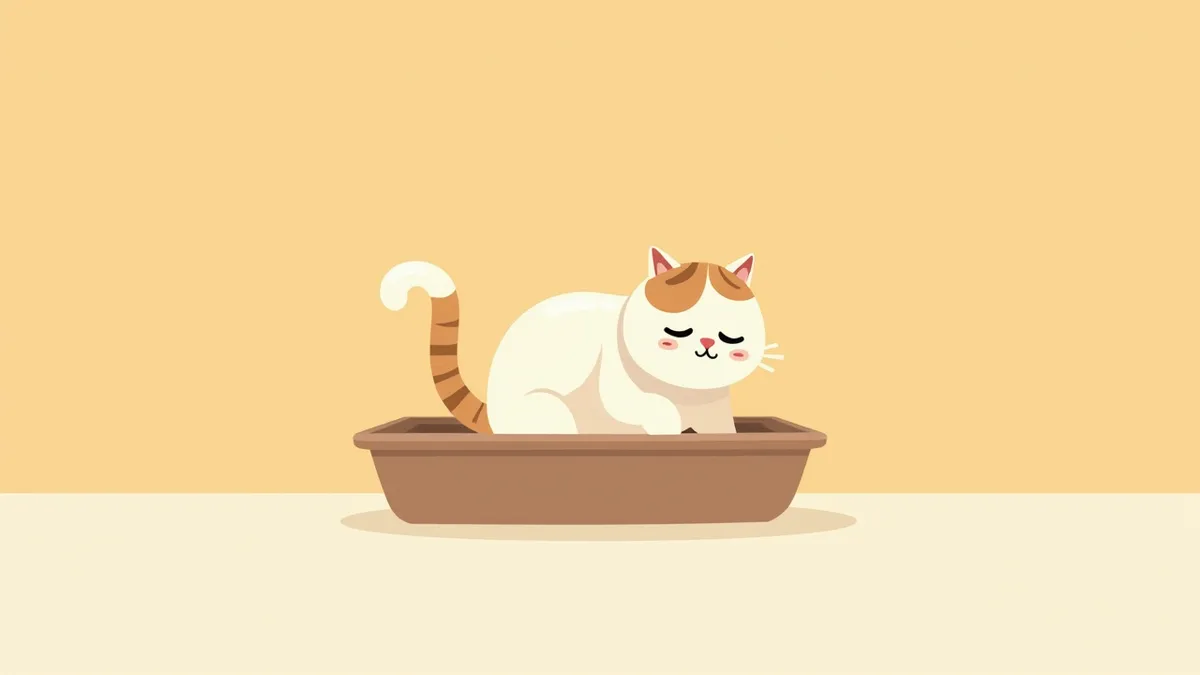
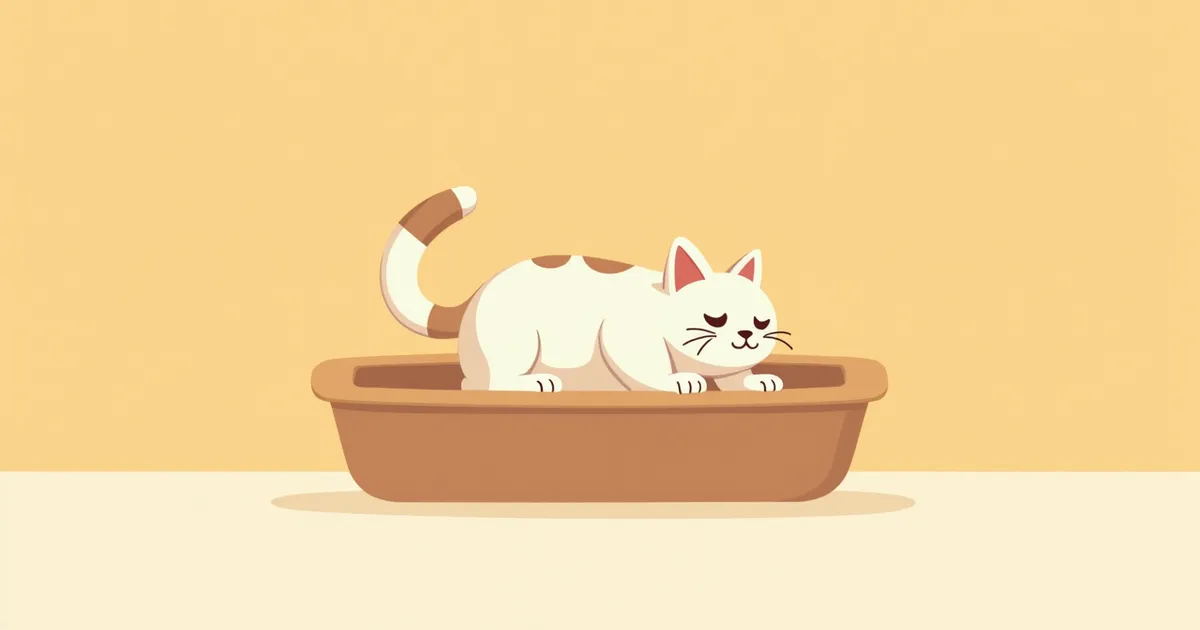
A cat straining to urinate in the litter box
Feline dysuria is a lower urinary tract symptom where your cat strains to urinate but either produces only a small amount or nothing at all. The most critical point to remember is that complete obstruction, where no urine is passed, can be life-threatening within 24 hours. If your cat is frequently visiting the litter box, squatting, and straining without producing urine, you must seek veterinary care immediately.

Dysuria Urgency Levels — Check Which Stage Your Cat Is In

ItemMildModerateSevere (Emergency)
Urination StatusSmall amount passedPassed in dropsNone at all
Pain ResponseSlight discomfortAbnormal posture, cryingExtreme crying, lethargy
DurationWithin a few hours6–12 hoursMore than 12 hours
Vet VisitWithin the same dayWithin 3 hoursImmediately (emergency)

Even if some urine is passed, if there is blood in the urine or extreme pain, go to the vet immediately.

Checklist of Dysuria Symptoms Owners Often Miss
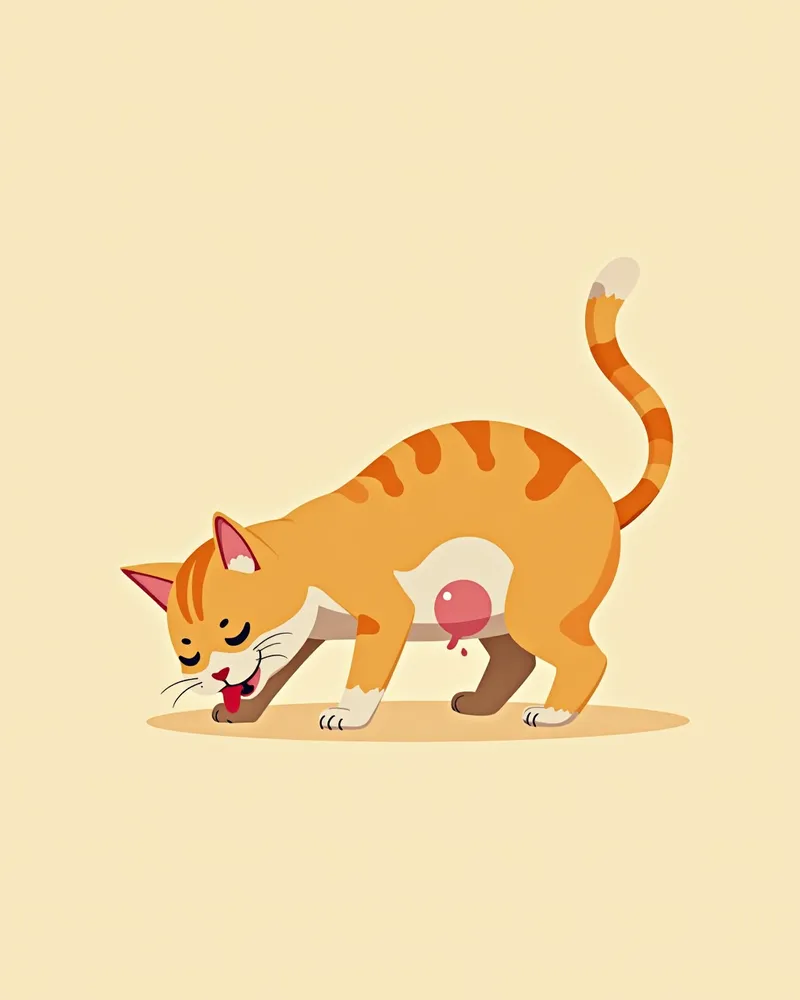
Repeated trips to the litter box: Your pet keeps going to the bathroom even though no urine is coming out.
Straining posture: They squat and strain, but nothing comes out.
Vocalization: They cry or whimper because it hurts when they try to urinate.
Blood in urine: The urine has a pink or red tint.
Licking the perineal area: They repeatedly lick around their genitals due to discomfort.
Lethargy and decreased appetite: As the blockage worsens, their overall condition deteriorates.
Cats licking their abdomen may be showing signs of urinary discomfort.

Emergency Signs Requiring Immediate Veterinary Care

If your pet hasn’t urinated at all for more than 12 hours, has a hard, distended lower abdomen, or is crying out in severe pain and lying listlessly, it may be suffering from a complete urinary tract obstruction. This is an emergency that can lead to bladder rupture or kidney failure. Even in the middle of the night, you should go immediately to a 24-hour emergency animal hospital.

5 Main Causes of Cat Dysuria

Feline Lower Urinary Tract Disease (FLUTD): This is a broad category encompassing various conditions such as inflammation, bladder stones, and mucus accumulation in the urethra and bladder. Among these, feline idiopathic cystitis (FIC) is reported as the most common cause.
Feline Idiopathic Cystitis (FIC): This is a sterile inflammatory condition affecting the bladder lining without any apparent infection. Stress is a major risk factor. While symptoms often resolve on their own within a few days, frequent relapses are characteristic of this condition.
Urolithiasis (Urinary Stones): Mineral crystals obstruct the urethra, hindering urine flow. In cats, calcium oxalate stones are becoming increasingly common.
Urethral Plug: This occurs when mucus, proteins, and cellular debris clump together to block the urethra. It is particularly prevalent in male cats.
Bacterial Infection: Although bacterial cystitis is relatively uncommon in cats, it can still be a contributing factor.
Tumors or Structural Abnormalities: While rare in cats, tumors in the bladder or urethra, as well as anatomical abnormalities, can also cause these issues.

Diagnosis and Treatment Process at the Veterinary Clinic
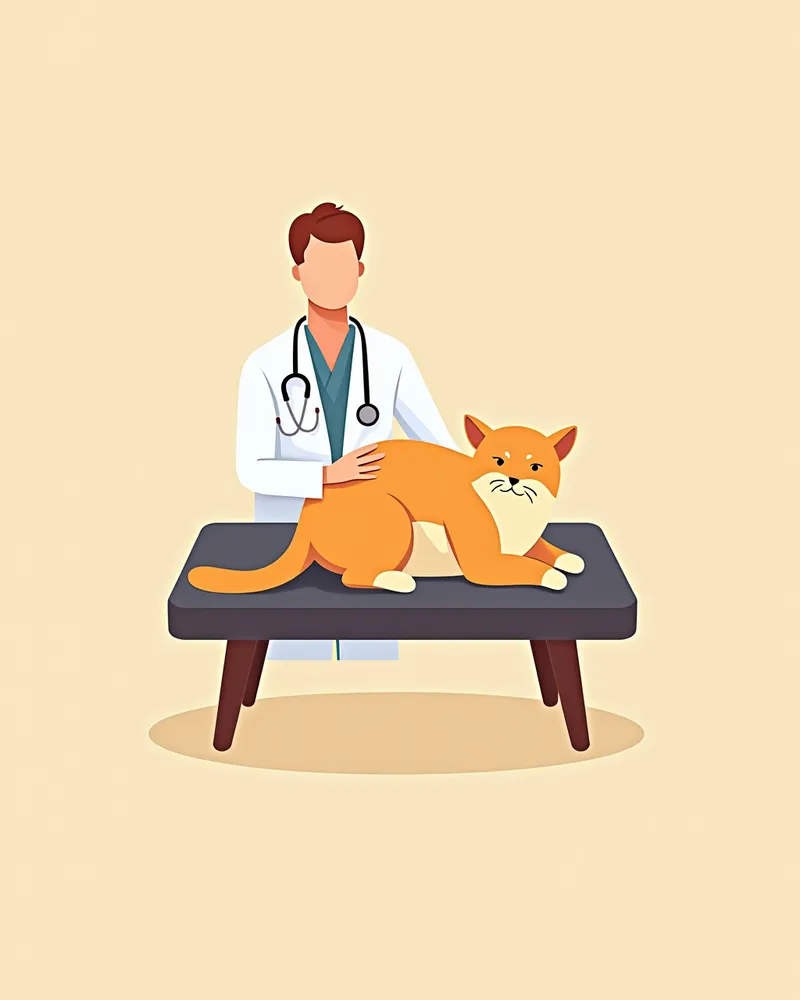
When a pet comes to the clinic with difficulty urinating, we first determine the cause through abdominal palpation, urinalysis, and X-rays or ultrasound. If a urinary tract obstruction is confirmed, we relieve the blockage and flush the bladder using a urethral catheter under anesthesia. If a bacterial infection is present, antibiotic treatment is administered concurrently. Surgery may be necessary if the stones are large or if recurrences are frequent. The veterinarian will determine the appropriate treatment plan and whether hospitalization is needed based on the pet’s condition.
A veterinarian performing an abdominal ultrasound on a cat

Home Care After Veterinary Treatment

After discharge, ensuring adequate hydration is the most important step. Switching to wet food or placing multiple water bowls around the home can encourage your cat to drink more. Since stress is a major trigger for feline cystitis, minimize environmental changes and provide safe hiding spots. Be sure to administer all prescribed medication for the full duration recommended by your veterinarian, even if symptoms appear to improve.

Male Cats Require Extra Attention

Male cats have a much longer and narrower urethra than females, making them far more prone to blockages caused by urinary plugs or stones. Regardless of whether your cat is neutered, if you notice a sudden increase in litter box visits or a decrease in urine output, it's best to visit the vet right away.

Daily Management Tips to Prevent Recurrence of Dysuria
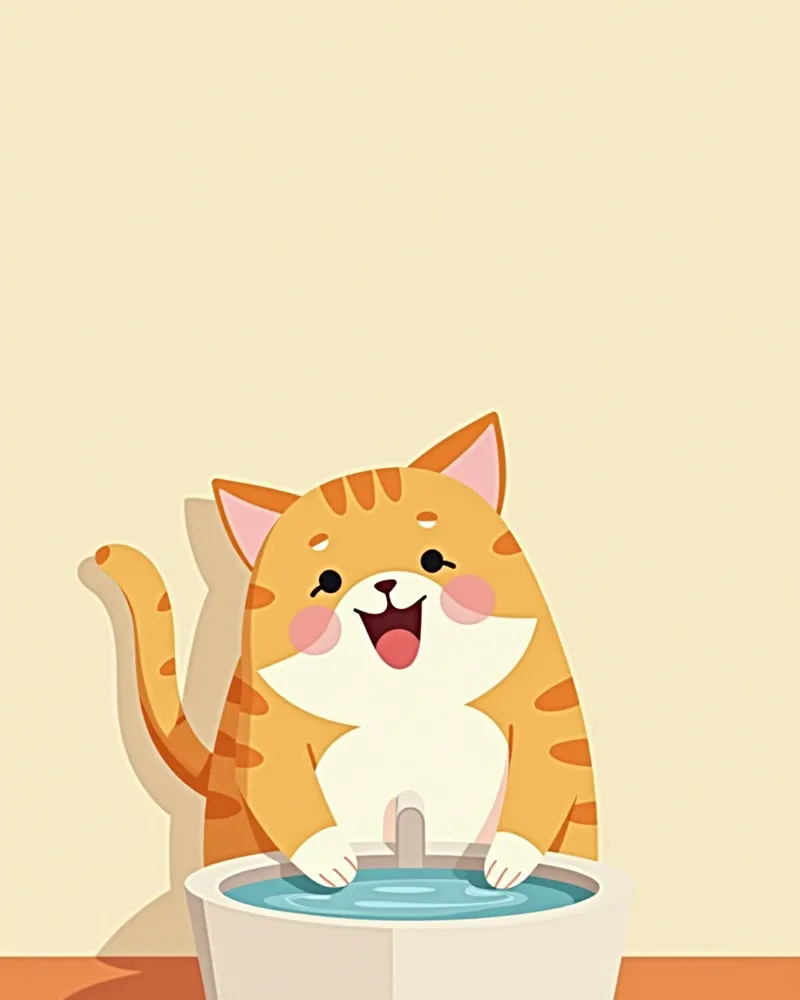
Increase water intake: Try using a fountain-style water dispenser or wet food to encourage more drinking.
Improve litter box environment: Provide one more litter box than the number of cats and keep it clean at all times.
Regular urine tests: Conducting 1–2 tests per year can help detect issues before stones form.
Prescription diet: A urinary tract prescription diet recommended by your veterinarian can help prevent stone recurrence.
Minimize stress: Avoid sudden changes in the environment and provide a safe space where your cat can hide.
A cat drinking water from a fountain-style water dispenser

Reviewed by a veterinarian

Dr. Tony — Punnawat Phongkittirak

Dr. Tony — Punnawat Phongkittirak

Veterinarian

A veterinarian who majored in veterinary medicine at Khon Kaen University, Thailand, and completed the IVSA program at North Carolina State University in the United States. Drawing on clinical experience at animal hospitals, he works in the pet healthcare field and is dedicated to building a digital care environment that connects pet parents with veterinarians.

Frequently Asked Questions

My cat keeps going in and out of the litter box. Do I really need to take them to the vet?
If your pet is still passing even a small amount of urine, it’s best to visit our clinic the same day. However, if no urine has been produced for more than 12 hours, it’s an emergency. Without a physical exam or imaging, we can’t accurately determine whether there’s a blockage, so an in-person evaluation is essential.
Does the condition become more severe when difficulty urinating and vomiting occur together?
Yes, if a complete urinary tract obstruction progresses, it can lead to uremia, accompanied by symptoms such as vomiting, lethargy, and decreased appetite. In such cases, it can progress to kidney failure, so it's important to visit the vet as quickly as possible.
Does feline urinary difficulty tend to recur?
When lower urinary tract disease or bladder stones are the cause, the recurrence rate is high. You can reduce the risk of recurrence by feeding prescription diet food, ensuring adequate water intake, and performing regular urinalysis.
Is there a way to perform first aid at home?
If you suspect a urinary tract obstruction, there is no safe home emergency treatment. Pressing on the abdomen or forcing your pet to drink water can actually be dangerous. The only correct course of action is to take your pet to the vet as quickly as possible.
Do female cats also experience difficulty urinating?
Female cats can also experience difficulty urinating due to conditions like cystitis and bladder stones. However, because their urethra is wider than that of male cats, the frequency of complete urinary obstruction is lower. If you notice symptoms such as blood in the urine or frequent urination, female cats should also be taken to the vet.

Share

Related Guides

References

[1] Balakrishnan A, Drobatz KJ. Management of urinary tract emergencies in small animals. In: The Veterinary Workbook of Small Animal Clinical Cases. Wiley-Blackwell; 2021.

[2] Ettinger SJ, Feldman EC, Côté E. Textbook of Veterinary Internal Medicine: Diseases of the Dog and the Cat. 8th ed. St. Louis, MO: Elsevier; 2017.

[3] Côté E. Clinical Veterinary Advisor: Dogs and Cats. 3rd ed. St. Louis, MO: Elsevier Mosby; 2015.

This information is based on veterinary literature and does not replace diagnosis or treatment. Please consult a veterinarian for specific health concerns.

Metapet Co., Ltd. | CEO: Park Sung-yong | Business Reg. No. 417-88-02562 | Seoul, South Korea | Customer Center

Feline Urination Difficulty: Causes, Home Care, and When to See a Vet | Meongsiljang