

Emergency First Aid for Dog and Cat Shock (Hypovolemic and Cardiogenic)
Shock is an emergency condition in which oxygen and blood are not properly supplied to tissues. We’ve outlined the differences between hypovolemic and cardiogenic shock, as well as what to do before transporting your pet to the hospital.
What Is Shock? An Emergency Condition Where One Minute Determines Life or Death

Four Types of Shock: This Article Covers Hypovolemic and Cardiogenic Shock
Hypovolemic vs. Cardiogenic Shock Comparison
| Item | Hypovolemic Shock | Cardiogenic Shock |
|---|---|---|
| Main Causes | Hemorrhage, severe vomiting / diarrhea, burns | Heart failure, arrhythmia, severe heartworm disease |
| Heart Rate | Very fast (in dogs) | Fast, slow, or irregular |
| Gum Color | Pale / white | Pale or bluish |
| Breathing | Rapid and shallow | Labored panting, accompanied by coughing |
| Limbs | Cold and limp | Cold + bluish if pulmonary edema is suspected |
| Initial Treatment | Rapid intravenous fluid administration | Fluids given cautiously, cardiac medications prioritized |
Based on Small Animal Critical Care Medicine, 3rd Ed.
Checklist for Early Signs of Shock to Check at Home
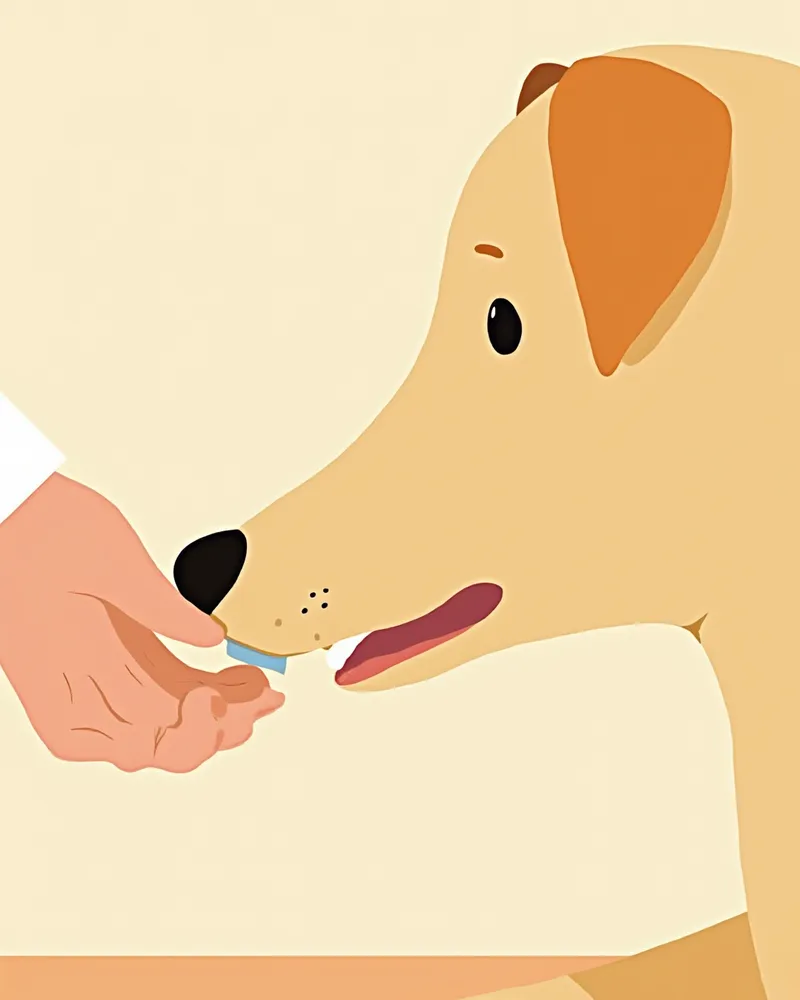
Situations Requiring Immediate Emergency Room Visit
If any of the following apply, do not wait to monitor your pet’s condition—head to a veterinary clinic immediately: pale or bluish gums, unresponsiveness or lack of reaction when called by name, weakness immediately after a traffic accident or fall, persistent severe bleeding, vomiting, or diarrhea, or abnormally rapid and labored breathing (including open-mouth breathing or abdominal breathing). During transport, keep your pet warm with a blanket, and if there is a risk of vomiting, position them on their side to keep the airway clear.
Hypovolemic Shock: Causes and How to Respond
Cardiogenic Shock: Why Fluids Can Be Dangerous
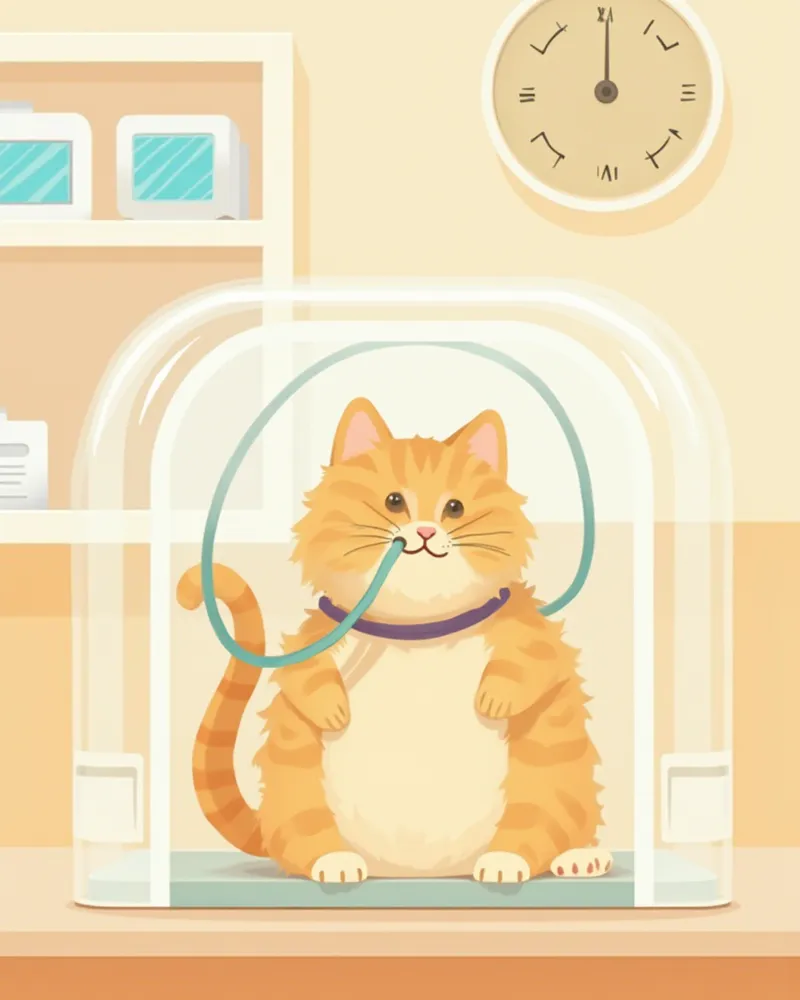
Cats Show Different Signs of Shock
Unlike dogs, cats often experience a slower heart rate in the early stages of shock. According to feline emergency medicine textbooks, it is common for cats under stress to simultaneously develop hypothermia, bradycardia, and hypotension. This makes it easy to mistakenly assume that a cat appearing merely lethargic is fine, only to miss the critical window for intervention. Hiding and refusing to come out, feeling cold to the touch, and showing a dull response when called by name are classic signs of feline shock. You should wrap your cat in a blanket to maintain body temperature and transport them to the hospital immediately.
Three Things Owners Can Do Before Transporting to the Hospital

Reviewed by a veterinarian

Dr. Tony — Punnawat Phongkittirak
VeterinarianA veterinarian who majored in veterinary medicine at Khon Kaen University, Thailand, and completed the IVSA program at North Carolina State University in the United States. Drawing on clinical experience at animal hospitals, he works in the pet healthcare field and is dedicated to building a digital care environment that connects pet parents with veterinarians.
Reviewed 2026-04-27
Frequently Asked Questions
I suspect my pet is in shock, but there’s no vet clinic nearby. What should I do?
Can I give water or sugar water to a pet in shock?
My dog has heart disease. If they go into shock, should I still give them their regular medication?
Can there be lingering effects even after recovering from shock?
Should anaphylactic (allergic) shock be managed in the same way?
Share
Related Guides

Coenzyme Q10 Benefits and Administration Guide

Dog Pulmonary Edema Warning — 7 Best Diuretics (Furosemide) for Heart Management

7 Best Prescription Diets for Feline Heart Disease Recommended by Veterinarians — Criteria for Choosing Low-Sodium Food

Why Is My Dog Scratching So Much? — Allergy Causes and How to Choose Care Products

Post-Blood Donation in Dogs and Cats: Warning Signs of Side Effects You Must Not Miss and How to Respond

Our Dog Was Stung by a Bee — Anaphylactic Shock Warning Signs and Immediate Response

If Your Dog or Cat Suddenly Swells and Collapses — Emergency Signs of Food Anaphylaxis and Immediate Response

Dog and Cat Heavy Metal Emergency Response Guide — Lead and Zinc Exposure Symptoms, Treatment, and Prevention

Emergency Response Guide for Dogs and Cats Exposed to Gas Leaks

If Your Pet Was Hit by a Vehicle — Immediate First Aid and When to Go to the Vet
References
[1] de Laforcade A, Silverstein DC. Classification and Initial Management of Shock States. Small Animal Critical Care Medicine, 3rd Ed.
[2] Feline Emergency and Critical Care Medicine, 2nd Ed. Shock chapter.
[3] Advanced Monitoring for Small Animal Emergency and Critical Care, 2nd Ed.