Like
Share
멍실장
고양이가 잘 먹는데 체중이 줄어요 — 갑상선·당뇨 의심 가이드

Cat Losing Weight Despite Eating Well — Guide to Suspecting Hyperthyroidism and Diabetes

EndocrineSymptomsMeongsiljang Veterinary Advisory Board

If your cat is losing weight despite having a normal or even increased appetite, you should suspect endocrine or neoplastic conditions such as hyperthyroidism, diabetes mellitus, or small intestinal lymphoma. For cats aged seven years or older, don’t dismiss this as simple aging; differentiating the cause through blood tests is the first step toward a speedy recovery.

What Is Feline Weight Loss? Reasons for Losing Weight Despite Eating Well

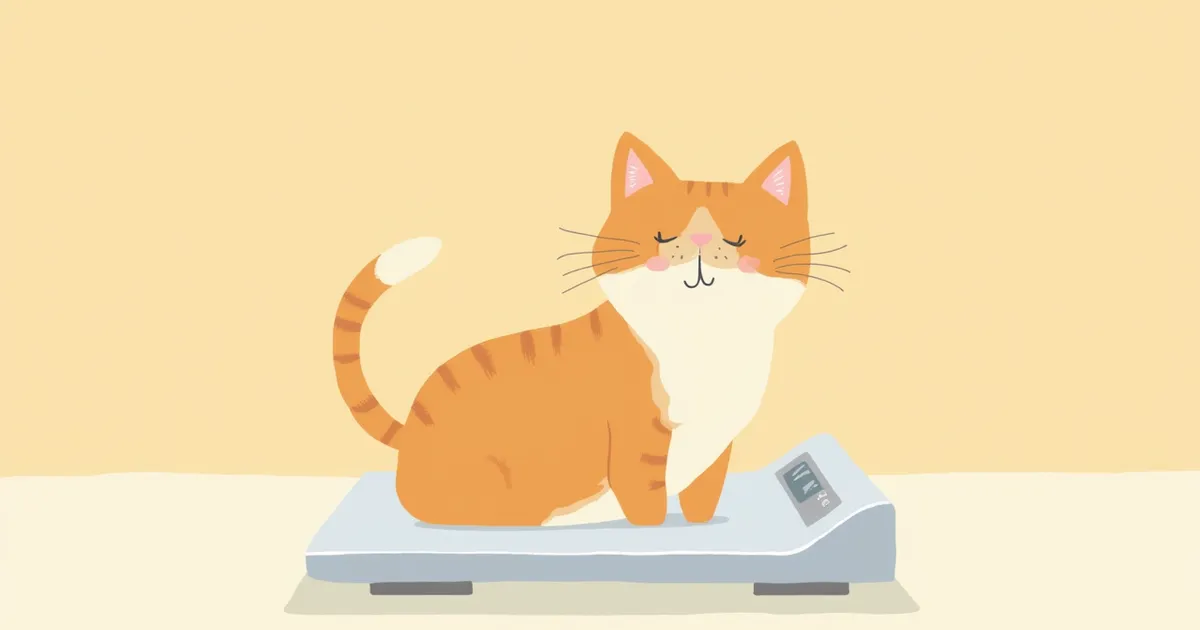
A senior cat sitting on a digital scale to measure its weight.
In cats, weight loss is a metabolic disorder characterized by a loss of more than 5% of body weight within four weeks, even when appetite is normal or increased. The most critical step is identifying the underlying cause. In cats aged seven years or older, if the cat is eating well but still losing weight, endocrine or neoplastic diseases such as hyperthyroidism, diabetes mellitus, or small intestinal lymphoma should be suspected first. Dismissing the symptoms as simple aging can delay diagnosis and lead to complications. The first step is a senior panel test, which simultaneously evaluates serum T4, blood glucose, serum biochemistry, and urinalysis.

Weight Loss Stages and Urgency — Where Does My Cat Stand?

ItemStage 1 ObservationStage 2 CautionStage 3 Emergency
Weekly weight loss rateUnder 1%1–2%3% or more
Appetite statusNormal or slightly increasedIncreased or fluctuatingSudden decrease/refusal
Accompanying symptomsNonePolydipsia/polyuria, increased appetiteVomiting, lethargy, labored breathing
Behavioral changesAlmost noneDecreased grooming, restlessnessHiding, decreased consciousness
Recommended responseRoutine checkup within 1 monthBlood test within 2 weeksSame-day 24-hour emergency room

For a 4 kg cat, a loss of 40 g or more per week is a meaningful change. Measure with the same scale at the same time for accuracy.

Cat Losing Weight Despite Eating Well — 7-Sign Checklist
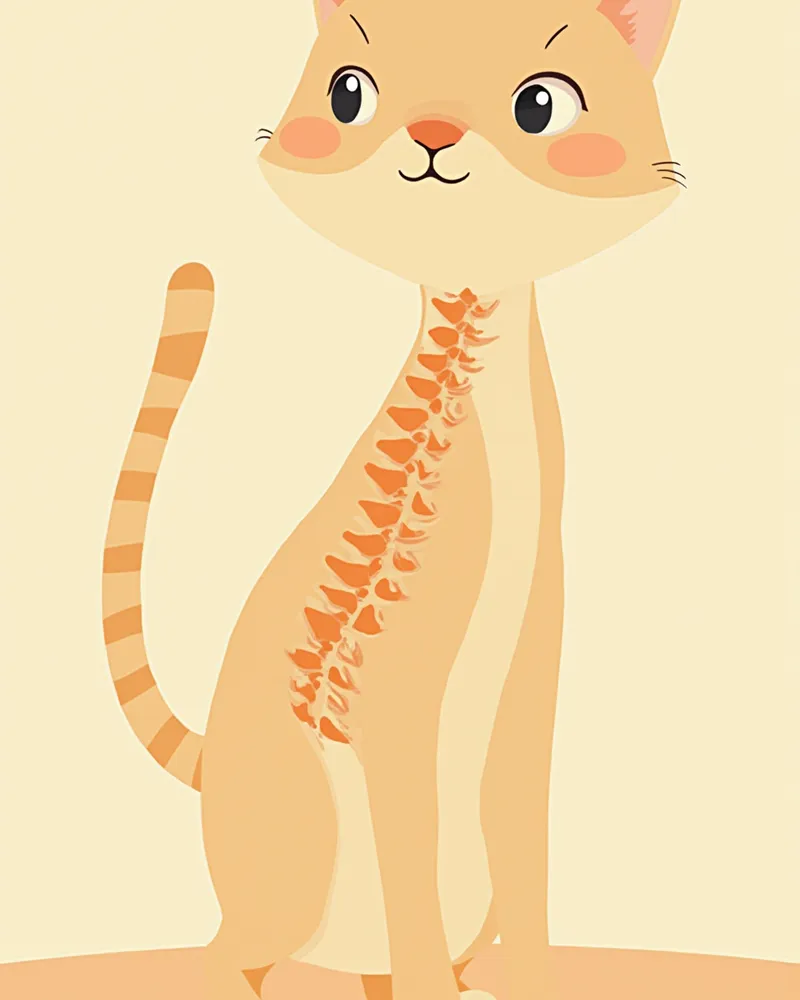
If you notice two or more of the following signs, suspect an endocrine disorder and seek prompt veterinary testing. - Polydipsia and polyuria: The water bowl empties faster than usual, and you find yourself changing the litter more frequently. - Increased appetite: Your pet begs for food more often and eats larger portions than usual. - Changes in activity level: Restlessness or nighttime vocalization, or conversely, lethargy. - Dull coat: Reduced grooming leads to a dry, matted, or unkempt coat. - Muscle wasting: The spine, pelvic bones, and shoulder blades become prominently visible or palpable. - Vomiting or diarrhea: These can be accompanying signs of hyperthyroidism or lymphoma. - Advanced age (7 years or older): This is the life stage when the risk of endocrine disorders increases sharply.
A senior cat with prominent spine and hip bones due to being underweight

Emergency Signs Requiring Immediate Veterinary Attention

If a cat that usually eats well suddenly loses its appetite, vomits, and becomes lethargic, it may be suffering from diabetic ketoacidosis (DKA) or a thyroid crisis. Rapid breathing, a drop in body temperature, and a sweet (acetone) odor in the urine indicate an emergency condition with a risk of death within 24 hours. Pale gums or visible jaundice also require immediate transport. Go directly to a 24-hour animal hospital, even at night.

Cause 1 — Hyperthyroidism (Most Common in Cats Aged 10+)

Hyperthyroidism is an endocrine disorder in which the thyroid gland overproduces thyroid hormones (T4 and T3), causing abnormally accelerated metabolism throughout the body. It is the most common endocrine disease in older cats, affecting approximately 10% of cats aged 10 years and older. A hallmark sign is weight loss despite a good appetite, as the heightened metabolic rate rapidly burns calories. - Diagnosis: The primary diagnostic test is measuring serum T4 (total thyroid hormone) levels. - Treatment: Four treatment options are available, and the most suitable approach is selected based on the individual cat’s condition: oral antithyroid medication (methimazole), thyroidectomy surgery, radioactive iodine (I-131) therapy, or a prescription iodine-restricted diet. - Prognosis: With early diagnosis and consistent management, the prognosis is generally favorable.

Cause 2 — Diabetes Mellitus (Common in Obese Neutered Males)

Feline diabetes mellitus is a condition in which insufficient insulin secretion or impaired insulin action prevents blood glucose from entering cells, causing it to be excreted in the urine. Despite adequate food intake, the body fails to produce energy and instead breaks down muscle and fat, leading to rapid weight loss. This disease is relatively common in obese, neutered male cats. - Three main symptoms: Polydipsia (excessive thirst), polyuria (excessive urination), and weight loss occur simultaneously. - Diagnosis: Fasting blood glucose, fructosamine levels, and urinalysis for ketones and glucose. - Treatment: Subcutaneous insulin injections twice daily combined with a prescription low-carbohydrate diet. - Possibility of remission: With early diagnosis and careful blood glucose management, some cats may achieve remission, allowing them to discontinue insulin therapy.
A cat drinking water from a fountain-style water dispenser

Cause 3 — Lymphoma, Chronic Kidney Disease, Parasites

Another reason your cat may lose weight despite eating well. In either case, a blood test and abdominal ultrasound are needed to differentiate the cause. - Small intestinal lymphoma: A common gastrointestinal tumor in older cats, often accompanied by chronic vomiting and diarrhea along with weight loss (note that vomiting and diarrhea may be absent, so caution is required) - Chronic kidney disease (CKD): Common in older cats, starting with increased thirst and urination, then progressing to decreased appetite and weight loss - Inflammatory bowel disease (IBD): Chronic malabsorption leads to weight loss even with normal food intake - Internal parasites: Roundworm or tapeworm infections steal nutrients — more common in young cats and outdoor cats - Mega colon and dental pain: Unexpected causes, but they should be checked during the initial examination

For Cats Aged 7 and Older, Regular Checkups Are the Answer

Endocrine disorders often present with subtle early symptoms, making them difficult for pet owners to notice. For cats aged seven years and older, the most reliable way to ensure early diagnosis is to undergo a senior health panel—including a complete blood count (CBC), serum biochemistry, T4, and urinalysis—every six to twelve months. Weighing your cat at the same time each week on the same scale and recording the results can help detect changes as small as those occurring within a single week. A small kitchen scale is sufficient for this purpose.

Home Care Management Points

After diagnosis, home care plays a major role in determining the prognosis. - Weight log: Measure once a week on the same scale at the same time (fasting) and record the results on a graph. - Feeding management: Provide a measured amount of prescription food; free-feeding is prohibited. - Hydration: Monitor daily water intake and consider using a fountain-style water dispenser. - Insulin and medication schedule: Administer at the same time every day, maintaining a 12-hour interval. Never double the dose if a dose is missed. - Minimize stress: Reduce exposure to environmental changes and unfamiliar visitors. - Follow-up visits: For thyroid and diabetes conditions, adjust dosages based on blood tests every 1 to 3 months. If you’re interested in senior regular check-up items, please refer to the Cat Senior Health Checkup Guide.

Reviewed by a veterinarian

Dr. Tony — Punnawat Phongkittirak

Dr. Tony — Punnawat Phongkittirak

Veterinarian

A veterinarian who majored in veterinary medicine at Khon Kaen University, Thailand, and completed the IVSA program at North Carolina State University in the United States. Drawing on clinical experience at animal hospitals, he works in the pet healthcare field and is dedicated to building a digital care environment that connects pet parents with veterinarians.

Frequently Asked Questions

How can you detect weight loss in your cat within a few days?
Measure your cat’s weight at least once a week, using the same scale and at the same time of day, and record the results on a graph. A loss of 5% or more within four weeks is considered significant. For a 4 kg cat, a weight loss of 200 g warrants veterinary examination.
If a cat is eating well but losing weight, does that automatically mean it has hyperthyroidism?
Not necessarily. While hyperthyroidism is the most likely cause in cats over seven years old, diabetes mellitus, small intestinal lymphoma, and chronic parasitic infections can present with similar symptoms. To make an accurate differential diagnosis, we need to evaluate serum T4, blood glucose, BUN/creatinine, and a complete blood count (CBC) together.
Can cats lose weight naturally through diet, just like people?
If you haven’t intentionally adjusted your pet’s diet, it’s very rare for them to lose weight while still eating well. In almost all cases, an underlying medical condition is the cause.
Do thyroid medications for hyperthyroidism need to be given for life?
Oral antithyroid medication (methimazole) is typically prescribed for lifelong use. However, radioactive iodine (I-131) therapy is a curative treatment that can resolve the condition with a single session, allowing you to stop the medication. This treatment is available at select university veterinary hospitals in Korea.
Is it okay for diabetic cats to eat regular cat food?
I don't recommend it. High carbohydrate content can cause significant blood sugar fluctuations, making it difficult to adjust insulin dosage. The standard for diabetic prescription diets is low in carbohydrates and high in protein.

Share

Related Guides

References

[1] Feldman EC, Nelson RW, Reusch CE, Scott-Moncrieff JC. Canine and Feline Endocrinology, 4th Ed. Saunders Elsevier, 2015. Ch. Hyperthyroidism in Cats / Feline Diabetes Mellitus

[2] Ettinger SJ, Feldman EC, Cote E. Textbook of Veterinary Internal Medicine, 8th Ed. Elsevier, 2017

[3] BSAVA Manual of Canine and Feline Endocrinology, 4th Ed. British Small Animal Veterinary Association, 2012

[4] Mooney CT, Peterson ME. Feline Hyperthyroidism: A Practical Guide. Journal of Feline Medicine and Surgery, 2022

This information is based on veterinary literature and does not replace diagnosis or treatment. Please consult a veterinarian for specific health concerns.

Metapet Co., Ltd. | CEO: Park Sung-yong | Business Reg. No. 417-88-02562 | Seoul, South Korea | Customer Center

Cat Losing Weight but Eating Well? Hyperthyroidism vs Diabetes | Meongsiljang