Like
Share
멍실장
차가운 발·귀 (저체온증 신호)

Cold Paws and Ears (Hypothermia Signs)

ImmunitySymptomsMeongsiljang Veterinary Advisory Board

Cold paws and ears in dogs and cats can be early signs of hypothermia. Here’s what normal body temperature looks like and how to respond at each stage.

Cold Paws and Ears May Be the First Sign of Hypothermia
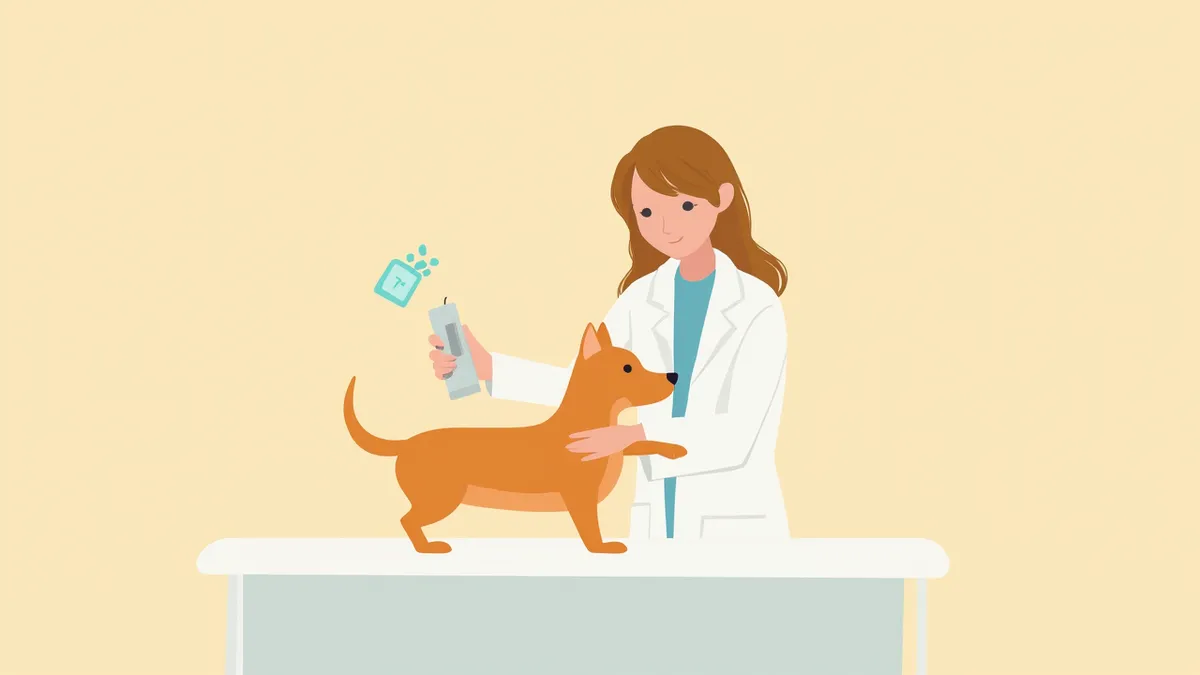
A veterinarian checking the temperature of a dog's paws and ears
Cold paws and ears in pets can be an early sign of hypothermia, as the body constricts peripheral blood vessels to preserve core temperature. This vasoconstriction can begin before the core temperature actually drops, which is why the tips of the paws and ears often feel cold first. The most important step is to take a prompt rectal temperature. A normal range is 38.1–39.2°C; a rectal temperature below approximately 37.9°C indicates hypothermia. If this is accompanied by shivering, lethargy, or pale gums, immediately begin warming measures and seek veterinary care.

Hypothermia Stages by Severity

According to standard veterinary emergency medicine textbooks, hypothermia is classified into three stages based on rectal temperature. As the stage progresses, the risk of cardiac arrhythmias and decreased consciousness increases, so it’s important to distinguish between stages that can be managed with home warming and those that require immediate transport to a veterinary clinic. Check the table below for a quick reference.

Hypothermia Stages Based on Rectal Temperature

ItemMildModerateSevere
Rectal temperature32–37.9°C28–32°C20–28°C
Main symptomsShivering, piloerection (raised fur), ataxia, peripheral vasoconstrictionChange in mental status (consciousness), weakened shivering, hypotensionLoss of shivering, severe central nervous system depression, loss of consciousness
MeasuresWrap in a blanket for passive warming, move to a warm indoor spaceActive external warming + immediate hospital visitCore warming while transporting to the emergency room immediately

Based on a normal body temperature of 38.1–39.2°C. The severity of hypothermia is judged not only by temperature but also by clinical signs such as the presence of shivering and consciousness (mental status) (functional classification). The most accurate temperature is rectal temperature.

Signs to Check Right Now

If two or more of the following signs appear simultaneously, hypothermia should be strongly suspected: - Cold extremities: The paw pads and spaces between the toes feel colder than the back of your hand. - Cold ear tips: The temperature at the edges of the ears is noticeably lower than that of the torso. - Shivering: Chills persist for more than five minutes. - Pale gums: The pink color fades and takes on a grayish hue. - Sluggish response: The pet responds slowly when called by name.
A hand checking the temperature of a puppy's paw pads

Go to the Emergency Room Immediately in These Cases

If your pet’s rectal temperature drops below 32°C (89.6°F), if shivering suddenly stops and consciousness becomes clouded, if the gums turn pale or bluish, or if breathing becomes very slow or the heartbeat irregular, home warming measures alone are not enough and can be dangerous. During transport, keep your pet wrapped in a blanket to prevent further heat loss.

The Cause Is Not Just One
Hypothermia can result from a variety of causes beyond mere exposure to cold environments. Young puppies and kittens, senior pets, short-haired breeds, and small dogs are more susceptible because they have a reduced ability to maintain their body temperature. Cold paws and ears are also commonly observed in the immediate post-anesthesia recovery period, after major surgery, during shock or hemorrhage, and in pets with chronic conditions such as hypothyroidism or kidney failure.
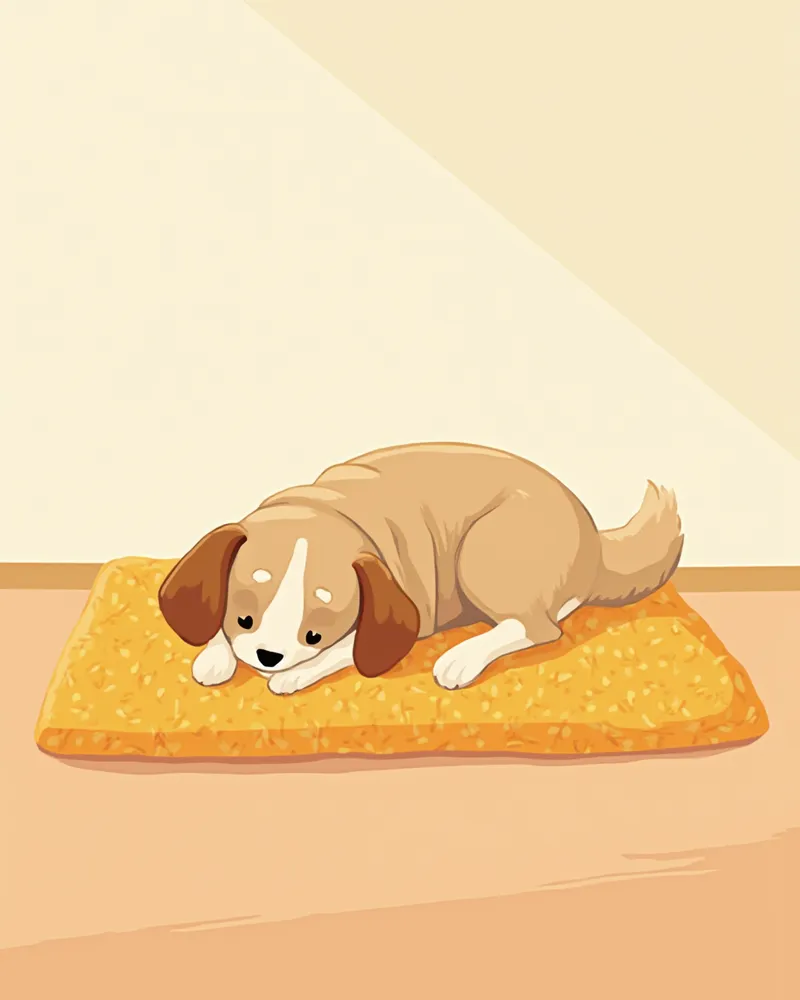
An elderly dog resting on a heated mat

Step-by-Step Home Care Measures

1) Move your pet to a warm indoor environment (22–25°C) immediately. 2) Dry your pet’s body thoroughly with a towel to remove all moisture. 3) Wrap the torso and paws in a blanket or clothing, leaving the head exposed. 4) Place a warm water bottle (around 40°C), wrapped in a towel, against the armpits and groin. Never allow direct skin contact, as this poses a risk of burns. 5) If your pet is fully conscious, offer small amounts of lukewarm water. If shivering persists or consciousness becomes impaired, do not feed or give water; seek veterinary care immediately.

Cats Show More Subtle Signs

In the early stages of hypothermia, cats may exhibit nonspecific signs such as lethargic curling up, decreased appetite, and reduced responsiveness, making it difficult for owners to notice. If your cat is curled up in a corner more than usual, has cold paws and ears, or shows diminished appetite and responsiveness, check its body temperature first. A cat’s normal body temperature ranges from 38.1 to 39.2°C (100.6 to 102.6°F); if it drops below approximately 37.9°C (100.2°F), it is considered hypothermic and requires active warming. The severity of hypothermia in cats can also be assessed based on clinical signs such as the presence or absence of shivering and level of consciousness.

Prevention and Recurrence Prevention Tips

During winter walks, shorten the duration as temperatures drop and use protective boots or clothing to shield your pet’s paw pads. After bathing, thoroughly dry your pet with a blow dryer, ensuring the undercoat is completely dry. For senior pets or those with chronic conditions, have thyroid hormone and kidney function levels checked during regular health screenings. After anesthesia and surgery, it’s also a good idea to ask your veterinarian whether the recovery room is adequately heated.
A dog going for a walk wearing winter clothes and boots.

Reviewed by a veterinarian

Dr. Tony — Punnawat Phongkittirak

Dr. Tony — Punnawat Phongkittirak

Veterinarian

A veterinarian who majored in veterinary medicine at Khon Kaen University, Thailand, and completed the IVSA program at North Carolina State University in the United States. Drawing on clinical experience at animal hospitals, he works in the pet healthcare field and is dedicated to building a digital care environment that connects pet parents with veterinarians.

Frequently Asked Questions

Is it okay if only the paws are cold and there are no other symptoms?
If your pet has been inactive or briefly exposed to cold, the chill may be temporary. However, if their rectal temperature is below approximately 37.9°C (normal range: 38.1–39.2°C) and they exhibit shivering or lethargy, hypothermia should be suspected.
Is it safe to use a hair dryer to warm them up directly?
Pointing a strong hot-air stream at one spot for too long can cause burns. It’s safer to use a gentle breeze from a distance, drying the body evenly, and to combine this with a warm water bottle wrapped in a towel.
Do I really have to take my pet’s temperature rectally?
The most accurate body temperature measurement according to veterinary standards is the rectal temperature. While ear and axillary (armpit) temperatures may correlate with rectal readings, they are not interchangeable and should only be used as rough references. When an accurate assessment is needed, always measure the rectal temperature.
Are puppies at greater risk?
Yes, newborn animals have difficulty regulating their body temperature and are highly susceptible to hypothermia. Smaller or thinner-bodied animals are also more prone to it, so if you notice cold paws or ears, provide immediate warmth and consult a veterinarian.
What should you do while in the car on the way to the emergency room?
Turn on the car heater and wrap the pet in a blanket or clothing. Place a warm water bottle wrapped in a towel against their side, and never give food or water to a pet with altered consciousness.

Share

Related Guides

References

[1] Small Animal Critical Care Medicine, 3rd Ed — Hypothermia and Rewarming Chapter

[2] Brodeur A, Wright A, Cortes Y. Hypothermia and targeted temperature management in cats and dogs. J Vet Emerg Crit Care, 2017;27:151-163

[3] Advanced Monitoring for Small Animal Emergency and Critical Care, 2nd Ed

This information is based on veterinary literature and does not replace diagnosis or treatment. Please consult a veterinarian for specific health concerns.

Metapet Co., Ltd. | CEO: Park Sung-yong | Business Reg. No. 417-88-02562 | Seoul, South Korea | Customer Center

Signs of Hypothermia in Pets: Cold Paws & Ears and Emergency First Aid | Meongsiljang