
If Your Dog Is Squinting — Suspect Corneal Injury and Signs to Seek Veterinary Care
When your dog squints or keeps its eyes partially closed, it’s a sign that something may be wrong with its eyes. Here’s a step-by-step guide to handling the issue based on the cause, along with clear indicators for when to seek immediate veterinary care.
Is Your Dog Squinting? What to Check Right Now
Step-by-Step Guide to Handling Squinting by Severity
| Item | Main symptoms | Recommended action |
|---|---|---|
| Stage 1 (Mild) | Occasional squinting, slight tearing, clear eye | Observe for 4–6 hours |
| Stage 2 (Moderate) | Frequent squinting, increased discharge/tearing, redness | See a vet within 24 hours |
| Stage 3 (Severe) | Eye kept closed, cloudy cornea, swollen eye | See a vet immediately |
| Emergency | Bulging eye, severe pain, suspected vision loss | Go to an emergency vet immediately |
If it's hard to tell the stages apart, use 'how often and how long the squinting lasts' as your guide.
Checklist of Accompanying Symptoms
Signs You Need to Go to an Emergency Veterinary Clinic Immediately
If any of the following signs are present, do not wait at home—seek veterinary care immediately. Corneal ulcers, glaucoma, and uveitis can cause vision loss within hours. • The eye appears larger than normal or bulging • The cornea (the clear front surface of the eye) looks cloudy or white • The eye is completely closed and the pet refuses to open it • Severe swelling around the eye • Extreme pain when attempting to touch the eye
Causes of Squinting — Surface Eye Issues
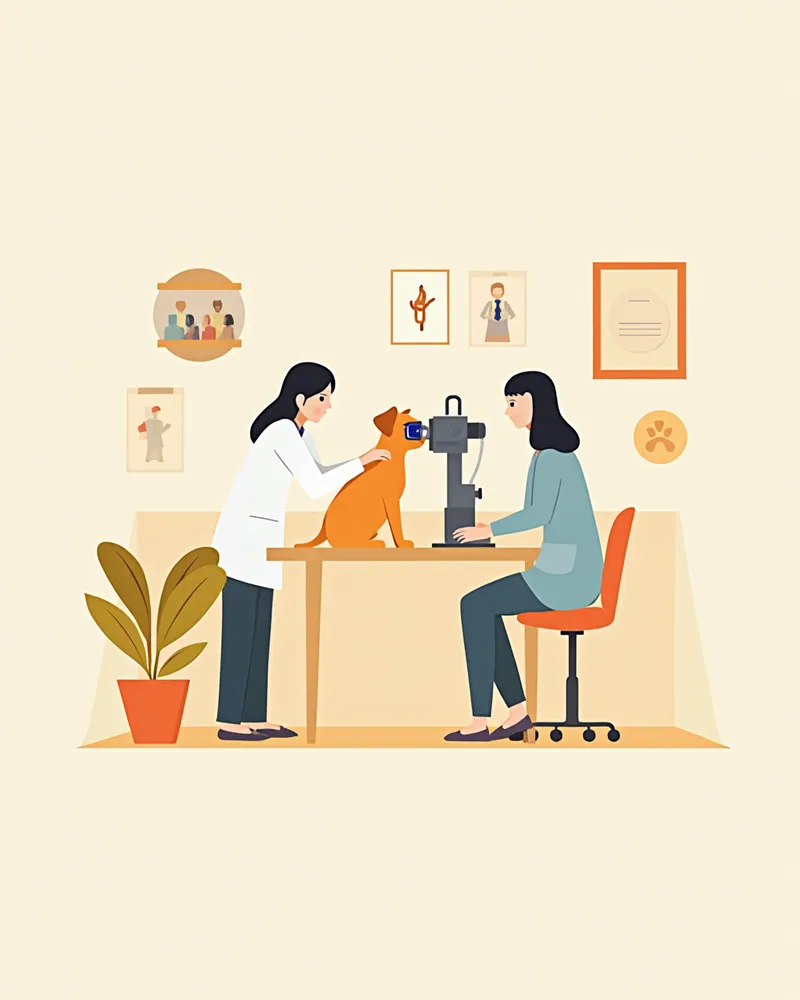
Causes of Squinting — Internal and Structural Eye Issues
What You Can Do at Home — Do Only This
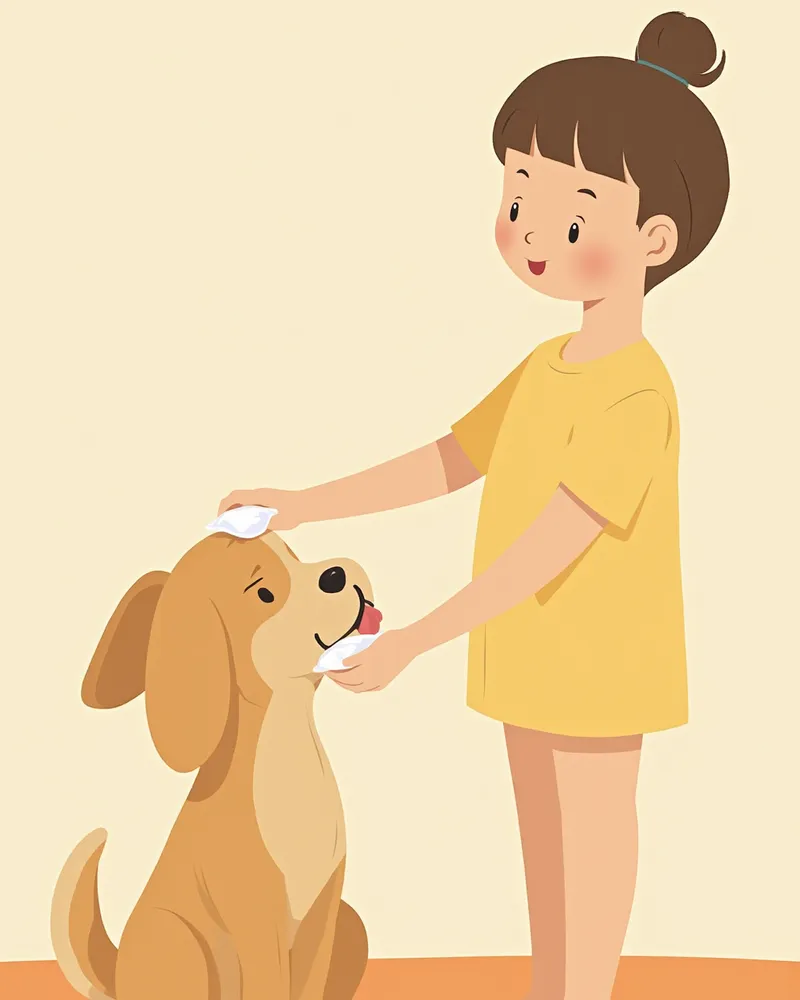
Brachycephalic and Proptotic Breeds Require Extra Caution
Brachycephalic breeds with flat faces and prominent eyes, such as Pugs, Shih Tzus, Pekingese, and French Bulldogs, have a larger exposed corneal surface area due to their anatomy. This makes them more prone to corneal injuries compared to other breeds, and their eyelids may not close completely, leading to increased dryness. In these breeds, even slight squinting should prompt immediate evaluation for potential corneal ulcers. Observing symptoms at home for several days can be risky.
Diagnostic and Treatment Process at the Veterinary Clinic
Reviewed by a veterinarian

Dr. Tony — Punnawat Phongkittirak
VeterinarianA veterinarian who majored in veterinary medicine at Khon Kaen University, Thailand, and completed the IVSA program at North Carolina State University in the United States. Drawing on clinical experience at animal hospitals, he works in the pet healthcare field and is dedicated to building a digital care environment that connects pet parents with veterinarians.
Reviewed 2026-05-28
Frequently Asked Questions
My dog is squinting, but there’s no eye discharge. Is that okay?
My pet suddenly squints after a walk. Could something have gotten in their eye?
Can I use human artificial tears for my pet?
My pet squints with only one eye. Is it more serious when the eyes look different?
Does entropion require surgery?
Share
Related Guides
Top 5 Dog Tear Supplements Recommended for 2026
What is Lutein? Effects on Dog Eye Health
The Best Canine Uveitis Management Products and Selection Criteria: A Comprehensive Guide
Causes of Frequent Urination in Dogs
Heartworm Infection Symptoms and Treatment
If Your Dog or Cat Falls from a Height — Dangerous Internal Injury Signs Even If They Look Fine
Causes and Treatment of Canine Paw Eczema
Causes of Cat Vomiting and How to Respond
My Dog Vomited — Should I Go to the Vet Now or Wait?
Dog Allergy Symptoms and Management
References
[1] Maggs DJ, Miller PE, Ofri R. Slatter's Fundamentals of Veterinary Ophthalmology. 6th ed. Elsevier; 2017.
[2] Ettinger SJ, Feldman EC, Côté E. Textbook of Veterinary Internal Medicine: Diseases of the Dog and the Cat. 8th ed. Elsevier; 2017.
[3] Brooks DE, Plummer CE. Clinical Atlas of Canine and Feline Ophthalmic Disease. 2nd ed. Wiley-Blackwell; 2022.
[4] Nelson RW, Couto CG. Small Animal Internal Medicine. 6th ed. Elsevier; 2019.