Like
Share
멍실장
고양이가 과하게 우는 이유

Why Your Cat Is Meowing Excessively

Brain & CognitionSymptomsMeongsiljang Veterinary Advisory Board

We’ve outlined the behavioral and medical causes to consider when a cat meows excessively, along with steps owners can take to help.

If Your Cat Suddenly Starts Meowing a Lot, There’s a Reason
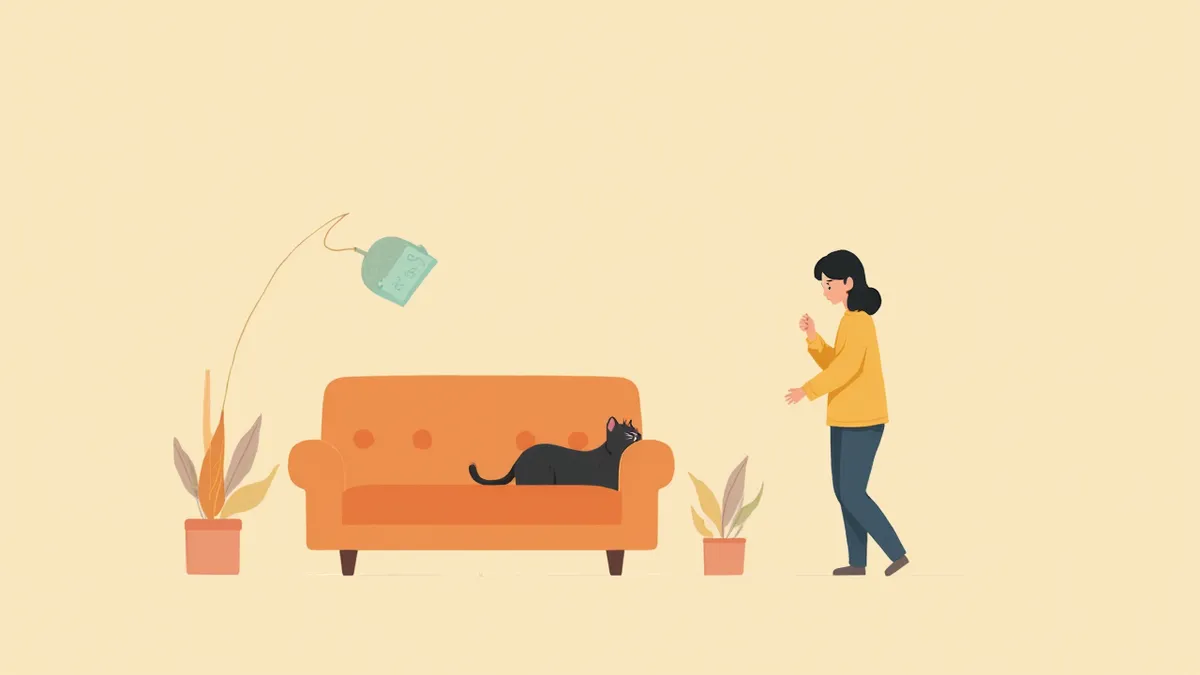
A worried pet owner looking at their cat crying on the sofa
When a cat suddenly starts meowing excessively, it’s not just a behavioral quirk. The causes can range from behavioral factors like hunger or attention-seeking to medical conditions such as hyperthyroidism or cystitis. If you notice changes in the frequency, intensity, or timing of your cat’s vocalizations, it may be a sign of an underlying health issue. This is especially true if a previously quiet cat begins meowing more often or if the character of the meow itself has changed—these changes warrant a thorough investigation to identify the root cause.

Urgency Levels of Cat Meowing

Cat meowing can be categorized into three levels based on urgency. Check which level applies to your cat.
LevelMeowing PatternResponse
ObservationShort meows around meal timesObserve while recording patterns
CautionFrequent meowing throughout the day, with a noticeable increase in frequencyConsult a veterinarian within 1–2 weeks
EmergencyContinuous meowing through the night or cries resembling screamsVisit a clinic immediately
Recording a meowing diary for 3–5 days can be very helpful during veterinary consultations.

When Caution Is Needed for This Type of Meowing
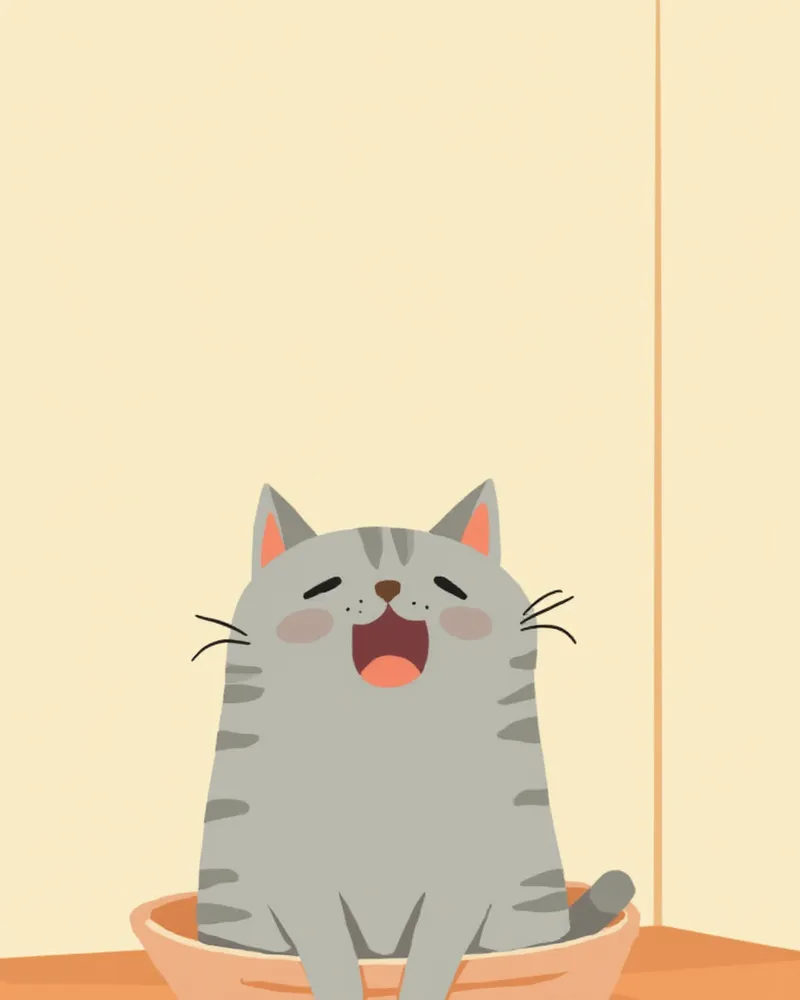
If your pet exhibits two or more of the following signs, we recommend consulting a veterinarian:
Repeated nighttime vocalization: Crying repeatedly between 2 and 5 a.m. This may be a sign of pain or cognitive decline.
Changes in vocal tone: A higher-pitched, hoarse, or scream-like cry that differs from their usual sound should raise suspicion of pain.
Accompanied by appetite changes: Crying while refusing food, or continuing to cry despite eating.
Vocalization around elimination: Crying near the litter box or bathroom area may indicate urinary tract issues.
Sudden changes: A previously quiet pet suddenly begins crying excessively within a few days.
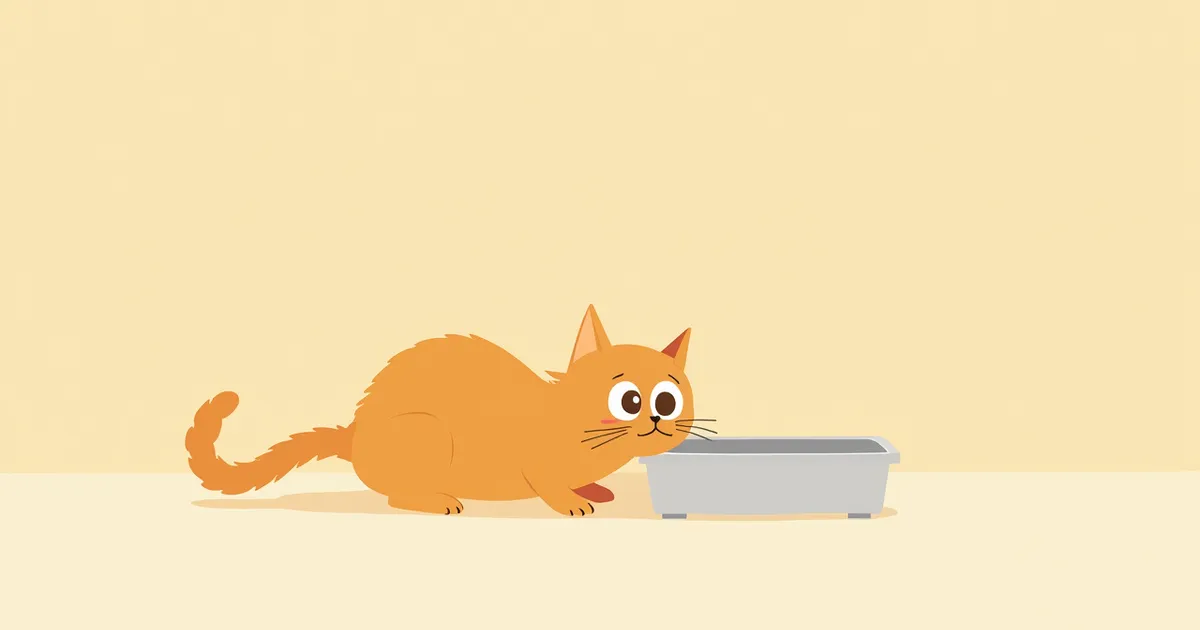
A gray cat crying with an uncomfortable expression near the bathroom.

When to Visit the Vet Immediately

If your cat is vomiting, having diarrhea, or passing blood in its urine while crying out in pain, or if it cries out in extreme pain when you touch its abdomen, you should visit an emergency clinic immediately. In particular, if a male cat is straining and crying while using the litter box, there may be a urethral obstruction. Urethral obstruction is a life-threatening emergency that requires immediate treatment and should never be delayed.

Behavioral Causes: What Your Cat Is Trying to Say

A cat’s meow originally serves as a signal to its mother during kittenhood. When adult cats meow at people, it is a form of communication they have learned through living together.
Seeking attention: Cats may meow to express a lack of play or physical affection. This is common in indoor cats that spend long periods alone.
Hunger and routine expectations: Meowing around regular feeding times is one of the most common causes.
Stress and environmental changes: Changes such as moving, new family members, or rearranged furniture can trigger excessive meowing.
Estrus (heat): Unspayed or unneutered cats often meow loudly and persistently throughout the night during heat cycles. This behavior is typically resolved through spaying or neutering.

When Disease May Be the Cause

Excessive meowing can sometimes be a sign of an underlying medical condition. However, an accurate diagnosis requires a veterinarian to systematically rule out other potential diseases.
Internal Medicine Conditions in Senior Cats: Older cats are prone to various internal medical issues, which may cause increased vocalization alongside other physical symptoms. Conditions such as hyperthyroidism should be considered, making regular health check-ups essential for early detection.
Urinary Tract Disorders: Cats with urinary issues, such as feline idiopathic cystitis, may vocalize both inside and outside the litter box. Managing stress, ensuring adequate water intake, and controlling pain can help alleviate symptoms. Male cats, in particular, require close monitoring.
Pain and Discomfort: Meowing during movement or in specific positions may indicate pain. Since cats often hide their discomfort, please observe any changes in behavior alongside vocalizations.
Other Underlying Conditions: If increased vocalization is accompanied by confusion or aimless wandering, multiple underlying conditions may be present. In such cases, a veterinary examination is strongly recommended.
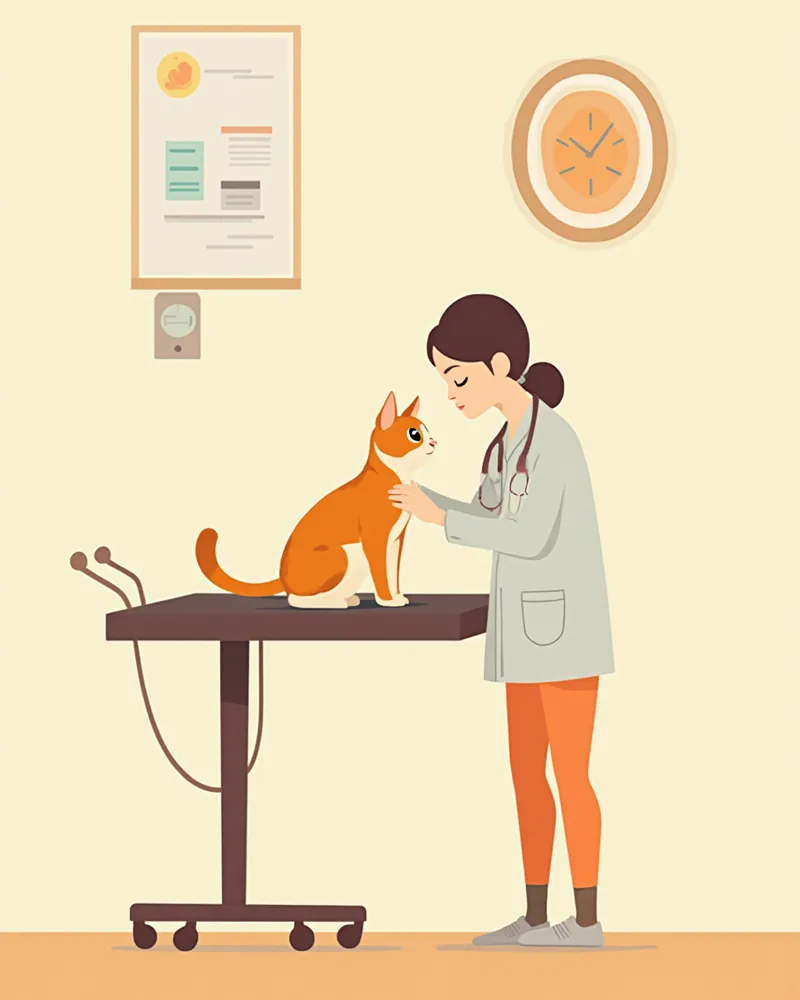
A cat being examined by a veterinarian at an animal hospital

Cognitive Decline in Senior Cats and Meowing

According to veterinary literature, feline cognitive dysfunction syndrome (CDS) can begin as early as around 10 years of age and primarily affects senior cats. It is similar to dementia in humans, and diagnosis is made through a process of ruling out other diseases.
Wandering and vocalizing at night: Disruptions in the sleep-wake cycle often lead to aimless wandering and crying in the early hours of the morning.
Staring blankly at walls and vocalizing: This anxious behavior stems from impaired sense of direction and spatial awareness.
Changes in interaction: Cats may alter how they interact with their family members, or suddenly become wary, hide, and cry.
Because other age-related conditions may co-occur, a comprehensive clinical examination by a veterinarian is especially important. Early detection of abnormal signs and consultation with a veterinarian are the first steps toward effective management.

Meowing Tendencies Vary by Breed

Breeds like Siamese, Oriental Shorthairs, and Bengals are naturally more vocal. However, you shouldn’t automatically dismiss excessive meowing just because your cat belongs to one of these breeds. What truly matters is how much their vocalization has increased compared to their usual baseline. Conversely, if a typically quiet breed such as a Russian Blue or British Shorthair suddenly starts meowing frequently, it requires even quicker attention.

What Owners Can Do
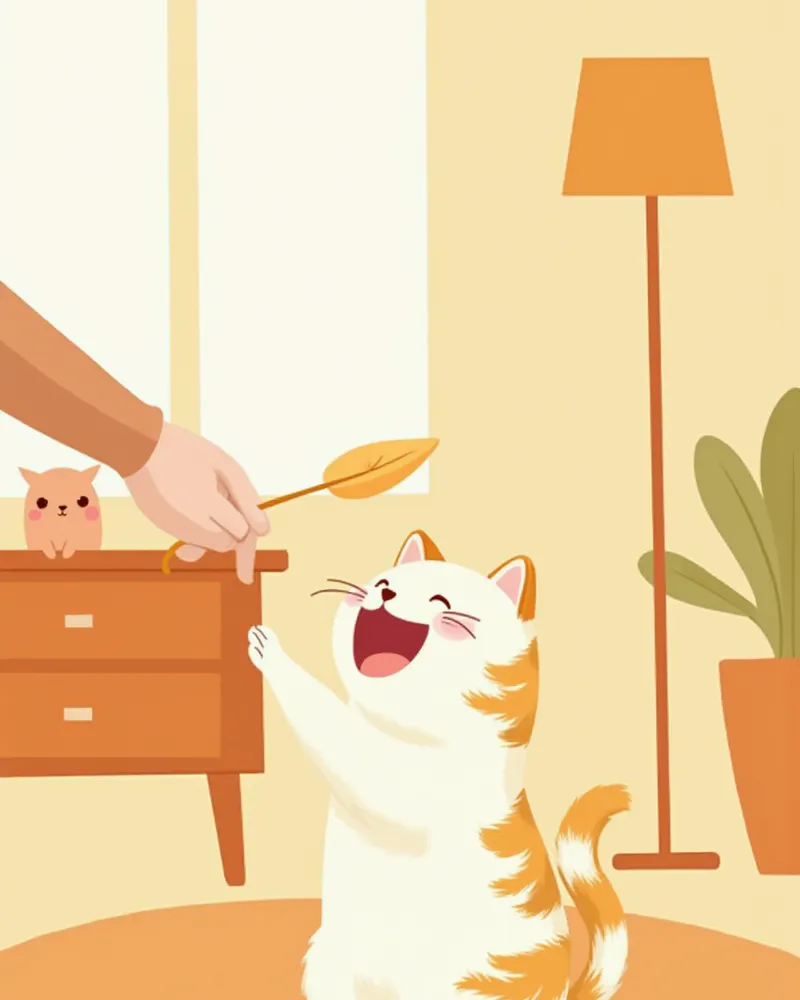
The approach depends on the underlying cause of the crying.
Environmental enrichment: Increase stimulation by providing cat trees, access to window views, and rotating toys. Consistent interactive play helps activate your cat’s brain and promotes emotional stability.
Consistent routine: Keeping feeding and playtimes regular can help reduce anxiety.
Responding to demand meowing: Reacting every time your cat cries can reinforce the behavior. It’s more effective to reward them when they are quiet.
Pheromone diffusers: Products that release feline facial pheromones may help alleviate stress-related crying.
Veterinary consultation: If the crying persists for more than two weeks or is accompanied by other symptoms, please schedule a veterinary visit.
A cat playing energetically with a feather toy alongside its owner

Reviewed by a veterinarian

Dr. Tony — Punnawat Phongkittirak

Dr. Tony — Punnawat Phongkittirak

Veterinarian

A veterinarian who majored in veterinary medicine at Khon Kaen University, Thailand, and completed the IVSA program at North Carolina State University in the United States. Drawing on clinical experience at animal hospitals, he works in the pet healthcare field and is dedicated to building a digital care environment that connects pet parents with veterinarians.

Frequently Asked Questions

Why does my cat only meow at night?
Nighttime vocalization can stem from several causes. It may be due to residual nocturnal instincts, insufficient daytime activity, cognitive decline in senior cats, or medical conditions such as hyperthyroidism. Ensure your cat gets plenty of playtime before bed, and consult a veterinarian if the behavior persists for more than two weeks.
My pet keeps crying even after being spayed/neutered. Is this normal?
Even after neutering, your pet’s vocalizations may not decrease right away. It can take several weeks for hormone levels to fully stabilize. However, if excessive crying persists beyond a month post-surgery, there may be another underlying cause, so please consult your veterinarian.
Is it okay to ignore a cat’s meowing?
If your pet is crying to get your attention, ignoring the behavior can help with training. However, if the crying pattern suddenly changes or is accompanied by other symptoms such as loss of appetite, vomiting, or abnormal bowel movements, do not ignore it—this could be a sign of illness.
Why is my kitten constantly crying?
Kittens express hunger, cold, loneliness, and anxiety through meowing. Those separated from their mother at an early age may meow more frequently. Providing adequate meals, a warm environment, and regular physical affection will help them gradually settle down.
Are there certain cat breeds that are more vocal than others?
Yes, Siamese, Oriental Shorthair, and Bengal cats are naturally more vocal. These breeds have a strong tendency to communicate with people, so their frequent meowing is normal. However, if the frequency or intensity of their meowing has noticeably increased compared to usual, it’s important to check for potential health issues.

Share

Related Guides

References

[1] Moelk M. Vocalizing in the house-cat: a phonetic and functional study. Am J Psychol. 1944;57:184–205.

[2] Carlstead K, Brown JL, Strawn W. Behavioral and physiological correlates of stress in laboratory cats. Appl Anim Behav Sci. 1993;38:143–158.

[3] Finka LR. Conspecific and human sociality in the domestic cat: Consideration of proximate mechanisms, human selection and implications for cat welfare. Animals. 2022;12(3):298.

[4] Ellis SL et al. The influence of body region, handler familiarity and order of region handled on the domestic cat's response to being stroked. Applied Animal Behaviour Science. 2015;173:60–67.

[5] Little SE. The Cat: Clinical Medicine and Management. 2nd ed. Elsevier Saunders; 2012.

This information is based on veterinary literature and does not replace diagnosis or treatment. Please consult a veterinarian for specific health concerns.

Metapet Co., Ltd. | CEO: Park Sung-yong | Business Reg. No. 417-88-02562 | Seoul, South Korea | Customer Center

Why Your Cat Is Meowing Excessively | Meongsiljang