Like
Share
멍실장
백신 부작용 응급 대응 가이드

Emergency Response Guide for Vaccine Side Effects

ImmunitySymptomsMeongsiljang Veterinary Advisory Board

We’ve compiled a clear overview of post-vaccination side effects by severity, criteria for identifying emergencies, and home care tips. Don’t miss the signs of anaphylaxis.

What Are Vaccine Side Effects?

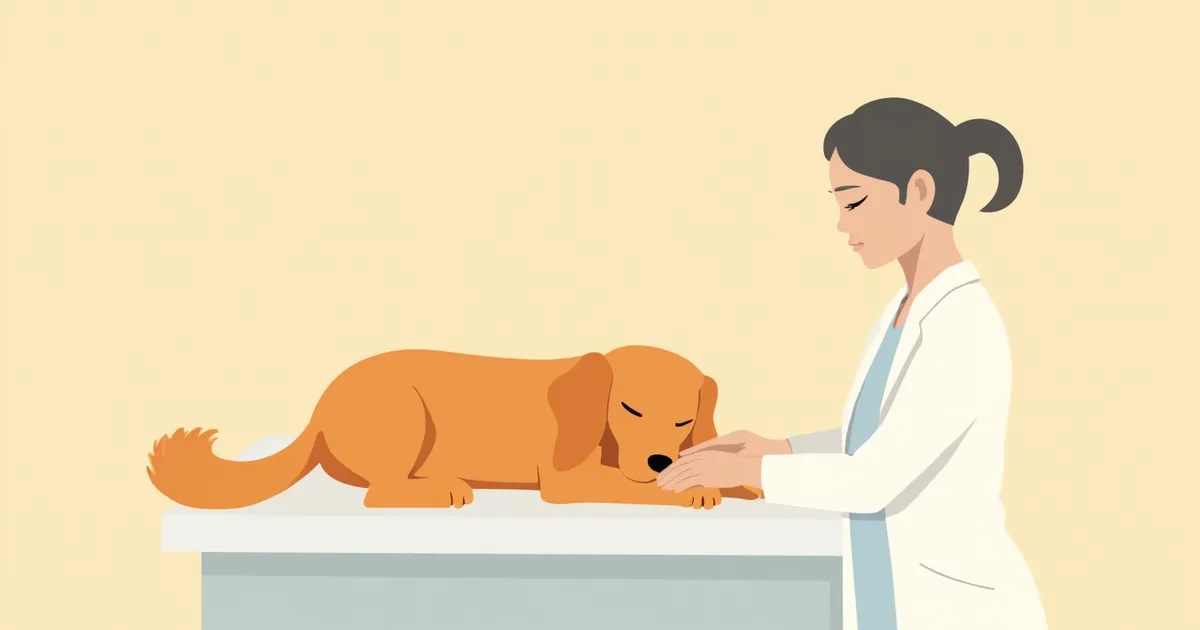
A dog resting comfortably at home after vaccination.
Vaccine side effects occur when the immune response after vaccination is excessive or abnormal, leading to symptoms such as vomiting, fever, swelling, or anaphylaxis. According to veterinary immunology textbooks, most of these adverse reactions are observed within three days (72 hours) after vaccination. Therefore, it is important to closely monitor your pet’s condition from 30 minutes after vaccination up to three days afterward. While most mild symptoms subside within one or two days, facial swelling, difficulty breathing, or decreased consciousness can become life-threatening within minutes and require immediate emergency care.

Classification of Vaccine Side Effects by Severity

ItemMildModerateSevere (Emergency)
Main symptomsSwelling/pain at injection site, lethargy, decreased appetiteRepeated vomiting/diarrhea, fever 39.5°C or higher, hivesFacial/lip swelling, respiratory distress, reduced consciousness, seizures
Onset timing12–24 hours after vaccination1–24 hours after vaccination30 minutes–4 hours after vaccination
ResponseObserve at homeSchedule a veterinary appointmentGo immediately to a 24-hour emergency animal hospital
Recovery period1–2 days2–5 daysVaries depending on progress after hospitalization

If symptoms overlap, assess at the higher grade.

Symptoms to Check For
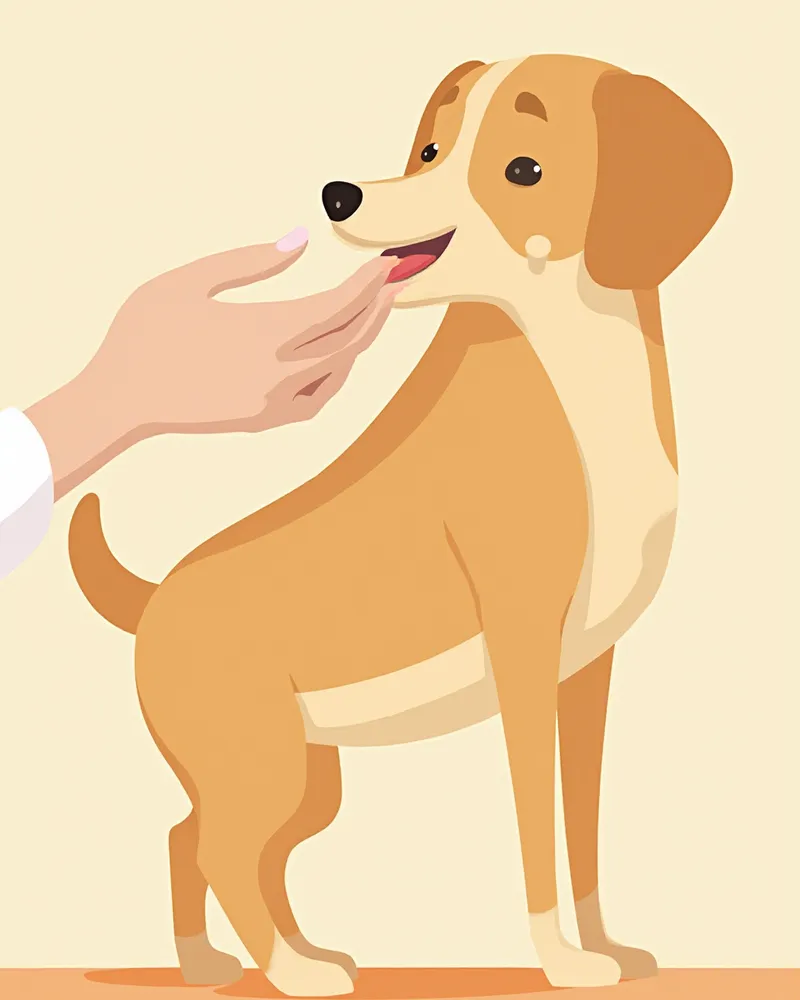
After returning home from vaccination, please carefully monitor your pet for the following symptoms: - Facial and lip swelling: Significant swelling of the face may indicate anaphylaxis. - Difficulty breathing: Persistent panting or coughing can be dangerous. - Recurring vomiting or diarrhea: If these occur more than three times, the risk of dehydration increases. - Hives: A spreading red, itchy rash is a sign of an allergic reaction. - Collapse or seizures: If your pet loses consciousness or experiences seizures, seek emergency care immediately.
A veterinarian checking a puppy for allergic reactions.

Go to the Emergency Room Immediately If These Symptoms Occur

If your pet develops facial or lip swelling, difficulty breathing, pale gums, collapse, or seizures within 30 minutes to 4 hours after vaccination, it may be experiencing anaphylaxis (acute allergic shock). This condition can worsen within minutes. Do not wait at home or attempt to administer over-the-counter medications; instead, take your pet to a 24-hour emergency veterinary clinic immediately. Continue to monitor their breathing and level of consciousness during transport.

Causes of Vaccine Side Effects

According to veterinary immunology textbooks, the causes of vaccine adverse reactions can be broadly categorized into three main factors: - Hypersensitivity to antigens or adjuvants: This occurs when the immune system overreacts to components within the vaccine. - Issues during the vaccination process: These include operational factors such as improper storage temperatures or errors in the route of administration. - Individual variations: Factors such as constitution, age, underlying diseases, and the number of vaccines administered simultaneously can influence the outcome. The risk is particularly higher in small-breed dogs weighing 5 kg or less, young cats, and cases where multiple vaccines are administered at once.

What Treatment Is Provided at the Emergency Room?
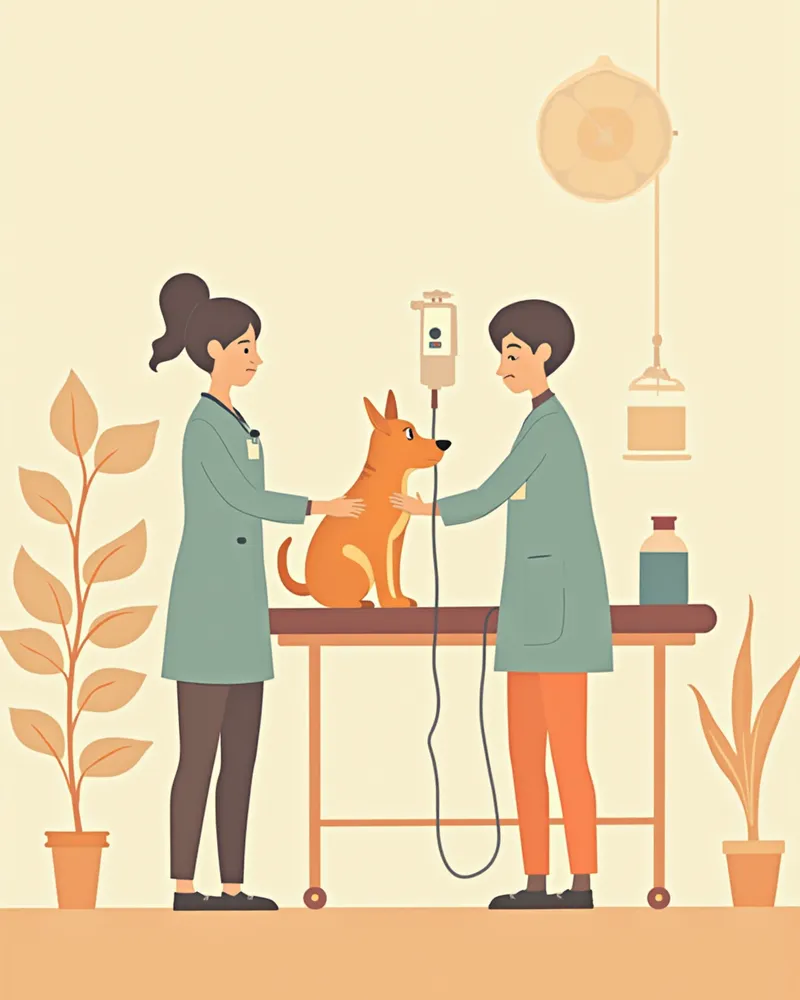
If a severe adverse reaction is suspected, the veterinarian will first quickly assess whether anaphylaxis is occurring. - Securing the airway and providing oxygen: This is the first step if breathing is unstable. - Medication administration: The veterinarian determines the appropriate doses of epinephrine (adrenaline), antihistamines, and vasopressors to raise blood pressure, based on the pet’s weight and symptoms. - Intravenous fluids: Administered rapidly to maintain blood pressure and correct dehydration. - Monitoring: Hospitalization and observation are required until symptoms completely subside. Most pets recover well with prompt treatment, so minimizing the time it takes to reach an emergency animal hospital is crucial.
A puppy receiving intravenous fluid therapy in an animal hospital emergency room

Small-Breed Dogs and Young Animals Require Special Attention

According to a large-scale study featured in veterinary immunology textbooks (analyzing over 1.22 million dogs), vaccine adverse reactions occur much more frequently in small-breed dogs than in large-breed dogs. Additionally, reports indicate that the risk of adverse reactions or injection-site tumors increases when multiple vaccines are administered simultaneously and in younger animals. For small breeds such as Maltese, Poodles, and Chihuahuas, it is safer to consult with your veterinarian to stagger the vaccination schedule rather than administering multiple vaccines on the same day.

Pre- and Post-Vaccination Care to Reduce Side Effects

Please strictly follow the care instructions below on the day of vaccination and the following day: - Wait at the clinic for 30 minutes: Most anaphylactic reactions occur within this time frame. - Avoid strenuous activity for 24 hours: Please refrain from walks and baths. - Monitor body temperature: Contact your veterinarian if a home thermometer reads 39°C or higher. - Check food intake: Schedule a veterinary visit if your pet eats less than half their usual amount. - Share records of previous adverse reactions: Be sure to inform your veterinarian of any prior side effects before the next vaccination.
A puppy resting at home with its owner after vaccination

Reviewed by a veterinarian

Dr. Tony — Punnawat Phongkittirak

Dr. Tony — Punnawat Phongkittirak

Veterinarian

A veterinarian who majored in veterinary medicine at Khon Kaen University, Thailand, and completed the IVSA program at North Carolina State University in the United States. Drawing on clinical experience at animal hospitals, he works in the pet healthcare field and is dedicated to building a digital care environment that connects pet parents with veterinarians.

Frequently Asked Questions

My pet seems lethargic after getting vaccinated. Is this normal?
It’s common and normal for pets to show mild lethargy and a decreased appetite for 12–24 hours after vaccination. However, if these symptoms persist for more than 48 hours or if your pet develops a fever above 39.5°C (103.1°F), veterinary care is necessary. Be sure to monitor that your pet continues to drink water.
Is it normal for the injection site to swell?
It’s normal for the injection site to become slightly swollen and tender; this usually resolves within one to two days. However, if the swelling persists for more than a week or continues to grow, please have your veterinarian examine it. In particular, although rare, cats can develop injection-site sarcomas, so please regularly feel and monitor the area.
What should we do about the next vaccination for a puppy that had side effects?
Be sure to inform your veterinarian of any previous adverse reactions. We’ll tailor the approach to your pet, which may involve splitting up vaccine types, pre-treating with antihistamines, or extending the interval between doses. However, we do not recommend skipping vaccines based on your own judgment.
How quickly does anaphylaxis occur?
Most reactions occur rapidly within 30 minutes to 4 hours after vaccination. Key signs include facial and lip swelling, difficulty breathing, and pale gums. Since these symptoms can progress to shock within minutes, minimizing travel time to the clinic is crucial.
Can cats experience side effects from vaccines?
Yes, cats can also show reactions such as vomiting, fever, and lethargy. Although rare, a sarcoma (tumor) may develop at the injection site, so please regularly check the vaccination area by gently feeling it. If a lump persists for more than three months, a veterinary visit is essential.

Share

Related Guides

References

[1] Tizard, I.R., Veterinary Immunology, 11th Edition, Chapter 26 (Adverse Consequences of Vaccination), Elsevier, 2021

[2] Moore, G.E., et al., Adverse events after vaccine administration in cats: 2,560 cases (2002-2005), J. Am. Vet. Med. Assoc. 231, 94-100, 2007

[3] Textbook of Respiratory Disease in Dogs and Cats, Box 35-1 Major Reasons for Vaccine Failures

[4] The Veterinary Workbook of Small Animal Clinical Cases, The New Kitten Wellness Examination

This information is based on veterinary literature and does not replace diagnosis or treatment. Please consult a veterinarian for specific health concerns.

Metapet Co., Ltd. | CEO: Park Sung-yong | Business Reg. No. 417-88-02562 | Seoul, South Korea | Customer Center

Dog & Cat Vaccine Side Effects: Symptoms and Emergency Response Guide | Meongsiljang