

Causes of Puppy Diarrhea and Emergency Response Measures
Most cases of diarrhea in puppies resolve on their own within 1 to 2 days, but if it is accompanied by bloody stool, vomiting, or lethargy, immediate veterinary care is necessary. We have summarized how to distinguish between acute and chronic diarrhea, as well as home emergency care measures, based on veterinary internal medicine textbooks.
Puppy Diarrhea: Should You Go to the Vet Now?

Acute Diarrhea vs. Chronic Diarrhea: How to Tell the Difference?
| Category | Acute Diarrhea | Chronic Diarrhea |
|---|---|---|
| Duration | Sudden onset, short-term persistence | Persists for more than three weeks or recurs |
| Main Causes | Diet, infection, stress | Intestinal diseases, pancreatic or liver issues, allergies |
| Course | Most cases improve naturally | Unlikely to improve naturally |
| Urgency | Observation is acceptable (if no accompanying symptoms are present) | Veterinary examination is mandatory |
Checklist by Diarrhea Characteristics
Go to the Vet Immediately in These Situations
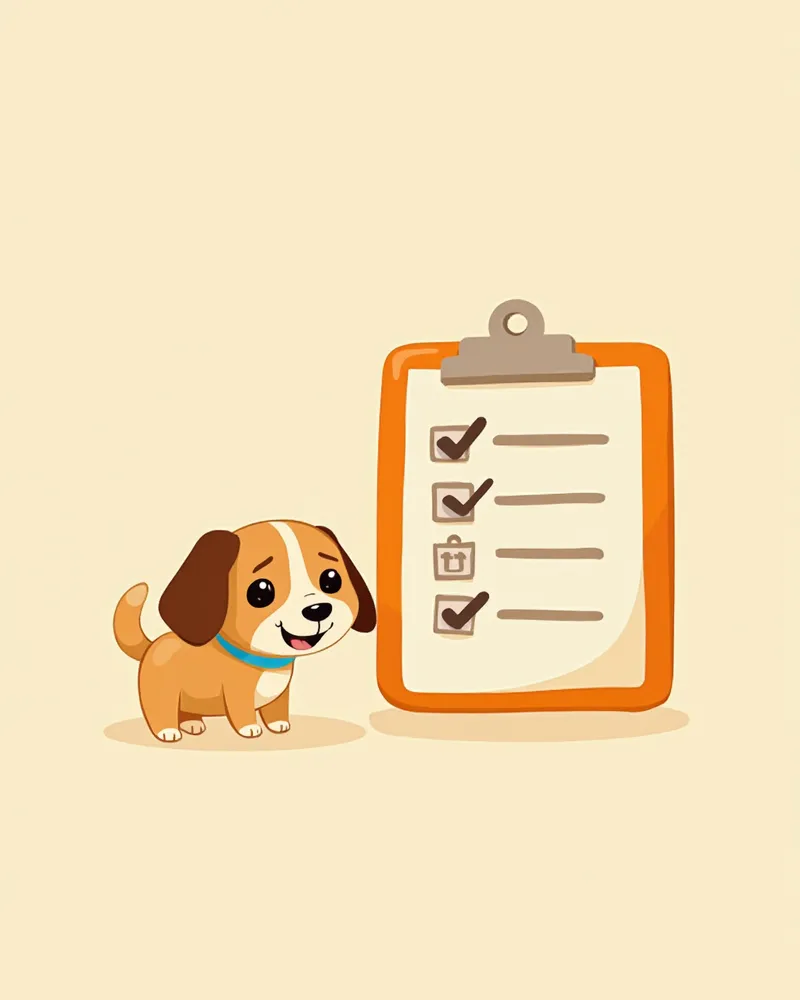
When bloody diarrhea and vomiting occur together, parvovirus infection should be suspected first. This is especially critical in puppies that have not completed their vaccinations or whose background is unknown, as the disease can be fatal. If your dog has been unable to eat or drink for more than half a day, has pale gums, or is lethargic and reluctant to move, these are signs of rapid dehydration. A complete loss of appetite accompanying diarrhea indicates a condition more serious than simple enteritis, so immediate action is required. Puppies and small-breed dogs are particularly vulnerable to rapid dehydration and systemic deterioration, so they need to be taken to the vet without delay.
Main Causes of Puppy Diarrhea
Emergency Response Measures You Can Take at Home
What Examinations and Treatments Are Performed at the Vet?
Do Not Carelessly Give Human Anti-Diarrheal Medications to Puppies
Some pet owners, in their haste, may give their pets human anti-diarrheal medications, but never administer any medication without veterinary guidance. Certain breeds, such as Collies and Shetland Sheepdogs, have genetic variations that make them sensitive to certain drugs, which can lead to severe neurological side effects. Always follow your veterinarian's prescription when giving any medication.
Daily Management for Diarrhea Prevention
Reviewed by a veterinarian

Dr. Tony — Punnawat Phongkittirak
VeterinarianA veterinarian who majored in veterinary medicine at Khon Kaen University, Thailand, and completed the IVSA program at North Carolina State University in the United States. Drawing on clinical experience at animal hospitals, he works in the pet healthcare field and is dedicated to building a digital care environment that connects pet parents with veterinarians.
Reviewed 2026-04-13
Frequently Asked Questions
Should I take my dog to the vet if diarrhea persists for several days?
Can I give my dog water when it has diarrhea?
Can I give my dog sweet potatoes or pumpkin to help with diarrhea?
Is it okay if my dog’s diarrhea is yellow?
Can I give probiotics to a puppy with diarrhea?
Share
Related Guides
My Senior Cat Won’t Eat — A Complete Guide to Choosing Food for Cats with Weak Digestion
Top 5 Prescription Diets for Feline Pancreatitis Recommended by Veterinarians — Low-Fat, Highly Digestible Food Guide

Royal Canin vs Hill’s vs Purina vs Orijen — Which Brand Is Right for Your Pet, According to Veterinarians?
Emergency First Aid for Pet Burns: How to Distinguish Between Thermal and Chemical Burns

Complete Guide to Emergency Response for Drowning Dogs and Cats

Causes of Bad Breath in Dogs and Management Tips

Causes of Cat Hair Loss and How to Manage Them
Causes of Hematuria in Cats and Emergency Response
Causes of Dog Hair Loss and How to Manage Them
Dog Snoring: Causes, Step-by-Step Management, and Signs Requiring Veterinary Care
References
[1] Clinical Medicine of the Dog and Cat, 4th Ed — Chapter 2: Gastrointestinal Disorders (Diarrhea)
[2] 100 Top Consultations in Small Animal General Practice — Diarrhea
[3] The Dog Care Handbook, Things I Wish My Vet Had Told Me — Digestive Issues