

If Your Dog’s Gums Suddenly Turn Pale — Causes and Emergency Signs That Mean You Should Go to the Vet
If your dog’s gums have turned pale, it could indicate an emergency such as heart disease, anemia, or shock. We’ve outlined how to assess the urgency based on gum color and the signs that mean you should go to the vet immediately.
If Your Dog’s Gums Turn White — Assess Urgency First

Urgency Levels Based on Gum Color
| Item | Meaning | Urgency |
|---|---|---|
| Pink (normal) | Normal blood circulation | ✅ Normal |
| Pale pink/white | Suspected anemia/blood loss | ⚠️ Vet same day |
| White/gray | Severe anemia/shock/internal bleeding | 🚨 Emergency immediately |
| Blue/purple (cyanosis) | Oxygen deficiency (hypoxia) | 🚨 Emergency immediately |
| Yellow | Jaundice (liver/hemolytic anemia) | 🚨 Emergency same day |
| Brick-red/deep red | Abnormal mucous membrane color — immediate exam needed to determine the cause | 🚨 Emergency immediately |
Checking under natural light is most accurate. Colors may look different under indoor lighting.
Checklist of Symptoms Accompanying Pale Gums
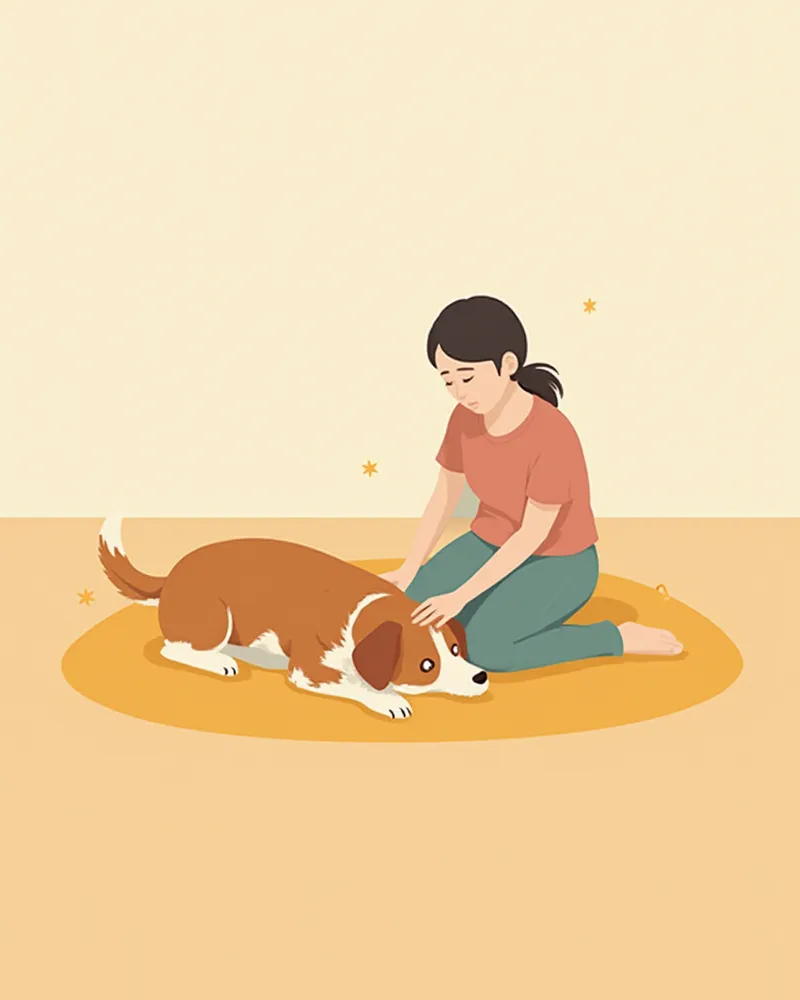
Signs That Mean You Should Go to the Emergency Room Immediately
If your pet’s gums are white, gray, or blue and they exhibit any of the following symptoms, take them to a 24-hour emergency animal hospital immediately. Waiting at home can be dangerous. • Inability to stand or collapse • Very rapid or nearly absent breathing • Gums remain white for more than 2 seconds after being pressed and released (delayed capillary refill time) • Gums or tongue turn gray or blue (cyanosis) • Altered consciousness or seizures
Four Main Causes of Pale Gums in Dogs
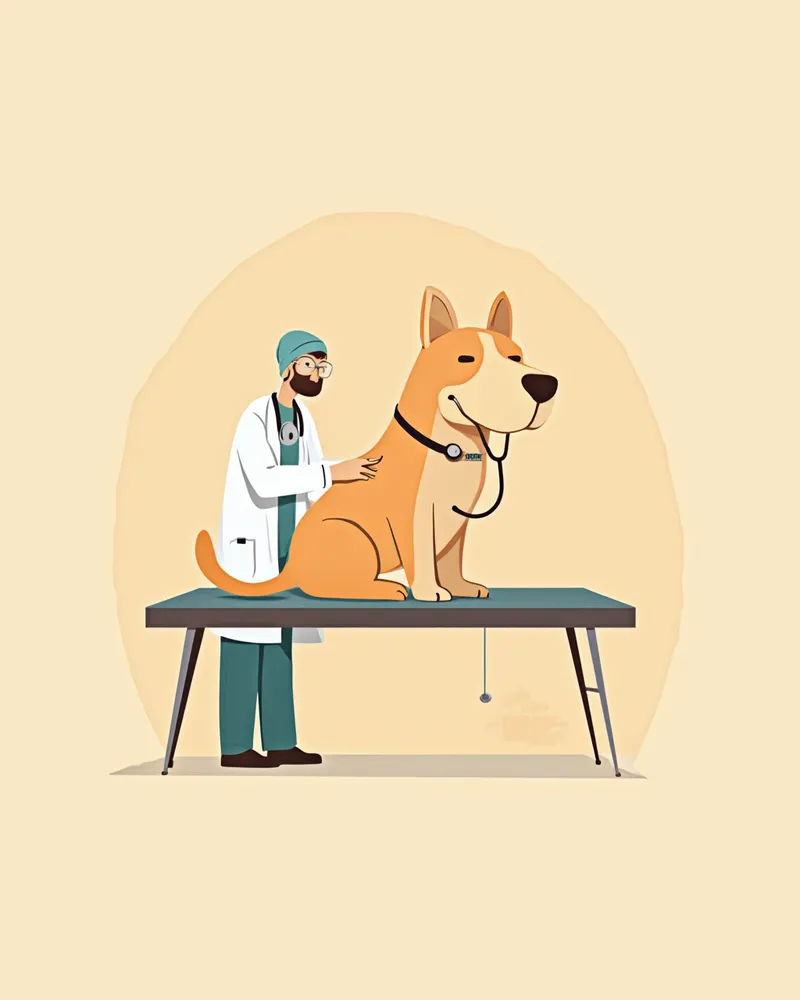
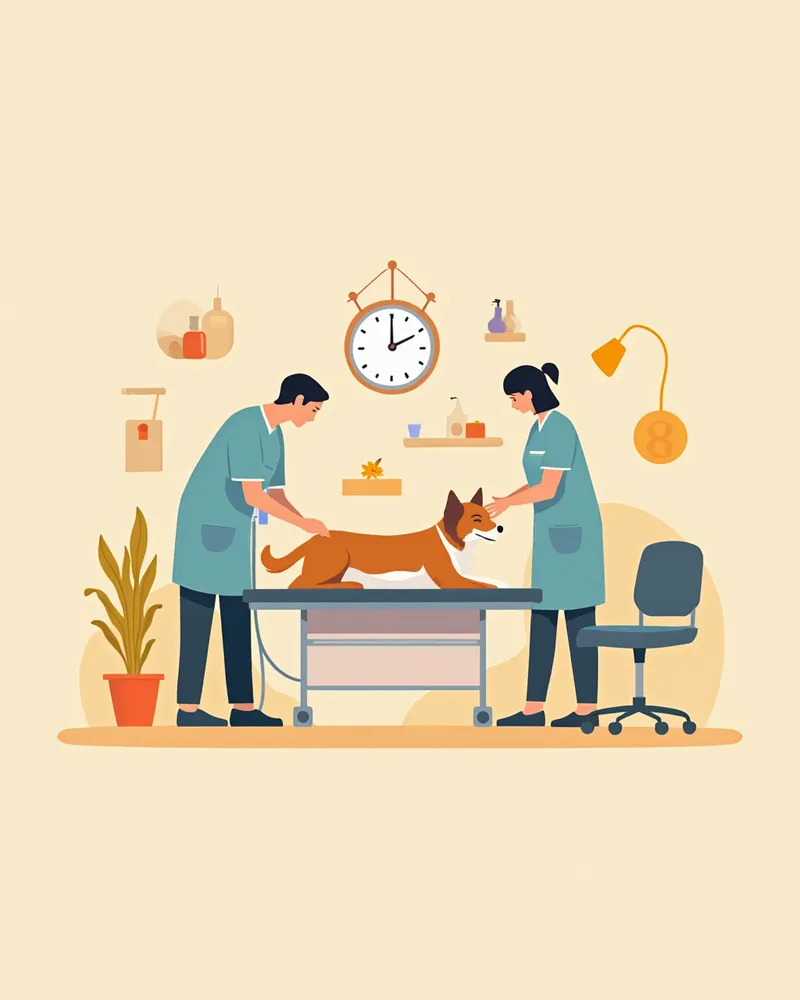
Diagnosis and Treatment at the Clinic
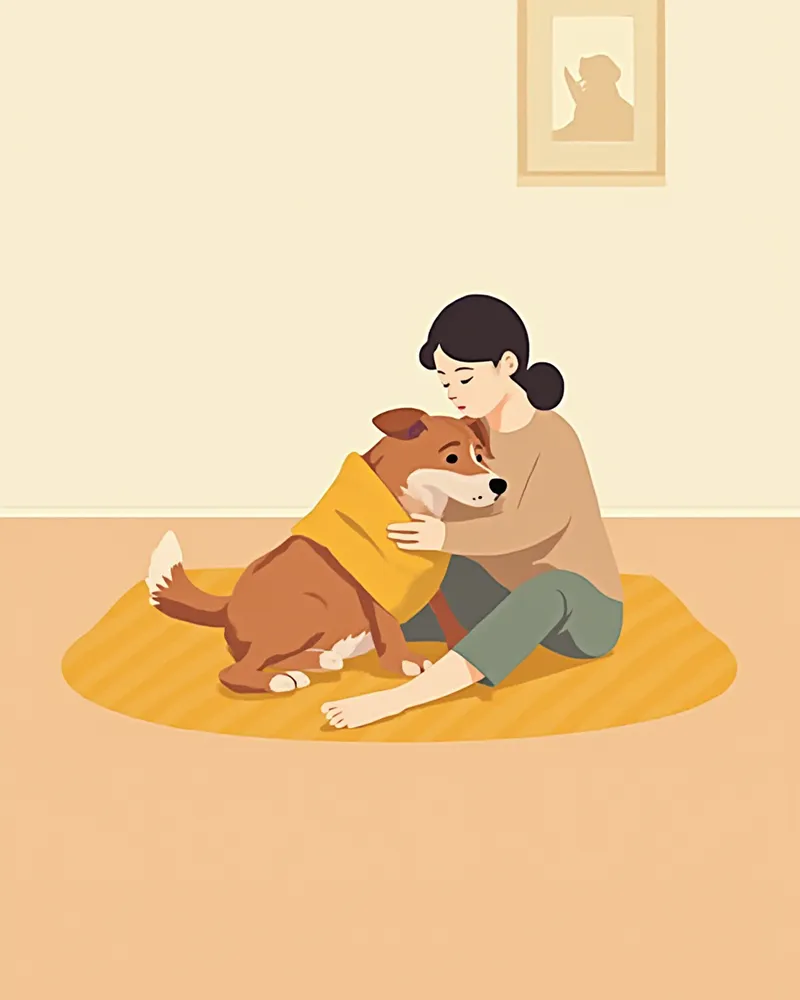
What to Do and What Not to Do at Home Before Going to the Clinic
Breeds That Require Extra Caution for Heart Disease and Pale Gums
Pale mucous membranes can also signal heart or circulatory issues, so extra caution is needed for dogs predisposed to heart disease. Certain breeds are known to be more susceptible to heart conditions due to genetic or congenital factors. • Dogs with a family history of heart disease or breed-specific predispositions • Dogs previously noted to have heart murmurs or abnormal findings on thoracic auscultation • Dogs that have exhibited circulatory symptoms such as exercise intolerance, lethargy, or coughing • Dogs in whom new heart murmurs have developed due to severe anemia or other causes In these cases, it is advisable to have regular check-ups at least once a year, including cardiac auscultation, to detect cardiovascular problems early. Please also routinely monitor your dog’s gum color and capillary refill time (CRT).
Habit of Checking Gum Color Regularly — Early Detection Is Key

Reviewed by a veterinarian

Dr. Tony — Punnawat Phongkittirak
VeterinarianA veterinarian who majored in veterinary medicine at Khon Kaen University, Thailand, and completed the IVSA program at North Carolina State University in the United States. Drawing on clinical experience at animal hospitals, he works in the pet healthcare field and is dedicated to building a digital care environment that connects pet parents with veterinarians.
Reviewed 2026-05-28
Frequently Asked Questions
What is the normal gum color in dogs?
My dog’s gums have turned pale, but he seems fine otherwise. Should I still take him to the vet?
How can you check capillary refill time at home?
How can you tell whether it’s a heart condition or anemia?
Can pale gums recur after treatment?
Share
Related Guides
Coenzyme Q10 Benefits and Administration Guide
Dog Pulmonary Edema Warning — 7 Best Diuretics (Furosemide) for Heart Management
7 Best Prescription Diets for Feline Heart Disease Recommended by Veterinarians — Criteria for Choosing Low-Sodium Food
If Your Pet Collapses Suddenly — Emergency CPR Response for Dogs and Cats

Emergency Response and Treatment for Frostbite in Dogs and Cats

Emergency Response for Injuries During Walks

Emergency Response for Bee Stings in Dogs and Cats

Emergency First Aid for Pet Electric Shock Accidents

Emergency First Aid for Bleeding in Pets

If Your Pet Suddenly Has a Seizure — Emergency Response and When to Go to the Vet
References
[1] Ettinger SJ, Feldman EC, Côté E. Textbook of Veterinary Internal Medicine: Diseases of the Dog and Cat, 8th Ed. Elsevier, 2017.
[2] Tilley LP, Smith FWK. The 5-Minute Veterinary Consult: Canine and Feline, 6th Ed. Wiley-Blackwell, 2015.
[3] Bonagura JD, Twedt DC. Kirk's Current Veterinary Therapy XV. Elsevier, 2014.