Like
Share
멍실장
약물 과량 섭취 증상과 응급 대처법

Symptoms of Medication Overdose and Emergency Response

ImmunitySymptomsMeongsiljang Veterinary Advisory Board

We’ve put together a clear, easy-to-follow guide covering the symptoms of pets accidentally ingesting human medications, how to assess the urgency, what to do before reaching the vet, and what to expect during treatment.

What Is Medication Overdose? Time Is Survival
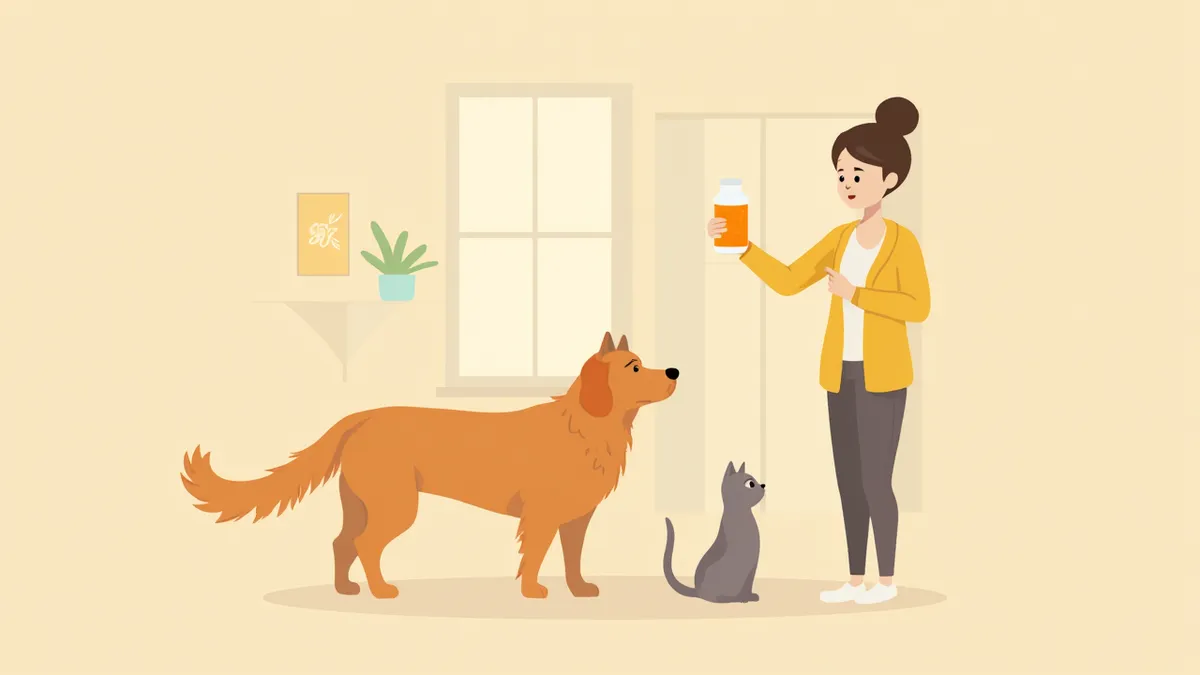
A pet owner holding a human medicine bottle, with a dog and cat looking anxious.
Drug overdose is an emergency that occurs when a pet ingests human medications or exceeds the prescribed dose of veterinary drugs, leading to signs of toxicity. The most critical factor is time. Early gastrointestinal decontamination, such as inducing vomiting or performing gastric lavage, is most effective when initiated as soon as possible after ingestion, typically within a few hours. If you observe any vomiting, seizures, or weakness, do not wait at home; go immediately to a 24-hour emergency veterinary hospital. Bringing the medication packaging or bottle to indicate what was ingested and in what quantity will significantly speed up the diagnostic process.

First, Assess the Urgency

First, you need to assess how urgent the situation is. The appropriate response varies significantly depending on the amount ingested relative to your pet’s body weight and the type of medication involved. Acetaminophen, such as Tylenol, is extremely toxic to cats, with even minute amounts being potentially fatal; therefore, assuming that a small ingestion is harmless is the most dangerous mistake you can make. Use the three-tiered criteria below to categorize your pet’s situation. If you are unsure of the medication type, it is safest to assume it falls into the highest-risk category and act accordingly.

3-Level Urgency Assessment Guide

Item🟢 Observe🟡 Contact immediately🔴 Emergency transport
Amount ingestedSuspected trace amount1 or more pills, or unclearLarge amount ingested or highly toxic drug
SymptomsNo symptomsDrooling, decreased appetiteVomiting, convulsions, decreased consciousness
ResponseObserve for 24 hoursPhone consultation with hospitalTransport to ER immediately
Time limitCheck for changes within 2 hoursContact within 1 hourImmediately (within minutes)

It varies by type of drug ingested, body weight, and elapsed time, and the final judgment is up to the veterinarian.

Toxicity Signs You Must Not Miss
Even if no symptoms appear right after ingestion, the condition can suddenly worsen hours later. Contact your veterinarian immediately if you notice any of the following signs: - Vomiting or drooling: Early signs of gastrointestinal irritation or systemic toxicity - Lethargy or abnormal gait: Possible liver or kidney damage, or neurological issues - Tremors or seizures: Central nervous system toxicity — seek emergency care immediately - Changes in gum color: Blue or gray gums indicate oxygen deprivation - Abnormal urine color: Red or brown urine may indicate hematuria (blood in the urine) - Abnormal breathing: Rapid or slow breathing suggests cardiopulmonary toxicity
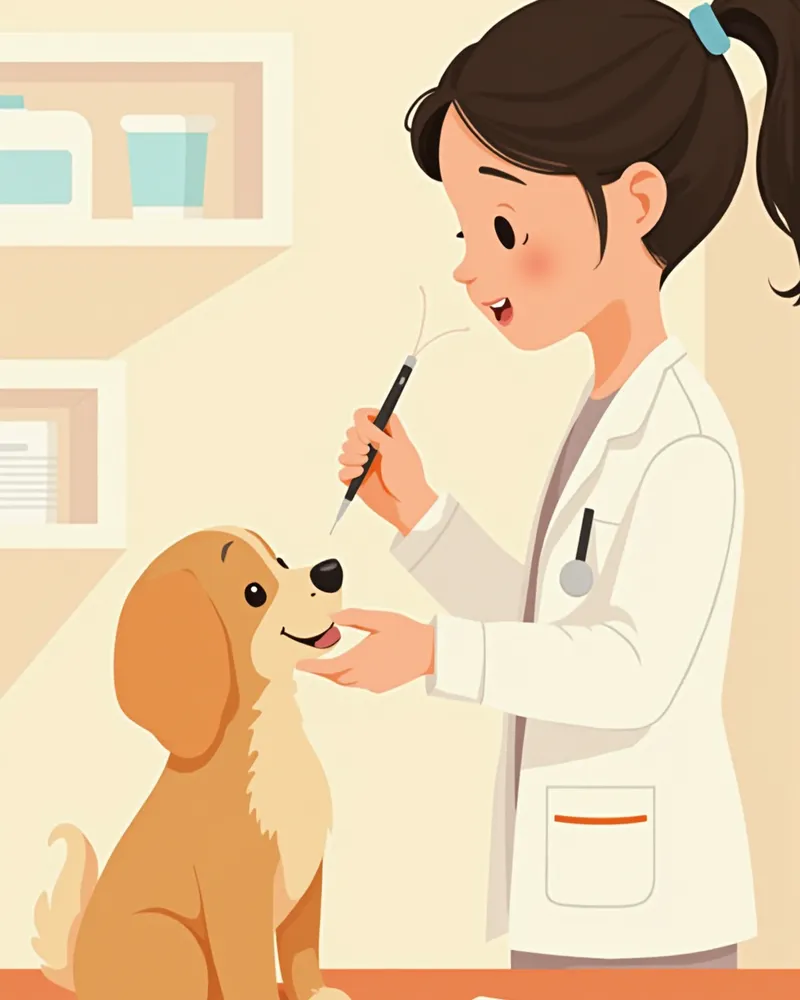
A veterinarian carefully examines the puppy's gums and eyes during a check-up.

Any of These? Head Straight to a 24-Hour Emergency Hospital

If your pet is experiencing seizures, loss of consciousness, blue or gray gums, repeated vomiting, or difficulty breathing, seek emergency veterinary care immediately. Never attempt home remedies such as giving salt water or milk, or inducing vomiting by inserting a finger into the mouth. Improper first aid can lead to aspiration pneumonia, worsening the condition. Additionally, inducing vomiting with hydrogen peroxide without veterinary guidance carries a significant risk of esophageal damage.

Top 5 Medications Commonly Involved in Household Accidents

The most common medications involved in pet poisoning incidents are often everyday human drugs found at home. - Acetaminophen (Tylenol): Especially deadly for cats, causing red blood cell destruction (hemolysis) and liver damage. - Ibuprofen and Naproxen: Can cause toxic symptoms including gastrointestinal irritation, with severity varying greatly depending on the amount ingested and the pet's weight. - Antidepressants and Sleep Aids: May trigger neurological and cardiovascular toxicity such as seizures, abnormal heart rate, and sudden changes in body temperature. - Vitamin D and Cold Medications: Can lead to hypercalcemia and arrhythmias. - Xylitol-containing Chewing Gum and Toothpaste: Known to cause severe toxic reactions in dogs. In particular, xylitol is a food sweetener but is highly dangerous for dogs. Be especially careful to keep products containing this ingredient out of reach of your pets.

Do Only These 3 Things Before Arriving at the Clinic

Keep these three things in mind while heading to the clinic: - Gather medication information: Bring the packaging, any remaining pills, and a note of the estimated time of ingestion. - Know your pet’s weight: Share the most recent weight measurement with the veterinarian right away. - Record symptoms: Track the timing of seizures, the number of vomiting episodes, and any changes in consciousness. Do not force your hand into your pet’s mouth or administer activated charcoal without veterinary guidance. During transport, keep your pet warm with a blanket and lay them on their side to prevent aspiration and keep the airway clear in case of vomiting. Calling the emergency clinic ahead of time to provide your estimated arrival time can help reduce your wait.
A pet owner rushing to an emergency vet clinic, cradling their dog wrapped in a blanket.

How Treatment Is Conducted at the Clinic

Veterinarians determine the treatment plan based on the time of ingestion, the type of medication, and the progression of symptoms. Typical interventions proceed as follows: - Gastric lavage and induced vomiting: These are most effective when performed early after ingestion, typically within a few hours. - Activated charcoal administration: This adsorbs any remaining medication in the gastrointestinal tract to facilitate its excretion. - Fluid therapy and symptomatic treatment: The goal is to protect the liver and kidneys. Since there are no specific antidotes for most toxic substances, care centers on supportive and symptomatic treatment. - Blood and ECG tests: Basic tests such as a complete blood count (CBC) and blood chemistry are used to monitor for arrhythmias and organ damage. Delayed organ damage can occur several days after ingestion, depending on the toxic substance, so hospitalization for observation is recommended even if no symptoms are present. The veterinarian will determine the precise dosage based on the pet’s weight and the specific medication involved.

Cats Are at Much Higher Risk Than Dogs

Cats lack sufficient glucuronosyltransferase (UGT), the liver enzyme responsible for detoxifying drugs, making them far more vulnerable than dogs even at the same dosage. Acetaminophen can cause hemolysis and severe liver damage even in small amounts, and most human medications can trigger unexpectedly serious toxic reactions in cats. A drug that is safe for dogs may be contraindicated for cats, so never assume that "half a human fever reducer pill should be fine." Under no circumstances should you give your cat human medications without a veterinarian's prescription.

90% of Accidents Can Be Prevented by Managing Your Home
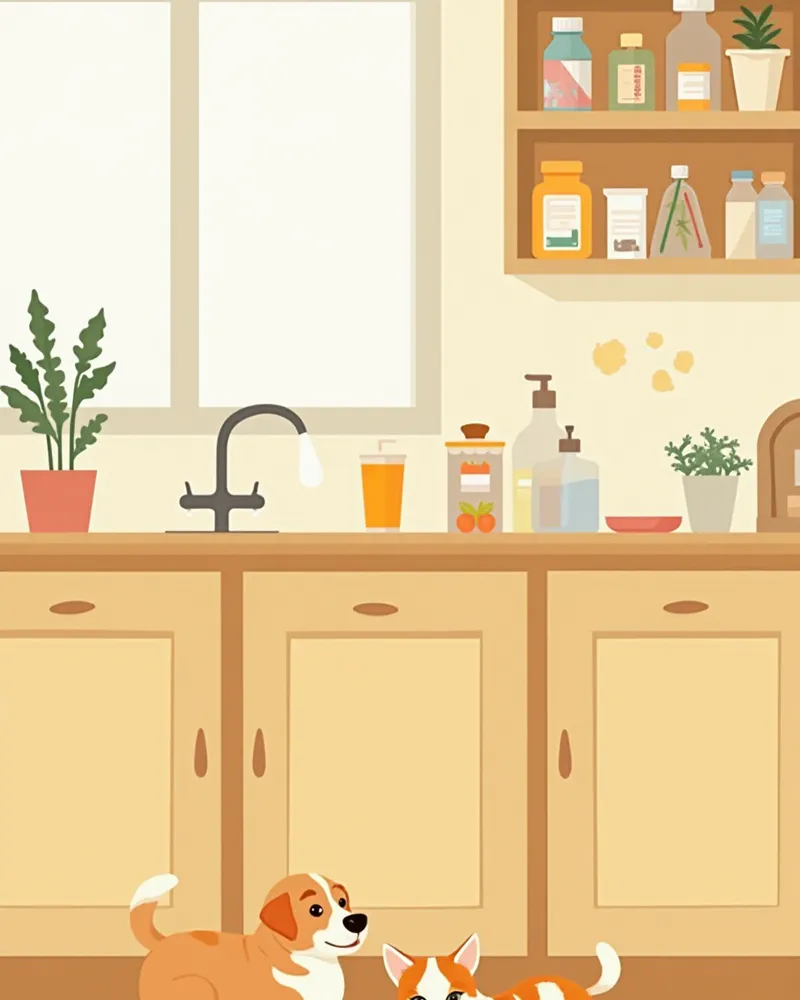
Most medication-related accidents can be prevented simply by managing your home environment effectively. - Store medications separately: Keep drawers and cabinets locked, and store all medications in one designated place. - Avoid low surfaces: Never leave medications on bags, dining tables, or sofas. - Be cautious with guests: Always check the contents of visitors’ bags for any medications they may have brought. - Check for xylitol: Review ingredient labels on gum, toothpaste, syrups, and diet foods. - Strictly separate medications: Never mix medications intended for dogs, cats, or humans. If your pet has had a previous incident, keep the contact number and address of an emergency veterinary clinic on your refrigerator. Additionally, recording your pet’s weight once a month will help you quickly determine the correct dosage in case of an emergency.
A dog and cat resting comfortably in the kitchen where the medicine is safely stored.

Reviewed by a veterinarian

Dr. Tony — Punnawat Phongkittirak

Dr. Tony — Punnawat Phongkittirak

Veterinarian

A veterinarian who majored in veterinary medicine at Khon Kaen University, Thailand, and completed the IVSA program at North Carolina State University in the United States. Drawing on clinical experience at animal hospitals, he works in the pet healthcare field and is dedicated to building a digital care environment that connects pet parents with veterinarians.

Frequently Asked Questions

If my pet has already vomited, do I still need to go to the vet?
Not necessarily. You can’t assume that all the medication was expelled through vomiting, and any drug already absorbed into the bloodstream won’t be eliminated by vomiting. It’s essential to have blood tests done at the clinic to check for any impact on your pet’s organs.
How long should I monitor my pet to ensure it’s safe?
The observation period varies significantly depending on the type of substance involved. Some toxic substances can cause delayed liver and kidney damage that manifests over several days, so hospitalization for monitoring may be recommended by your veterinarian even if no symptoms are present. For example, in cases of vitamin D toxicity, blood calcium levels may need to be monitored for more than five to seven days, so please do not end the observation period based on your own judgment.
Can I keep activated charcoal at home and give it to my pet in an emergency?
Never administer activated charcoal without a veterinarian’s instructions. Depending on the type of medication, it may fail to prevent absorption or even cause aspiration pneumonia. It should only be given under a veterinarian’s guidance after arriving at the clinic.
Are human vitamins dangerous too?
Yes, vitamin D is particularly dangerous. An overdose of vitamin D can cause hypercalcemia, which may lead to cardiac arrhythmias or kidney damage. Other mineral supplements, including iron, can also cause gastrointestinal and systemic toxicity if consumed in excess. If your pet has swallowed an entire bottle of multivitamins, please take them to a veterinary clinic immediately.
Can I induce vomiting at home using hydrogen peroxide?
Do not attempt this without explicit instructions from a veterinarian. Using the wrong concentration or method can damage the esophageal and gastric mucosa or cause aspiration pneumonia. Inducing vomiting is strictly contraindicated if your pet has ingested a corrosive substance.

Share

Related Guides

References

[1] Plumb DC, Veterinary Drug Handbook, 5th ed., Blackwell Publishing

[2] Martin RJ, Hsu WH, Handbook of Veterinary Pharmacology — Principles of Drug Absorption, Disposition, and Action

[3] Drobatz KJ et al., Feline Emergency and Critical Care Medicine, 2nd ed.

This information is based on veterinary literature and does not replace diagnosis or treatment. Please consult a veterinarian for specific health concerns.

Metapet Co., Ltd. | CEO: Park Sung-yong | Business Reg. No. 417-88-02562 | Seoul, South Korea | Customer Center

Medication Overdose in Pets: Symptoms & Emergency Response | Meongsiljang