Like
Share
멍실장
식물 가시 박힘 응급 대처

Emergency Response for Embedded Plant Thorns

Skin & CoatSymptomsMeongsiljang Veterinary Advisory Board

We’ve compiled the emergency assessment criteria and safe response steps that pet owners should know immediately when a plant thorn becomes embedded in their pet’s paw pad or skin during a walk.

What Are Embedded Plant Thorns?
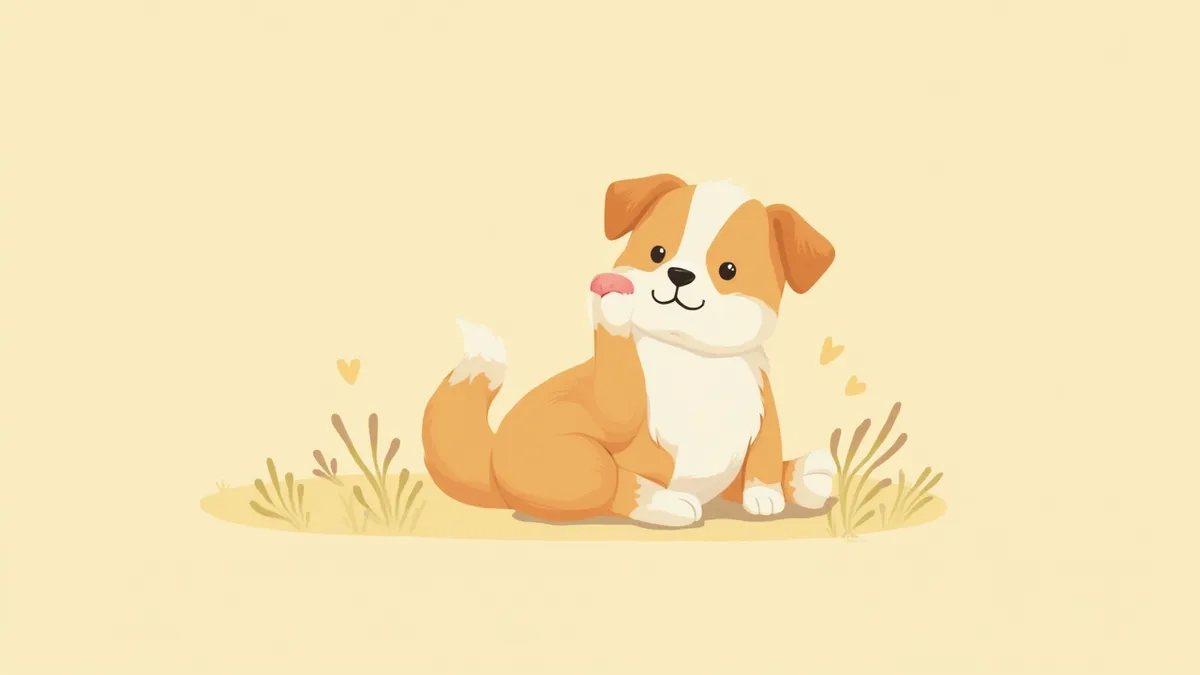
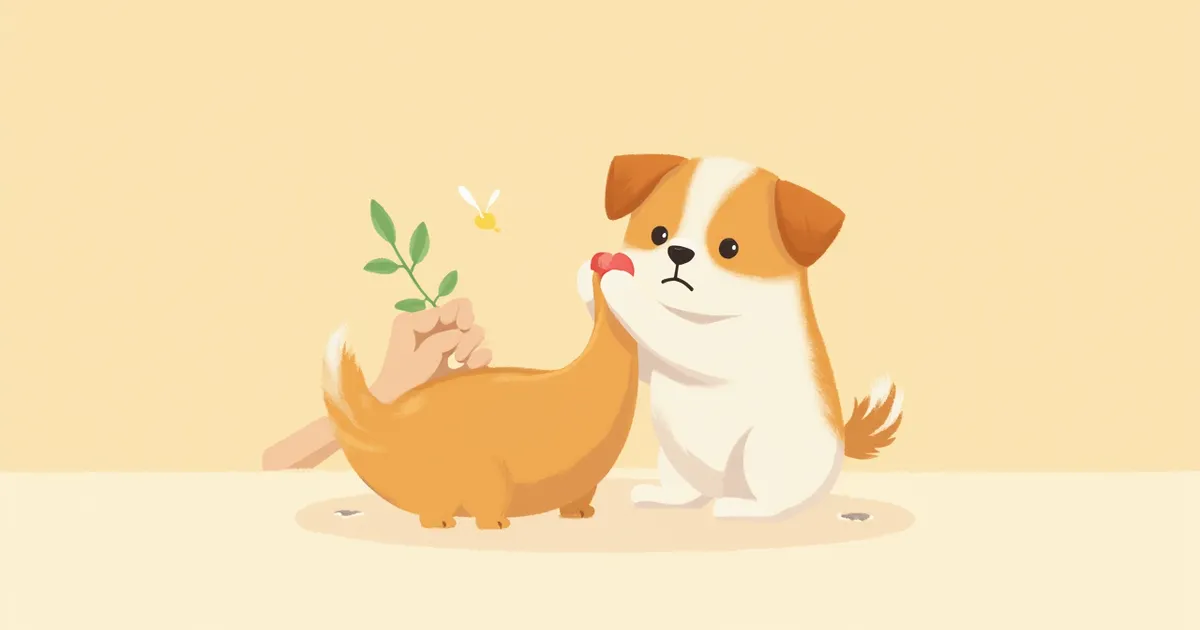
A pet owner carefully examining their dog’s paw pad, which has a plant thorn embedded in it.
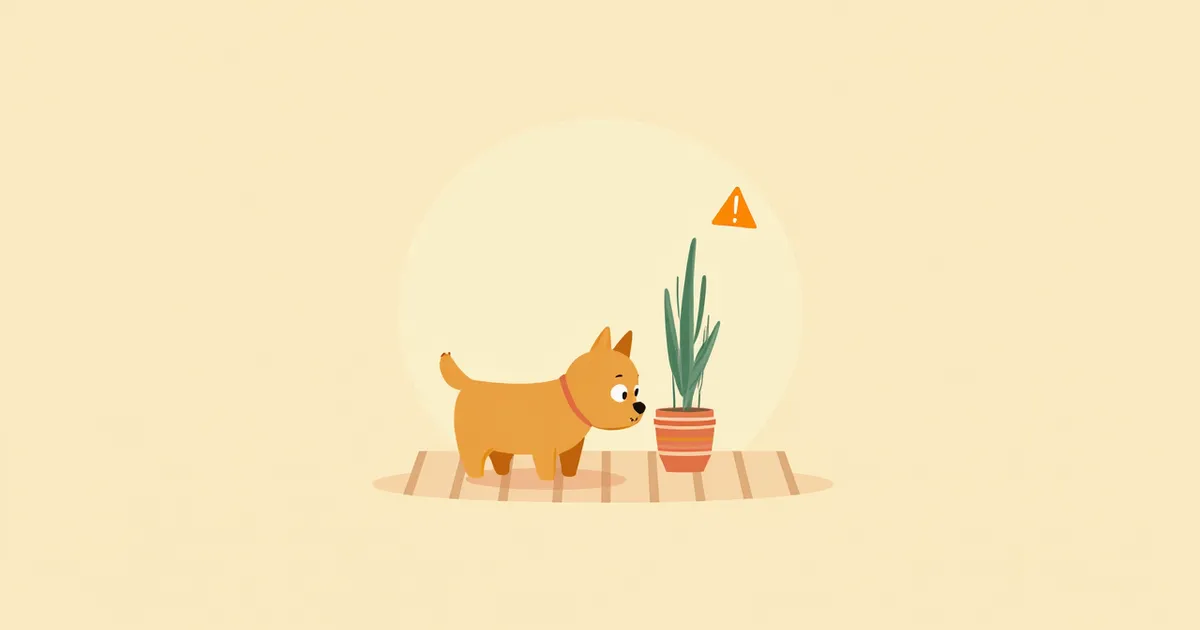
Plant thorn impactions are an emergency that occurs when sharp thorns or seeds from plants like roses, acacias, or cockleburs become embedded in your pet’s paw pads, skin, or mouth during walks or outdoor activities, causing pain and inflammation. What truly matters is not just the thorns you can see, but those that have penetrated deeply or broken off. If the tip of a thorn remains inside the skin as a foreign body, it can lead to infections such as abscesses or cellulitis over time. Wound infections are among the most common complications reported in veterinary surgery and trauma cases, so if your pet continues to limp or if the affected area becomes swollen and warm, do not delay—seek veterinary care immediately.

Common Impaction Sites and Risk Levels by Location

The level of danger depends entirely on where the foreign object is lodged. While the paw pad is the most common site, it is relatively safe. In contrast, objects lodged around the mouth, nose, eyes, or anus carry a high risk of mucosal damage and deep infection, requiring immediate veterinary care. Particularly concerning are migratory foreign bodies like grass awns; if they enter the nasal cavity or ear canal, they can migrate toward the chest and lungs, potentially causing deep infections such as lung abscesses. Wounds that penetrate the body cavity may require evaluation for internal organ damage, so please remember that the priority of treatment varies depending on the affected area.

Emergency Severity by Location at a Glance

ItemUrgencyOwner response
Paw pad (surface)LowHome removal may be attempted
Paw pad (deep)ModerateClinic recommended
Mouth / gums / tongueHighGo to the clinic immediately
Nose / inside noseHighGo to the clinic immediately
Eye / eyelidEmergencyGo to the clinic immediately
Inside earEmergencyGo to the clinic immediately
Anus / genitalsHighGo to the clinic immediately

Urgency is a general guideline and may vary by individual condition

Checklist for Thorns Safe to Remove at Home
Don’t try to remove every thorn at home. Only attempt it if all of the following conditions are met:
Location: On the paw pad surface or the outer skin of the leg
Exposure: The tip of the thorn is protruding at least 1 mm
Depth: Only slightly embedded in the skin (with little to no bleeding)
Pet’s condition: Your pet doesn’t resist much when touched
Tools: Clean tweezers and antiseptic are ready
If even one of these conditions isn’t met, don’t force it—visit the vet instead. Trying to pull it out forcefully can cause the thorn to break, leaving fragments deeper inside.
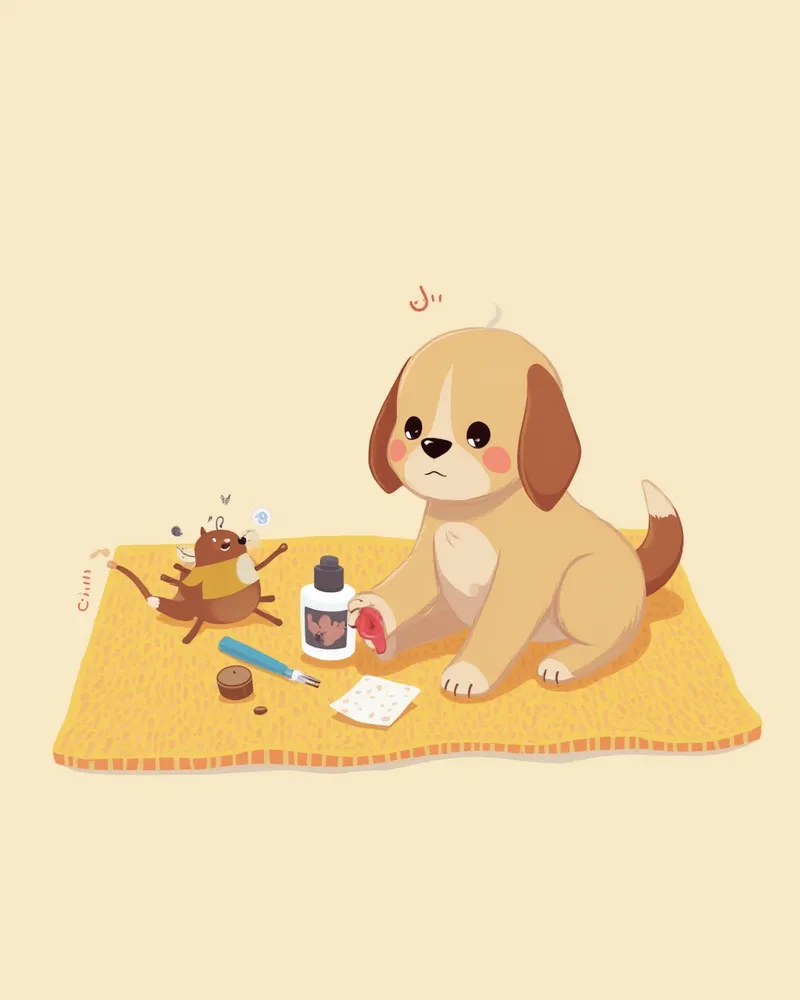
A pet owner carefully removing a thorn from their dog's paw pad using tweezers at home.

Immediate Veterinary Care Required for These Signs

If you notice any of the following signs, do not attempt home treatment and take your pet to a veterinary clinic immediately. • The thorn has broken off and remains embedded in the skin • Your pet limps or is unable to bear weight on the limb for more than 30 minutes • The affected area is red, swollen, and warm to the touch • Yellowish discharge or pus is present • The object is embedded near the mouth, eyes, nose, ears, or anus • Grass awns have entered the nostrils or ears • Bleeding does not stop after five minutes • Fever, loss of appetite, or lethargy are present

Risk Levels and Characteristics by Thorn Type

The risk level of thorny plants commonly encountered on Korean walking trails varies.
Cocklebur and devil’s needle: Their hook-like structure causes them to embed in fur and skin, making them difficult to remove.
Acacia thorns: Long and rigid, they easily penetrate deeply.
Rose and wild rose thorns: Although short, their tips often break off and remain embedded.
Chestnut burrs: Multiple spines can embed simultaneously, causing significant pain.
Burrs (stickers): They move in only one direction, gradually working deeper into the skin.
Burrs are particularly difficult for owners to detect. Please carefully inspect between your pet’s toes and inside their ears after every walk.

4 Steps for Safe Emergency Treatment

To safely remove thorns from your pet’s paw pads, please follow these steps in order: Step 1: Calm the pet – Lay your pet on its side and have one person gently hold and comfort them to keep them still. Step 2: Inspect – Under bright light, check the thorn’s location, direction, and length. Step 3: Remove – Using tweezers, slowly pull the thorn out at the same angle it entered (never twist it). Step 4: Disinfect – Rinse with saline solution and apply diluted povidone-iodine (Betadine). Avoid human-use alcohol or hydrogen peroxide, as they can damage tissue.
Washing a dog’s paw pads with saline solution after removing a splinter

Cats Require Extra Caution

Cats have a strong instinct to hide pain, so even with a thorn embedded, they may show almost no symptoms other than limping. They also often over-groom the injured area, which can lead to secondary infections. If your cat is holding up one paw or focusing its grooming on a specific spot, be sure to check between the toes as well. Avoid pulling the thorn out forcefully, as this could cause the cat to bite you or push the thorn deeper. If your cat resists, take it to the vet immediately.

Post-Treatment Care and Prevention
For 3 to 5 days after removing the thorn, check the area daily. If you notice new redness, swelling, warmth, or discharge, it could indicate an abscess, so please visit the clinic. Using an Elizabethan collar to prevent licking is the most reliable method. Prevention Tips
Choosing walking routes: Avoid paths with dense grass or weeds.
Post-walk checks: Inspect between the toes, paw pads, ears, and around the nose every day.
Paw care: Keep the hair around the paws trimmed to reduce thorn attachment.
Using boots: Consider dog boots during seasons when thorns are prevalent.
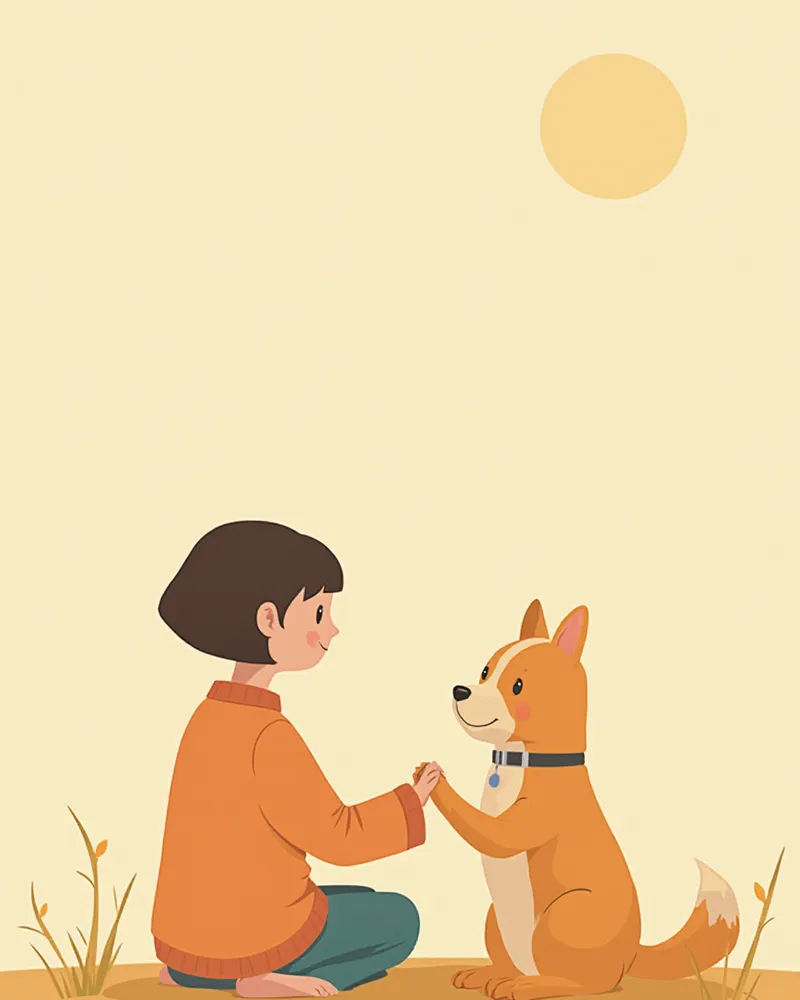
A pet owner carefully checking their dog's paws after a walk

Reviewed by a veterinarian

Dr. Tony — Punnawat Phongkittirak

Dr. Tony — Punnawat Phongkittirak

Veterinarian

A veterinarian who majored in veterinary medicine at Khon Kaen University, Thailand, and completed the IVSA program at North Carolina State University in the United States. Drawing on clinical experience at animal hospitals, he works in the pet healthcare field and is dedicated to building a digital care environment that connects pet parents with veterinarians.

Frequently Asked Questions

I removed the splinter, but it seems like a small piece might still be left behind. Is it okay to leave it?
No, that’s not advisable. Any remaining splinter fragments in the skin can trigger a foreign body reaction, potentially leading to abscesses or cellulitis. It’s safest to have a veterinarian check for any residual foreign material using ultrasound or other imaging tests.
Can I apply human red medicine (Mercurochrome) or alcohol?
We don’t recommend it. Agents with cytotoxic properties, such as alcohol and hydrogen peroxide, can irritate open wounds and delay healing. Instead, rinse the area with saline solution and use only veterinary-approved or diluted povidone-iodine (Betadine) or chlorhexidine. For any other medications, please consult your veterinarian for a prescription.
The area where the thorn was stuck became swollen a few days later. Can I buy antibiotics to give my pet?
Do not administer medications without veterinary guidance. Human antibiotics may be inappropriate in type or dosage, posing serious risks. New signs of infection—such as swelling, warmth, or discharge—require immediate veterinary attention. A veterinarian must examine your pet and prescribe the appropriate antibiotic.
It feels like a grass seed has gotten stuck in my pet’s nose. Will it come out if they just sneeze?
No. Grass awns have a structure that allows them to move in only one direction, making natural expulsion difficult. There are even reported cases where these foreign bodies have migrated through the body and caused deep infections, such as lung abscesses. If you notice sudden, violent sneezing, nosebleeds, or discharge from one nostril, your pet needs to be taken to a veterinary clinic immediately for careful endoscopic examination and removal.
Does washing your dog’s paws after every walk prevent thorn injuries?
Checking your pet’s paws is more important than washing them. Rinsing with water alone can push thorns deeper into the skin. The most effective approach is to gently wipe the paws with a dry towel and carefully feel between the toes and on the pads for any foreign objects.

Share

Related Guides

References

[1] Drobatz KJ, Reineke E, Costello MF, Culp WTN. Feline Emergency and Critical Care Medicine, 2nd Edition. Wiley-Blackwell, 2023

[2] Silverstein DC, Hopper K. Small Animal Critical Care Medicine, 2nd ed. Elsevier, 2015

[3] Little SE. The Cat: Clinical Medicine and Management, 2nd Edition. Elsevier, 2020

This information is based on veterinary literature and does not replace diagnosis or treatment. Please consult a veterinarian for specific health concerns.

Metapet Co., Ltd. | CEO: Park Sung-yong | Business Reg. No. 417-88-02562 | Seoul, South Korea | Customer Center

Embedded Plant Thorns in Dogs & Cats: First Aid Guide | Meongsiljang