Like
Share
멍실장
강아지가 자꾸 가려워해요 — 알러지 케어 제품 가이드

Why Is My Dog Scratching So Much? — Allergy Causes and How to Choose Care Products

Skin & CoatSymptomsMeongsiljang Veterinary Advisory Board

We’ve compiled everything pet owners need to know about why dogs scratch excessively, how to address itching at each stage, and allergy care products like shampoos, moisturizers, and supplements.

What Is Itching in Dogs?

A dog scratching its body
Itching in dogs is often caused by allergies, external parasites, or bacterial and yeast infections, leading to symptoms such as repetitive scratching, licking, chewing, and rubbing against the floor. In veterinary medicine, not only scratching but also licking, chewing, and rubbing are all considered signs of itching. The most important thing is to distinguish whether it’s a simple habit or a sign of a skin condition that requires treatment. If your dog scratches all day or persistently licks a specific area, it’s more likely to be atopic dermatitis, food allergies, or an external parasite infection rather than simple itching. The cause of itching is often not just one factor but a combination of several, and secondary bacterial or yeast infections can worsen the symptoms. If the itching persists for several days or gradually becomes more severe, it’s best to visit an animal hospital for an accurate diagnosis.

Determining Urgency by Itching Stage

You can determine the stage based on the frequency of scratching and the condition of the skin. Please refer to the table below to first identify which stage your pet is in. The higher the stage, the more important it is to seek veterinary care rather than relying on home care.

Stage-by-Stage Itching Management Guide

ItemStage 1 (Mild)Stage 2 (Moderate)Stage 3 (Severe)
Scratching Frequency2–3 times a dayAt least once per hourScratches almost constantly
Skin ConditionNo rednessRed spots, flakingHair loss, discharge, scabs
Sleep/AppetiteNormalSleep disturbanceUnable to sleep, reduced appetite
Recommended ResponseMoisturize, check environmentConsult about specialized shampoo, antihistaminesImmediate veterinary visit

The stages in this table are for owner reference only; consult a veterinarian for an accurate diagnosis.

Itching Signs You Must Check

To identify the cause of itching, start by observing which areas your pet is scratching. The suspected condition varies depending on the location. - Frequent head shaking or ear scratching: Suspect otitis externa or ear mites. - Persistent paw licking: Possible atopic dermatitis or food allergy. - Upper tail and rump area: Suspect flea allergy dermatitis. - Rubbing the face or around the mouth: Possible food allergy or contact dermatitis. - Redness on the belly or armpits: Early sign of atopic dermatitis.
A dog licking its paw

When to Go Straight to the Vet

If you notice any of the following signs, stop home care and visit a veterinary clinic within 24 hours: discharge of pus or fluid, skin turning black and thickening, inability to sleep due to itching, or loss of appetite. Additionally, if the face, mouth, or area around the eyes suddenly swell, it could indicate an acute allergic reaction (anaphylaxis), requiring immediate emergency veterinary care.

Four Main Causes of Itching

According to veterinary dermatology textbooks, the four most common causes of itching in dogs are as follows. Since the choice of care products varies significantly depending on the underlying cause, it is important to first narrow down the potential causes. - External parasites: Fleas, mites, and mange are the most common and should always be considered first when evaluating any case of itching. - Bacterial and yeast infections: Superficial pyoderma and Malassezia dermatitis are frequent and often occur alongside atopic dermatitis. - Food allergies: Reactions to specific protein sources, causing year-round itching. - Atopic dermatitis: Reactions to environmental allergens such as house dust mites and pollen.

Criteria for Choosing Allergy Care Products

Itching care products are broadly divided into topical treatments (shampoos, sprays, moisturizers) and oral supplements. Since itching often results from multiple contributing factors, it’s safest to start with gentle, moisturizing products with minimal irritation while simultaneously investigating the underlying cause when it’s not immediately clear. - Low-irritation shampoos: Fragrance-free and artificial-color-free, with a gentle pH around 7 - Ceramides and phytosphingosine moisturizers: Ingredients that help support a compromised skin barrier - Omega-3 supplements: Used as a skin-supportive aid; consult your veterinarian to determine necessity and appropriate dosage - Probiotics: Sometimes used to support gut health, but evidence for direct skin benefits remains limited - Flea and tick preventatives: External parasites are a common cause of itching and should be ruled out first; if suspected, initiate treatment promptly and maintain consistent prevention
Dog skin care products

Key Ingredients for Itching Care

Safe

오메가3(EPA·DHA)

피부 염증 완화, 장벽 강화

Dosage: 체중 1kg당 EPA+DHA 50~100mg

수의피부과학 교과서 권장

Safe

세라마이드(Ceramide)

손상된 피부 장벽 복원

Dosage: 외용 보습제로 주 2~3회

Safe

콜로이달 오트밀(Colloidal Oatmeal)

가려움·발적 진정

Dosage: 샴푸·스프레이 형태로 사용

Caution

항히스타민제

급성 알레르기 가려움 완화

Dosage: 수의사가 체중에 맞춰 결정

처방 필수

Extra Caution for Certain Breeds

Breeds such as Collies, Shetland Sheepdogs, and Australian Shepherds carry a mutation in the MDR1 gene, which can cause severe adverse reactions to certain dewormers and parasiticides. Additionally, French Bulldogs, Shih Tzus, and Golden Retrievers are breeds with a high incidence of atopic dermatitis, requiring long-term management. Always consult your veterinarian before using any new product, and perform a patch test on a small area of skin when first applying it.

At-Home Itching Care Routine
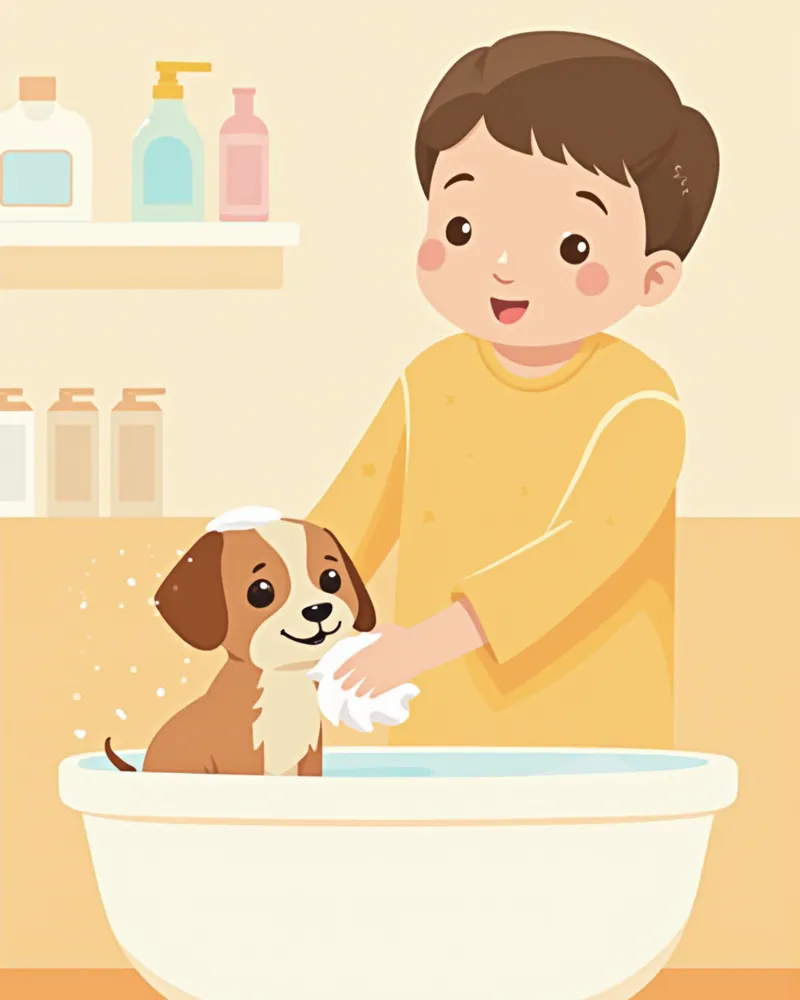
Medication works best when combined with environmental and lifestyle management. Just five minutes a day can significantly reduce itching. - Use a hypoallergenic shampoo once a week: Washing too frequently can damage the skin barrier. - Wipe paws after walks: Use a towel dampened with lukewarm water to clean between the toes. - Wash bedding once a week: Use hot water at 60°C or higher to eliminate house dust mites. - Maintain humidity at 50–60%: Dry air can worsen itching. - Keep a food diary: Record what your pet ate on days when itching intensified to help identify potential allergens.
Bathing a puppy

Reviewed by a veterinarian

Dr. Tony — Punnawat Phongkittirak

Dr. Tony — Punnawat Phongkittirak

Veterinarian

A veterinarian who majored in veterinary medicine at Khon Kaen University, Thailand, and completed the IVSA program at North Carolina State University in the United States. Drawing on clinical experience at animal hospitals, he works in the pet healthcare field and is dedicated to building a digital care environment that connects pet parents with veterinarians.

Frequently Asked Questions

Is it safe to apply human ointment to my dog when they’re itchy?
No, you shouldn’t. Human steroid ointments and antihistamine creams pose a risk of toxicity if ingested by dogs through licking, and their concentrations are not suitable for canine skin. Always use products prescribed by a veterinarian.
Can I bathe my pet every day?
It's best not to bathe your pet more than once a week. Washing too frequently can damage the skin barrier and actually worsen itching. However, it's perfectly fine to wipe just the paws with lukewarm water every day.
How much omega-3 supplement should I give to see results?
Omega-3 is a nutritional supplement used as an adjunctive treatment for skin conditions, and it typically takes several weeks of consistent administration to see results. However, the appropriate dosage and EPA/DHA content standards vary depending on the product and your pet’s weight and health status, so it’s safest to consult with a veterinarian to determine the right regimen. Most importantly, it’s essential to identify and address the underlying cause of the itching.
How can I tell if my pet has a food allergy?
The most accurate approach is a restricted diet trial—using hydrolyzed food or a novel protein source—for a set period under veterinary guidance. Over-the-counter allergy test kits (such as saliva or hair tests) are known to have no diagnostic value.
Will changing the environment alone help with severe itching?
In the early stages, symptoms may improve with environmental management alone, such as controlling humidity, maintaining cleanliness, and adjusting diet. However, if there is oozing, hair loss, or sleep disturbance, it indicates a more advanced stage requiring targeted treatment and medication, so a veterinary visit is necessary.

Share

Related Guides

References

[1] BSAVA Manual of Canine and Feline Dermatology, 4th Edition

[2] Veterinary Immunology, 11th Edition

[3] The Dog Care Handbook - Favrot 2010 Diagnostic Criteria for Canine Atopic Dermatitis

This information is based on veterinary literature and does not replace diagnosis or treatment. Please consult a veterinarian for specific health concerns.

Metapet Co., Ltd. | CEO: Park Sung-yong | Business Reg. No. 417-88-02562 | Seoul, South Korea | Customer Center

Why Is My Dog Scratching? — Allergy Causes & Care Picks | Meongsiljang