Like
Share
멍실장
강아지 가려움증 — 알러지·기생충·세균 원인별 의심 질환 가이드

Dog Itching — A Guide to Suspected Conditions by Cause: Allergies, Parasites, and Bacteria

Skin & CoatSymptomsMeongsiljang Veterinary Advisory Board

The most common causes of itching in dogs are allergies, parasites, and bacterial or fungal infections. You can make an initial assessment based on the affected area and accompanying symptoms, but if the itching persists for more than 24 hours, a veterinary examination is necessary.

What Is Dog Itching?

A close-up of a dog scratching its neck
Dog itching is often caused by allergies, parasites, or bacterial infections, leading to repeated scratching or licking of the skin. What truly matters is how long and where the itching occurs. If it persists for more than 24 hours or focuses obsessively on one area, it’s likely not just simple itching but a skin condition requiring treatment. Narrowing down the primary cause based on the affected area and accompanying symptoms, then visiting a veterinary clinic for accurate diagnosis, is the fastest path to resolution.

Assessing Urgency — Go to the Vet Now vs. Monitor

It’s not the itching itself, but the accompanying symptoms that determine whether it’s an emergency. If your pet’s face swells, breathing becomes labored, or hives suddenly appear all over the body, there may be anaphylaxis, and you should go to an emergency clinic immediately. On the other hand, if your pet has been scratching the same spot for several days but their appetite and activity level remain normal, it’s fine to observe them for 1–2 days and then visit a regular clinic. However, if the scratching is severe enough to cause bleeding, don’t wait—seek veterinary care right away.

Comparison of Itching Patterns by Cause

ItemAllergy (atopy)Parasites (fleas·ticks)Bacterial·fungal infection
Main areasFace·paw tips·ears·armpitsLower back·base of tail·neckSkin folds·paw pads·abdomen
Age of onsetMostly before 3 yearsAll agesAll ages (when immunity is weak)
SeasonalitySeasonality commonIncreases in summer·autumnRainy season·humid periods
Skin changesRedness·dandruffBlack specks (flea dirt)Odor·discharge·coin-shaped hair loss
Accompanying symptomsAccompanied by eye·ear inflammationWagging tail and biting behaviorSeborrheic odor·greasy skin

General patterns based on the Favrot diagnostic criteria and the BSAVA dermatology manual — an accurate diagnosis requires examination by a veterinarian.

Itching Signs You Must Check
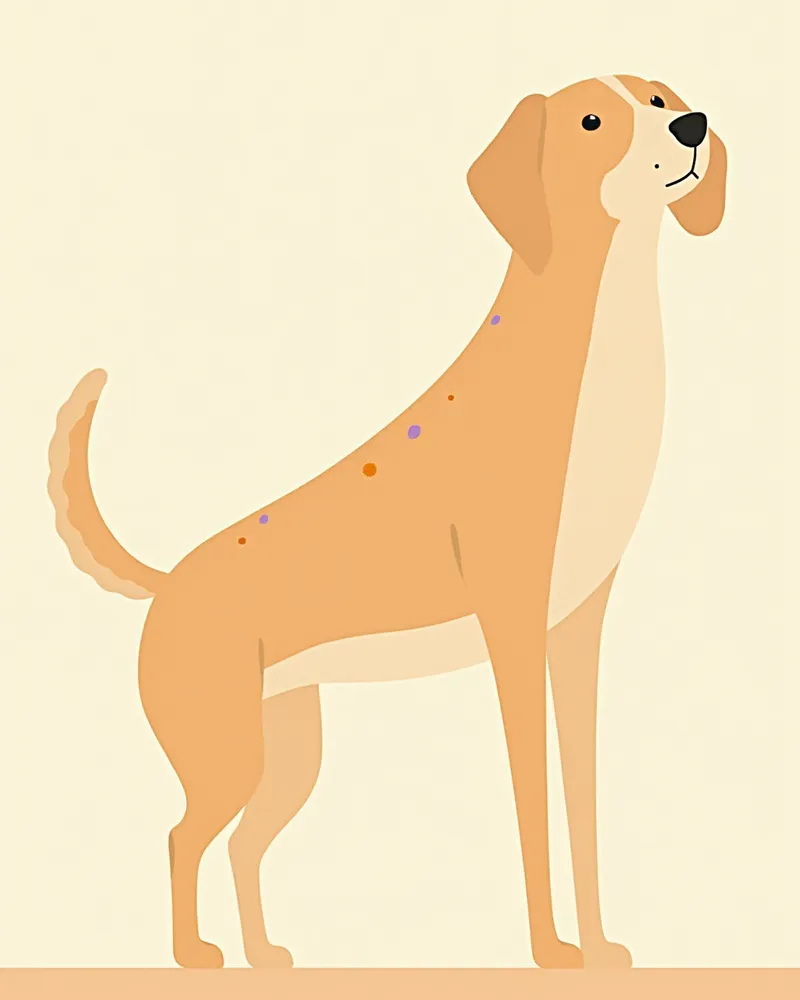
Here are the key signs you can monitor at home: - Localized itching: Intense scratching of the face, paws, or ears may indicate allergies. - Tail-chasing or biting: Frequent biting from the lower back to the tail base often suggests fleas. - Black specks: Pepper-like black granules found in the fur are likely flea feces. - Coin-shaped hair loss: Circular patches of hair loss may indicate a fungal infection (dermatophytosis). - Musty odor: A sour smell from the paw pads or skin folds may signal a Malassezia infection. - Head shaking: If accompanied by ear itching, this could indicate otitis externa or atopic dermatitis.
Illustration of Itch Patterns by Body Part in Dogs

Signs Requiring Immediate Emergency Care

If you notice any of the following signs, it may not be simple itching but a systemic allergic reaction (anaphylaxis). Seek emergency veterinary care within 30 minutes. - Sudden swelling of the face, lips, or around the eyes - Labored breathing, with pale or purple gums and tongue - Rapid spread of hives across the body - Excessive drooling accompanied by vomiting and diarrhea - Severe self-trauma resulting in bleeding that won't stop

Cause ① Allergies (Atopic Dermatitis and Food Allergies)

Allergies are the most common cause of chronic itching in dogs. Atopic dermatitis is a hereditary condition triggered by environmental allergens such as house dust mites and pollen. According to the Favrot diagnostic criteria, it typically begins before the age of three, responds well to steroids, and is characterized by a pattern of scratching primarily focused on the paws, face, and ears. Food allergies, on the other hand, cause year-round itching regardless of the season and are marked by recurrent inflammation around the anus and in the ears. It is also common for both types of allergies to occur simultaneously.
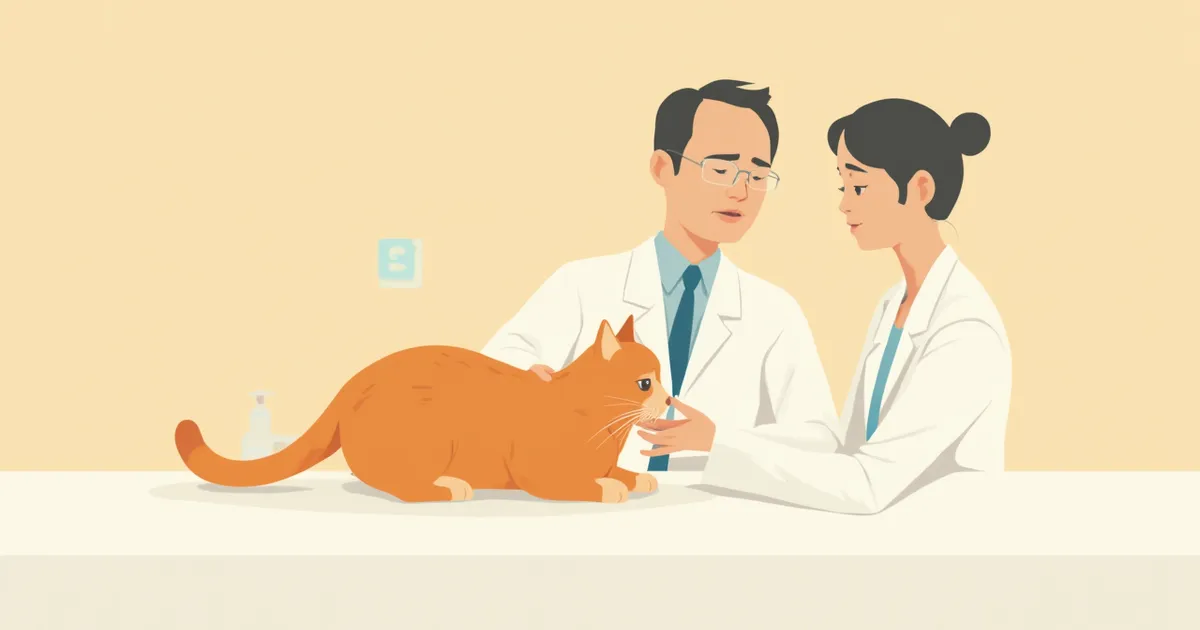
A veterinarian examining a puppy's skin.

Cause ② Parasites (Fleas, Mites, and Scabies)

Parasitic itching is one of the quickest conditions to diagnose and treat. Flea allergy dermatitis is characterized by intense itching triggered by even a single flea bite, typically concentrated on the lower back and base of the tail. Sarcoptic mange (caused by Sarcoptes scabiei) causes severe itching and dandruff year-round, regardless of season, commonly affecting the edges of the ears, elbows, and abdomen, and can temporarily transmit to humans. Demodex mites often begin as patchy hair loss in puppies with weakened immune systems. Monthly topical parasiticides help prevent fleas and ticks, but they do not prevent sarcoptic mange. Even dogs on regular preventive medication can develop sarcoptic mange, so if you suspect it, do not rely solely on prevention—seek separate diagnosis and treatment.

Cause ③ Secondary Bacterial and Fungal Infections

As your dog scratches, the skin barrier breaks down, allowing normally harmless bacteria (Staphylococcus) and yeast (Malassezia) to multiply rapidly. At this stage, you may notice a sour odor, oozing, yellow crusts, and greasy fur. According to the BSAVA Skin Manual, many dogs with atopy have concurrent bacterial and Malassezia infections, so both must be treated together to effectively relieve itching. If the underlying cause (allergies or parasites) isn’t addressed, antibiotics alone won’t prevent recurrence.

Diagnostic Tests at the Veterinary Clinic
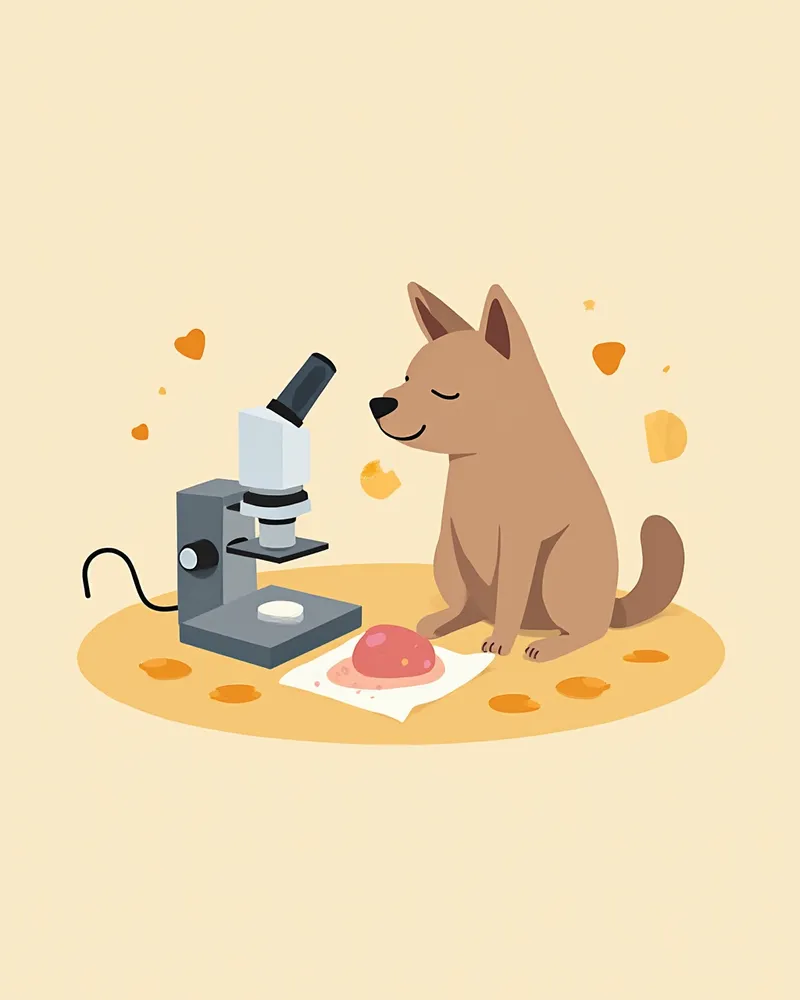
Veterinarians typically narrow down the cause step by step. First, they check for parasites, Malassezia, and bacteria using skin scrapings and tape tests, and differentiate dermatophytes with a Wood’s lamp and fungal culture. Skin cytology is a basic test performed on itchy animals to confirm Malassezia or bacterial infections. For food allergies, an 8-week elimination diet trial is the standard, while environmental atopy is diagnosed by ruling out other causes and then identifying allergens through intradermal or serum allergy testing to plan immunotherapy (allergy vaccines). Some allergy tests using saliva or hair are known to have low reliability, so diagnosis prioritizes standard tests like cytology and culture.
Illustration of skin scraping test for diagnosis

Cats React Differently

If you have multiple cats, keep this in mind: cats often express itching through excessive grooming or hair pulling rather than scratching. Unlike dogs, which may scratch vigorously, cats tend to lick one area repeatedly, leading to symmetrical hair loss. This can be a sign of allergic or stress-induced dermatitis. Medications that are safe for dogs can be toxic to cats, so never apply human or dog anti-itch ointments to your cat without veterinary guidance.

Home Care Measures

Here are some home care measures you can do alongside hospital treatment: - Reduce environmental allergens: Wash bedding weekly at 60°C or higher, and frequently clean carpets and rugs. - Use hypoallergenic shampoo: Bathe your pet every 2–3 weeks with a shampoo containing colloidal oatmeal and ceramides. - Moisturize after bathing: Apply a moisturizing spray to help restore the skin barrier. - Supplement with Omega-3: EPA and DHA can help reduce skin inflammation. - Elizabethan collar: If self-trauma is severe, use a collar for a short period to prevent worsening of the wounds. - Maintain preventive medications: Never skip external parasite preventives.

Reviewed by a veterinarian

Dr. Tony — Punnawat Phongkittirak

Dr. Tony — Punnawat Phongkittirak

Veterinarian

A veterinarian who majored in veterinary medicine at Khon Kaen University, Thailand, and completed the IVSA program at North Carolina State University in the United States. Drawing on clinical experience at animal hospitals, he works in the pet healthcare field and is dedicated to building a digital care environment that connects pet parents with veterinarians.

Frequently Asked Questions

Is it okay to briefly apply a human anti-itch ointment?
No, you shouldn't. Human steroid and antihistamine ointments pose a high risk of being licked off and ingested by dogs, and their side effects can vary depending on the application site. Always use only topical medications prescribed by a veterinarian.
Can switching to a different diet help reduce itching?
If food allergies are the cause, symptoms may improve after eight or more weeks on a single-protein elimination diet. However, environmental atopy cannot be resolved by dietary changes alone, so an accurate diagnosis is essential first.
Is it possible to have a flea allergy even when using external parasite preventatives?
Yes, it is possible. Preventive medications kill fleas quickly after they bite, but even a single bite can trigger an allergic reaction. If your dog’s walking environment has a high flea presence, additional environmental control measures are necessary.
Does itching that lasts for more than a month always mean an allergy?
Not necessarily. While allergies are a common cause of chronic itching, mites, Demodex, and endocrine disorders (such as Cushing’s disease and hypothyroidism) can also present with chronic skin symptoms. Diagnostic testing is needed to differentiate between these causes.
I was prescribed steroids. Is it safe to use them long-term?
Steroids are effective for relieving itching, but long-term use alone carries a risk of side effects. With the availability of targeted therapies like Cytopoint and Apoquel, it’s best to work with your veterinarian to develop a long-term management plan.

Share

Related Guides

References

[1] BSAVA Manual of Canine and Feline Dermatology, 4th Edition — Chapter on Pruritus and Atopic Dermatitis

[2] Favrot C. et al., A prospective study on the clinical features of chronic canine atopic dermatitis and their diagnostic value, Veterinary Dermatology, 2010

[3] Veterinary Immunology, 11th Edition — Type I Hypersensitivity and Atopic Disease

[4] The Dog Care Handbook — Pruritus Diagnostic Criteria

This information is based on veterinary literature and does not replace diagnosis or treatment. Please consult a veterinarian for specific health concerns.

Metapet Co., Ltd. | CEO: Park Sung-yong | Business Reg. No. 417-88-02562 | Seoul, South Korea | Customer Center

Dog Itching: Allergies, Parasites & Bacterial Causes Guide | Meongsiljang