

Emergency First Aid for Dogs and Cats Ingesting Toxic Plants
We’ve outlined the symptoms that dogs and cats may exhibit after ingesting toxic plants, along with the immediate emergency steps you should take. You’ll also find information on some of the most dangerous plants, including lilies, sago palms, and azaleas.
What Kind of Emergency Is Ingestion of Toxic Plants?

Representative Plants by Risk Level — Check If You Have Them at Home
Comparison of Common Toxic Plants for Pets
| Item | Lily | Sago Palm | Azalea/Rhododendron |
|---|---|---|---|
| At-risk species | Fatal to cats | Dogs and cats | Dogs and cats |
| Toxic parts | Entire plant (even pollen and water) | Seeds and entire leaves | Entire leaves and flowers |
| Main symptoms | Vomiting, acute kidney failure | Vomiting, liver failure, seizures | Vomiting, bradycardia, hypotension |
| Symptom onset | Within tens of minutes to several hours (delayed onset possible) | Within tens of minutes to several hours (delayed onset possible) | Within 30–45 minutes |
| Urgency | Highest (immediate hospital) | Highest (immediate hospital) | Highest (immediate hospital) |
Source: Compiled from veterinary toxicology textbooks including Blackwell's Small Animal Toxicology, 3rd edition
Suspect Toxic Plant Ingestion If These Symptoms Appear
Go to the Emergency Room Immediately in These Situations
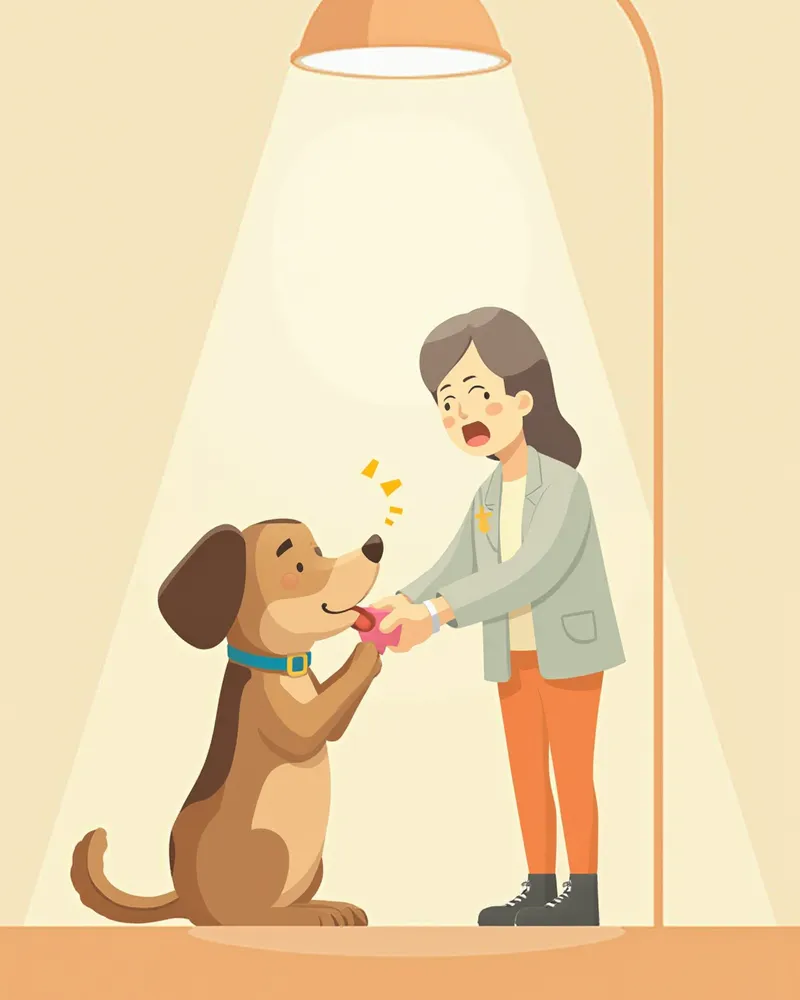
If any of the following apply, do not wait and watch—immediately take your pet to a 24-hour emergency animal hospital: - There is evidence your pet has mouthed lilies, sago palm, or azaleas (regardless of the amount ingested) - Vomiting is recurrent or contains blood - Your pet is stumbling or appears disoriented - There has been even a single episode of convulsions or seizures - Breathing is labored, and the gums are pale or bluish Bringing a photo of the plant, any remaining pieces, and if possible, a sample of the vomit will significantly speed up the diagnostic process.
Actions to Absolutely Avoid at Home vs. Actions to Take

What Treatment Is Provided at the Hospital?
A Message Especially for Cat Owners
Lilies are extremely toxic and potentially fatal to cats. All species in the Lilium and Hemerocallis genera—including tiger lilies, Asiatic lilies, and Oriental lilies—are dangerous. Even a single petal, pollen, or water from the vase can cause acute kidney failure. If you have a cat, the safest approach is to avoid bringing cut lilies or potted lilies into your home altogether. Always check bouquets you receive as gifts to ensure they don’t contain lilies.
In-Home Checklist to Prevent Accidents
Reviewed by a veterinarian

Dr. Tony — Punnawat Phongkittirak
VeterinarianA veterinarian who majored in veterinary medicine at Khon Kaen University, Thailand, and completed the IVSA program at North Carolina State University in the United States. Drawing on clinical experience at animal hospitals, he works in the pet healthcare field and is dedicated to building a digital care environment that connects pet parents with veterinarians.
Reviewed 2026-04-27
Frequently Asked Questions
Should I take my pet to the vet even if it just chewed on a plant a little and spat it out?
My pet threw up. Is it all out now?
Are there any plants that are completely safe for pets to keep indoors?
How long after an accident should I wait before feeling reassured?
Is it okay to keep activated charcoal or detoxifiers at home for preventive use?
Share
Related Guides

My Senior Cat Won’t Eat — A Complete Guide to Choosing Food for Cats with Weak Digestion

Top 5 Prescription Diets for Feline Pancreatitis Recommended by Veterinarians — Low-Fat, Highly Digestible Food Guide

Royal Canin vs Hill’s vs Purina vs Orijen — Which Brand Is Right for Your Pet, According to Veterinarians?

If You Left Your Dog in a Hot Car — Heatstroke Emergency Signs and Immediate Response

Dog Pancreatitis: How to Tell if It’s Acute or Chronic — From Symptoms to Dietary Management

Why Your Cat Is Meowing Excessively

Emergency Response for Respiratory Arrest — Golden Time Guide for Dog and Cat CPR

Causes of Frequent Urination in Dogs

Heartworm Infection Symptoms and Treatment

If Your Dog or Cat Falls from a Height — Dangerous Internal Injury Signs Even If They Look Fine
References
[1] Blackwell's Five-Minute Veterinary Consult Clinical Companion: Small Animal Toxicology, 3rd Edition, Chapter 118 Sago Palm (Cycads)
[2] Albretsen JC, Khan SA, Richardson JA. Cycad palm toxicosis in dogs: 60 cases (1987–1997). J Am Vet Med Assoc 1998;213(1):99–101
[3] Burrows GE, Tyrl RJ. Toxic Plants of North America, 2nd edn. Ames: John Wiley & Sons, 2013
[4] Clarke C, Burney D. Cycad palm toxicosis in 14 dogs from Texas. J Am Anim Hosp Assoc 2017;53:159–166