
Why Cats Eat Grass
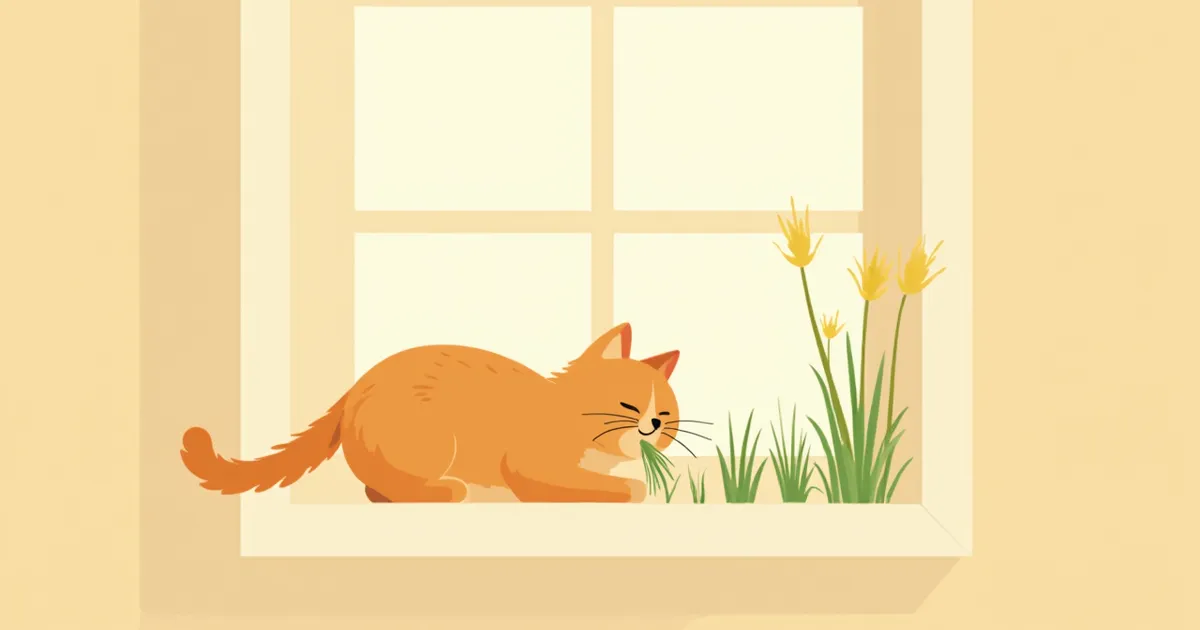
It’s completely natural for cats to nibble on grass, as it helps them pass hairballs, aids digestion, and satisfies their instinctual urges. However, it’s essential to keep them away from toxic plants.
Why Do Cats Eat Grass?
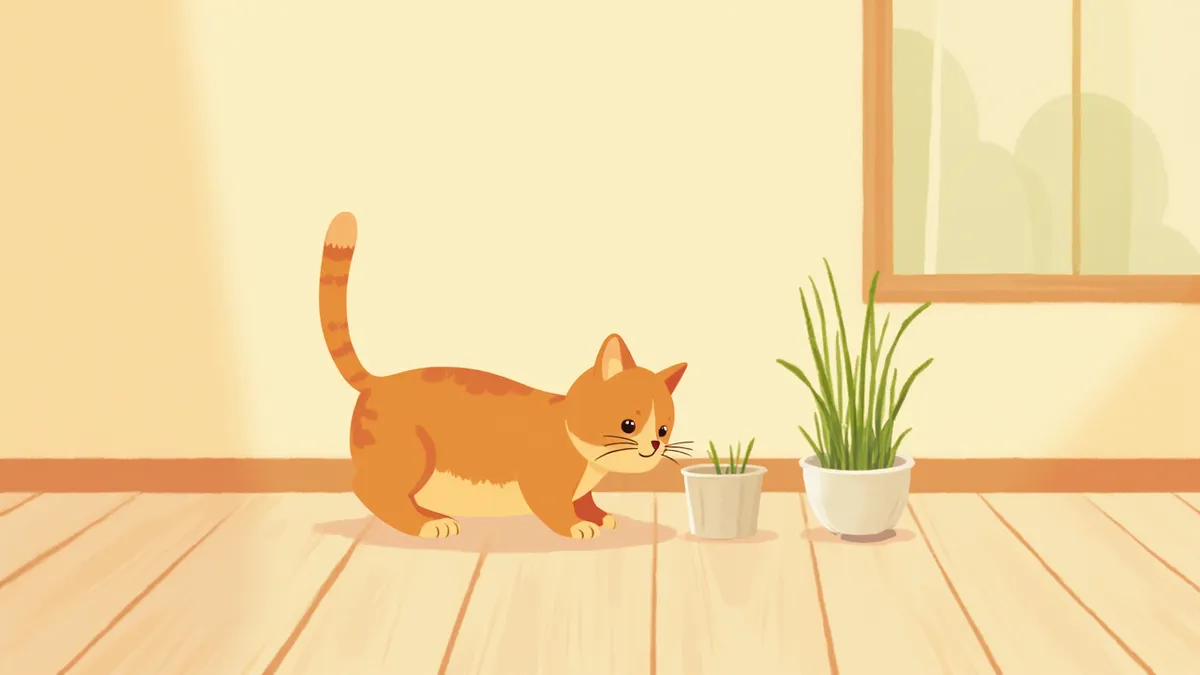
Step-by-Step Check for Grass Eating
Urgency Levels by Grass-Eating Situation
| Item | Mild | Needs monitoring | See vet immediately |
|---|---|---|---|
| Frequency | 1-2 times a week | Almost daily | Fixated multiple times a day |
| Behavior after ingestion | Same as usual | Recovers after vomiting 1-2 times | Repeated vomiting, lethargy |
| Plant eaten | Cat grass | Lawn grass, wild grasses | Foliage plants, lilies, tulips |
| Appetite | Maintained | Slightly decreased | Refusal for over 24 hours |
| Action | Just monitor | Identify the plant type | Go to emergency vet immediately |
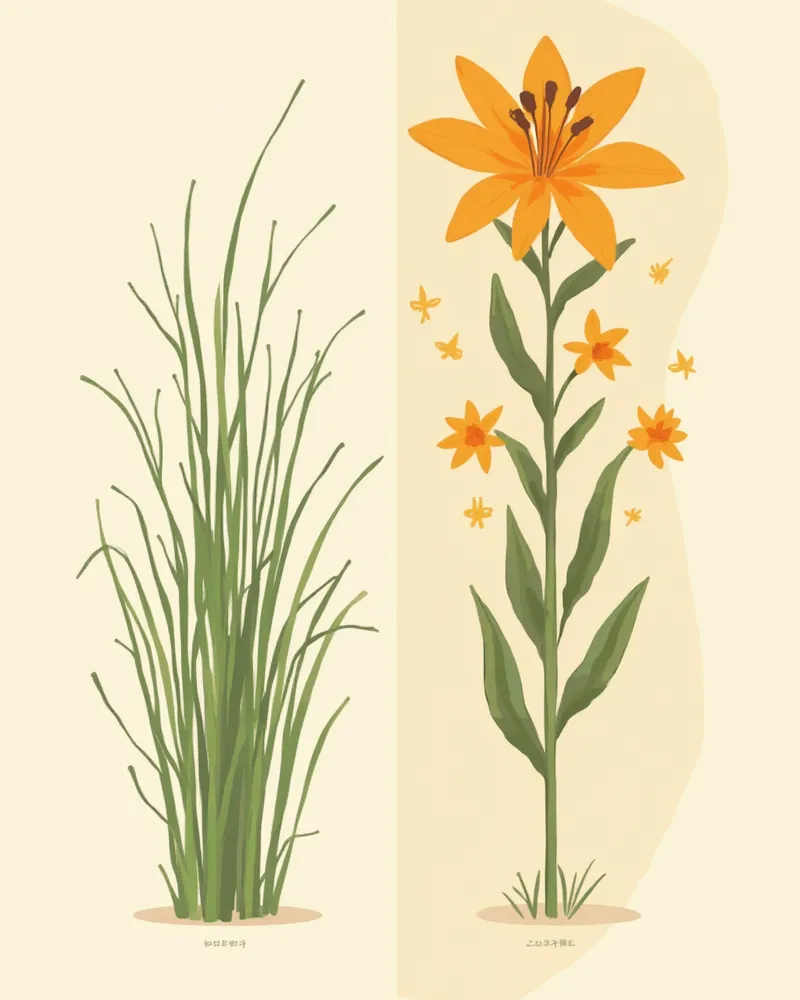
Lilies are extremely toxic to cats and can cause kidney failure.
Why Do They Eat It? Key Reasons Checklist

When to Go to the Vet Immediately
If you notice any of the following signs, it may not be simple instinct but a medical emergency: ① immediate ingestion of toxic plants such as lilies, tulips, dieffenbachia, or monsteras; ② vomiting three or more times within 24 hours; ③ inability to drink water and lethargy; ④ pale gums or rapid breathing; ⑤ a sudden decrease in urine output or urine that is dark yellow. Lilies are especially highly toxic to cats—even a single leaf or a lick of pollen can lead to acute kidney failure. Even if no symptoms are present, if ingestion is suspected, seek emergency veterinary care as quickly as possible, as this will determine the prognosis.
Dangerous Plants vs. Safe Plants
The Relationship Between Hairballs and Grass Eating
How to Safely Let Cats Eat Grass
Frequent Eating Doesn't Always Mean It's Normal
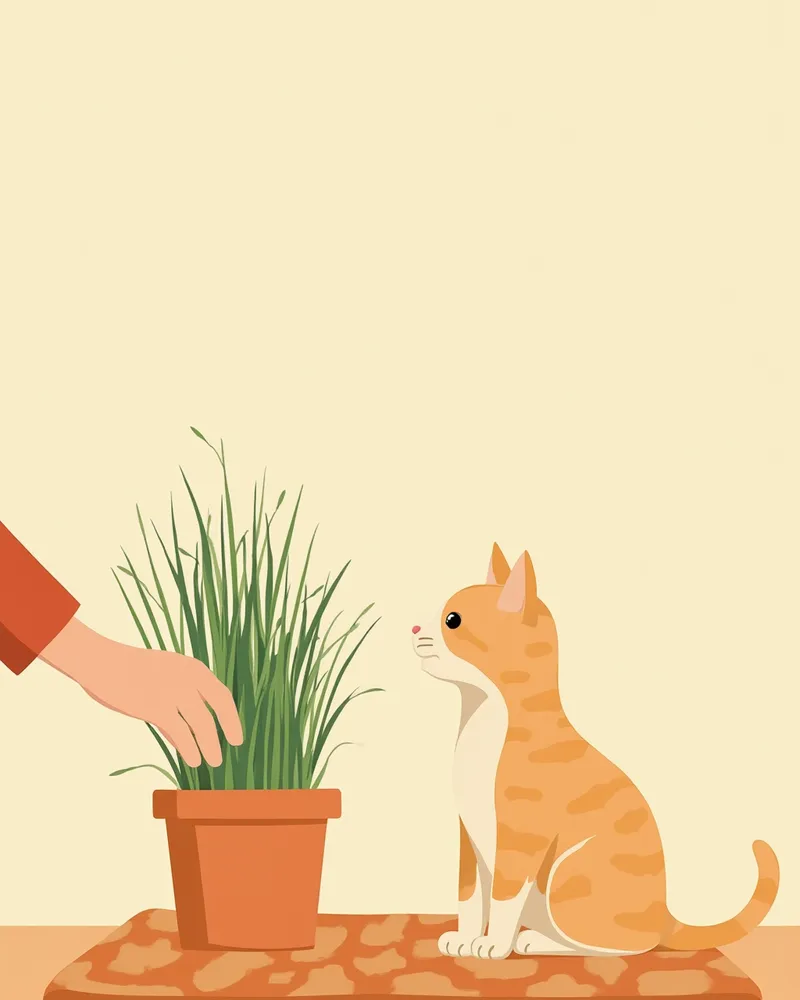
If your cat suddenly starts eating grass more often or obsessively chews on dirt, wallpaper, or plastic, it could be a sign of pica. Pica is a type of compulsive behavior disorder, often linked to early weaning stress or insufficient environmental stimulation. It’s important to first consult a veterinarian to rule out any underlying medical causes. Additionally, if your cat vomits every time after eating grass, it may indicate gastritis or inflammatory bowel disease (IBD). If you notice any unusual behavior, record a video and share it with your veterinarian.
Reviewed by a veterinarian

Dr. Tony — Punnawat Phongkittirak
VeterinarianA veterinarian who majored in veterinary medicine at Khon Kaen University, Thailand, and completed the IVSA program at North Carolina State University in the United States. Drawing on clinical experience at animal hospitals, he works in the pet healthcare field and is dedicated to building a digital care environment that connects pet parents with veterinarians.
Reviewed 2026-04-26
Frequently Asked Questions
Is it okay if my cat eats grass and then vomits?
Are there cats that don’t eat cat grass at all?
Can my pet eat the grass outside?
Can I give cat grass to kittens?
Is it dangerous even if my pet only briefly licked a lily?
Share
Related Guides
My Senior Cat Won’t Eat — A Complete Guide to Choosing Food for Cats with Weak Digestion
Top 5 Prescription Diets for Feline Pancreatitis Recommended by Veterinarians — Low-Fat, Highly Digestible Food Guide

Royal Canin vs Hill’s vs Purina vs Orijen — Which Brand Is Right for Your Pet, According to Veterinarians?

Causes of Dog Tremors and Assessing Urgency
Causes of Fever in Dogs and How to Respond
Emergency Response for Dog Heatstroke
Feline Stress Signals and Management: A Comprehensive Guide to Key Signs Owners Often Miss

When a Membrane Covers Your Cat’s Eye — Causes and Suspected Conditions of Third Eyelid (Nictitating Membrane) Exposure
Why Is My Cat Grooming So Much? — Causes of Overgrooming and Hidden Disease Signals

If Your Dog Ingested Xylitol — Step-by-Step Signals You Cannot Miss at 30 Minutes, 12 Hours, and 72 Hours
References
[1] Applied Veterinary Clinical Nutrition, 2nd Edition, Wiley-Blackwell
[2] The Cat, Clinical Medicine and Management, 2nd Edition, Elsevier
[3] Hart, B.L. & Hart, L.A. (2021). Why do cats eat grass? A survey of owner-reported behavior. Veterinary Behavior Symposium Proceedings.
[4] National Research Council (2006). Nutrient Requirements of Dogs and Cats. Washington, DC: National Academies Press.