Like
Share
멍실장
고양이 설사 원인과 응급 대처

Causes of Feline Diarrhea and Emergency Care

DigestiveSymptomsMeongsiljang Veterinary Advisory Board

I’ll share the main causes of diarrhea in cats, how to assess its urgency, and emergency care steps you can take at home.

When Should You Be Concerned About Your Cat’s Diarrhea?
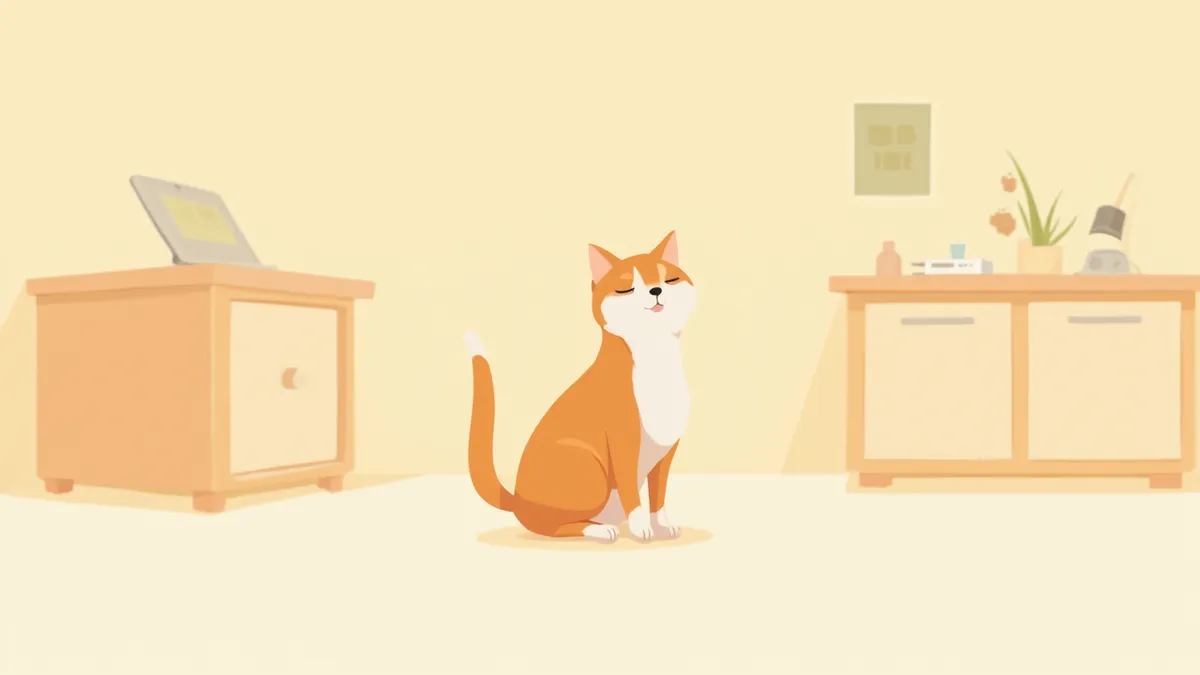
A cat sitting in a veterinary clinic examination room
The key factors are how long the diarrhea lasts and any accompanying symptoms. Most cases of feline diarrhea are temporary digestive issues that resolve within a day or two, but if you see blood in the stool or vomiting occurs alongside the diarrhea, seek veterinary care immediately. Kittens and senior cats are especially vulnerable to rapid dehydration, so it’s safest to have them examined by a veterinarian if diarrhea persists for more than 24 hours. This article outlines how to assess the urgency of diarrhea based on its cause and provides emergency care steps you can take at home.

Urgency Assessment Table by Diarrhea Characteristics

The urgency of your cat’s diarrhea depends entirely on its specific characteristics. Please refer to the table below to assess your cat’s condition.
Diarrhea CharacteristicsUrgency LevelRecommended Action
Loose stool 1–2 times, with good overall conditionLowMonitor for 12–24 hours
Watery diarrhea 3 or more times per dayModerateVisit the clinic on the same day
Bloody stool or black-colored stoolHighSeek emergency veterinary care immediately
Diarrhea accompanied by vomiting and lethargyHighSeek emergency veterinary care immediately
Diarrhea in kittens (under 6 months old)HighVisit the clinic within 12 hours

Watch Out If These Symptoms Occur Alongside Diarrhea
Be sure to check if your cat is showing any of the following symptoms alongside diarrhea.
Blood in stool: Bright red blood may appear mixed in the stool, or the stool may turn black. This could indicate intestinal bleeding.
Vomiting: If diarrhea and vomiting occur together, suspect infection or poisoning.
Loss of appetite: Refusing regular food or treats is a sign that your cat’s condition is worsening.
Lethargy: Your cat may stop responding to play and hide in corners.
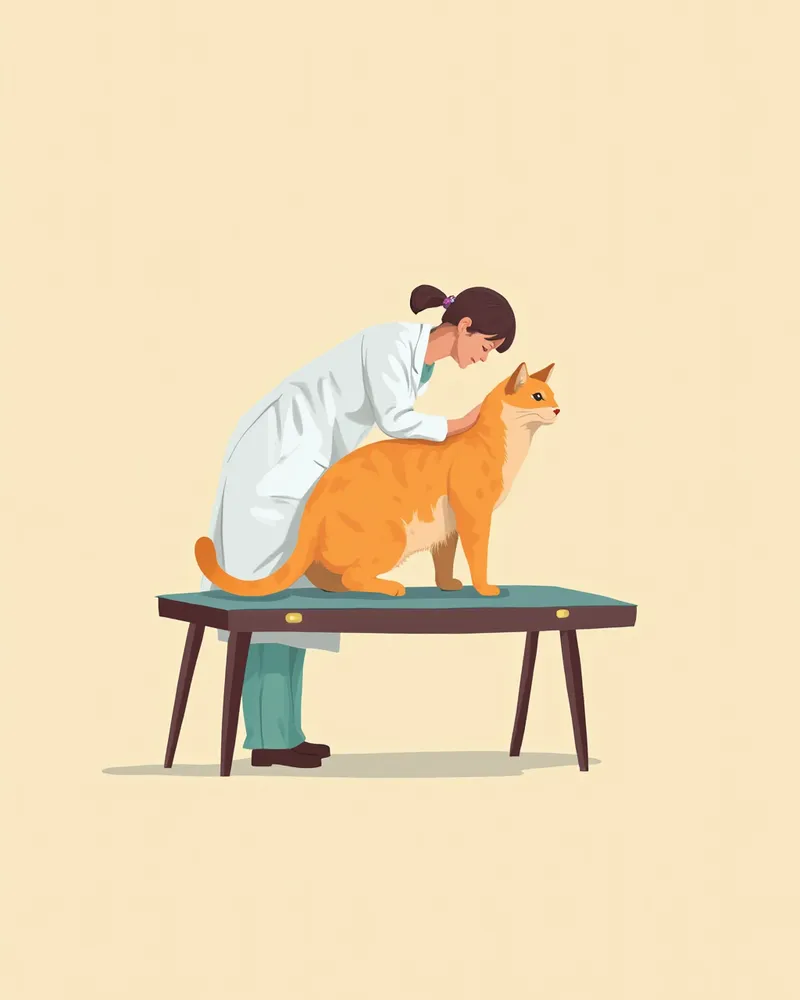
Dehydration: If the skin on the back of the neck returns slowly after being gently pinched and released, dehydration has progressed.
A veterinarian checking whether a cat is dehydrated.

Emergency Situations Requiring Immediate Veterinary Care

If watery diarrhea persists for more than 24 hours, if there is blood in the stool or black, tarry stools, or if vomiting and diarrhea occur repeatedly at the same time, it is an emergency. Because kittens have low body weight and dehydrate very quickly, take them to a veterinarian immediately if there is no improvement within 12 hours of diarrhea onset. Dry or sticky gums are a sign that dehydration is progressing. If the gums appear pale white or gray, this indicates a more serious emergency beyond dehydration, such as shock or poor circulation, requiring immediate transport to an animal hospital.

Main Causes of Feline Diarrhea – Dietary and Environmental Factors

The most common cause of feline diarrhea is dietary change. Adverse reactions to diet are well-known triggers for diarrhea in cats.
Sudden food transitions: Switching to a new food without gradually mixing it over 7–10 days can prevent the intestines from adapting, leading to diarrhea.
Dairy consumption: Dairy products like milk may not agree with some cats, causing diarrhea due to dietary intolerance. Therefore, it is best to avoid giving regular cow’s milk and stick to cat-specific options.
Ingestion of foreign objects: Swallowing items such as rubber bands, string, or plastic can irritate or obstruct the intestines, resulting in diarrhea.
Stress and environmental factors: Environmental changes such as moving, adding new family members, or relocating the litter box can trigger diarrhea. Other influencing factors include nearby plants, chemicals, foreign objects, and the health status of other cats living in the household.

Main Causes of Feline Diarrhea – Disease and Infection Factors
If it’s not a dietary issue, it could be a sign of an underlying disease or infection.
Parasitic infections: Intestinal parasites such as roundworms, coccidia, and Giardia can cause diarrhea, especially in kittens.
Viral infections: Feline panleukopenia virus infection can cause severe diarrhea along with vomiting.
Inflammatory bowel disease: Chronic, recurring diarrhea may indicate inflammation in the intestines.
Hyperthyroidism: In older cats, chronic diarrhea accompanied by weight loss could be a sign of thyroid problems.
A cat resting on a blanket at home

Emergency Care Steps You Can Take at Home

For mild diarrhea, you can try managing it at home first.
Hydration is the top priority: It’s essential to replenish fluids lost through diarrhea. Place fresh, clean water in several locations around your home. If your cat isn’t drinking as much as usual, try increasing the proportion of wet food in their diet.
12–24 hours of digestive rest: For adult cats only, reduce food intake for 12 to 24 hours. Afterward, offer small, frequent portions of easily digestible food, such as boiled chicken breast or a veterinary-prescribed diet.
Keep a record of bathroom habits: Taking photos to document the frequency, color, and presence of blood in the stool can be very helpful during your veterinarian’s examination.

Exercise Extra Caution with Kittens and Senior Cats

Kittens under six months have limited body water reserves, so they can develop dangerous dehydration within just a few hours of diarrhea starting. Never withhold food; instead, offer small amounts frequently and seek veterinary care promptly. Senior cats over ten years old may also have underlying health conditions, so it’s best to consult your veterinarian even for mild diarrhea.

Preventing Feline Diarrhea and Managing Gut Health
To prevent diarrhea, it’s important to maintain your cat’s gut health on a daily basis.
Transition food gradually: When switching to a new diet, mix it with the current food, increasing the new food by 10–20% each day over a period of 7–10 days.
Regular deworming: Even indoor cats can be exposed to intestinal parasites, so routine deworming is essential. The deworming schedule varies depending on your cat’s living environment, whether they go outdoors, and individual risk factors, so it’s best to consult your veterinarian to determine the appropriate plan.
Stress management: During environmental changes, provide a safe, quiet space where your cat can hide and feel secure.
Avoid dairy products: It’s best to avoid giving regular cow’s milk; instead, use only cat-specific milk if needed.
A healthy cat eating food from a clean bowl.

Reviewed by a veterinarian

Dr. Tony — Punnawat Phongkittirak

Dr. Tony — Punnawat Phongkittirak

Veterinarian

A veterinarian who majored in veterinary medicine at Khon Kaen University, Thailand, and completed the IVSA program at North Carolina State University in the United States. Drawing on clinical experience at animal hospitals, he works in the pet healthcare field and is dedicated to building a digital care environment that connects pet parents with veterinarians.

Frequently Asked Questions

If my cat’s diarrhea stops within a day, do I still need to take them to the vet?
If your pet is in good condition and has a normal appetite, you can monitor them for a day. However, if the same symptoms reappear within a week, there may be an underlying chronic issue, so it’s best to have them checked by a veterinarian.
Can I give my cat human antihistamines?
Absolutely not. Human anti-diarrheal medications can be toxic to cats. Always use only medications prescribed by a veterinarian.
Should I feed wet or dry food when my pet has diarrhea?
Since hydration is crucial, wet food is more beneficial. If a prescription diet that’s easy to digest is available, that’s ideal; otherwise, offering small amounts of boiled chicken breast is also a good option.
Can you determine the cause of your cat’s diarrhea by its color?
This can serve as a general reference. Yellow stool may indicate indigestion, black stool could suggest upper gastrointestinal bleeding, and bright red stool might point to lower intestinal bleeding. However, an accurate diagnosis requires a veterinary examination.
How quickly should I take my kitten to the vet if it has diarrhea?
If your pet is under six months old, it’s safest to visit the vet within 12 hours of diarrhea starting. Dehydration can progress very quickly, so if vomiting occurs as well, you should seek care even sooner.

Share

Related Guides

References

[1] Washabau RJ, Day MJ. Canine and Feline Gastroenterology. Elsevier, 2013. Chapter 59: Large Intestinal Diarrhea

[2] Nelson RW, Couto CG. Small Animal Internal Medicine. 6th ed. Elsevier, 2020. Part 4: Gastroenterology

[3] Ettinger SJ, Feldman EC, Côté E. Textbook of Veterinary Internal Medicine. 8th ed. Elsevier, 2017. Section XII: Gastrointestinal Diseases

This information is based on veterinary literature and does not replace diagnosis or treatment. Please consult a veterinarian for specific health concerns.

Metapet Co., Ltd. | CEO: Park Sung-yong | Business Reg. No. 417-88-02562 | Seoul, South Korea | Customer Center

Feline Diarrhea: Causes and Emergency Care | Meongsiljang