
Like
Share
멍실장
산책 중 부상 응급 대처

Emergency Response for Injuries During Walks

ImmunitySymptomsMeongsiljang Veterinary Advisory Board

We’ve compiled emergency response tips for injuries such as paw pad wounds, sprained ankles, and traffic accidents during walks, along with signs that indicate your pet needs immediate veterinary care.

What Are Injuries Sustained During Walks?

A pet owner checking on their dog’s condition after an injury during a walk
Injuries sustained during walks are emergencies that encompass any trauma your pet may suffer while outdoors, such as paw pad wounds, ankle sprains, traffic accidents, or collisions with other animals. The first five minutes are truly critical. If bleeding does not stop, your pet is completely unable to bear weight on a leg, or their consciousness seems clouded, you must go to a 24-hour veterinary clinic immediately. Even if an injury appears to be a minor abrasion, it may hide underlying infection or internal damage, so please examine your pet carefully.

3-Stage Injury Urgency Assessment Table

The urgency of your response to an injury sustained during a walk depends on the amount of bleeding, whether your pet can walk, and their level of consciousness. Please use the table below to first determine which stage your pet's condition falls into.

Response Guide by Urgency Level

ItemStage 1 (Mild)Stage 2 (Caution)Stage 3 (Emergency)
BleedingStops within 5 minutesRequires 10–15 minutes of pressureKeeps flowing / spurts like a fountain
GaitNormalLimpingCannot bear weight / paralyzed
ConsciousnessAlertRestlessDazed / collapsing
ResponseObserve at home, then visitVisit hospital the same dayImmediately to 24-hour emergency room

If even one item falls under Stage 3, go straight to the emergency room.

Checklist for Common Injuries During Walks
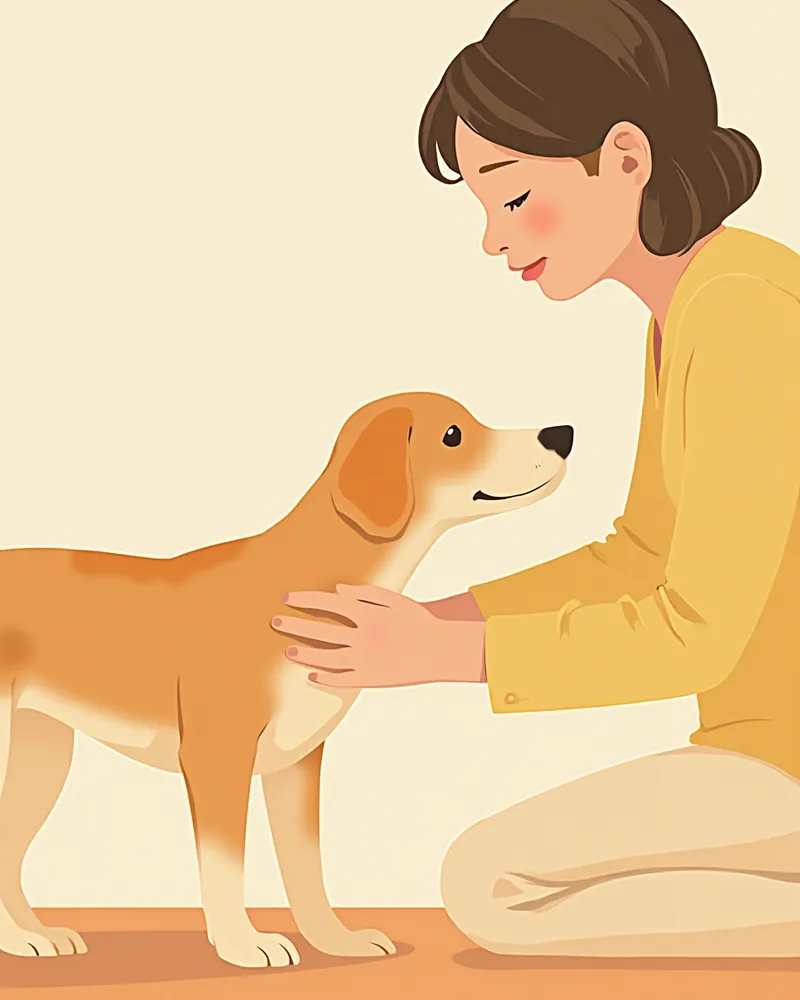
Injuries aren’t always visible on the surface, so it’s important to carefully check your pet’s entire body after returning home.
Lacerations on paw pads: These can occur from cuts or burns caused by glass, rocks, or hot asphalt.
Broken toenails: This often results in significant bleeding and severe pain.
Sprains in the ankles or knees: Your pet may limp after making a sudden turn or jumping.
Chest contusions: Rapid or labored breathing following a traffic accident or collision is a serious warning sign.
Foreign body insertion: Twigs or grass seeds can become lodged between the toes, in the eyes, or in the ears.
A pet owner’s hand gently checking their dog’s paw pads

Signs That Require Immediate Emergency Care

If you notice any of the following symptoms, do not attempt home treatment; take your pet to a 24-hour veterinary clinic immediately. These signs include decreased consciousness, pale or gray gums, very rapid or panting breathing, bleeding that does not stop after 10 minutes of pressure, a leg bent at an abnormal angle, or a distended, bloated abdomen. These signals may indicate internal bleeding, shock, or fractures, and time is critical for survival during transport.

Home First Aid for Wounds and Bleeding
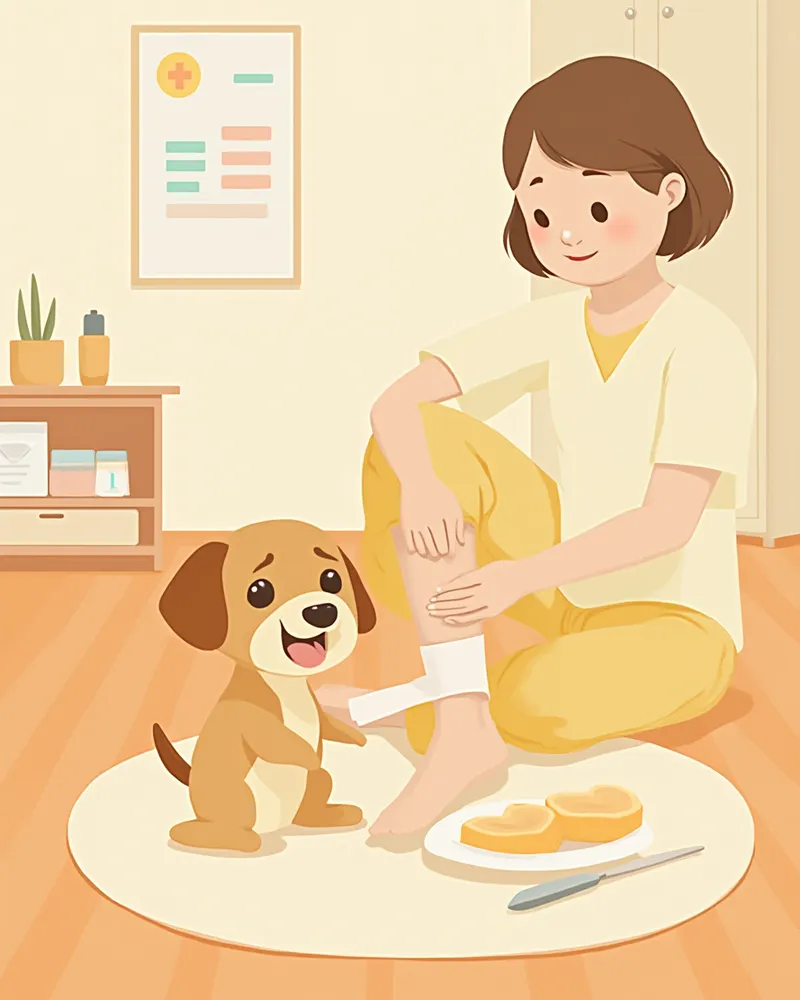
If the bleeding is minor, follow these steps before heading to the clinic. Step 1: Stop the bleeding – Apply firm, continuous pressure with a clean gauze pad or towel for 5 to 10 minutes. It is crucial not to lift or remove the material during this time. Step 2: Clean the area – Once the bleeding has stopped, gently rinse away any debris under a stream of lukewarm water. Step 3: Secure the dressing – Wrap the area with an elastic bandage, leaving enough room for one finger to fit underneath to ensure blood circulation is not restricted. Do not apply hydrogen peroxide or rubbing alcohol directly to the wound, as they can cause tissue damage.
Wrapping a bandage around a puppy's leg

When Fracture or Sprain Is Suspected

If your pet is completely unable to bear weight on a leg or the bone appears to be at an abnormal angle, there is a high likelihood of a fracture. In such cases, do not force them to move. Instead, stabilize the leg by wrapping it with a rigid object like cardboard or a magazine to create a makeshift splint, then wrap your pet entirely in a large towel or blanket for transport. For cats and small dogs, placing them in a laundry basket lined with a towel can help immobilize their body and reduce the risk of secondary injury. Never administer pain medication without a veterinarian’s prescription.

Mandatory Examination After Traffic Accidents or Collisions

If your pet has been hit by a bicycle, scooter, or car, or has collided with another dog, a veterinary examination is essential even if they appear fine on the outside. According to veterinary emergency medicine literature, conditions such as diaphragmatic hernia, pulmonary hemorrhage, and intra-abdominal bleeding may not show obvious symptoms immediately after blunt trauma but can develop over several hours to days. Monitor your pet’s respiratory rate, gum color, and appetite for at least 24 to 48 hours, and return to the clinic if you notice any changes. Following a car accident, X-rays, ultrasound, and blood tests are standard procedures.

Cat Walk Injuries Are More Dangerous

Cats have a strong instinct to hide pain, so they often quietly retreat to a corner even after being injured. After incidents such as escaping during walks, falling, or contact with other animals, you should closely monitor their breathing, appetite, and gait. In particular, chest trauma can lead to traumatic pulmonary contusion; even if your cat seems fine on the day of the accident, sudden respiratory distress may develop the following day. If you notice any changes from normal behavior after going out, please consult a veterinarian.

Key Points for Preventing Walk Injuries

Most injuries can be prevented with simple preparations.
Leash length: 1.2–1.5 m: Retractable leashes increase the risk of injury during sudden stops.
Check asphalt temperature: You should be able to hold the back of your hand on the surface for five seconds to prevent paw pad burns.
Inspect paw pads: Check the pads, nails, and spaces between toes before and after walks.
Vaccinations and deworming: These reduce the risk of infection after contact with other animals.
Reflective bands for nighttime: These help prevent traffic accidents during low-visibility hours.
A dog going for a walk with proper safety gear.

Reviewed by a veterinarian

Dr. Tony — Punnawat Phongkittirak

Dr. Tony — Punnawat Phongkittirak

Veterinarian

A veterinarian who majored in veterinary medicine at Khon Kaen University, Thailand, and completed the IVSA program at North Carolina State University in the United States. Drawing on clinical experience at animal hospitals, he works in the pet healthcare field and is dedicated to building a digital care environment that connects pet parents with veterinarians.

Frequently Asked Questions

A little blood is coming from my pet’s paw pad. Can I treat it at home?
If the bleeding stops naturally within 5 to 10 minutes and the wound is a minor abrasion, you can gently clean it and monitor the area. However, if swelling, fever, or discharge develops by the next day, there may be an infection, and a veterinary visit is necessary.
My dog is limping after a walk—should I go to the vet right away?
If your pet is limping slightly but can still bear weight on the leg, allow them to rest for 24 hours and monitor their condition. If there is no improvement or if they are unable to put any weight on the leg at all, seek veterinary care on the same day.
Can I use hydrogen peroxide or alcohol to disinfect a wound?
Do not use it, as it can damage tissue and delay healing. The safest approach is to gently rinse the area with lukewarm saline solution or clean running water.
It seems like a tick or grass seed has gotten into your pet’s ear. Is it safe to remove it?
Forcing a foreign object out of the sensitive ear area at home is not safe. Veterinary textbooks recommend leaving the object in place and immobilizing the ear until it can be safely removed at a veterinary clinic. Pulling on it forcefully can damage the eardrum or cause further tissue injury, so even if you can see the object, it’s best to have it removed professionally. During transport, keep your pet from scratching or shaking the affected ear.
Even if my pet seems fine right after an accident, should I still take them to the vet?
Yes, especially in cases of collisions with cars or bicycles, internal bleeding and diaphragmatic hernias may not manifest immediately. For safety, we recommend at least an X-ray and blood tests.

Share

Related Guides

References

[1] Harris GL, Brodbelt D, Church D, et al. Epidemiology, clinical management, and outcomes of dogs involved in road traffic accidents in the United Kingdom (2009–2014). Journal of Veterinary Emergency and Critical Care, 2018;28:140–148.

[2] King LG, Boag A. BSAVA Manual of Canine and Feline Emergency and Critical Care, 3rd Edition

[3] Silverstein DC, Hopper K. Small Animal Critical Care Medicine, 3rd Edition

[4] Little SE. The Cat: Clinical Medicine and Management, 2nd Edition

This information is based on veterinary literature and does not replace diagnosis or treatment. Please consult a veterinarian for specific health concerns.

Metapet Co., Ltd. | CEO: Park Sung-yong | Business Reg. No. 417-88-02562 | Seoul, South Korea | Customer Center

Dog and Cat Walk Injury First Aid: Emergency Steps for Pet Injuries | Meongsiljang