

Causes of Bad Breath in Dogs and Management Tips
We break down the causes of bad breath in dogs, from oral diseases to internal conditions, and provide a symptom checklist along with prevention and management tips.
Why You Should Not Overlook Bad Breath in Dogs

Three Levels of Bad Breath Severity
| Level | Odor Characteristics | Suspected Causes | Response |
|---|---|---|---|
| Mild | Temporary odor after meals | Food residue, dry mouth | Manage with brushing and dental chews |
| Moderate | Persistent foul or fishy odor | Tartar, gum inflammation | Schedule an oral exam at a veterinary clinic |
| Severe | Rotten or ammonia-like odor | Periodontal disease, liver or kidney issues | Visit a veterinary clinic immediately |
Watch Out If These Symptoms Appear Together
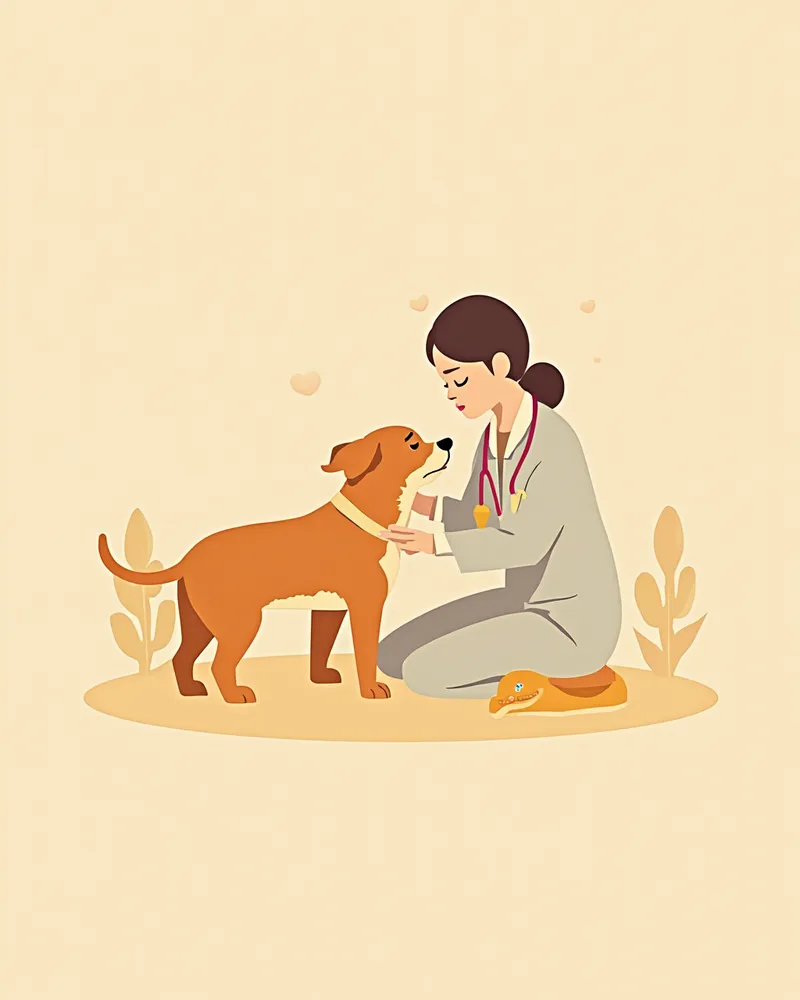
Go to the Vet Immediately If You Smell This
If your pet’s breath smells like ammonia (urine), it could indicate kidney disease; a sweet, fruity odor may suggest diabetic ketoacidosis. Bleeding gums or loose teeth point to advanced periodontal disease. If bad breath is accompanied by vomiting, diarrhea, loss of appetite, or lethargy, there’s a high likelihood of an internal organ issue, so please seek veterinary care promptly.
The Most Common Cause: Periodontal Disease
Check for Causes Outside the Oral Cavity

Treatment Methods by Cause
Owners of Small-Breed and Brachycephalic Dogs Should Be Extra Cautious
Small-breed dogs (such as Maltese, Poodles, and Yorkshire Terriers) have small jaws and crowded teeth, which makes them prone to tartar buildup and a higher incidence of periodontal disease. According to veterinary textbooks, dental disease becomes more common with age, and it is particularly prevalent in small-breed dogs weighing less than 5 kg and brachycephalic breeds. Therefore, it is important to regularly monitor your dog’s oral health and begin preventive care early in life. Brachycephalic breeds (such as Bulldogs and Pugs) are also at risk due to malocclusion and irregular tooth alignment, which facilitate tartar accumulation, so they require careful attention.
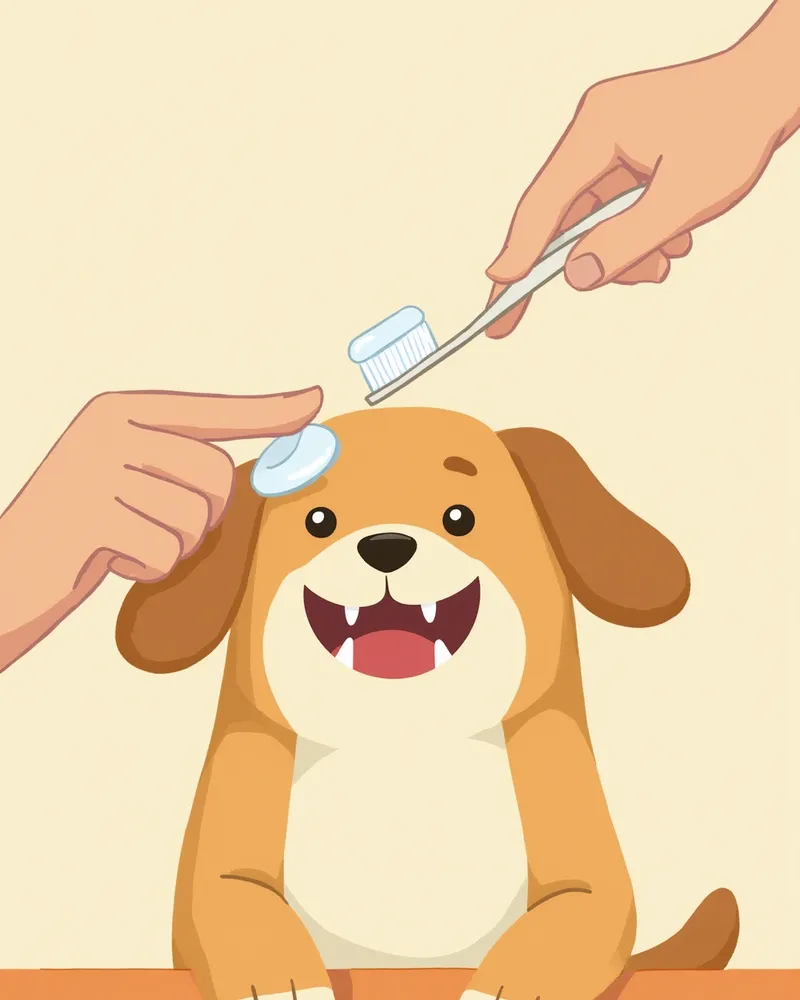
Prevention and Management Tips You Can Do at Home
Reviewed by a veterinarian

Dr. Tony — Punnawat Phongkittirak
VeterinarianA veterinarian who majored in veterinary medicine at Khon Kaen University, Thailand, and completed the IVSA program at North Carolina State University in the United States. Drawing on clinical experience at animal hospitals, he works in the pet healthcare field and is dedicated to building a digital care environment that connects pet parents with veterinarians.
Reviewed 2026-04-16
Frequently Asked Questions
My dog’s breath smells like fish. Why is that?
How can I care for a dog that dislikes having its teeth brushed?
How often should my pet get a dental scaling?
Do dog-specific oral sprays or water additives actually work?
My dog’s bad breath has suddenly gotten much worse. Should I take him to the vet right away?
Share
Related Guides

7 Best Cat Dental Chews for Tartar Prevention Recommended by Veterinarians and Selection Criteria

Top 5 Recommended Dental Treats for Dogs in 2026 — VOHC Certification Criteria

7 Criteria for Choosing Dog Tartar Prevention Dental Chews Recommended by Veterinarians
How to Handle Dog Bite Wounds: From First Aid to Veterinary Treatment

Emergency Response for Dog and Cat Fall Injuries
Emergency Response for Pets Swallowing Foreign Objects: Symptoms, Urgency, and Clinic Decision Guide

When Your Cat Is Drooling Excessively: Causes and Emergency Assessment Criteria
Cold Paws and Ears (Hypothermia Signs)

If Your Cat Is Drinking Too Much Water — Warning Signs of Kidney Disease and Diabetes, and How to Respond

Assessing Urgency When Your Cat Stops Eating
References
[1] Notes on Canine Internal Medicine, 4th Edition — Halitosis
[2] Englar, R.E. The Veterinary Workbook of Small Animal Clinical Cases — Case 21: Periodontal Disease and Halitosis
[3] Clinical Medicine of the Dog and Cat, 4th Edition — Periodontal Disease
[4] The Dog Care Handbook: Things I Wish My Vet Had Told Me — Dental Care