Like
Share
멍실장
고양이 머리기울임 원인과 단계별 대처법, 병원 가야 할 신호 총정리

Cat Head Tilt: Causes, Step-by-Step Management, and Signs Requiring Veterinary Care

Brain & CognitionSymptomsMeongsiljang Veterinary Advisory Board

If your cat suddenly tilts its head to one side, it may indicate a vestibular system disorder. Here’s a breakdown of the differences between peripheral and central causes, warning signs that require immediate veterinary care, and step-by-step management strategies.

What Is Feline Head Tilt?
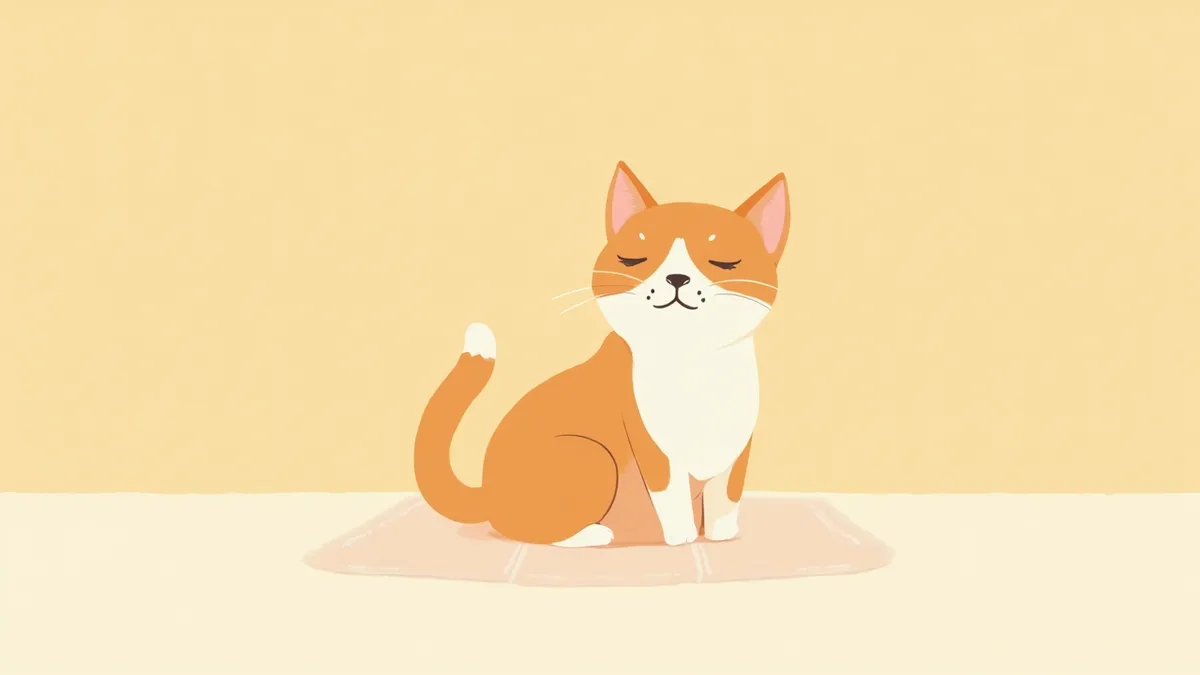
Cats showing head-tilting symptoms
Feline head tilt is a condition where the cat’s head remains persistently tilted to one side, indicating a problem with the vestibular system—the balance apparatus located from the inner ear to the brainstem. The most critical step is quickly determining whether the cause is peripheral or central. Peripheral vestibular disease, often caused by ear infections, usually resolves with treatment. In contrast, central vestibular disease may indicate serious conditions such as brain tumors or encephalitis, requiring immediate, thorough diagnostic testing. If the head tilt is accompanied by nystagmus (involuntary eye movements) or an inability to stand upright, prompt veterinary care is essential.

Peripheral vs. Central Vestibular Disease — Key Differences

ItemPeripheral (ear / inner ear)Central (brain / brainstem)
Main causeInner ear infection, ear polyp, idiopathicBrain tumor, encephalitis, stroke
Direction of nystagmus (eye flickering)Horizontal / rotaryVertical / multidirectional (warning sign)
Limb paralysisNoneMay be present
Change in consciousnessNormalDazed or reduced response
PrognosisMostly recoversVaries depending on the cause

If any one of vertical nystagmus, limb paralysis, or reduced consciousness is present, go to an emergency hospital immediately

Checklist of Accompanying Symptoms

If you notice head tilting along with any of the following symptoms, please write them down and share them with your veterinarian. Nystagmus (eye tremors): The pupils rapidly oscillate in one direction. Ataxia (loss of coordination): The pet stumbles or spins in circles. Vomiting and decreased appetite: These may occur due to dizziness caused by balance issues. Scratching at the ears or shaking the head: These behaviors are common when ear problems, such as otitis interna, are the underlying cause. Decreased postural reactions: The pet does not right itself immediately when placed on its back. Lethargy or confusion: The pet responds slowly or appears dazed when called by name.
Examples of symptoms of vestibular system disorders in cats

Signs Requiring Immediate Emergency Veterinary Care

Go to a 24-hour emergency veterinary clinic if any of the following apply: • The pupils are shaking up and down (vertical nystagmus) • One front or hind leg is paralyzed or weak • No response when called by name, or consciousness is clouded • Severe vomiting persists and the pet cannot drink water • Symptoms worsen or show no improvement at all for more than 48 hours

Main Causes — Why Does the Head Tilt?
The most common cause is otitis interna (inflammation of the inner ear). When infections, such as bacteria, spread from the middle ear to the inner ear, they can irritate the balance nerves, leading to head tilting. The second most common cause is idiopathic feline vestibular disease, which is most frequently seen in young cats but can occur at any age; it often appears suddenly and resolves on its own within a few weeks. Other potential causes include ear polyps (nasopharyngeal polyps), brain tumors, encephalitis, trauma (including excessive ear cleaning), and exposure to toxins or medications (such as ototoxic drugs like aminoglycosides and metronidazole). Because treatment varies significantly depending on the underlying cause, self-diagnosis is strongly discouraged.
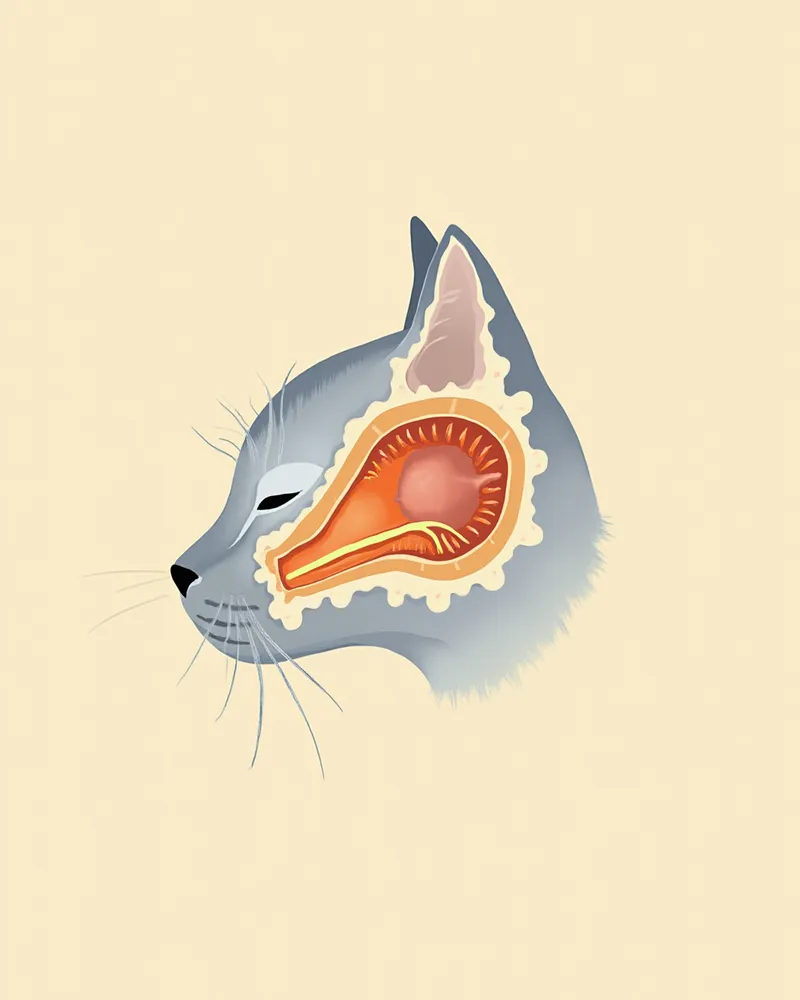
Diagram of the feline vestibular system (balance organs)

How Is It Diagnosed at the Veterinary Clinic?

The veterinarian will first perform a neurological examination to determine whether the issue is peripheral or central. Next, an otoscopic exam will check for inner ear inflammation or polyps, and blood tests will assess overall health. If a central cause is suspected, an MRI (magnetic resonance imaging) scan is necessary, as brain tumors and encephalitis are difficult to diagnose accurately without one. To help with the diagnosis, jot down when the symptoms started, how quickly they worsened, and whether any ear-related symptoms were present before the visit.

Treatment Options — Vary by Cause

Otitis interna: Antibiotics or antifungals are prescribed for several weeks, depending on the causative pathogen.
Idiopathic vestibular disease: Natural recovery is expected within a few weeks with rest and supportive care, without specific treatment.
Ear polyps: Removed via endoscopy or surgery.
Brain tumors or encephalitis: Depending on the cause, treatments such as steroids, chemotherapy, or radiation therapy may be necessary.
In any case, your veterinarian will determine the appropriate treatment plan based on your pet’s condition. It is important not to administer medication without veterinary guidance.
A veterinarian examining a cat.

Essential Home Care Guidelines

• Prevent your cat from climbing to high places, such as cat trees or window sills, as they may lose their balance and fall. • Place food and water bowls low to the ground in an easily accessible location for comfortable eating and drinking. • Provide a quiet, dimly lit space where your cat can rest comfortably. • Administer all prescribed medication for the full duration, even if symptoms appear to improve. Stopping treatment early increases the risk of recurrence.

Reviewed by a veterinarian

Dr. Tony — Punnawat Phongkittirak

Dr. Tony — Punnawat Phongkittirak

Veterinarian

A veterinarian who majored in veterinary medicine at Khon Kaen University, Thailand, and completed the IVSA program at North Carolina State University in the United States. Drawing on clinical experience at animal hospitals, he works in the pet healthcare field and is dedicated to building a digital care environment that connects pet parents with veterinarians.

Frequently Asked Questions

How urgent is it when a cat suddenly tilts its head?
If your pet is experiencing nystagmus (involuntary eye movements), unsteadiness, or vomiting, they should be seen by a veterinarian the same day. If there is paralysis in the limbs or any change in consciousness, take them to an emergency clinic immediately. If symptoms are mild and your pet is eating and drinking normally, it is acceptable to schedule an appointment for the following morning.
Does idiopathic vestibular disease resolve on its own?
In most cases, the head tilt improves within a few days to two weeks and nearly returns to normal within one to two months. However, even after full recovery, a slight head tilt may persist. It is essential to undergo differential diagnosis to rule out central nervous system disorders when the condition first appears.
Is an MRI really necessary?
If a peripheral cause is suspected, treatment is often started without an MRI. However, if there’s no response to treatment or if central signs such as vertical nystagmus or limb paralysis appear, an MRI of the brain and brainstem is necessary. If cost is a concern, discuss with your veterinarian to prioritize the most important tests.
Is it more dangerous if it suddenly appears in an older cat?
Idiopathic vestibular disease is actually more common in relatively young cats than in older ones, and the prognosis tends to be favorable. Therefore, if an older cat suddenly develops head tilt, the likelihood of central causes such as brain tumors increases with age, so it’s important to monitor the situation more closely. If there’s no improvement within a few days or if central signs appear, we recommend further diagnostic testing.
Could it be due to improper ear cleaning?
Cleaning deep inside the ear with cotton swabs or over-washing can irritate the inner ear and trigger vestibular symptoms. For safe ear cleaning, gently wipe only the entrance using a dedicated ear cleanser. It’s best to have the inner ear regularly checked by a veterinarian.

Share

Related Guides

References

[1] Parent JM. The cat with a head tilt, vestibular ataxia, or nystagmus. In: Rand J, editor. Problem-based feline medicine. Edinburgh, New York: Saunders; 2006. p. 835-51.

[2] Lavely JA. Pediatric neurology of the dog and cat. Vet Clin North Am Small Anim Pract. 2006;36(3):475-501.

[3] Silverstein DC, Hopper K, editors. Feline Emergency and Critical Care Medicine, 2nd Ed. Elsevier; 2015.

This information is based on veterinary literature and does not replace diagnosis or treatment. Please consult a veterinarian for specific health concerns.

Metapet Co., Ltd. | Seoul, South Korea | © 2024 Metapet Co., Ltd. All rights reserved.

Cat Head Tilt: Causes, Management & When to See the Vet | Meongsiljang