

Causes of Cat Eye Discharge and Management
Learn how to assess the urgency of your cat’s eye discharge based on its color and amount, along with cause-specific remedies and home care tips.
When Should You Be Concerned About Cat Eye Discharge?

Urgency Assessment Table by Discharge Color
| Discharge Color | Meaning | Urgency |
|---|---|---|
| Clear/Transparent | Normal tear secretion | Monitor |
| White/Gray | Possible mild irritation | Monitor for 1–2 days |
| Yellow | Suspected bacterial infection | Visit a clinic within 2–3 days |
| Green | High likelihood of bacterial infection | Seek prompt veterinary care |
| Red/Brown | Tear staining or bleeding | Veterinary evaluation required |
Watch Out If These Symptoms Appear Alongside

Cases Requiring Immediate Veterinary Care
If your kitten can’t fully open its eyes, has greenish eye discharge accompanied by a fever, or if the surface of the cornea appears cloudy, seek veterinary care immediately. Upper respiratory infections can progress rapidly in young kittens, potentially causing severe eye damage. Waiting a day or two to see if symptoms improve can be dangerous.
Infectious Causes: Viruses and Bacteria
Non-infectious Causes: Irritation and Structural Issues

Diagnosis and Treatment at the Veterinary Clinic
Feline Herpesvirus Is Difficult to Cure Completely
Feline herpesvirus remains latent in the body after initial infection. It can reactivate during periods of stress or when the immune system is compromised, leading to recurrent symptoms such as ocular discharge, conjunctivitis, and sneezing. Since a complete cure is not possible, managing recurrences is key, and it’s best to work with your veterinarian to develop a long-term care plan.
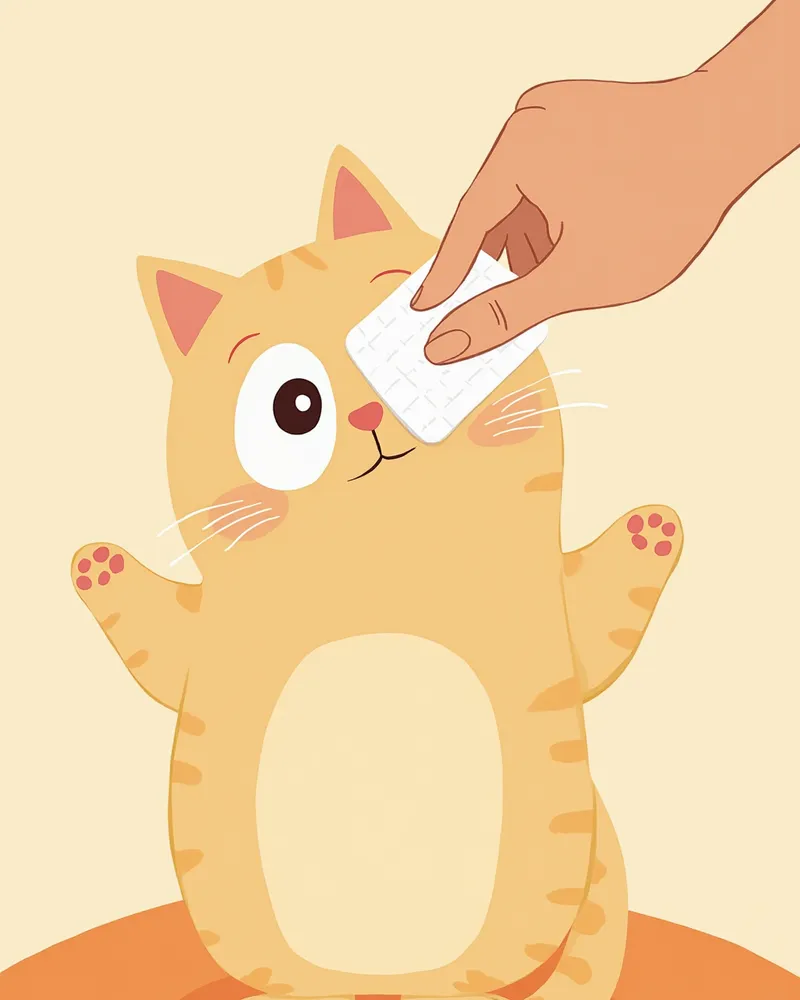
How to Manage Eye Discharge at Home
Reviewed by a veterinarian

Dr. Tony — Punnawat Phongkittirak
VeterinarianA veterinarian who majored in veterinary medicine at Khon Kaen University, Thailand, and completed the IVSA program at North Carolina State University in the United States. Drawing on clinical experience at animal hospitals, he works in the pet healthcare field and is dedicated to building a digital care environment that connects pet parents with veterinarians.
Reviewed 2026-04-14
Frequently Asked Questions
My cat only has eye discharge in one eye. Is this normal?
My kitten’s eyes are stuck shut with crust. What should I do?
The eye discharge is brown. Is it blood?
Can I use human artificial tears for my cat?
What can I do on a daily basis to help prevent eye discharge in my cat?
Share
Related Guides

Top 5 Dog Tear Supplements Recommended for 2026

What is Lutein? Effects on Dog Eye Health

The Best Canine Uveitis Management Products and Selection Criteria: A Comprehensive Guide

Cat Squinting: Causes, Step-by-Step Management, and Signs It’s Time to Visit the Vet

If Your Dog Is Squinting — Suspect Corneal Injury and Signs to Seek Veterinary Care
If Your Cat’s Belly Is Suddenly Swollen — Causes of Abdominal Distension and When to Visit the Vet

Causes of Weight Loss in Dogs, Step-by-Step Management, and Signs You Need to Visit the Vet: A Complete Guide

Why Is My Dog Suddenly Trembling? Causes and Emergency Signs Requiring Veterinary Care

Cat Head Tilt: Causes, Step-by-Step Management, and Signs Requiring Veterinary Care

Head Tilt in Dogs — Is It a Danger Signal? A Guide to When to Visit the Vet
References
[1] Esson DW, Calvarese S. Clinical Atlas of Canine and Feline Ophthalmic Disease, 2nd Ed. Wiley, 2022
[2] Maggs DJ, Miller PE, Ofri R. Slatter's Fundamentals of Veterinary Ophthalmology, 6th Ed. Elsevier, 2018
[3] Stiles J. Feline Herpesvirus. Veterinary Clinics of North America: Small Animal Practice, 2014;44(1):79-97