Like
Share
멍실장
강아지 기침 원인과 질병 구분법

How to Distinguish the Causes of a Dog’s Cough and Related Diseases

RespiratorySymptomsMeongsiljang Veterinary Advisory Board

We’ve outlined how to distinguish the causes of a dog’s cough—such as kennel cough, tracheal collapse, and heart disease—based on the sound and pattern of the cough, along with criteria for determining when it’s an emergency.

My Dog Is Coughing—What Disease Could It Be?

Illustration of a coughing puppy
Coughing in dogs can be a symptom of respiratory or cardiovascular issues, such as tracheal collapse, kennel cough, or heart disease. While some infectious coughs may resolve on their own like a common cold, coughs caused by tracheal compression or heart problems require prompt veterinary attention. If your dog’s cough persists for several days, if they appear to be struggling to breathe, or if their gum color changes, seek immediate veterinary care. This guide outlines the potential causes of different types of coughs, criteria for assessing urgency, and management tips for pet owners.

Urgency Levels by Cough Type at a Glance

Dog coughs can be broadly categorized into four types based on their sound and characteristics. Check the table below to see which category matches your dog’s cough.
Cough TypeSound CharacteristicsSuspected ConditionUrgency Level
Dry CoughHarsh, hacking, spasmodicKennel Cough (Infectious Tracheobronchitis)Moderate
Goose Honk CoughHonking sound, worsens with excitementTracheal CollapseHigh
Wet CoughRattling sound with phlegmPneumonia, Heart DiseaseHigh to Emergency
Reverse SneezingSnorting through the nose, rapid continuous inhalationNasal Irritation (Mostly Normal)Low

Are These Symptoms Occurring Alongside the Cough?

Noting any symptoms that accompany the cough can be very helpful in narrowing down the cause.
Increased nasal discharge or eye discharge: This suggests a high likelihood of an infectious respiratory disease. You should avoid contact with other dogs.
Coughing worsens with excitement or when drinking water: This may indicate tracheal collapse, which is particularly common in small-breed dogs.
Coughing is worse at night: This could be a cough caused by heart disease. An enlarged heart may compress the trachea, or fluid may accumulate in the lungs, leading to coughing.
Rapid breathing or panting: Pneumonia or severe bronchitis should be suspected. Prompt veterinary care is necessary.
Nausea or dry heaving: Severe coughing can trigger a gag reflex. It is also important to check whether the dog has swallowed a foreign object.
An illustration of a pet owner and a puppy checking for coughing symptoms

Emergency Coughs Requiring Immediate Veterinary Care

If your pet’s gums or tongue turn blue along with coughing, it means they’re not getting enough oxygen. Seek emergency veterinary care immediately if you notice difficulty breathing or decreased consciousness. In cases of severe tracheal collapse or serious cardiopulmonary disease, respiratory function can deteriorate rapidly alongside coughing, so prompt emergency treatment is essential. Also, if you see blood mixed in with the cough, take your pet to a veterinarian right away.

The Most Common Cause: Kennel Cough (Infectious Tracheobronchitis)

One common cause of coughing in dogs is kennel cough, which can be triggered by various pathogens such as Bordetella, canine influenza, canine parainfluenza, and canine respiratory coronavirus. According to veterinary internal medicine textbooks, kennel cough is often diagnosed based on medical history and physical examination findings. It typically presents with a dry, hacking cough that can be triggered by gently pressing on the neck. While most cases are mild and resolve on their own, puppies with weak immune systems and senior dogs are at risk of developing pneumonia, so close monitoring is essential. Due to its highly contagious nature, it's important to avoid contact with other dogs until your pet has fully recovered.

Tracheal Collapse, Common in Small-Breed Dogs
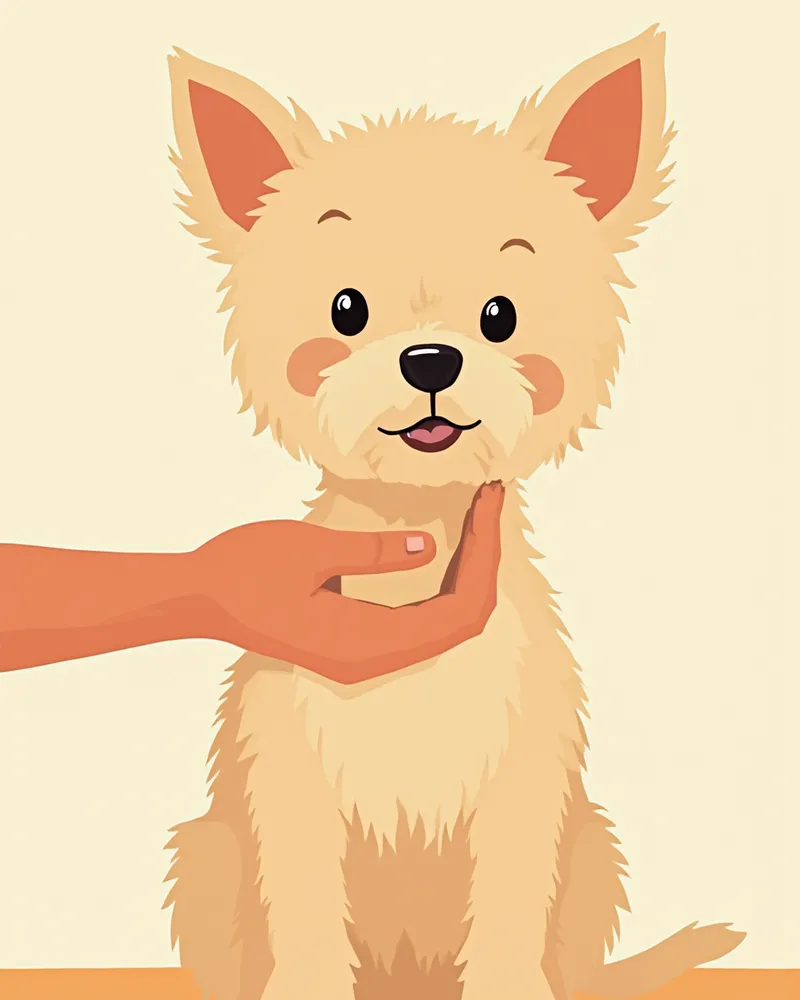
Tracheal collapse is a condition in which the cartilage supporting the trachea (the airway through which air passes during breathing) weakens, causing the trachea to flatten and collapse. According to veterinary critical care medicine textbooks, this progressive condition is especially common in small-breed dogs, such as Yorkshire Terriers, and tends to worsen with age. A characteristic "goose honk" cough is often observed, and coughing episodes may intensify during excitement or exercise, when a collar puts pressure on the neck, or while drinking water. In mild cases, the condition can be managed with weight control and switching from a collar to a harness; however, more severe cases may require medication or surgery.
Illustration of a small dog having its neck examined

Coughing Caused by Heart Disease

When heart function declines, fluid can accumulate in the lungs or an enlarged heart may compress the left main bronchus, leading to coughing. This is especially common in middle-aged and senior small-breed dogs with mitral valve insufficiency. Cardiac coughing may be accompanied by rapid breathing or difficulty breathing. As the condition progresses, dogs often exhibit prolonged panting after exercise and decreased energy levels. Since coughing alone makes it difficult to distinguish cardiac issues from respiratory diseases, chest X-rays and cardiac ultrasound examinations are necessary. If a heart condition is confirmed, appropriate treatment based on your veterinarian’s diagnosis is essential. Ongoing medication and regular check-ups are required for proper management.

Pay Special Attention to Small Breeds and Brachycephalic Breeds

Small breeds such as Yorkshire Terriers, Pomeranians, Chihuahuas, and Maltese are at higher risk for tracheal collapse. Brachycephalic breeds (those with short muzzles), including Pugs, Bulldogs, and Shih Tzus, have narrower airways, which can lead to more severe coughing. If your dog belongs to one of these breeds and is coughing, don’t dismiss it as a simple cold; it’s best to have them examined by a veterinarian.

Cough Prevention and Home Care
Keep vaccinations up to date: Administer the kennel cough vaccine (Bordetella vaccine) before boarding or grooming. While it doesn’t provide complete immunity, it can help reduce the severity of symptoms.
Maintain a healthy weight: Obesity worsens both tracheal collapse and heart disease. Proper weight management alone can help reduce coughing.
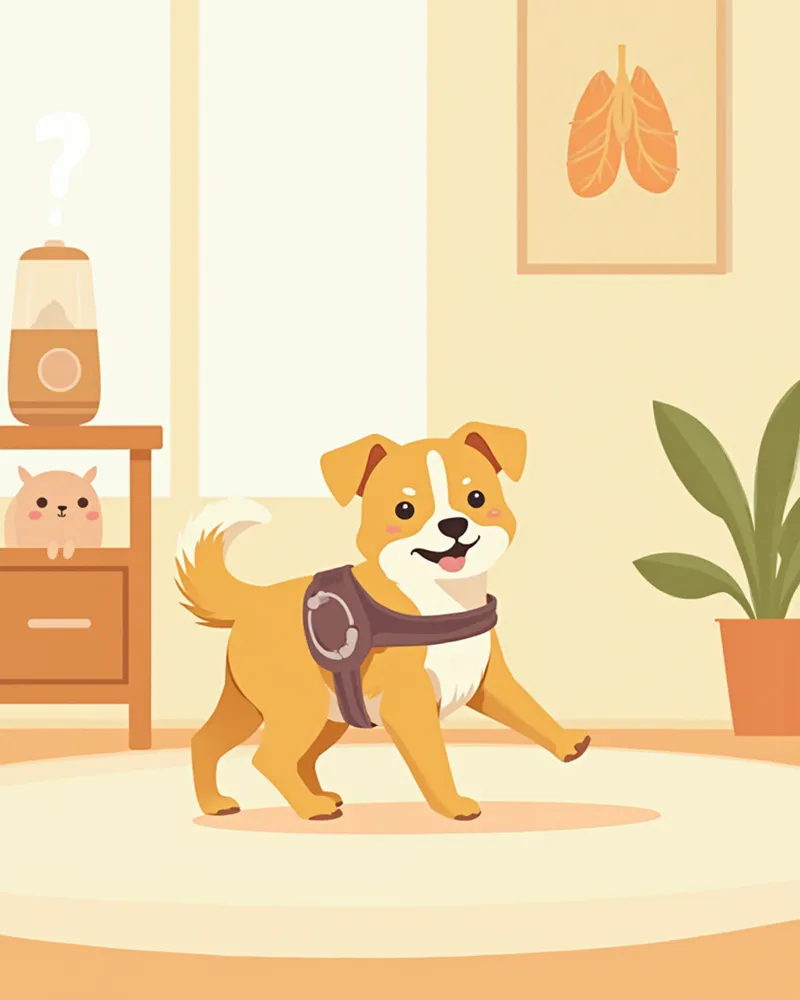
Use a harness instead of a collar: Collars that put pressure on the neck can irritate the trachea and trigger coughing. Switch to a harness.
Manage the indoor environment: Smoke, scented candles, and dusty environments can irritate the airways. Regular ventilation and the use of an air purifier can help.
Maintain appropriate humidity: Dry air can irritate the respiratory mucosa. Use a humidifier, especially during winter.
Illustration of a dog wearing a harness and living in a clean indoor environment

Reviewed by a veterinarian

Dr. Tony — Punnawat Phongkittirak

Dr. Tony — Punnawat Phongkittirak

Veterinarian

A veterinarian who majored in veterinary medicine at Khon Kaen University, Thailand, and completed the IVSA program at North Carolina State University in the United States. Drawing on clinical experience at animal hospitals, he works in the pet healthcare field and is dedicated to building a digital care environment that connects pet parents with veterinarians.

Frequently Asked Questions

Should I take my dog to the vet if the coughing persists for several days?
If your pet’s cough persists for several days or worsens, it’s best to visit the vet. Seek care even sooner if you notice a loss of appetite or decreased energy.
How can you tell the difference between reverse sneezing and coughing?
Reverse sneezing is when your pet rapidly inhales air through their nose, making a snorting sound. Coughing, on the other hand, involves exhaling air with a hacking sound. Reverse sneezing is usually normal, but if it happens frequently, please consult your veterinarian.
Can kennel cough be transmitted to humans?
Kennel cough is a highly contagious respiratory disease that primarily spreads among dogs. For accurate information on the possibility of transmission to humans, please consult directly with a veterinarian.
Can I give my coughing dog human cough medicine?
Absolutely not. Human cough medicines may contain ingredients that are toxic to dogs. Always use only medications prescribed by a veterinarian.
My dog is coughing and vomiting white foam. Is this normal?
After a severe coughing fit, phlegm or stomach acid may come up, causing your pet to vomit white foam. If this happens just once or twice, there’s usually no need for concern. However, if it keeps recurring, it could be a sign of bronchitis or a gastrointestinal issue, so please have your pet checked by a veterinarian.

Share

Related Guides

References

[1] Johnson, L.R. Canine and Feline Respiratory Medicine, 3rd Edition — Tracheal Collapse, Saunders

[2] King, L.G. Textbook of Respiratory Disease in Dogs and Cats — Part Five: Disorders of the Trachea and Bronchi, Saunders

[3] Silverstein, D.C. & Hopper, K. Small Animal Critical Care Medicine, 3rd Edition — Tracheal Collapse, Elsevier

[4] Smith, P. 100 Top Consultations in Small Animal General Practice — Ch 54: The Dog with Kennel Cough

[5] Englar, R.E. The Veterinary Workbook of Small Animal Clinical Cases — Case 42: Kennel Cough

This information is based on veterinary literature and does not replace diagnosis or treatment. Please consult a veterinarian for specific health concerns.

Metapet Co., Ltd. | CEO: Park Sung-yong | Business Reg. No. 417-88-02562 | Seoul, South Korea | Customer Center

Dog Coughing: Causes & How to Tell Related Diseases | Meongsiljang