Like
Share
멍실장
고양이 물 많이 먹을 때 원인과 대처법

If Your Cat Is Drinking Too Much Water — Warning Signs of Kidney Disease and Diabetes, and How to Respond

WeightSymptomsMeongsiljang Veterinary Advisory Board

Sudden excessive water drinking in cats can be a classic sign of conditions such as kidney disease, diabetes, or hyperthyroidism. If your cat drinks more than 45 ml per kilogram of body weight per day, a veterinary checkup is recommended.

Excessive Water Intake in Cats: When Does It Become a Warning Sign?
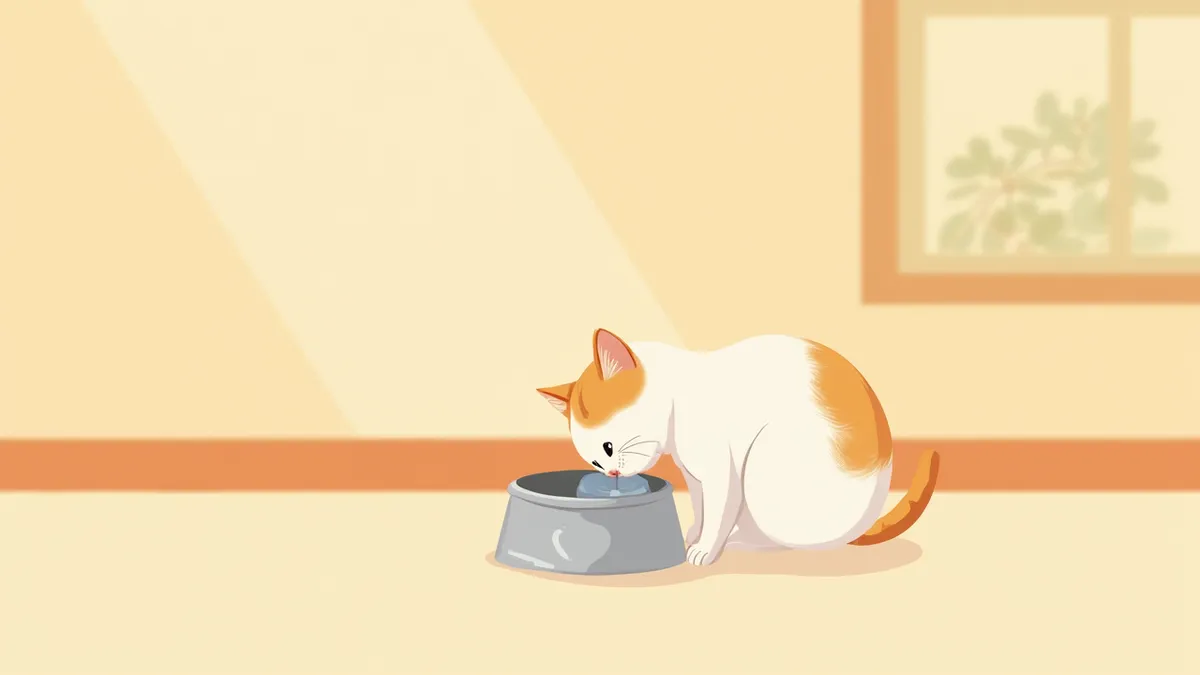
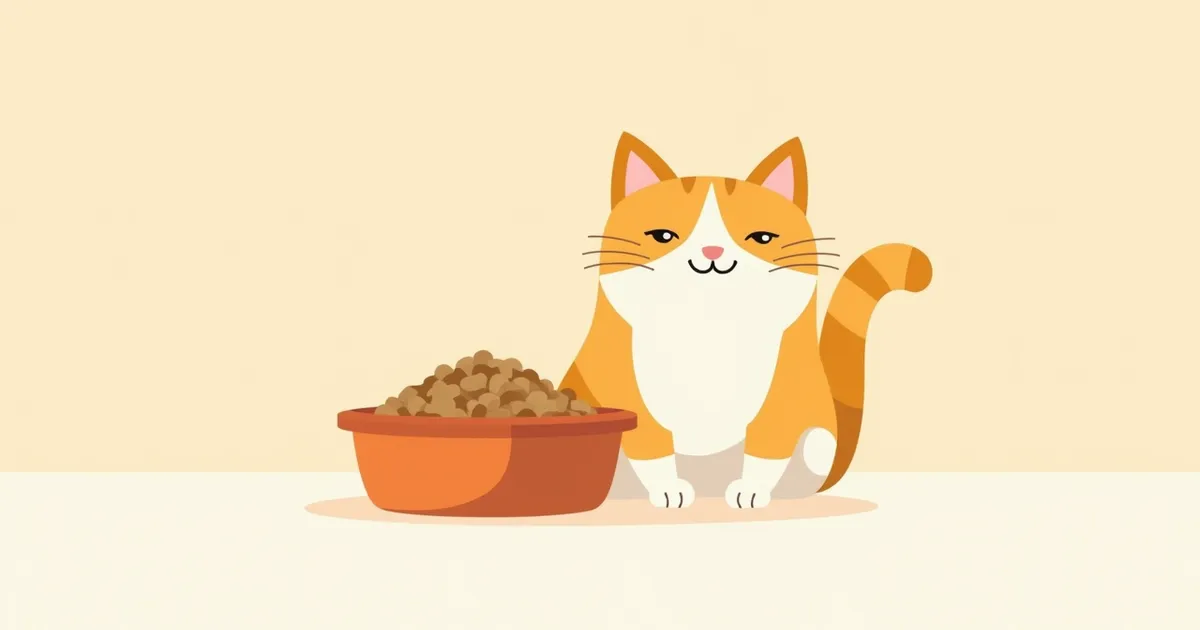
Cats drinking water
Excessive water intake in cats, or polydipsia, is a warning sign indicating that a cat’s daily water consumption exceeds 45 ml per kilogram of body weight. The most important factor is the baseline. If a 5 kg cat drinks more than 225 ml per day (roughly 1.5 standard paper cups), it may not just be due to heat; kidney disease, diabetes, or thyroid disorders should be considered. If increased urination (polyuria) occurs alongside excessive drinking, a veterinary examination within 24 hours is necessary.

Normal vs. Abnormal Water Intake Criteria

According to standard veterinary internal medicine textbooks, a cat’s normal daily water intake is 45 ml or less per kilogram of body weight. Normal urine output ranges from approximately 20 to 40 ml per kilogram per day, and a cat is considered to have polyuria (excessive urination) if its daily urine output exceeds 40 ml per kilogram. Cats that eat only dry food naturally drink more water than those that eat wet food.

Daily Water Intake Guidelines by Body Weight

ItemNormal RangeSuspected Polydipsia
3kg135ml or lessMore than 135ml
4kg180ml or lessMore than 180ml
5kg225ml or lessMore than 225ml
6kg270ml or lessMore than 270ml
7kg315ml or lessMore than 315ml

With a mainly dry-food diet, intake may be near the upper limit. If it exceeds this for 3 consecutive days, a clinic examination is needed.

5 Main Causes of Excessive Water Intake in Cats
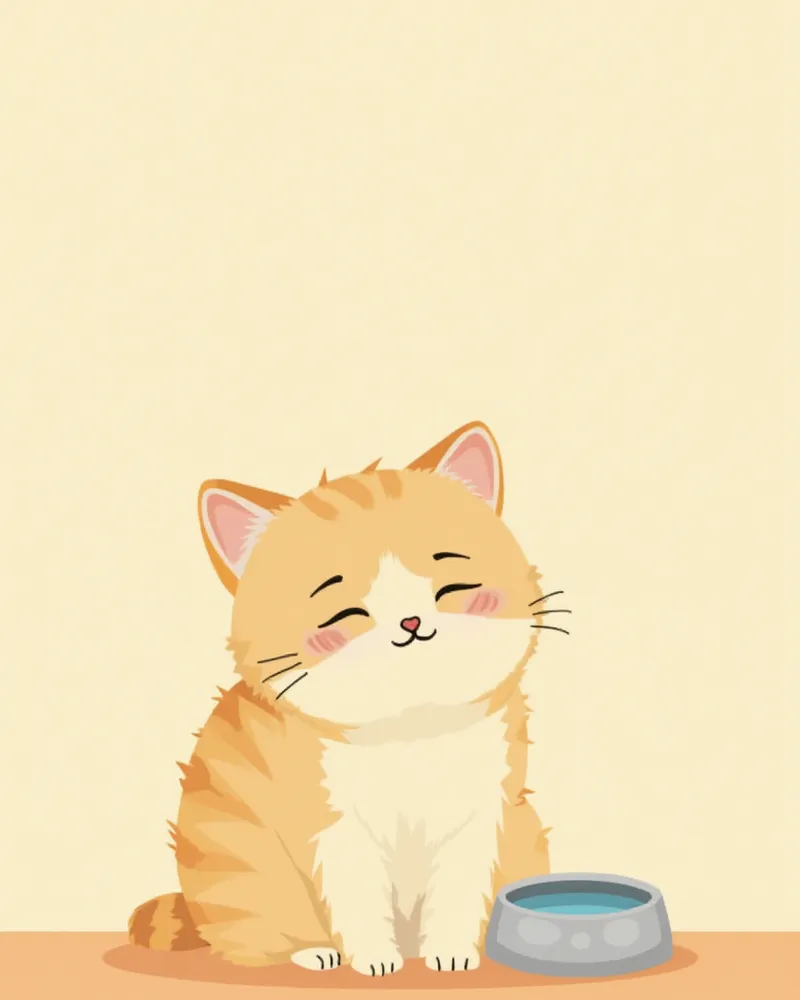
In cats, excessive thirst is most often caused by endocrine or kidney disorders. The key underlying causes to consider are as follows: - Chronic Kidney Disease (CKD): The most common cause in cats aged 7 years and older. - Diabetes Mellitus: Frequently occurs in cats that are obese or fed a high-carbohydrate diet. - Hyperthyroidism: Typically presents with weight loss in cats aged 10 years and older. - Diabetes Insipidus and Adrenal Disorders: Abnormalities in antidiuretic hormone regulation can lead to severe polyuria and polydipsia. - Hypercalcemia and Liver Disease: Less common, but dangerous if overlooked. Note: While urinary tract infections and cystitis can cause frequent urination, they are not classified as primary causes of true polydipsia exceeding 45 ml per kg of body weight.
Senior Cats and Water Bowls

Warning Signs Requiring Immediate Veterinary Attention

If your pet shows any of the following symptoms along with increased water intake, please visit a veterinary clinic within 24 hours: - Noticeable weight loss within two weeks - Recurrent vomiting or diarrhea - Excessive urination or significantly reduced urination - Sudden loss of appetite or, conversely, overeating - Dull, dry coat and lethargy In particular, if an older cat displays these signs, there is a high likelihood of kidney disease or a thyroid disorder.

How to Measure Water Intake at Home
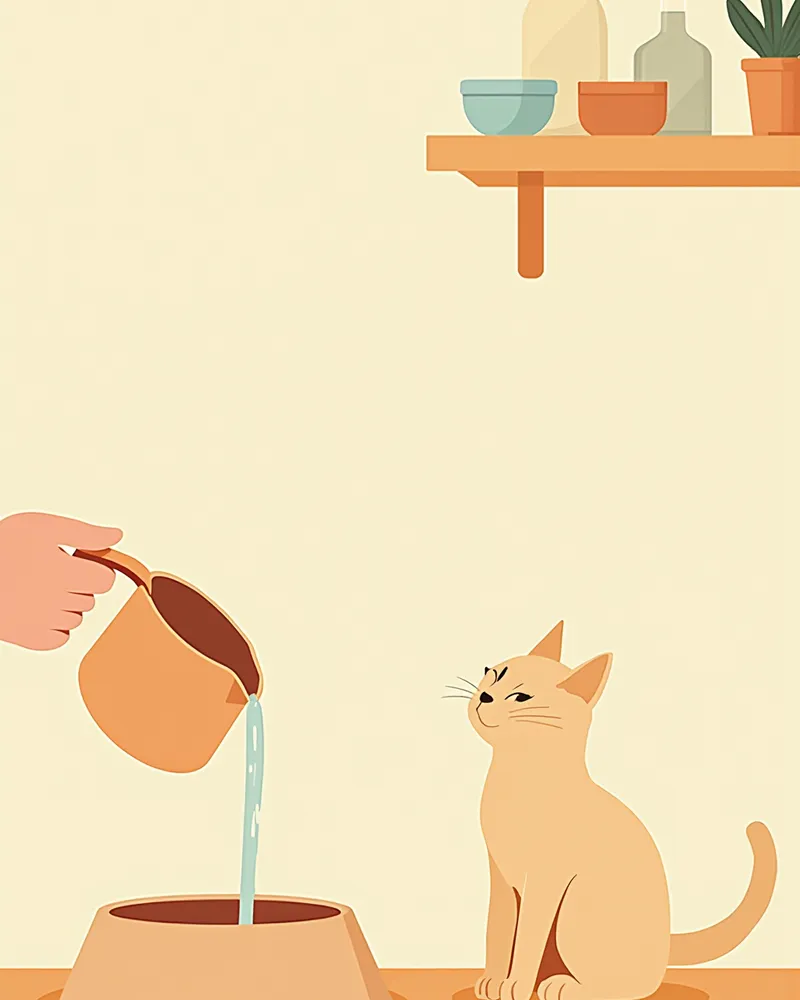
You can determine whether further action is needed by simply monitoring at home for three days. - What you’ll need: A measuring cup or a water bowl with volume markings - How to do it: Fill the bowl with a set amount in the morning, then measure how much is left after 24 hours - If you have multiple pets: Feed and measure each pet separately in different rooms - Including wet food: Since wet food contains significantly more moisture than dry kibble, record the amount (in grams) of wet food given so your veterinarian can use it to estimate total daily water intake If the three-day average exceeds the baseline, write down your measurements and bring them to the clinic. This will help speed up the diagnostic process.
Measuring water with a measuring cup

What Tests Will Be Performed at the Clinic?

Testing for feline polyuria-polydipsia (PU/PD) proceeds step by step. Veterinary textbooks recommend the sequence of "urinalysis → blood tests → imaging studies." - Urinalysis (specific gravity): Assesses the kidney's concentrating ability and checks for the presence of glucose and protein. - Blood chemistry panel: Evaluates BUN, creatinine, blood glucose, calcium, and T4 (thyroid hormone) levels. - Blood pressure measurement: Screens for hypertension associated with kidney disease or thyroid disorders. - Abdominal ultrasound: Examines kidney structure and checks for adrenal abnormalities. The cost for these basic tests typically ranges from $70 to $100.

Stress-Induced Temporary Polydipsia

Environmental changes—such as moving, introducing a new pet, or switching food—can affect your cat’s behavior and drinking habits. However, from a veterinary perspective, the primary causes of polyuria and polydipsia are internal medical conditions like kidney disease, diabetes mellitus, hyperthyroidism, and diabetes insipidus. If increased water intake is accompanied by other signs such as weight changes, altered urine output, or appetite abnormalities, it is important not to attribute these solely to environmental factors but to seek early veterinary evaluation. In particular, if your cat consistently exceeds a water intake of 45 ml per kg of body weight or exhibits systemic symptoms, prompt diagnostic testing should take precedence over a “wait-and-see” approach.

Daily Care Points — Prevention and Early Detection
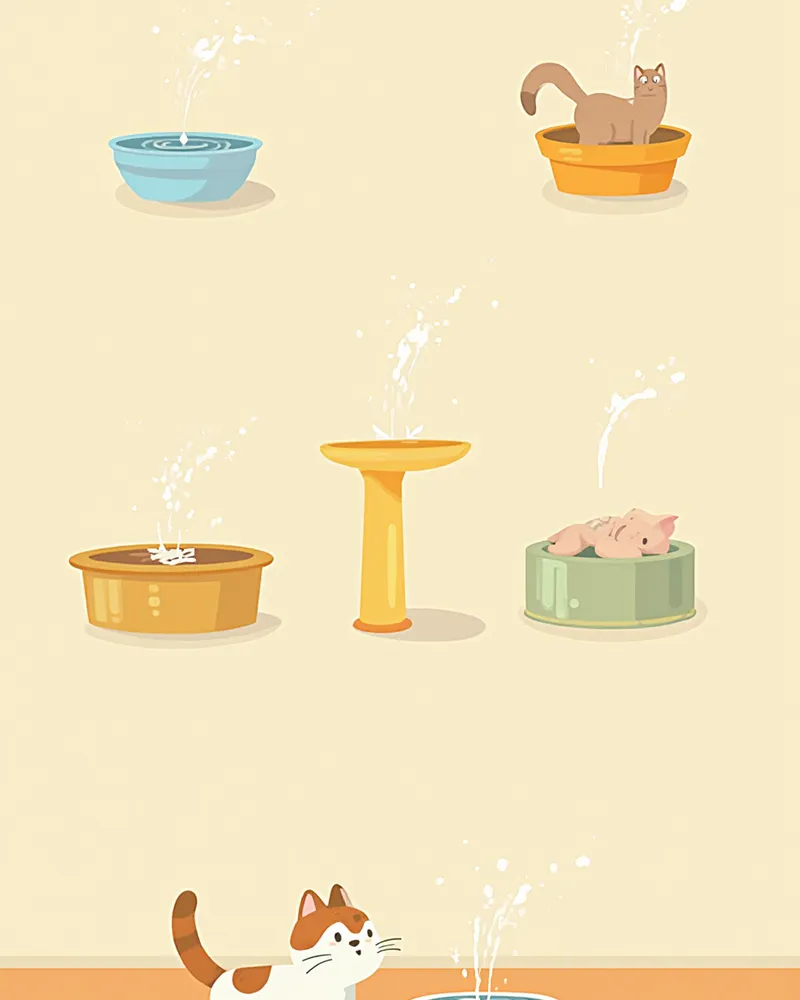
Veterinary nutrition textbooks note that cats tend not to drink enough water on their own, so it’s important to design their environment to always provide free access to fresh water. - Water bowl placement: Place two to three bowls at least 1 meter away from food and litter boxes. - Large bowls: Cats prefer wide bowls that don’t touch their whiskers. - Water fountains: Effective for cats who enjoy running water. - Free access to water: The most recommended method in textbooks is to always provide fresh water so cats can drink whenever they want. - Cats aged 7 and older: Senior cats are at higher risk for conditions such as kidney disease and thyroid disorders, making regular urine and blood tests essential for early detection. These habits are key to the early detection of kidney disease.
Water bowls and fountains placed in various locations

Reviewed by a veterinarian

Dr. Tony — Punnawat Phongkittirak

Dr. Tony — Punnawat Phongkittirak

Veterinarian

A veterinarian who majored in veterinary medicine at Khon Kaen University, Thailand, and completed the IVSA program at North Carolina State University in the United States. Drawing on clinical experience at animal hospitals, he works in the pet healthcare field and is dedicated to building a digital care environment that connects pet parents with veterinarians.

Frequently Asked Questions

Is it normal for my pet to drink more water during the hot summer months?
As temperatures rise, your pet may temporarily drink a bit more water. However, if they consistently exceed the baseline of 45 ml per kilogram of body weight, or if their urine output has also increased, the cause may be more than just the heat. The exact degree of increase varies from pet to pet, making it difficult to set a strict numerical threshold. If this elevated intake persists for several days, it is safest to have them checked by a veterinarian.
Is it true that pets drinking more water is normal when they eat only dry food?
That’s right. Dry food has a much lower moisture content than wet food, so it’s natural for dogs to drink more water when eating dry kibble. If your dog is primarily on dry food, their water intake may be closer to the upper limit of the normal range. However, regardless of diet type, if your dog consistently drinks more than 45 ml per kilogram of body weight, a veterinary check-up is recommended.
Can kittens also get diabetes?
It’s rare, but possible. Congenital conditions such as renal dysplasia, diabetes insipidus, and portosystemic shunts can be the cause. If a kitten is unusually thirsty and growing slowly, immediate veterinary examination is necessary.
If my pet is drinking a lot of water but their urination seems normal, is that okay?
Most cases are accompanied by polyuria. Even if the urine volume appears normal, the urine may be dilute (low specific gravity), so it’s important to confirm with a urinalysis. Don’t rely solely on outward appearances.
Is it okay to intentionally reduce water intake?
Absolutely not. Excessive drinking is a symptom indicating that the body needs more water. Restricting water intake can rapidly worsen dehydration and kidney damage. The priority is to identify and treat the underlying condition.

Share

Related Guides

References

[1] Clinical Medicine of the Dog and Cat, 4th Edition - Polydipsia and Polyuria chapter

[2] The Cat, Clinical Medicine and Management, 2nd Edition - Chronic Kidney Disease

[3] Applied Veterinary Clinical Nutrition, 2nd Edition - Nutritional Management of Kidney Disease

[4] Nutrient Requirements of Dogs and Cats - National Research Council

This information is based on veterinary literature and does not replace diagnosis or treatment. Please consult a veterinarian for specific health concerns.

Metapet Co., Ltd. | CEO: Park Sung-yong | Business Reg. No. 417-88-02562 | Seoul, South Korea | Customer Center

Cat Drinking Too Much Water: Kidney & Diabetes Signs | Meongsiljang