Like
Share
멍실장
강아지 코피 원인과 단계별 대처법, 병원 가야 할 신호 총정리

Dog Nosebleeds: Causes and Warning Signs Requiring Veterinary Care

RespiratorySymptomsMeongsiljang Veterinary Advisory Board

Nosebleeds in dogs can stem from a variety of causes, ranging from trauma to blood clotting disorders and tumors. Here’s a summary of a three-tiered urgency assessment, step-by-step first aid measures, and warning signs that require immediate veterinary care.

Assess Your Dog’s Nosebleed Situation First
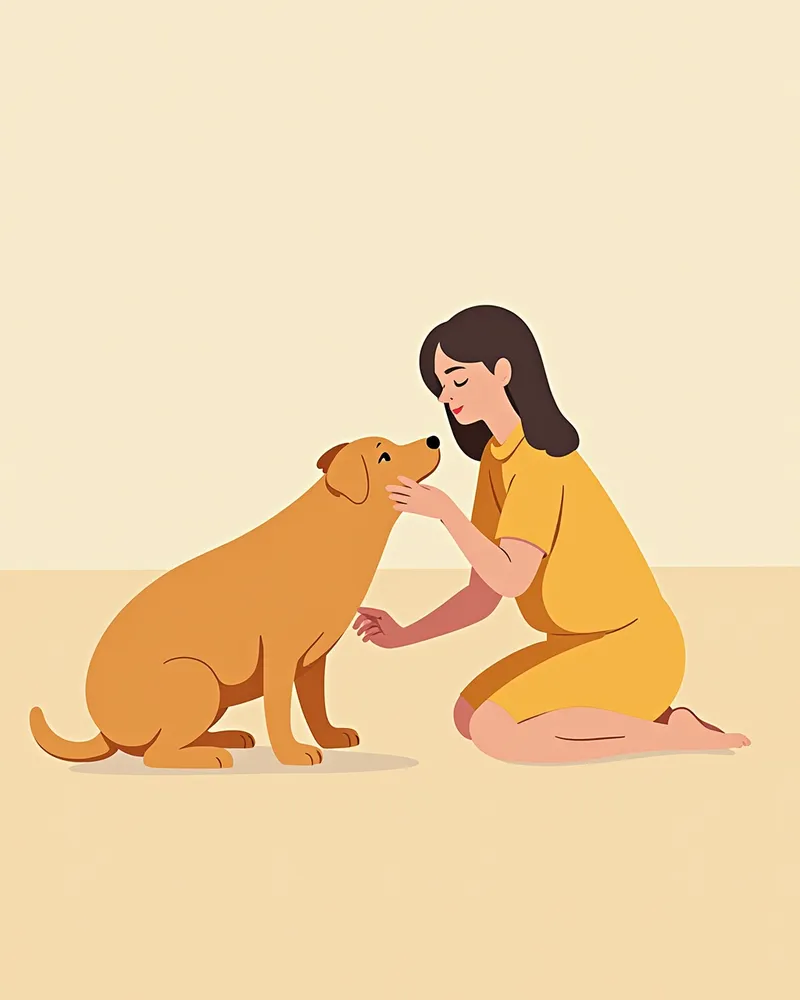
Checking for nosebleed symptoms in dogs — A pet owner carefully examining their dog’s nose
Nosebleeds (epistaxis) in dogs occur when the mucous membranes or blood vessels inside the nose are damaged, causing blood to flow from the nostrils. While some cases result from minor trauma and stop quickly after a single episode, others may stem from underlying conditions requiring immediate treatment, such as clotting disorders, tumors, or toxin exposure. The key factors to assess are how long the bleeding lasts, whether it affects one or both nostrils, and if other signs of bleeding are present. Checking these three aspects first can help you determine whether a veterinary visit is necessary.

Nosebleed Urgency Levels: A 3-Step Assessment

ItemNosebleed CharacteristicsAccompanying SymptomsAction Guidelines
Stage 1 · MildOne nostril only, stops within 1–2 minutesNoneObserve at home / visit hospital if it recurs
Stage 2 · CautionLasts over 5 minutes or recursSneezing, cloudy nasal dischargeVisit an animal hospital the same day
Stage 3 · DangerousBoth nostrils simultaneously / lasts over 10 minutesBloody stool·bloody urine·gum bleedingGo to an emergency animal hospital immediately

Even at Stage 1, if it recurs within 48 hours, you should have the cause examined at a hospital

Checklist of Dangerous Symptoms Accompanying Nosebleeds

Simultaneous bleeding from both nostrils: This warrants suspicion of a clotting disorder or toxin poisoning rather than simple trauma.
Bleeding visible in the gums or the whites of the eyes: This may signal thrombocytopenia or internal hemorrhage.
Asymmetric facial swelling: This is a characteristic symptom of a tumor growing inside the nasal cavity.
Lethargy or staggering after a nosebleed: This could indicate severe hypotension or a neurological issue.
Repeated sneezing and nosebleeds immediately after inhaling a foreign object: There is a high likelihood that something is lodged in the nose.
Dangerous symptoms accompanying nosebleeds in dogs — Use this checklist to assess urgency

Situations Requiring Immediate Emergency Veterinary Care

If your pet’s nosebleed lasts longer than 10 minutes, if blood is coming from both nostrils at the same time, or if you notice bleeding from other areas such as the gums, eyes, or anus, seek emergency veterinary care immediately. Bleeding from multiple sites simultaneously can be a sign of a systemic clotting disorder, such as thrombocytopenia, which is particularly dangerous. If there is any possibility that your pet has ingested rodenticide (specifically anticoagulant-based poisons), do not delay even for a minute, as this can impair clotting factors and lead to life-threatening hemorrhage. Bring the packaging or any information about the ingested substance with you, as this will greatly assist in diagnosis and treatment.

5 Main Causes of Dog Nosebleeds

Trauma or foreign bodies: Falls, collisions, or inhalation of foreign objects are the most common causes of nasal mucosal injury.
Infection or chronic rhinitis: Bacterial or fungal infections, as well as chronic rhinitis, can continuously weaken the nasal mucosa.
Nasal tumors (nasal cavity tumors): Tumors can irritate blood vessels, leading to recurrent nosebleeds.
Coagulation disorders: These include genetic or autoimmune conditions such as immune-mediated thrombocytopenia and von Willebrand factor deficiency.
Toxin poisoning: Ingestion of rodenticides (anticoagulant-based) can impair blood clotting, potentially resulting in severe hemorrhage.

Step-by-Step First Aid for Nosebleeds

1. Keep your pet calm in a quiet place. Excitement raises blood pressure, which can worsen the bleeding. 2. Place a cold, damp cloth on the bridge of the nose. This constricts blood vessels to help stop the bleeding. Do not block the nostrils. 3. Keep the head level or slightly lowered. This prevents blood from flowing down the throat and obstructing the airway. 4. Monitor for 5 to 10 minutes. If the bleeding does not stop within this time, take your pet to the clinic immediately. 5. Note the amount, color, and duration of the bleeding. This information is essential for diagnosis.
Emergency first aid steps for a dog’s nosebleed — how to stop the bleeding with a cold, wet towel

What Tests and Treatments Are Performed at the Vet?

To identify the cause of nosebleeds, veterinarians typically proceed with tests in this order: blood tests (including platelet counts and coagulation profiles), X-rays, CT scans, and nasal endoscopy. CT imaging is essential when tumors or foreign bodies are suspected. If a coagulation disorder is confirmed, treatment is initiated based on the underlying disease. Most cases caused by trauma recover with mucosal protectants and supportive care. Poisoning may require detoxification therapy and blood transfusions.

Breeds That Require Extra Caution for Nosebleeds

Dachshunds and Golden Retrievers are prone to von Willebrand disease, a hereditary blood clotting disorder. Brachycephalic breeds such as Bulldogs, Pugs, and Shih Tzus have delicate nasal mucosa due to their nasal anatomy, making them prone to frequent bleeding even from minor trauma. If your dog of these breeds has ever had a nosebleed, it is advisable to have a coagulation function test performed at a veterinary clinic.

Management for Nosebleed Prevention and Recurrence Prevention

Von Willebrand disease (vWD) is one of the most common hereditary coagulation (hemostatic) disorders in dogs and can be a significant cause of recurrent nosebleeds. Therefore, basic information such as age and breed (signalment) serves as a crucial initial clue when narrowing down the cause of epistaxis. Hereditary coagulation abnormalities often remain asymptomatic under normal conditions but can lead to bleeding even with minor trauma. If your dog has experienced persistent or recurrent nosebleeds, or bleeding from other sites, it is advisable to have a veterinarian check for underlying hereditary coagulation defects by measuring platelet counts, bleeding time via the buccal mucosal bleeding time (BMBT) test, and coagulation factor levels.
Preventing Nosebleeds in Dogs — Managing Indoor Humidity and Optimizing the Environment

Reviewed by a veterinarian

Dr. Tony — Punnawat Phongkittirak

Dr. Tony — Punnawat Phongkittirak

Veterinarian

A veterinarian who majored in veterinary medicine at Khon Kaen University, Thailand, and completed the IVSA program at North Carolina State University in the United States. Drawing on clinical experience at animal hospitals, he works in the pet healthcare field and is dedicated to building a digital care environment that connects pet parents with veterinarians.

Frequently Asked Questions

Should I plug my dog’s nostrils if they’re bleeding from the nose?
Do not block your pet’s nostrils with your fingers, as this can cause them to swallow blood and worsen the bleeding due to stress. A safer approach is to place a cold, damp cloth on the bridge of their nose.
My pet had a nosebleed that stopped on its own. Should I still take them to the vet?
If the bleeding occurred only once immediately after the injury and stopped within two minutes, you can monitor your pet at home for now. However, if it recurs within 48 hours or if other symptoms such as sneezing or eye bleeding appear, please visit the clinic right away.
If my pet frequently gets nosebleeds from only one nostril, could it be a tumor?
Recurrent nosebleeds from only one nostril, especially if accompanied by facial asymmetry or increased sneezing, may indicate a nasal tumor. A CT scan can help confirm the diagnosis, so please consult with your veterinarian.
I think my pet has started bleeding from the nose after eating rat poison. What should I do?
You need to go to an emergency animal hospital immediately. The anticoagulant ingredients in rat poison can cause bleeding symptoms 2 to 5 days after ingestion. The sooner treatment begins, the higher the chance of recovery. If you have the rat poison packaging, be sure to bring it with you.
Is it safe to use hemostatic agents on your dog’s nosebleed without veterinary guidance?
We don’t recommend that pet owners administer hemostatic agents on their own. Using such medications without knowing the underlying cause can delay an accurate diagnosis. The safest approach is to apply a cold, wet compress and then visit the clinic.

Share

Related Guides

References

[1] Ettinger SJ, Feldman EC, Côté E. Textbook of Veterinary Internal Medicine, 8th Ed. Chapter 37: Disorders of Hemostasis — Epistaxis. Elsevier, 2017.

[2] Nelson RW, Couto CG. Small Animal Internal Medicine, 6th Ed. Part Four: Hematology and Immunology. Elsevier, 2019.

[3] Mathews KA. Veterinary Emergency and Critical Care Manual, 3rd Ed. Lifelearn, 2017.

This information is based on veterinary literature and does not replace diagnosis or treatment. Please consult a veterinarian for specific health concerns.

Metapet Co., Ltd. | CEO: Park Sung-yong | Business Reg. No. 417-88-02562 | Seoul, South Korea | Customer Center

Dog Nosebleeds: Causes, Warning Signs, and When to See a Vet | Meongsiljang