Like
Share
멍실장
고양이 잇몸창백 원인과 단계별 대처법, 병원 가야 할 신호 총정리

Causes of Pale Gums in Cats, Step-by-Step Response, and Signs Requiring a Vet Visit: A Complete Guide

HeartSymptomsMeongsiljang Veterinary Advisory Board

If your cat's gums appear white or pale, it could indicate an emergency such as anemia, heart disease, or shock. Learn how to assess the urgency based on gum color and recognize the signs that require an immediate trip to the vet.

Pale Gums in Cats: How Serious Is This Sign?
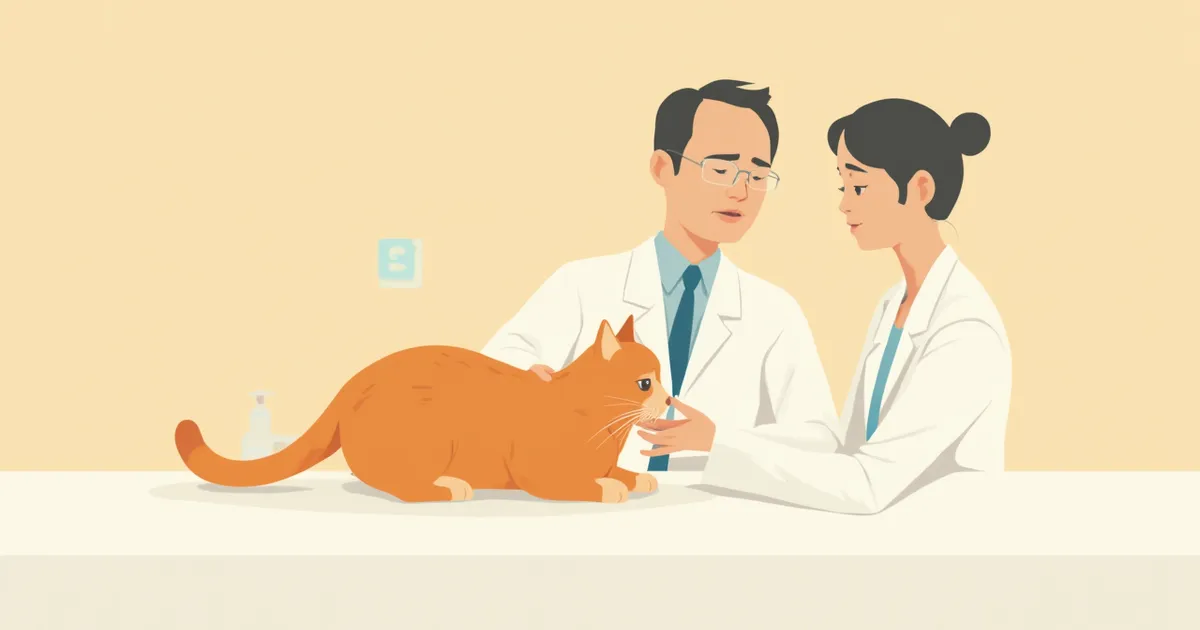
A veterinarian examining a cat for pale gums.
Pale gums in cats—where the normally pink gums turn white or grayish—are an emergency sign that can indicate life-threatening conditions such as anemia, heart disease, internal bleeding, or shock. Gum color directly reflects blood circulation and oxygen supply. If you notice paleness, gently press the inner lip mucosa (or gums) for about four seconds, then release and observe how long it takes for the pink color to return (capillary refill test). If it takes a long time for the color to return, or if the gums appear white, pale, or bluish, you should go to a veterinary clinic immediately. In particular, bluish (cyanotic) mucous membranes may signal severe oxygen deprivation.

Assessing Urgency by Gum Color — Step-by-Step Reference Table

You can assess the severity of your pet’s current condition by checking their gum color and capillary refill time.
Gum ColorCapillary Refill TimeConditionUrgency
Bright pink1–2 secondsNormalNormal
Pale pink2–3 secondsSuspected mild anemiaSame-day visit
White/paleOver 3 secondsSevere anemia/hypoperfusion (shock)Immediate emergency
Blue (cyanotic)Difficult to measureSevere hypoxiaImmediate emergency
YellowRed blood cell destruction (hemolysis)/liver or biliary diseaseImmediate emergency
Brown/chocolateMethemoglobinemia (toxicity)Immediate emergency
For a more accurate measurement of capillary refill time, gently press on the inner mucous membrane of the lip for about 4 seconds and observe how long it takes for the color to return.

Checklist of Symptoms Accompanying Pale Gums
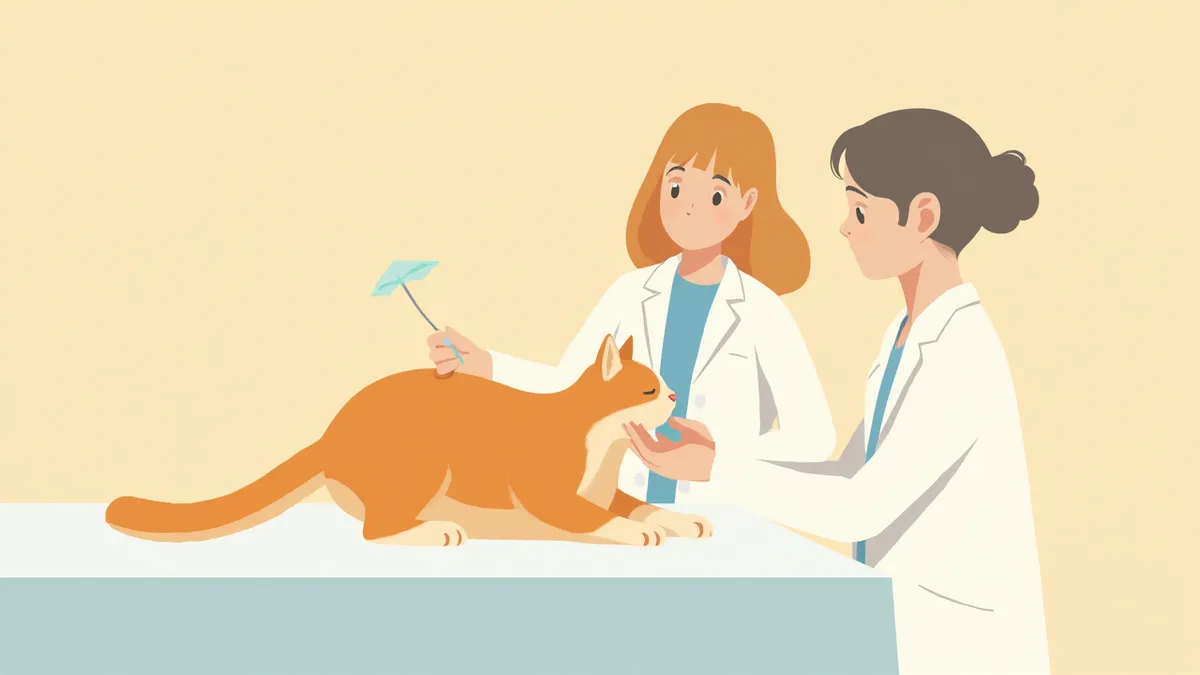
Please check for any of the following accompanying symptoms. If even one is present, your pet requires immediate emergency veterinary care.
Lethargy and weakness: Noticeably reduced activity compared to normal, with difficulty standing up.
Abnormal breathing: Panting with an open mouth, or rapid and shallow breathing.
Severe vomiting or bloody stools: These may indicate internal bleeding or poisoning.
Cold extremities: Paws or ears feel colder than usual.
Altered consciousness or seizures: Glassy-eyed appearance or lack of response when called.
Complete loss of appetite: Refusing all food and water for more than 48 hours.
A lethargic cat lying down and a worried pet owner

Signs That Require Immediate Care at an Emergency Animal Hospital

If your pet’s gums are white, blue, or yellow, or if they are experiencing any of the following—difficulty breathing, decreased consciousness, or cold extremities—seek immediate care at a 24-hour emergency animal hospital. Conditions such as shock or heart failure can become life-threatening within hours. Do not hesitate to seek help, even during nighttime hours.

5 Main Causes of Pale Gums in Cats

Anemia: A condition in which a shortage of red blood cells impairs oxygen transport. Causes can include parasitic infections, chronic diseases, and autoimmune hemolytic disorders.
Heart disease: As heart conditions such as hypertrophic cardiomyopathy progress, reduced cardiac output can cause the gums to become pale.
Shock: A state of rapid blood pressure drop caused by trauma, dehydration, or sepsis.
Internal bleeding: Bleeding within the body can result from trauma, tumors, or rat poison poisoning.
Toxicity: Substances such as onions, xylitol, and acetaminophen can destroy red blood cells, leading to anemia.

Heart Disease and Pale Gums — Why It’s Especially Important to Watch for in Cats
Hypertrophic cardiomyopathy, the most common heart disease in cats, is a condition in which the heart muscle thickens. Symptoms often progress silently and are frequently discovered only when sudden breathing difficulties or changes in gum color appear. It’s helpful to be aware of accompanying warning signs.
Increased respiratory rate during sleep: More than 30 breaths per minute while sleeping is an abnormal sign.
Sudden hindlimb paralysis: A blood clot can block the aorta, causing sudden inability to use the hind legs.
Wheezing or labored breathing: This indicates fluid accumulation in the lungs.
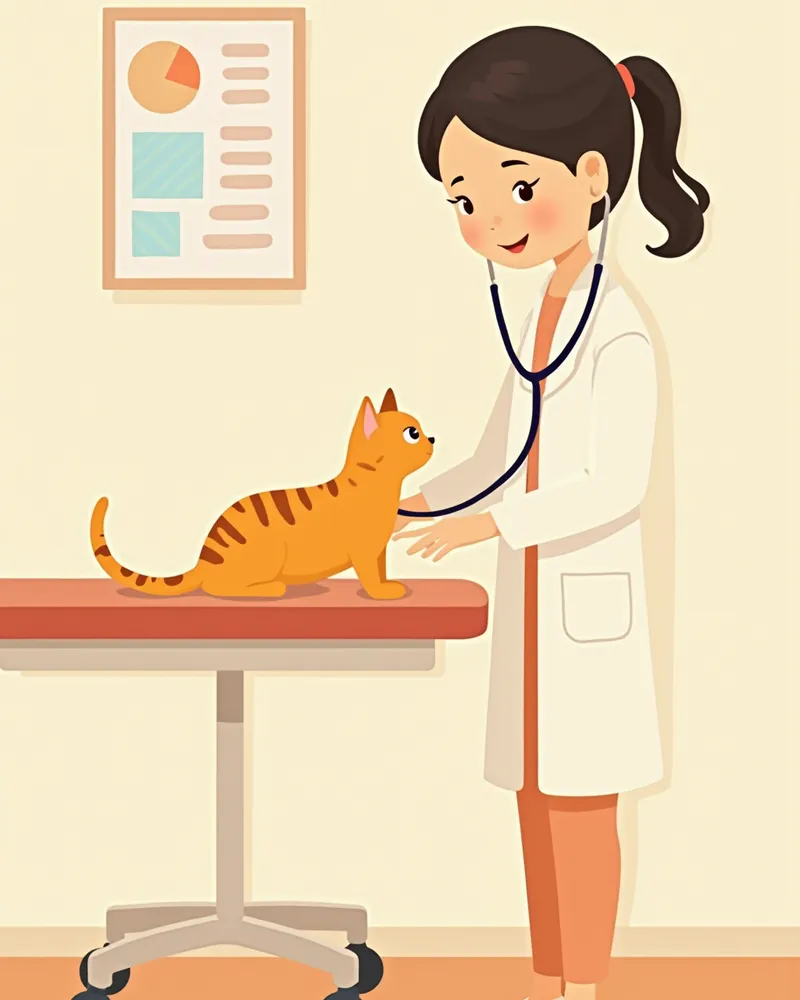
For middle-aged and senior cats, regular cardiac auscultation is key to early detection.
A veterinarian performing a cardiac auscultation on a cat

What Owners Can Do Before Going to the Clinic

Following this sequence before transporting your pet to the clinic can be very helpful. 1. Capillary refill time test: Press on the gums, release, and measure how long it takes for the pink color to return. 2. Respiratory rate measurement: Count the number of chest rises and falls over 30 seconds, then multiply by 2 to get breaths per minute. 3. Maintain calm: Place your pet in a warm, quiet carrier for transport. 4. Do not force food or water: Forcing intake during shock can be dangerous. 5. Record symptoms: Documenting changes through video or notes will assist with diagnosis. Shaking or tightly holding your cat can increase stress. Please handle them as gently and quietly as possible.

Do Not Try to Resolve This at Home

Pale gums can have various causes, and in most cases, they cannot be treated at home. Attempts to resolve the issue by giving iron supplements or nutritional supplements, forcing water intake, or performing massage may actually worsen the condition. A veterinarian must determine the underlying cause through blood tests, cardiac ultrasound, and X-rays before initiating treatment.

How to Manage Routine Gum Health and Circulation
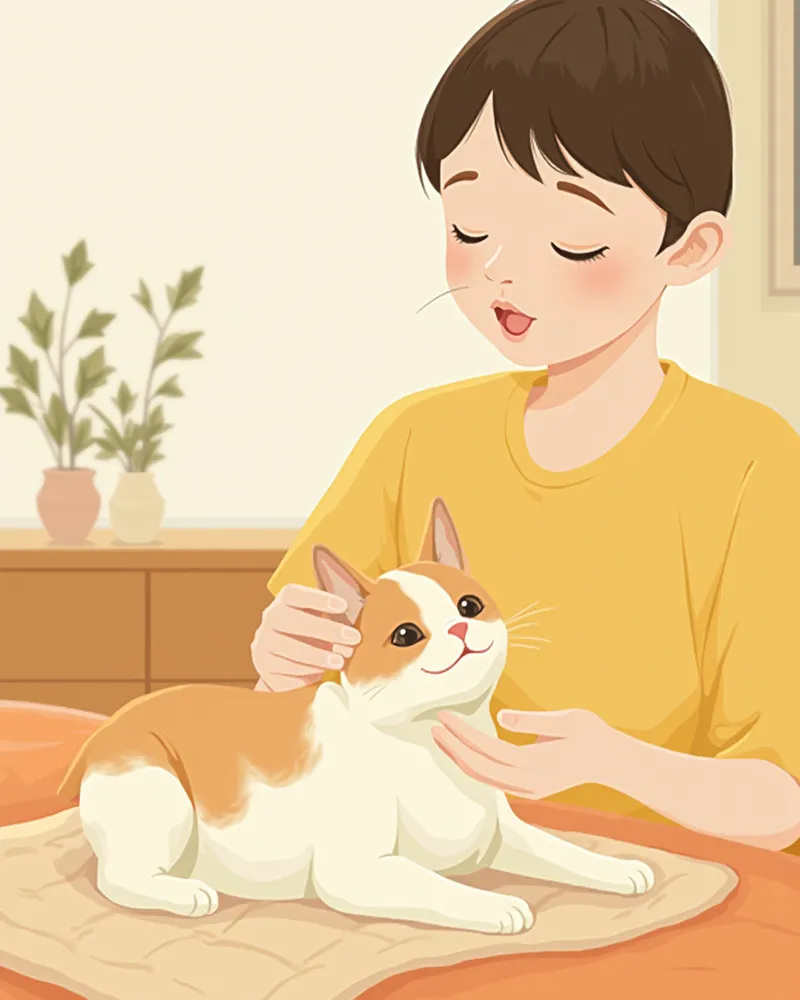
It’s important to make checking your cat’s gum color a regular habit. Once a week, gently check their gums when they’re relaxed and comfortable.
Routine heart auscultation: For senior cats aged 7 and older, we recommend a check-up every six months.
Parasite prevention: Internal and external parasites are common causes of anemia, so regular deworming is essential.
Remove toxic substances: Lilies, onions, grapes, and acetaminophen are fatal to cats.
Weight management: Obesity puts strain on the heart. Maintaining a healthy weight is the foundation of heart disease prevention.
For cats aged 7 and older, consider an annual blood test to check for anemia and kidney function as well.
A pet owner checking their cat's gum condition at home

Reviewed by a veterinarian

Dr. Tony — Punnawat Phongkittirak

Dr. Tony — Punnawat Phongkittirak

Veterinarian

A veterinarian who majored in veterinary medicine at Khon Kaen University, Thailand, and completed the IVSA program at North Carolina State University in the United States. Drawing on clinical experience at animal hospitals, he works in the pet healthcare field and is dedicated to building a digital care environment that connects pet parents with veterinarians.

Frequently Asked Questions

My cat’s gums are a light pink color. Should I take them to the vet right away?
If the color is a slightly pale pink, I recommend bringing your pet in for a same-day check-up. However, if you also notice lethargy, abnormal breathing, or cold limbs, immediate emergency care is necessary. A capillary refill time exceeding two seconds is a warning sign.
How can you check a black cat’s gums if they’re naturally pigmented?
For cats with pigmented gums, checking the color of the inner eyelids (conjunctiva) provides a more accurate assessment. It is important to remember their normal baseline color for comparison.
Can I tell at home whether my pet’s pale gums are due to heart disease or anemia?
It’s difficult to pinpoint the exact cause at home. Accurate diagnosis requires blood tests and an echocardiogram, and since treatment varies significantly depending on the underlying cause, it’s essential to have your pet evaluated by a veterinarian.
How quickly can the condition worsen when the gums are pale?
If your pet is experiencing shock or internal bleeding, their condition can deteriorate rapidly within 1 to 2 hours. Pulmonary edema caused by heart problems can also become life-threatening within a few hours, so it’s safest to visit the vet immediately upon noticing paleness.
My senior cat’s gums occasionally turn pale and then return to normal. Is it okay to just leave it alone?
If your pet’s gums or mucous membranes repeatedly turn pale, it could be a sign of a progressive condition such as chronic anemia, heart dysfunction, or kidney disease. Rather than assuming it will resolve on its own, it’s crucial to identify the underlying cause. Please schedule blood work and a cardiac evaluation.

Share

Related Guides

References

[1] Little SE. The Cat: Clinical Medicine and Management. 2nd ed. Elsevier; 2012.

[2] Côté E, MacDonald KA, Meurs KM, Sleeper MM. Feline Cardiology. Wiley-Blackwell; 2011.

[3] Ettinger SJ, Feldman EC, Côté E. Textbook of Veterinary Internal Medicine. 8th ed. Elsevier; 2017.

This information is based on veterinary literature and does not replace diagnosis or treatment. Please consult a veterinarian for specific health concerns.

Metapet Co., Ltd. | CEO: Park Sung-yong | Business Reg. No. 417-88-02562 | Seoul, South Korea | Customer Center

Pale Gums in Cats: Causes, Step-by-Step Response & Vet Signs | Meongsiljang