Like
Share
멍실장
강아지 기절 원인과 단계별 대처법, 병원 가야 할 신호 총정리

Causes of Fainting in Dogs, Step-by-Step Emergency Response, and Signs Requiring Veterinary Care: A Complete Guide

HeartSymptomsMeongsiljang Veterinary Advisory Board

Our veterinary advisory team has compiled the causes of sudden collapse (syncope) in dogs, signs that require immediate veterinary care, and step-by-step emergency response measures.

What Is Fainting in Dogs? — Initial Assessment of Urgency
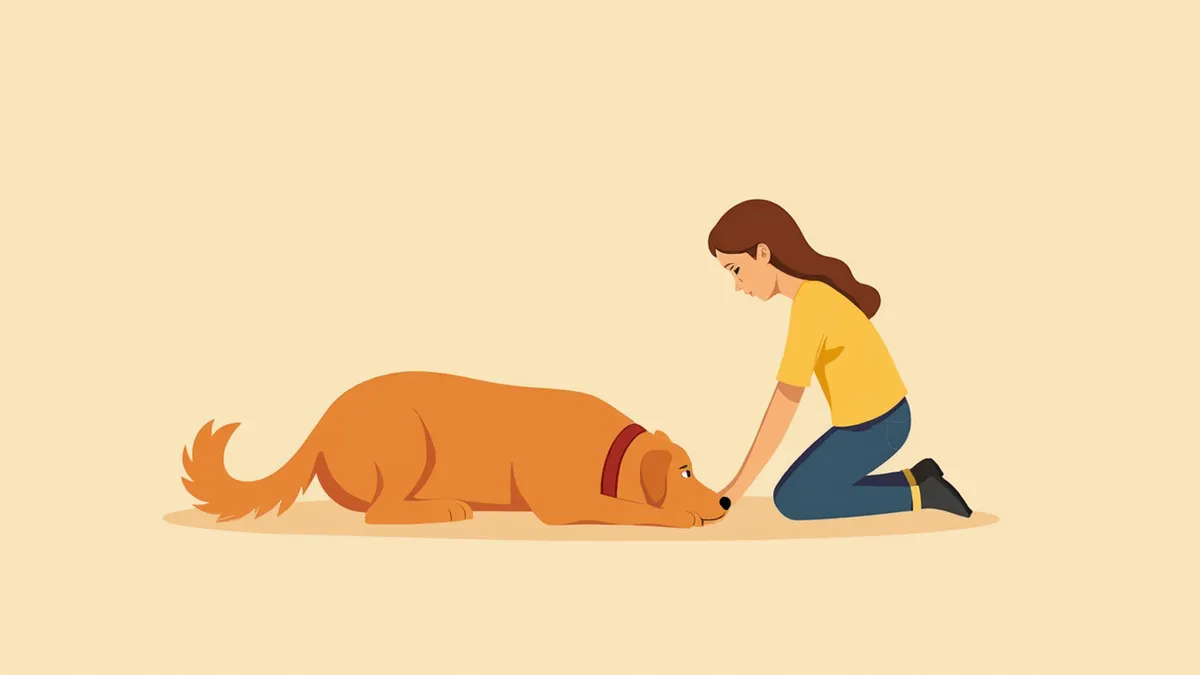
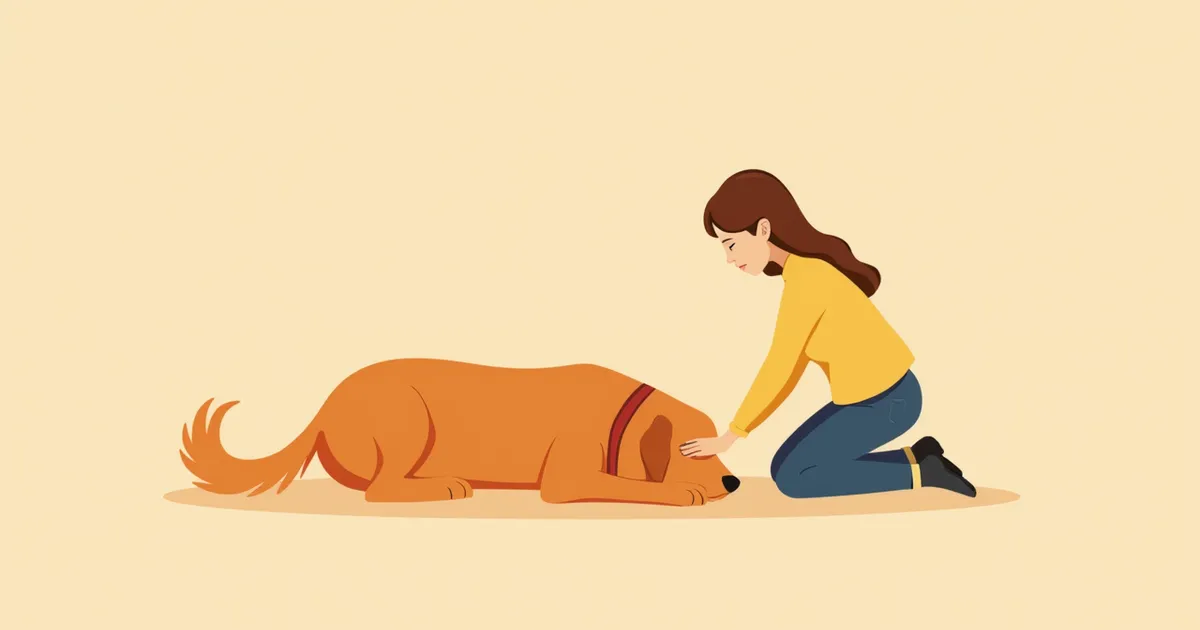
A scene of a puppy suddenly collapsing and fainting
Fainting (syncope) in dogs occurs when blood flow to the brain is temporarily reduced due to abnormalities in heart rate or blood pressure, causing the dog to lose consciousness and collapse. Episodes are typically brief, lasting less than a minute, and dogs usually appear disoriented for a short time immediately after waking up before recovering relatively quickly. The most important point to remember is that even if your dog appears fine afterward, an underlying medical condition may still be present. If fainting episodes recur or are accompanied by other symptoms such as stumbling or abnormal breathing, diagnostic testing is essential to identify the cause. Even for a first-time episode, seeking veterinary care as soon as possible is the safest approach. Recording a video of the collapse can be invaluable for your veterinarian in distinguishing syncope from seizures.

Fainting vs. Seizures — Quickly Identify the Situation

ItemFainting (syncope)Seizure (epilepsy)
Body conditionLimp, muscles relaxedStiffens or paddles the legs
DurationUsually within 1 minuteCan last 1–2 minutes or longer
Recovery speedRelatively fast (normal within minutes)Slow — dazed state for tens of minutes (post-ictal confusion)
Main causeCardiovascular issues such as heart rate/blood pressureAbnormal electrical signals in the brain
Vet visitAbsolutely necessaryAbsolutely necessary

An accurate distinction requires a veterinary diagnosis. Filming a video of the collapse can help.

Checklist of Causes of Fainting in Dogs
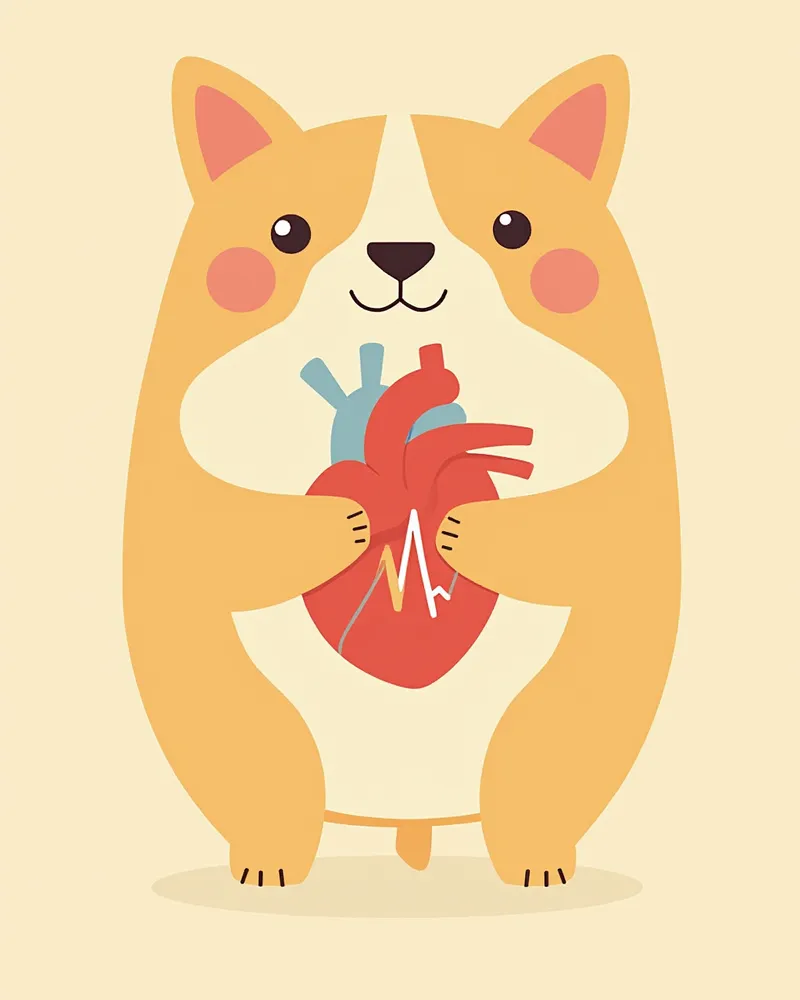
Cardiac arrhythmias: The heart beats too fast or too slow, temporarily interrupting blood flow to the brain. This is the most common cause of fainting.
Valvular and myocardial diseases: The heart’s pumping function is impaired, preventing it from circulating enough blood (e.g., valvular disease, dilated cardiomyopathy).
Hypotension: Severe dehydration, bleeding, or intense vomiting and diarrhea can reduce blood volume or cause blood vessels to dilate, leading to a sudden drop in blood pressure.
Respiratory issues: Airway obstruction or lung disease can limit oxygen supply, causing collapse.
Metabolic abnormalities such as hypoglycemia: Low blood sugar can cause weakness and collapse, particularly in young puppies, during fasting, or due to excessive insulin.
Neurological issues: Brain abnormalities more often present as seizures (convulsions) rather than fainting, so diagnostic testing is necessary for accurate differentiation.
Causes of fainting in dogs — heart arrhythmia, hypoglycemia, hypotension, and more

Signs That Require Immediate Emergency Veterinary Care

If fainting lasts for more than two minutes, or if your pet continues to stagger, has difficulty breathing, or shows pale or bluish gums after regaining consciousness, take them to an emergency animal hospital immediately. Fainting episodes occurring more than twice a day or collapsing during exercise also constitute emergencies.

Immediately After Fainting — Step-by-Step Emergency Response Measures
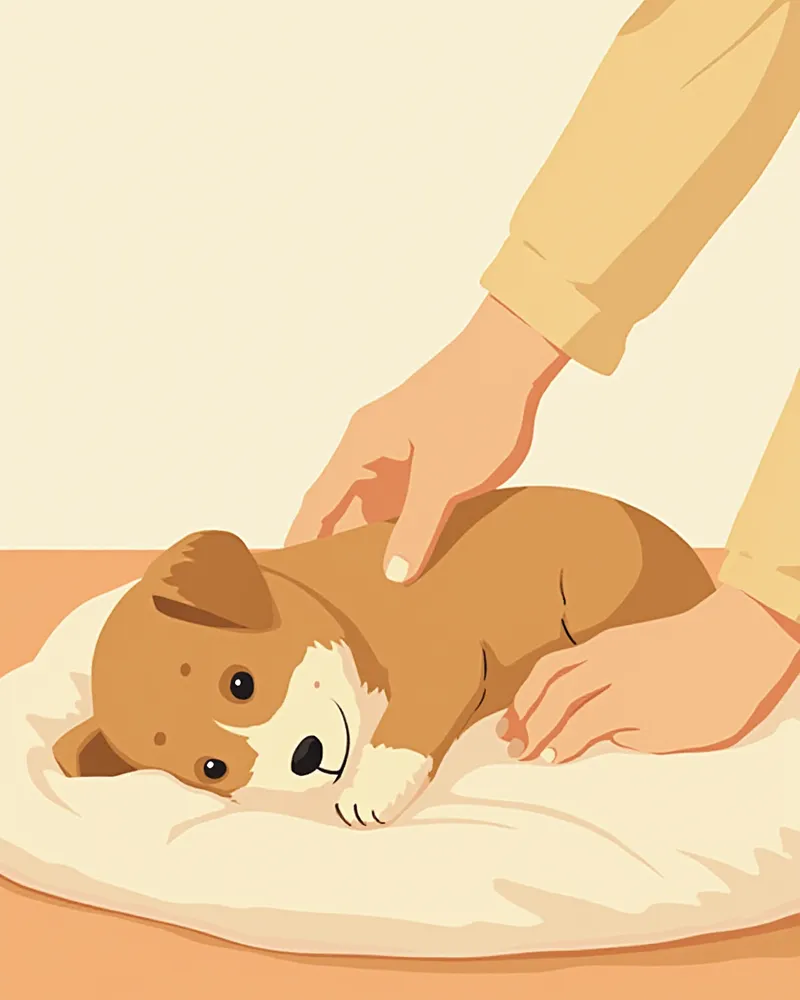
Step 1: Secure a safe space. Lay your pet down away from stairs and sharp furniture edges, and avoid forcing them to stand or shaking them. Step 2: Check the airway. Gently extend the neck to ensure the airway is not obstructed, and remove any foreign objects from the mouth. Step 3: Record the time. Accurately note the duration from the onset of collapse to the return of consciousness, as this is crucial information for the veterinary clinic. Step 4: Record a video. If possible, use your smartphone to capture the episode, as this provides decisive assistance to the veterinarian in distinguishing it from a seizure.
A guardian carefully laying down a fainted puppy

Why You Should Still Visit the Vet Even If Recovery Seems Complete

Even if your pet seems perfectly fine within one to two minutes after fainting, the underlying condition is not necessarily resolved. Heart arrhythmias may remain asymptomatic during normal activities and only manifest during exercise or excitement. At the clinic, we identify the cause through auscultation (listening to heart sounds), electrocardiography (ECG), chest X-rays, and blood tests. In some cases, 24-hour ECG monitoring is required. Bringing a video of the fainting episode can significantly reduce the time needed for diagnosis.

Treatment Approaches by Cause — Determined by the Veterinarian
Arrhythmia: Depending on the underlying cause, we may prescribe antiarrhythmic medications or consider pacemaker implantation.
Valvular and myocardial diseases: Medication is initiated after consultation with a cardiologist. Early detection helps slow disease progression.
Hypoglycemia: Treatment decisions, such as dietary management or surgery, depend on the underlying cause (e.g., insulinoma, starvation).
Hypotension and dehydration: Fluid therapy is administered alongside treatment for the underlying condition.
Dosage is determined by your veterinarian based on your pet’s weight and condition; do not administer medication without professional guidance.
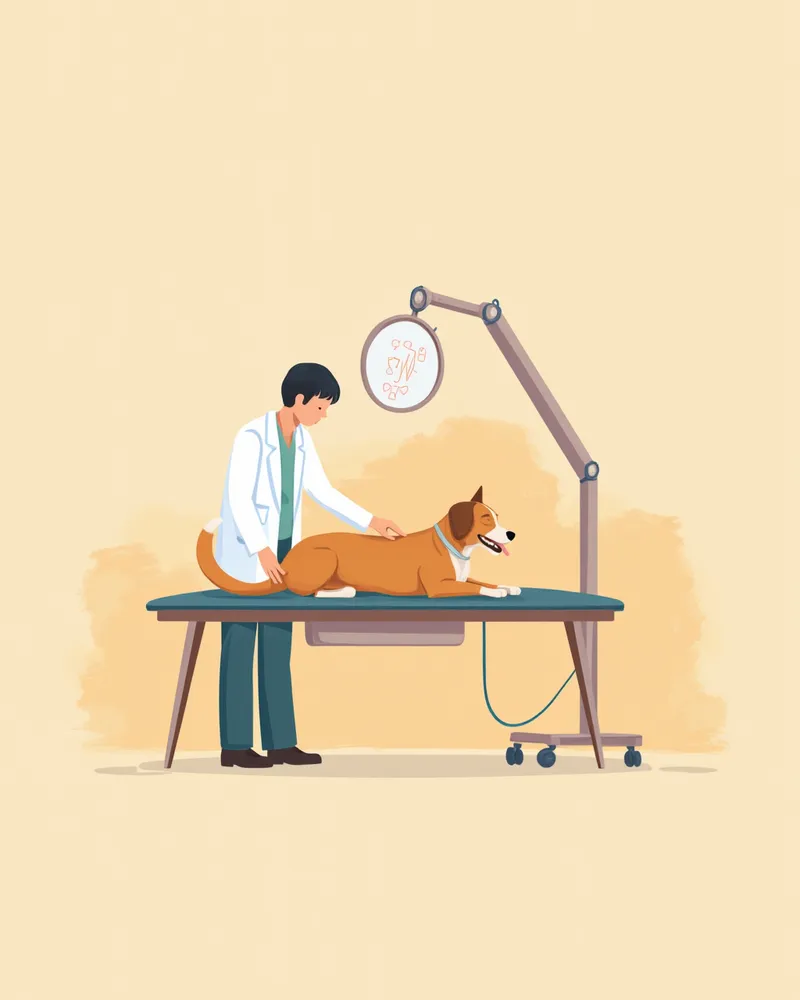
A veterinarian performing an electrocardiogram (ECG) on a dog

Particular Attention for Owners of Small Breeds and Brachycephalic Dogs

Small breeds such as Maltese, Pomeranians, and Chihuahuas are more prone to fainting (syncope), so they require extra vigilance. In particular, young small-breed dogs can become weak from hypoglycemia if they miss even a short meal, so it’s important to maintain regular feeding intervals. Brachycephalic breeds like Bulldogs, Pugs, and French Bulldogs may collapse due to oxygen deprivation caused by their narrow airways. Always check their breathing and overall condition after exposure to heat or strenuous exercise.

Daily Management Points to Prevent Fainting

Regular feeding: For small-breed dogs or young puppies, split meals into several smaller portions throughout the day to help stabilize blood sugar levels.
Limit intense exercise: If heart disease is suspected, temporarily reduce activities that cause excessive excitement or physical strain, such as vigorous running or playing fetch.
Routine cardiac check-ups: If your dog has a history of fainting or is at risk for heart disease, consult your veterinarian about regular cardiac evaluations, including auscultation, electrocardiogram (ECG), and echocardiography.
Manage stimulating situations: Gradually help your dog become accustomed to scenarios that may suddenly elevate their heart rate, such as unfamiliar visitors or loud noises.

Reviewed by a veterinarian

Dr. Tony — Punnawat Phongkittirak

Dr. Tony — Punnawat Phongkittirak

Veterinarian

A veterinarian who majored in veterinary medicine at Khon Kaen University, Thailand, and completed the IVSA program at North Carolina State University in the United States. Drawing on clinical experience at animal hospitals, he works in the pet healthcare field and is dedicated to building a digital care environment that connects pet parents with veterinarians.

Frequently Asked Questions

How can you tell the difference between fainting and seizures?
Fainting involves the body going completely limp and ending within a minute. Seizures, on the other hand, involve leg paddling or body stiffness, last for more than one to two minutes, and are followed by a period of confusion lasting tens of minutes after waking up. Recording the episode on your smartphone can be crucial in helping the veterinarian distinguish between the two.
If my pet seems completely fine right after fainting, can I skip the vet visit?
No, the underlying condition causing the fainting hasn’t been resolved. In particular, with heart arrhythmias, even if your pet appears normal after fainting, it can happen again at any time. If this is the first episode of fainting, a same-day veterinary examination is essential.
Should you perform cardiopulmonary resuscitation (CPR) on a pet that has fainted?
In most cases, the heart continues to beat during fainting. CPR should only be attempted if it is confirmed that the heart has completely stopped. Blindly compressing the chest can actually cause injury. If the pet is unconscious, the priority is to immediately transport them to an emergency veterinary hospital.
My dog collapsed during exercise. What should I do?
Collapsing during exercise is a major sign of heart arrhythmia or myocardial disease. Stop the activity immediately and move your pet to a shaded, cool area. Even if they regain consciousness, they must be taken to a veterinary clinic within the same day.
Is there anything I can do at home when my pet keeps fainting?
The key to recurrent fainting is identifying the underlying cause. If hypoglycemia is confirmed, you may apply a small amount of honey to the gums as a temporary measure, but this is only a stopgap solution. Recurrent fainting requires immediate veterinary evaluation to determine the cause.

Share

Related Guides

References

[1] Dutton E, Dukes-McEwan J, Cripps PJ. Serum cardiac troponin I in canine syncope and seizures. J Vet Cardiol. 2017;19(2):100-110.

[2] Schwartz DS. The syncopal dog. World Small Animal Veterinary Association World Congress Proceedings, Sao Paulo, Brazil. 2009.

[3] Ettinger SJ, Feldman EC. Textbook of Veterinary Internal Medicine. 8th ed. Elsevier; 2017. Chapter: Syncope and Episodic Weakness.

[4] Meurs KM. Boxer dog cardiomyopathy: an update. Vet Clin North Am Small Anim Pract. 2004;34(5):1235-1244.

This information is based on veterinary literature and does not replace diagnosis or treatment. Please consult a veterinarian for specific health concerns.

Metapet Co., Ltd. | CEO: Park Sung-yong | Business Reg. No. 417-88-02562 | Seoul, South Korea | Customer Center

Dog Fainting (Syncope): Causes, First Aid & When to See a Vet | Meongsiljang