
My Dog Vomited — Should I Go to the Vet Now or Wait?
Dog vomiting can stem from a wide range of causes, from simple overeating to intestinal obstruction. Based on veterinary textbooks, we’ve outlined the causes behind different vomit colors, emergency warning signs, and initial home care steps.
My Dog Is Vomiting, Should I Go to the Vet?
Vomiting Urgency Assessment Criteria Table
| Situation | Urgency | Action |
|---|---|---|
| Vomited once or twice, but still active | Low | Withhold food for 12 hours, then monitor |
| Vomiting three or more times in a day | Moderate | Visit the vet the same day |
| Blood in vomit | High | Seek emergency veterinary care immediately |
| Vomiting with lethargy and loss of appetite | High | Seek emergency veterinary care immediately |
| Vomiting after ingesting a foreign object | High | Seek emergency veterinary care immediately |
| Vomiting and diarrhea occurring together | Moderate to High | Watch for dehydration; seek veterinary care promptly |
Checklist by Vomit Color and Appearance
Go to an Emergency Veterinary Clinic Immediately in These Situations
If any of the following apply, take your pet to an emergency veterinary clinic immediately without delay: • Vomiting occurs repeatedly over a short period of time • The vomit contains blood or appears coffee-ground-like in color • Your pet is severely lethargic and reluctant to move along with vomiting • Vomiting occurs after ingesting foreign objects such as toys or bones • Your pet shows severe abdominal pain when touched • Your pet is a young puppy In particular, repeated vomiting after ingesting a foreign object may indicate intestinal obstruction, which cannot be resolved with antiemetic medication alone.
When Gastrointestinal Issues Are the Cause
When Other Organ Issues Outside the Gastrointestinal Tract Are the Cause
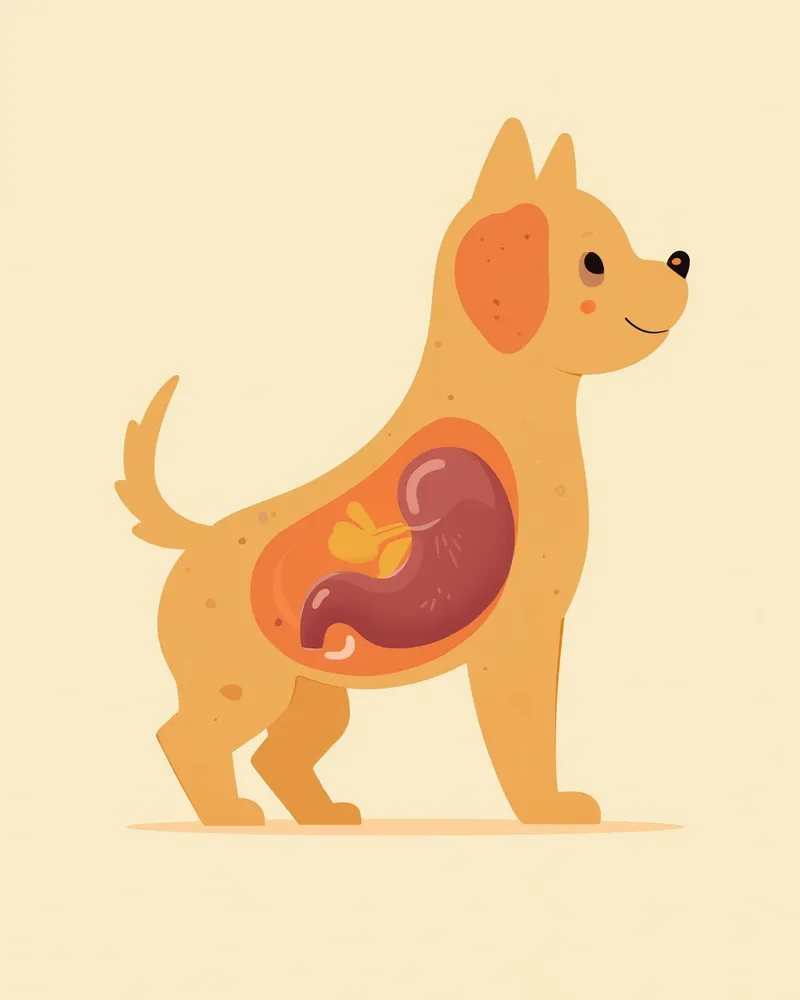
Initial Home Care Steps Before Going to the Vet
What Owners Must Never Do When a Dog Vomits
If you respond incorrectly when your dog vomits, you could inadvertently worsen their condition. • Do not give human digestive aids or antiemetics without veterinary guidance, as they may contain ingredients that are dangerous for dogs. • Avoid offering food or treats immediately after vomiting, as this can further irritate the stomach. • Do not force your dog to vomit if you suspect they have swallowed a foreign object, as sharp items could cause additional damage to the esophagus on the way back up. • Prevent your dog from drinking large amounts of water all at once; instead, offer small amounts frequently.
Daily Care Habits to Reduce Vomiting
Reviewed by a veterinarian

Dr. Tony — Punnawat Phongkittirak
VeterinarianA veterinarian who majored in veterinary medicine at Khon Kaen University, Thailand, and completed the IVSA program at North Carolina State University in the United States. Drawing on clinical experience at animal hospitals, he works in the pet healthcare field and is dedicated to building a digital care environment that connects pet parents with veterinarians.
Reviewed 2026-04-13
Frequently Asked Questions
Is it okay if my dog is vomiting yellow foam?
Is it normal for a puppy to eat grass and then vomit?
What’s the difference between vomiting and regurgitation?
When should I feed my dog after it has vomited?
If your dog’s vomiting persists for several days, what tests should be done?
Share
Related Guides
My Senior Cat Won’t Eat — A Complete Guide to Choosing Food for Cats with Weak Digestion
Top 5 Prescription Diets for Feline Pancreatitis Recommended by Veterinarians — Low-Fat, Highly Digestible Food Guide
Royal Canin vs Hill’s vs Purina vs Orijen — Which Brand Is Right for Your Pet, According to Veterinarians?
Causes of Frequent Urination in Dogs
Heartworm Infection Symptoms and Treatment
If Your Dog or Cat Falls from a Height — Dangerous Internal Injury Signs Even If They Look Fine
Causes and Treatment of Canine Paw Eczema
Causes of Cat Vomiting and How to Respond
Dog Allergy Symptoms and Management
Cat Dysuria: Causes, Step-by-Step Management, and Signs It’s Time to Go to the Vet
References
[1] Clinical Medicine of the Dog and Cat, 4th Ed — Chapter 2.17: Vomiting
[2] Handbook of Veterinary Pharmacology — Chapter 11: Drugs Used for Treatment of Gastrointestinal Diseases
[3] The Dog Care Handbook, Things I Wish My Vet Had Told Me — Vomiting and Diarrhoea