

Causes of Limping in Dogs and How to Respond
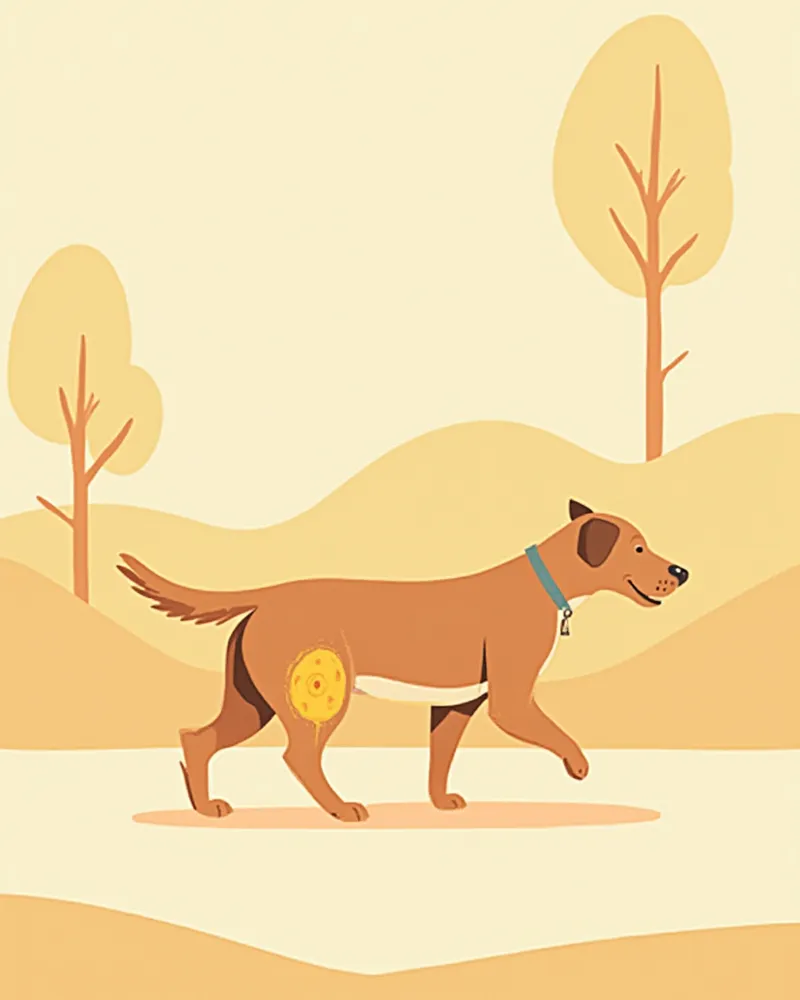
The causes of limping in dogs can range from simple muscle soreness to fractures and joint diseases. We’ve compiled a guide based on veterinary textbooks to help you assess urgency, check symptoms by cause, and take appropriate emergency measures.
My Dog Is Limping—How Urgent Is It?

Limping Urgency Assessment Table
| Severity | Symptoms | Recommended Action |
|---|---|---|
| Mild | Slight limping but able to bear weight; normal appetite | Rest for 1–2 days, then observe |
| Moderate | Reluctance to bear weight on one leg; intermittent limping | Visit a veterinary clinic within 2–3 days |
| Severe | Unable to place any weight on the leg; swelling or warmth present | Visit a veterinary clinic the same day |
| Emergency | Bone protrusion, extreme pain response, or limb deformity | Seek emergency veterinary care immediately |
Check for These Symptoms

Go to an Emergency Vet Immediately If You See These Symptoms
If any of the following apply, take your pet to an emergency veterinary clinic immediately: - A bone is protruding through the skin, or the leg is bent at an unnatural angle. - Your dog is limping immediately after a traffic accident or a fall from a height. - The leg is swelling rapidly, and your dog is showing signs of severe pain (such as screaming or attempting to bite when touched). - Your dog is limping and also has pale gums or appears lethargic and weak.
The Most Common Cause: Trauma and Injury
Joint or Bone Disease May Be the Cause
Causes Vary by Age
Never Give Human Painkillers
Even if seeing your dog in pain is heartbreaking, never give them human painkillers on your own. Human NSAIDs, including ibuprofen, can cause serious side effects in dogs such as gastrointestinal bleeding, ulcers, and abdominal pain, and the risk increases further if the dog is dehydrated. While acetaminophen may be used in dogs under strict veterinary supervision, it can be fatal to cats even in small amounts and toxic to dogs at high doses, so owners should never decide the dosage themselves. Even if your dog appears to be in severe pain, only use medications that have been diagnosed and prescribed by a veterinarian.
What to Do at Home Before Going to the Vet
Reviewed by a veterinarian

Dr. Tony — Punnawat Phongkittirak
VeterinarianA veterinarian who majored in veterinary medicine at Khon Kaen University, Thailand, and completed the IVSA program at North Carolina State University in the United States. Drawing on clinical experience at animal hospitals, he works in the pet healthcare field and is dedicated to building a digital care environment that connects pet parents with veterinarians.
Reviewed 2026-04-13
Frequently Asked Questions
My dog is limping, but it doesn’t seem to hurt when I touch the area. Is that okay?
My pet limps and then seems fine again, repeatedly. Why does this happen?
My dog only limps after walks. Should I reduce its exercise?
How is a limping dog diagnosed?
For limping, which is better: a warm compress or a cold compress?
Share
Related Guides

Top 5 Patellar Support Braces for Dogs — Stage-by-Stage Size Guide

Curcumin Efficacy and Anti-inflammatory/Joint Support

Top 5 Recommended Joint Supplements for Dogs in 2026

Dog Bad Breath — Dental Care Product Comparison

Why Is My Dog Scratching So Much? — Allergy Causes and How to Choose Care Products

Post-Blood Donation in Dogs and Cats: Warning Signs of Side Effects You Must Not Miss and How to Respond
Our Dog Was Stung by a Bee — Anaphylactic Shock Warning Signs and Immediate Response

If Your Dog or Cat Suddenly Swells and Collapses — Emergency Signs of Food Anaphylaxis and Immediate Response

Dog and Cat Heavy Metal Emergency Response Guide — Lead and Zinc Exposure Symptoms, Treatment, and Prevention

Emergency Response Guide for Dogs and Cats Exposed to Gas Leaks
References
[1] Clinical Medicine of the Dog and Cat, 4th Ed — Chapter 15: Musculoskeletal Disorders (Lameness, Stifle)
[2] The Dog Care Handbook: Things I Wish My Vet Had Told Me — Lameness and Orthopaedic Problems
[3] The Veterinary Workbook of Small Animal Clinical Cases — Case 44: Forelimb Lameness
[4] Notes on Canine Internal Medicine, 4th Ed — Presenting Complaints: Lameness