

If Your Dog Ingested Bleach or Detergent — When to Never Induce Vomiting and Emergency Signs
We’ve outlined the symptoms that occur when a dog ingests corrosive substances like bleach, household cleaners, or dish soap, explained why inducing vomiting can further damage the esophagus, and summarized the first-aid steps you should take at home.
Did Your Dog Ingest Bleach or Detergent?
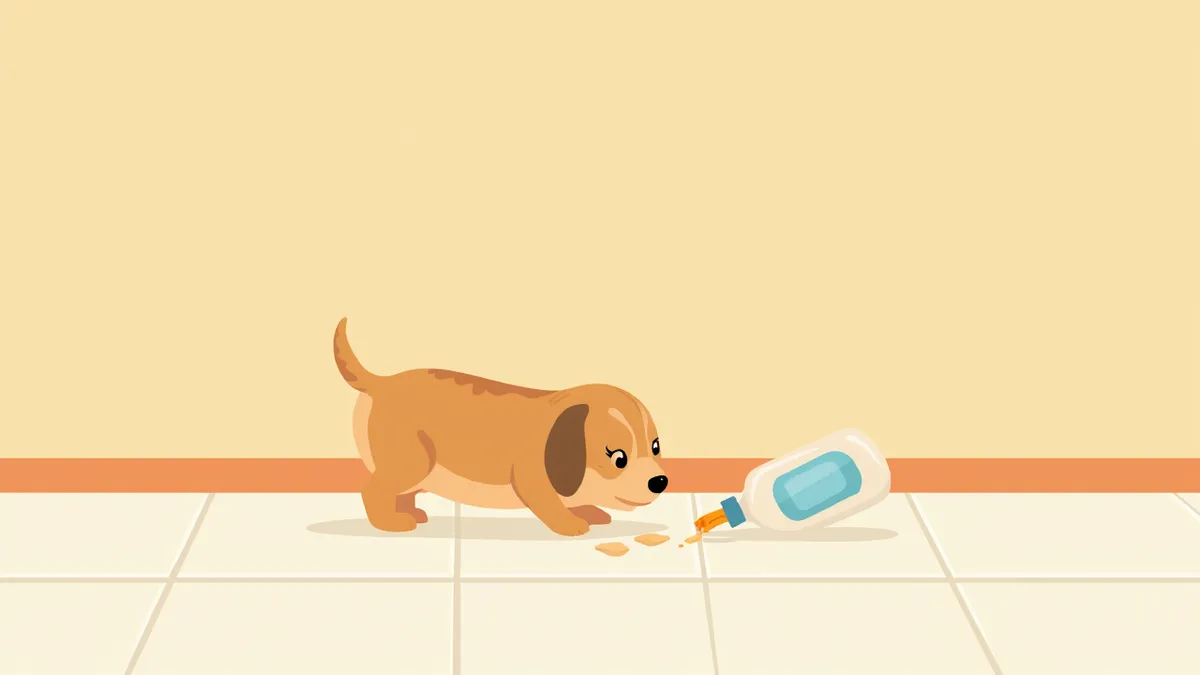
Bleach and Detergent Poisoning: When Is It an Emergency?
Step-by-Step Symptom Check After Ingestion

🚨 When to Never Induce Vomiting
In the following situations, forcing your dog to vomit with hydrogen peroxide, salt water, or similar methods can cause even more severe damage: • Corrosive substances such as bleach, toilet bowl cleaners, and mold removers • Foaming shampoos and detergents (due to the risk of aspiration pneumonia) • Dogs that are already vomiting or have impaired consciousness • Dogs experiencing seizures or convulsions Veterinary toxicology textbooks classify inducing vomiting as strictly contraindicated for corrosive substances. In particular, salt water can cause hypernatremia and severe vomiting, so it should never be used at home to induce vomiting. Instead of trying to make your dog vomit, you should rinse its mouth with lukewarm water and take it to a veterinary clinic immediately.
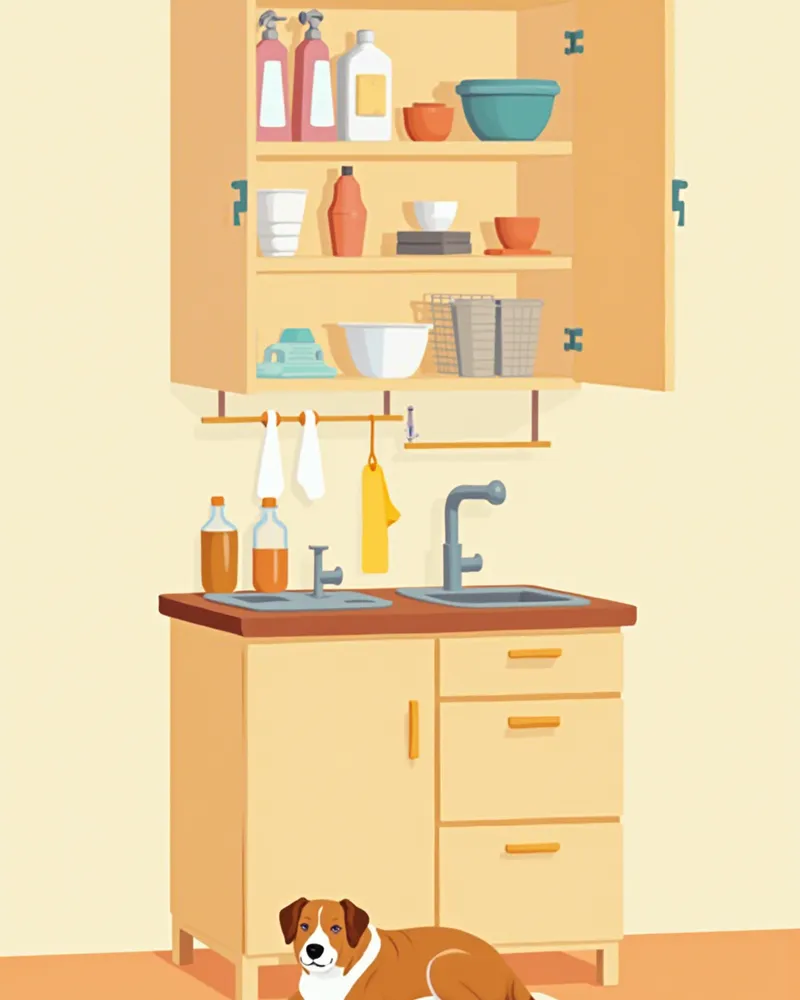
First-Aid Steps You Can Take at Home
Diagnosis and Treatment at the Clinic

Bleach vs. Regular Detergent: Risk Comparison at a Glance
| Item | Bleach (sodium hypochlorite) | Dish detergent (surfactant) | Shampoo / body wash |
|---|---|---|---|
| Main risk | Corrosive burns | Irritation, vomiting | Foam aspiration pneumonia |
| Inducing vomiting | Absolutely prohibited | Conditionally prohibited | Absolutely prohibited |
| Urgency | Highest | Moderate | Moderate to high |
| Hospital transport | Immediately | Immediately if symptoms present | Immediately if foaming or coughing |
| Possible complications | Esophageal stricture | Gastritis | Aspiration pneumonia |
This can vary depending on the concentration of the undiluted product, the amount ingested, and the dog's body weight. The most accurate approach is to bring the label and have the veterinary hospital make the assessment.
Return to the Clinic Within 24 Hours If These Symptoms Occur
Even if your pet seems to be recovering at home after the initial visit, the following signs may indicate a delayed esophageal burn: • Suddenly refusing to swallow food or regurgitating it several days later • Gagging or vomiting even when drinking water • Rapid weight loss • A noticeably foul odor from the mouth Esophageal strictures are easier to manage and have a better prognosis when detected early. However, if diagnosis is delayed and complications such as strictures or perforations develop, the prognosis worsens and treatment becomes more difficult. Therefore, it’s important to seek veterinary care promptly if you notice any of these signs, no matter how minor they may seem.
Post-Incident Recovery Care and Prevention of Recurrence
Reviewed by a veterinarian

Dr. Tony — Punnawat Phongkittirak
VeterinarianA veterinarian who majored in veterinary medicine at Khon Kaen University, Thailand, and completed the IVSA program at North Carolina State University in the United States. Drawing on clinical experience at animal hospitals, he works in the pet healthcare field and is dedicated to building a digital care environment that connects pet parents with veterinarians.
Reviewed 2026-05-07
Frequently Asked Questions
My dog only licked some bleach that was spilled on the floor. Do I still need to take him to the vet?
Is it okay to induce vomiting if my pet ingests dish soap?
Does giving milk right after medication really help?
My pet seemed fine for several days after the accident, but suddenly stopped eating. Why is this happening?
Is it safe for pets once the floor cleaned with Lysol has completely dried?
Share
Related Guides

Top 5 Emergency Poisoning Kits for Dogs Recommended by Veterinarians
7 Emergency Checklist Items for Cat Poisoning — Signs to Check Immediately After Exposure

Emergency Response for Cats with Rapid Breathing

Causes and How to Check When Your Dog Drinks a Lot of Water

Causes of Dog Tremors and Assessing Urgency

Causes of Fever in Dogs and How to Respond

Emergency Response for Dog Heatstroke

Feline Stress Signals and Management: A Comprehensive Guide to Key Signs Owners Often Miss

When a Membrane Covers Your Cat’s Eye — Causes and Suspected Conditions of Third Eyelid (Nictitating Membrane) Exposure

Why Is My Cat Grooming So Much? — Causes of Overgrooming and Hidden Disease Signals
References
[1] Blackwell's Five-Minute Veterinary Consult Clinical Companion: Small Animal Toxicology, 3rd Edition — Corrosives / Household Cleaning Products chapter
[2] Clinical Medicine of the Dog and Cat, 4th Edition — Decontamination and Toxicology chapter
[3] Plumb's Veterinary Drug Handbook — Apomorphine / Hydrogen peroxide induced emesis indications and contraindications