Like
Share
멍실장
강아지 귀 염증 원인과 치료 방법

Causes and Treatment of Canine Ear Inflammation

Skin & CoatSymptomsMeongsiljang Veterinary Advisory Board

If your dog is constantly scratching its ears or they have an unpleasant odor, it may be a sign of ear inflammation (otitis externa). We’ve compiled the causes, a symptom checklist, treatment options, and prevention tips based on veterinary textbooks.

What Symptoms of Canine Ear Inflammation Should You Look For?
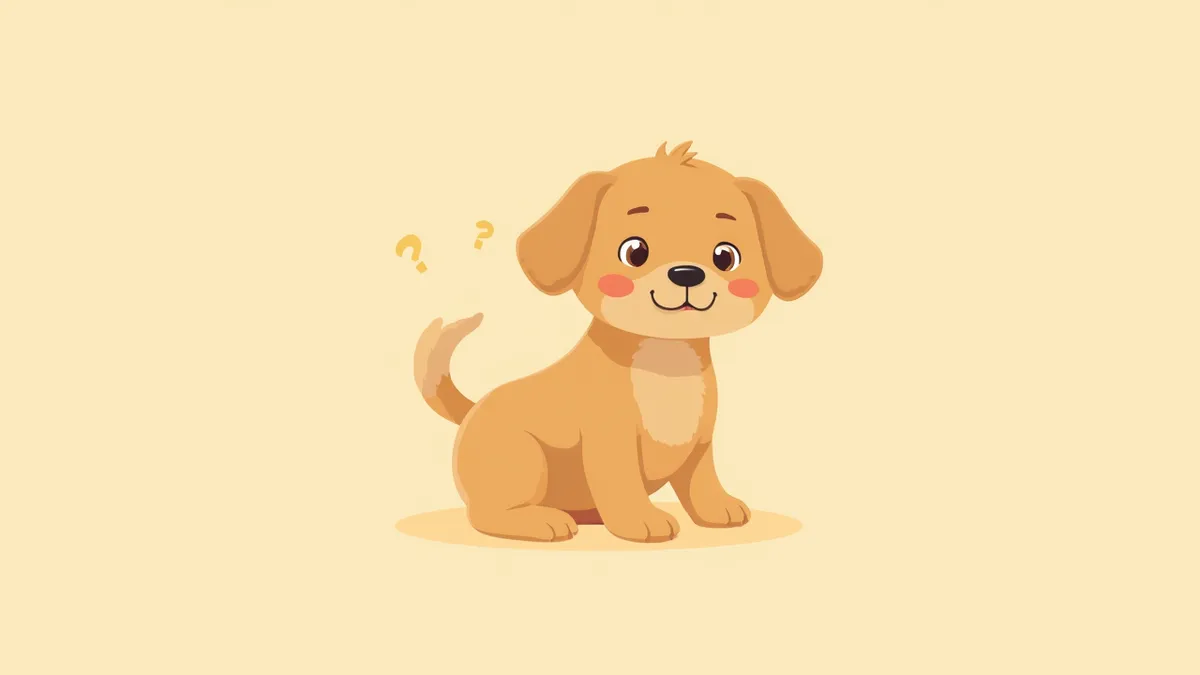
An illustration of a dog with its ears perked up, listening attentively.
Canine ear inflammation (otitis externa) is a condition in which the external ear canal becomes inflamed due to bacteria, fungi, ear mites, and other causes. According to veterinary dermatology textbooks, it is a very common condition in dogs. While most cases respond well to appropriate treatment, the biggest challenge is the high tendency for recurrence. If the underlying cause is not accurately identified, the condition is likely to return even after treatment.

How Are Types of Ear Inflammation Classified?

According to veterinary dermatology textbooks, ear inflammation in dogs is broadly categorized into two main types and classified by duration as acute, subacute, or chronic.
CategoryCharacteristicsPrimary CausesEar Condition
Erythematous-SeborrheicRed ears with abundant brown earwaxAllergies, Malassezia (yeast)Severe itching
PurulentYellow or green pus with a strong odorBacterial infection (especially Pseudomonas)Severe pain
AcuteSudden recent onset, short durationForeign bodies, water ingress, infectionGenerally responds well to early treatment
SubacuteIntermediate stage between acute and chronicPersistent or unresolved acute causesRisk of progressing to chronic condition
ChronicLasts more than 30 days or recurs repeatedlyUnderlying cause unresolvedPossible structural changes to the ear

Suspect Ear Inflammation If You Notice These Symptoms
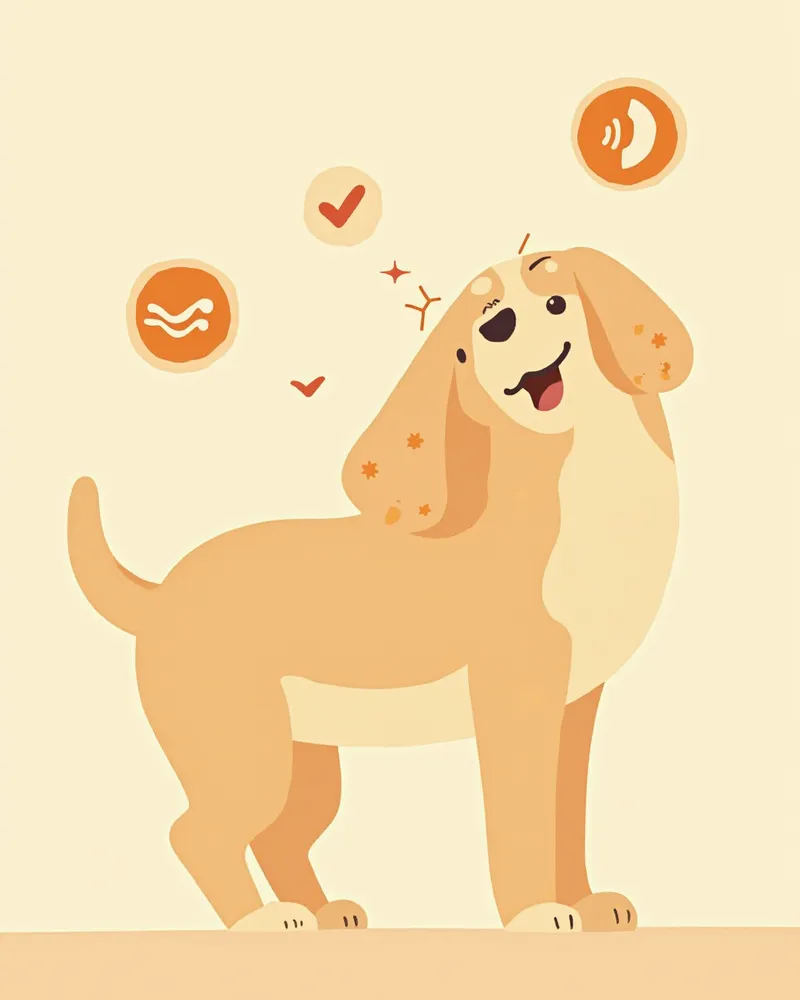
If several of the following symptoms appear together, it is likely that your pet has an ear inflammation.
Scratching at the ears: Repeatedly scratching around the ears with the front or hind paws.
Head shaking: Frequently shaking the head or tilting it to one side.
Ear odor: A sour or musty smell coming from the ears.
Changes in earwax: An increase in the amount of earwax compared to usual, or a change in color to dark brown, yellow, or green.
Ear redness: The inside of the ear flap or the ear opening appears red and swollen.
Pain when touched: Flinching or whining when the area around the ears is touched.
Ear discharge: Sticky discharge leaking out of the ears.
An illustration of a dog scratching its ears, accompanied by symptom icons.

Seek Immediate Veterinary Care in These Cases

If you notice pus draining from your pet’s ears, extreme pain when touching the ears, or an inability to maintain balance with the head tilted to one side, seek veterinary care immediately. If otitis externa progresses to otitis media or interna, it can lead to hearing loss or neurological symptoms. Additionally, if the eardrum is ruptured, treatment options are limited, making a veterinary examination essential before starting any medication.

Causes of Ear Inflammation

Veterinary dermatology textbooks categorize the causes of ear inflammation into underlying causes and predisposing factors. If the root cause isn’t addressed, the condition will likely recur despite treatment.
Allergies: Atopic dermatitis and food allergies are the most common underlying causes. Allergies weaken the skin barrier inside the ear, making it more susceptible to infection.
Bacterial and Yeast Infections: Malassezia and Staphylococcus are typical culprits. In cases of chronic ear inflammation, bacteria such as Pseudomonas may develop antibiotic resistance.
Ear Anatomy: Ears that are moist and poorly ventilated create an ideal environment for microbial growth.
Foreign Bodies and Moisture: Inflammation can occur if foreign objects like grass seeds enter the ear or if water remains in the ear after bathing or swimming.

Breeds Prone to Ear Inflammation

Certain breeds are more prone to ear inflammation due to their ear anatomy.
Floppy-eared breeds: Breeds with covered ears, such as Cocker Spaniels, Basset Hounds, and Beagles, are at higher risk of infection because moisture easily accumulates inside the ear canal.
Breeds with abundant ear hair: Breeds like Poodles and Schnauzers have excessive hair inside the ears, which restricts airflow and facilitates the buildup of earwax.
Breeds predisposed to allergies: Some breeds have a tendency to develop allergic skin conditions, such as atopic dermatitis. In these cases, ear inflammation may occur as a symptom accompanying the skin disease. If you own a breed suspected of being allergy-prone, it is important to work with your veterinarian to identify the underlying cause if ear inflammation recurs.
If you own one of these breeds, please check your pet’s ear condition regularly.
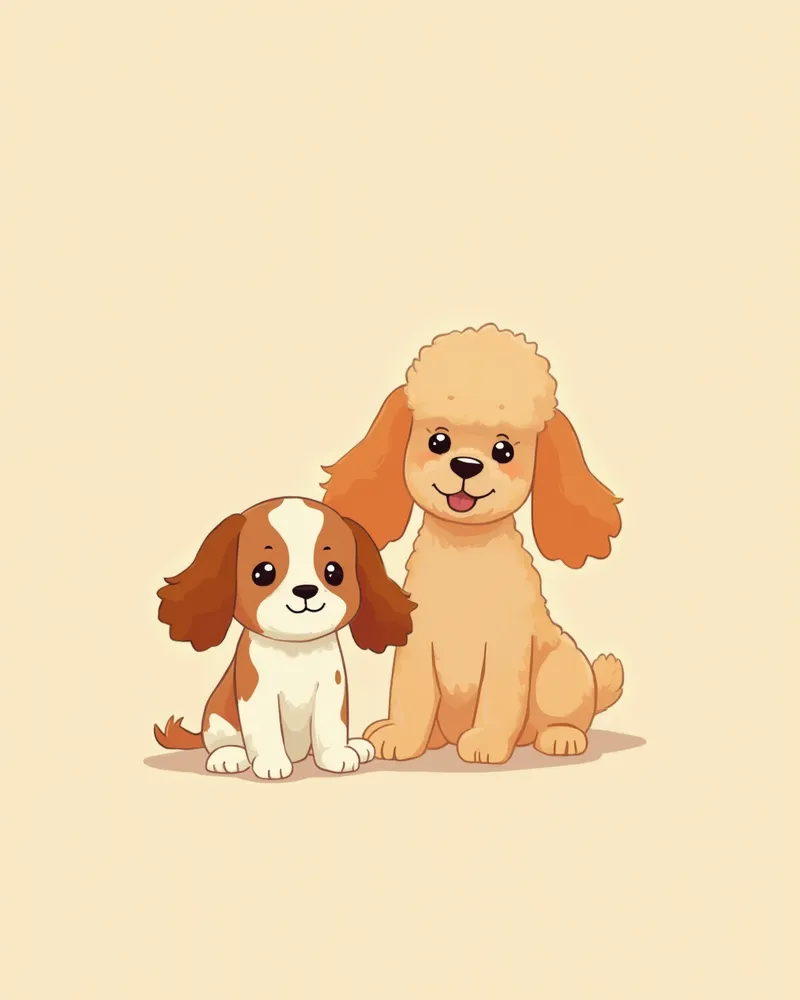
Illustration of a Cocker Spaniel and a Poodle with floppy ears

How Ear Inflammation Is Treated at the Veterinary Clinic

First, the veterinarian will examine the inside of the ear using an otoscope and take a sample of earwax to check for bacterial or yeast infections under a microscope.
Ear Cleaning: Before treatment, accumulated earwax and discharge are thoroughly cleaned. The type of cleaning solution used depends on the condition of the eardrum.
Prescription Ear Drops: Ear drops containing antibiotics, antifungals, and anti-inflammatory agents are prescribed. The veterinarian selects the appropriate medication based on the type of infection.
Treating the Underlying Cause: If allergies are the cause, managing them is essential to prevent recurrence.
Chronic or Severe Cases: A bacterial culture test may be performed to determine which antibiotic is most effective. In cases where the ear structure is severely deformed, surgery may be necessary.

Chronic Ear Inflammation: Breaking the Vicious Cycle

When ear inflammation recurs, the skin inside the ear thickens and the ear canal gradually narrows. This narrowing causes earwax and discharge to accumulate more easily, while the ear’s natural self-cleaning ability weakens, trapping the pet in a vicious cycle of repeated infections. If ear inflammation keeps coming back even after treatment, a thorough examination to identify the underlying cause (such as allergies) is necessary.

Prevention and Home Care for Ear Inflammation
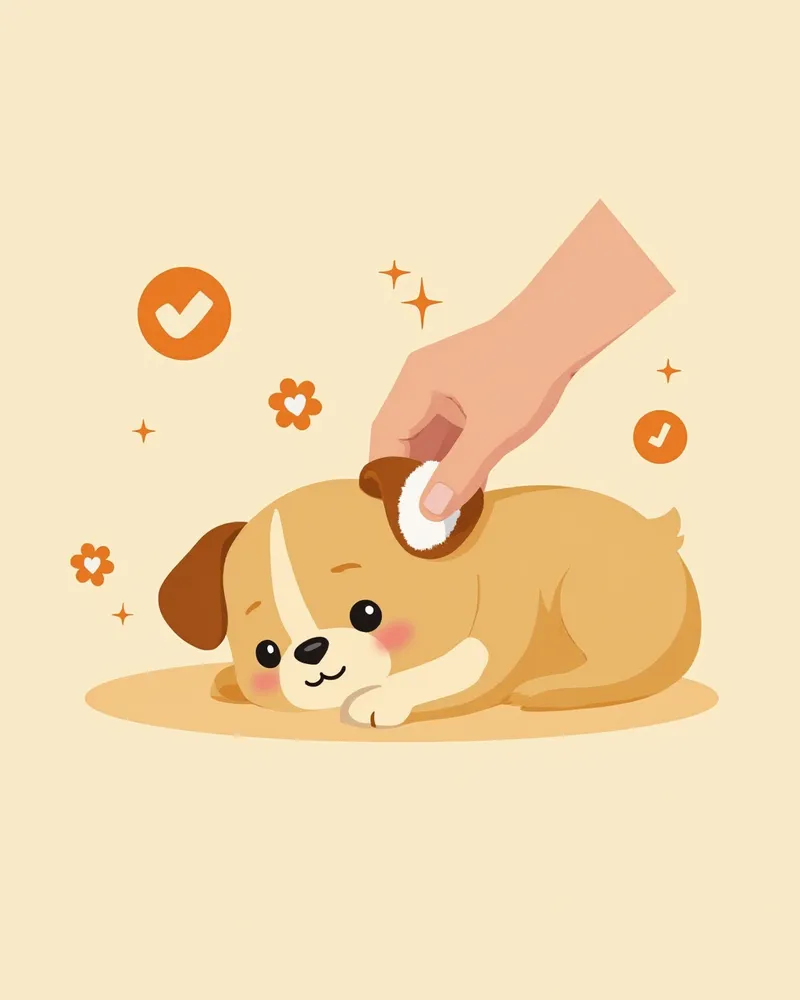
Prevention and proper care are key to preventing ear inflammation from recurring.
Regular ear checks: Gently flip back the ear flap to regularly check for changes in color, odor, or discharge. The frequency of checks may vary depending on the breed and individual ear condition, so consult your veterinarian to determine an appropriate schedule.
Proper ear cleaning: Clean only as needed using an ear cleanser recommended by your veterinarian. Over-cleaning can actually cause irritation.
Drying ears after bathing or swimming: After water activities, gently wipe away moisture from the entrance of the ear canal with soft cotton or gauze.
Ear hair management: After consulting with your veterinarian, properly manage the hair inside the ears.
Do not self-treat: Never use human ear drops or antiseptics, as they pose a risk of eardrum damage.
Illustration of a dog having its ears cleaned by its owner

Reviewed by a veterinarian

Dr. Tony — Punnawat Phongkittirak

Dr. Tony — Punnawat Phongkittirak

Veterinarian

A veterinarian who majored in veterinary medicine at Khon Kaen University, Thailand, and completed the IVSA program at North Carolina State University in the United States. Drawing on clinical experience at animal hospitals, he works in the pet healthcare field and is dedicated to building a digital care environment that connects pet parents with veterinarians.

Frequently Asked Questions

Can a dog's ear infection be transmitted to humans?
Ear inflammation in dogs isn’t a condition that directly spreads to humans. However, since the bacteria or fungi causing the inflammation can be transferred through contact, it’s a good idea to wash your hands thoroughly afterward for hygiene purposes. If you’re concerned about your dog’s ears, the safest approach is to have a veterinarian identify the exact cause rather than making assumptions on your own.
Can ear infections heal on their own?
While mild cases may resolve on their own, most ear infections will worsen if left untreated. It’s important to see a veterinarian early, because chronic infections can cause structural changes in the ear that make treatment much more difficult.
Can I use ear drops meant for humans?
Absolutely not. Human ear drops may contain ingredients that are unsuitable for dogs, and using the wrong medication when the eardrum is already damaged can cause serious hearing problems. Always use only medications prescribed by a veterinarian.
How often should I clean my pet’s ears?
The frequency of ear cleaning varies depending on your dog’s ear condition and breed, so it’s best to consult with your veterinarian to determine the appropriate schedule. If your dog is being treated for an ear infection, follow the cleaning frequency recommended by your vet. Cleaning too frequently can irritate the skin inside the ear, potentially causing more harm than good.
What should I do if my pet’s ear infections keep coming back?
If the condition keeps recurring, it’s likely that the underlying cause, such as an allergy, hasn’t been fully addressed. Consult your veterinarian to conduct thorough diagnostic tests, such as allergy testing or an elimination diet trial, to identify the root cause.

Share

Related Guides

References

[1] BSAVA Manual of Canine and Feline Dermatology, 4th Ed — Chapter 19–20: Otitis Externa

[2] The Dog Care Handbook, Things I Wish My Vet Had Told Me — Otitis Externa

[3] Muller & Kirk's Small Animal Dermatology, 7th Ed — Diseases of the Ear

This information is based on veterinary literature and does not replace diagnosis or treatment. Please consult a veterinarian for specific health concerns.

Metapet Co., Ltd. | CEO: Park Sung-yong | Business Reg. No. 417-88-02562 | Seoul, South Korea | Customer Center

Ear Inflammation in Dogs: Causes, Symptoms & Treatment | Meongsiljang