Like
Share
멍실장
고양이 헤어볼 원인과 관리법

Causes of Hairballs in Cats and Management Strategies

DigestiveSymptomsMeongsiljang Veterinary Advisory Board

We’ve compiled a veterinary-backed guide covering everything from the causes of hairballs in cats to warning signs and management strategies using dietary fiber and regular brushing.

When Should You Worry About Hairballs in Cats?
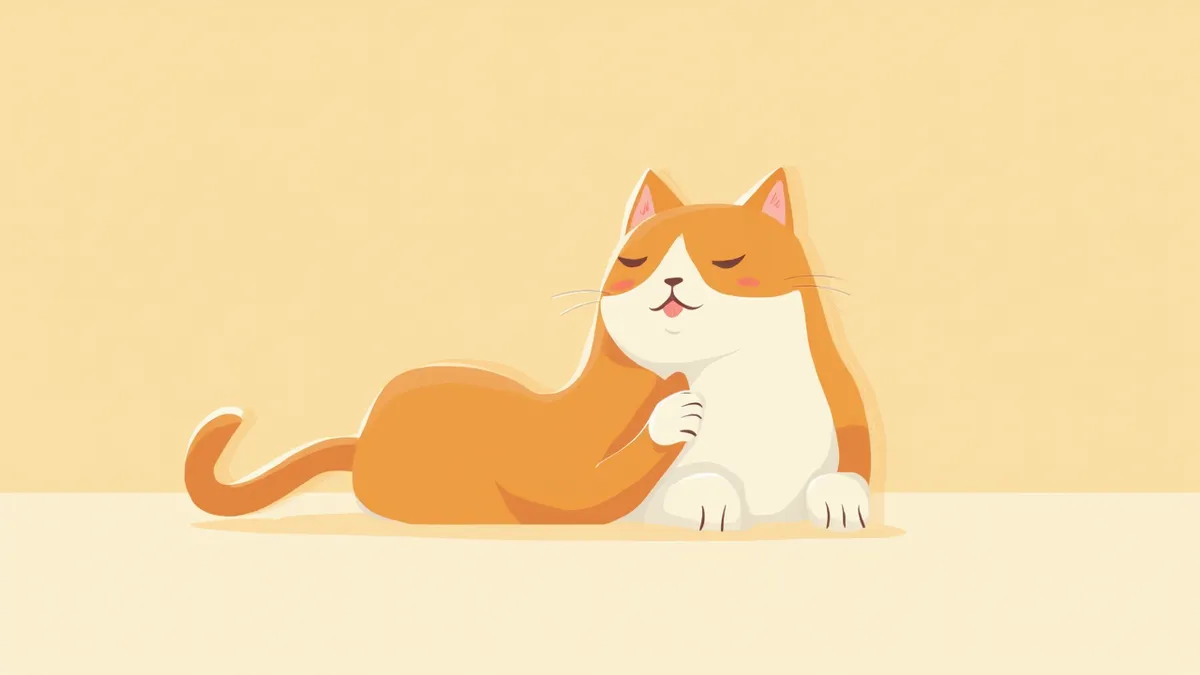
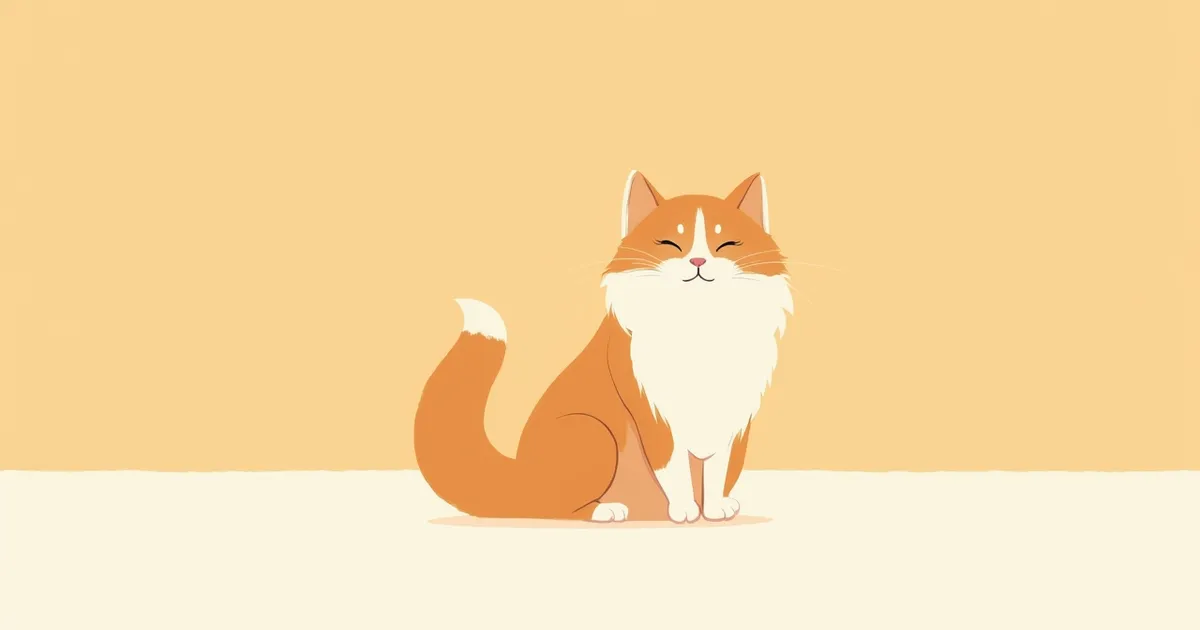
A cat grooming itself by licking its fur.
It’s normal for cats to occasionally vomit hairballs. When grooming, their rough tongues cause them to swallow loose fur, which can clump together in the stomach to form a hairball. Typically, these are expelled naturally through vomiting or passed in the stool. However, if your cat is vomiting hairballs more than twice a month, or if this is accompanied by symptoms such as loss of appetite, constipation, or lethargy, it may be more than just a simple hairball issue. In such cases, a veterinary examination is essential.

How to Classify the Severity of Hairballs

The severity of hairball symptoms can be broadly divided into three stages.
StageSymptomsAction
NormalVomiting once a month or less, followed by normal activityHome care is sufficient
CautionVomiting 2–3 times a month, occasional decreased appetiteDietary management + consultation with a veterinarian
DangerFrequent dry heaving, abnormal bowel movements, lethargyImmediate veterinary visit required
First, determine which stage your cat falls into so you can take the appropriate action.

Suspect a Hairball If You See These Symptoms

Dry heaving: Your cat assumes a vomiting posture and makes a "hack-hack" sound. If this repeats without actual vomiting, a hairball may be lodged in the intestines.
Elongated vomit masses: Your cat vomits sausage-shaped, brown or dark-colored clumps. This is a classic sign of a hairball.
Constipation or diarrhea: Hairballs can irritate the intestines, leading to changes in bowel habits.
Decreased appetite: If a hairball remains in the stomach, the resulting discomfort may cause your cat to eat less.
Excessive grooming: Stress or skin conditions can lead to increased grooming, which in turn results in more hairballs.
A cat showing a slightly uncomfortable expression.

Go to the Vet Immediately in These Situations

If your pet is repeatedly dry-heaving without producing anything, hasn’t had a bowel movement for more than two days, shows abdominal pain when touched, or is unable to drink water and continues to vomit, it may not be just a hairball. According to veterinary textbooks, hairballs usually don’t cause major health issues, but if they’re accompanied by systemic symptoms like loss of appetite or lethargy, it could indicate a more serious condition. When such accompanying symptoms are present, there’s a possibility of gastrointestinal problems, so it’s safest to avoid making a diagnosis at home and seek immediate veterinary care for an accurate assessment.

Causes of Hairballs

When cats groom themselves, loose hairs get caught in the tiny papillae on their tongues and are naturally swallowed. Most of this ingested hair is indigestible and remains in the stomach; under normal conditions, it is expelled through the feces via intestinal motility. However, if expulsion becomes difficult for various reasons, the hair can clump together in the stomach, leading to the formation of a larger hairball.
Reduced intestinal motility: According to veterinary internal medicine textbooks, cats have a unique pattern of gastrointestinal motility when fasting, which can make it difficult to move hair into the duodenum.
Excessive grooming: Stress, skin diseases, and allergies can lead to increased grooming time.
Long-haired breeds: Longer hair results in a greater amount being swallowed, making hairballs more likely to form.

How to Reduce Hairballs with Dietary Fiber
Adequate dietary fiber stimulates intestinal motility, helping swallowed hair pass naturally in the stool. According to veterinary internal medicine textbooks, bulk-forming laxatives such as psyllium are effective for hairball management. However, there is currently insufficient veterinary evidence from studies on cats to clearly compare the efficacy of psyllium with other fiber sources like cellulose or beet pulp. Therefore, when selecting a hairball-specific diet, it is advisable to consult your veterinarian to choose the most suitable product rather than focusing solely on ingredient lists. For the safest approach, specific feeding amounts should also be determined in consultation with your veterinarian.
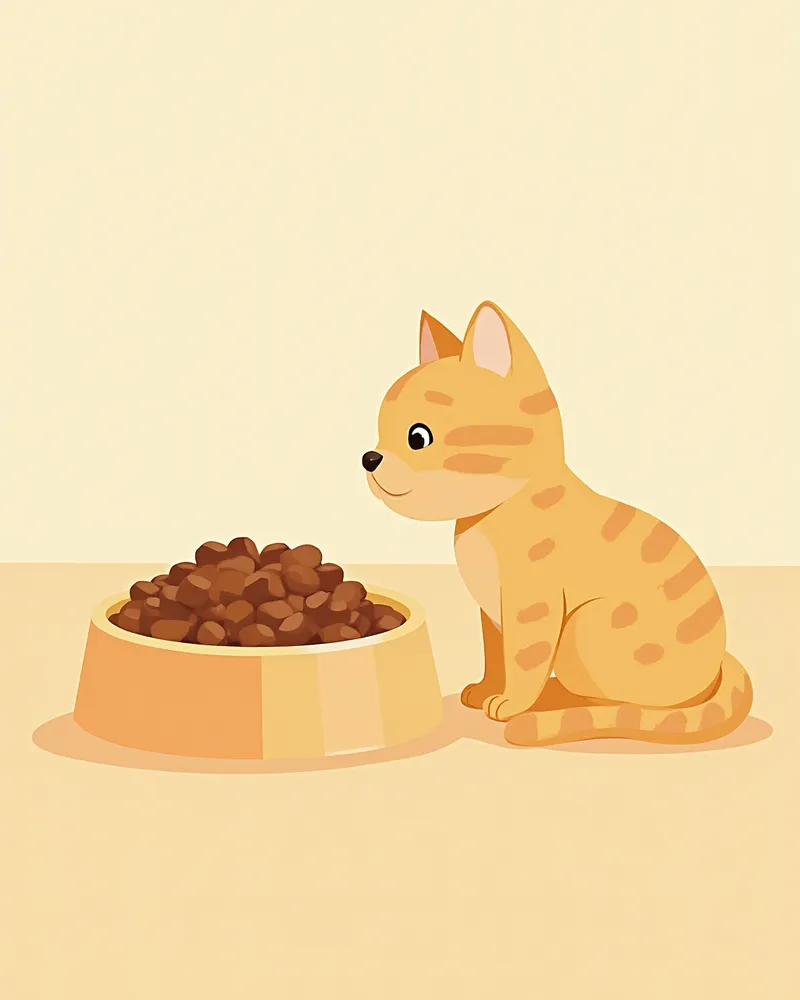
Cat food containing dietary fiber and healthy cats

Malt Paste and Brushing Care

Malt paste: This product contains lubricants that coat hairballs in the gastrointestinal tract, helping them pass smoothly through the intestines. It is typically given in small amounts two to three times per week. However, prolonged continuous use may cause side effects, so always follow your veterinarian’s instructions.
Regular brushing: This is the most effective preventive measure. Brushing for just 5–10 minutes daily can significantly reduce the amount of hair your cat swallows. Long-haired breeds should be brushed daily, while short-haired breeds benefit from brushing two to three times a week. Regular brushing also strengthens the bond between you and your cat.

Pay Special Attention to Long-Haired Breeds

Long-haired breeds like Persians, Maine Coons, and Ragdolls are much more prone to hairballs than short-haired cats. During seasonal shedding periods, when hair loss increases, it’s a good idea to brush them more frequently and use hairball-specific food or malt paste as a preventive measure. Older cats may also experience more severe hairball issues due to slower intestinal motility, so it’s wise to consult your veterinarian during regular check-ups.

Daily Routine for Hairball Prevention
While it’s impossible to completely eliminate hairballs, you can significantly reduce their frequency and severity.
Daily brushing: Brushing once or twice a day is essential, especially during shedding seasons.
Dietary fiber supplementation: Use hairball-control cat food or a veterinarian-recommended fiber supplement.
Increase water intake: Adequate hydration supports healthy digestion. If your cat prefers running water, consider using an automatic water fountain.
Stress management: If excessive grooming is stress-related, improving your cat’s environment is the key solution. Providing hiding spots and vertical spaces can help.
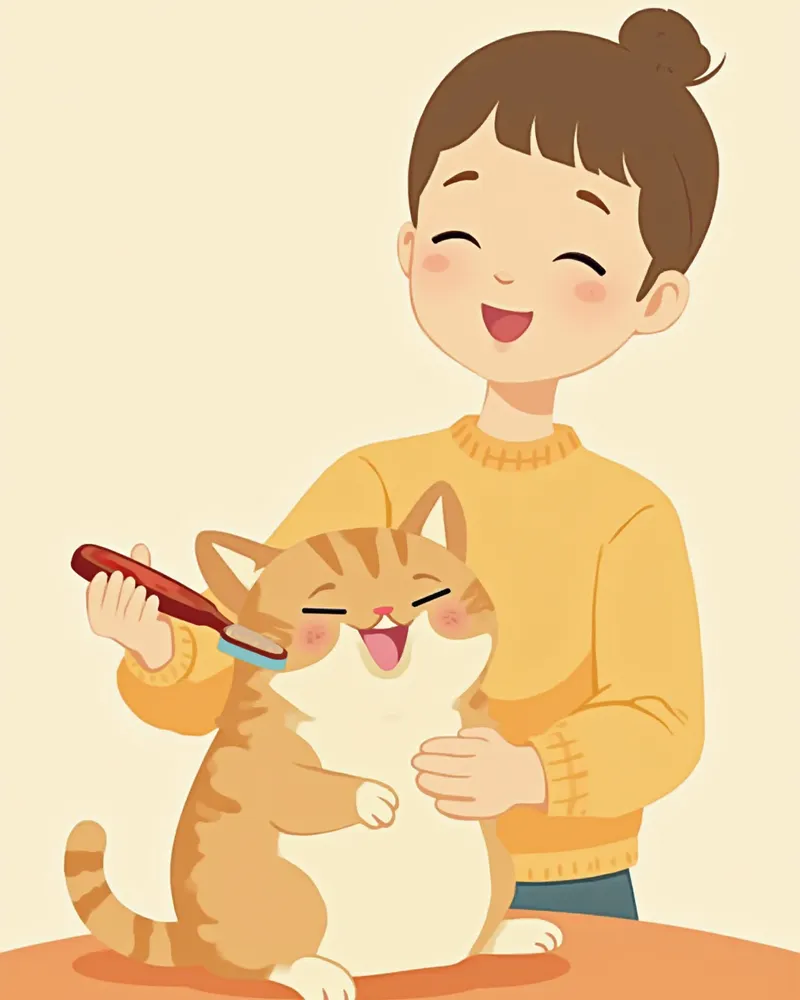
A caregiver gently brushing their cat

Reviewed by a veterinarian

Dr. Tony — Punnawat Phongkittirak

Dr. Tony — Punnawat Phongkittirak

Veterinarian

A veterinarian who majored in veterinary medicine at Khon Kaen University, Thailand, and completed the IVSA program at North Carolina State University in the United States. Drawing on clinical experience at animal hospitals, he works in the pet healthcare field and is dedicated to building a digital care environment that connects pet parents with veterinarians.

Frequently Asked Questions

How often is it considered abnormal for a cat to vomit hairballs?
If your pet occasionally vomits but otherwise acts normally, there’s usually no need to worry. However, if vomiting becomes more frequent or is accompanied by symptoms like loss of appetite or constipation, it’s important to consult your veterinarian.
Do hairball-specific cat foods really work?
Its high dietary fiber content helps stimulate intestinal motility. According to veterinary internal medicine textbooks, psyllium-based bulk laxatives are effective for managing hairballs. However, there is insufficient veterinary evidence in cats comparing the efficacy of other fiber ingredients, so it’s best to consult your veterinarian before choosing a product.
Does cat grass help with hairball elimination?
While it’s often said that cat grass helps with hairball elimination, current veterinary textbooks don’t provide clear evidence to support this. Proven methods for managing hairballs include regular brushing and using psyllium-based bulk laxatives or petroleum jelly laxatives. Cat grass can be considered as a supplementary option, but always consult your veterinarian before using it.
Do short-haired cats get hairballs?
Yes, short-haired cats can also develop hairballs. While less common than in long-haired breeds, excessive grooming or shedding seasons can lead to hairball vomiting in short-haired cats as well.
Do kittens also vomit hairballs?
Kittens have short fur and their grooming habits are not yet well developed, so hairballs are relatively uncommon. If a young cat vomits frequently, it is more likely to be a digestive issue other than a hairball, so it is best to have a veterinarian check it out.

Share

Related Guides

References

[1] Schaer M, Gaschen F. Clinical Medicine of the Dog and Cat, 4th Ed. CRC Press.

[2] Little SE. The Cat: Clinical Medicine and Management, 2nd Ed. Elsevier.

[3] Fascetti AJ, Delaney SJ. Applied Veterinary Clinical Nutrition, 2nd Ed. Wiley-Blackwell.

[4] Barrs VR, Beatty JA, Tisdall PL, et al. Intestinal obstruction by trichobezoars in five cats. J Feline Med Surg. 1999;1:199.

[5] Donadelli RA, Aldrich CG. The effects on nutrient utilization and stool quality of Beagle dogs fed diets with beet pulp, cellulose, and Miscanthus grass. J Anim Sci. 2020.

This information is based on veterinary literature and does not replace diagnosis or treatment. Please consult a veterinarian for specific health concerns.

Metapet Co., Ltd. | CEO: Park Sung-yong | Business Reg. No. 417-88-02562 | Seoul, South Korea | Customer Center

Cat Hairballs: Causes, Symptoms, and Prevention Guide | Meongsiljang