Like
Share
멍실장
강아지 복수 원인과 단계별 대처법, 병원 가야 할 신호 총정리

Canine Ascites: Causes, Step-by-Step Management, and Signs Requiring Veterinary Care

DigestiveSymptomsMeongsiljang Veterinary Advisory Board

Canine ascites is a sign of serious underlying conditions such as heart, liver, or kidney disease, or tumors. We’ve outlined the symptoms by cause, step-by-step management strategies, and warning signs that require immediate veterinary attention.

How Serious Is Canine Ascites?
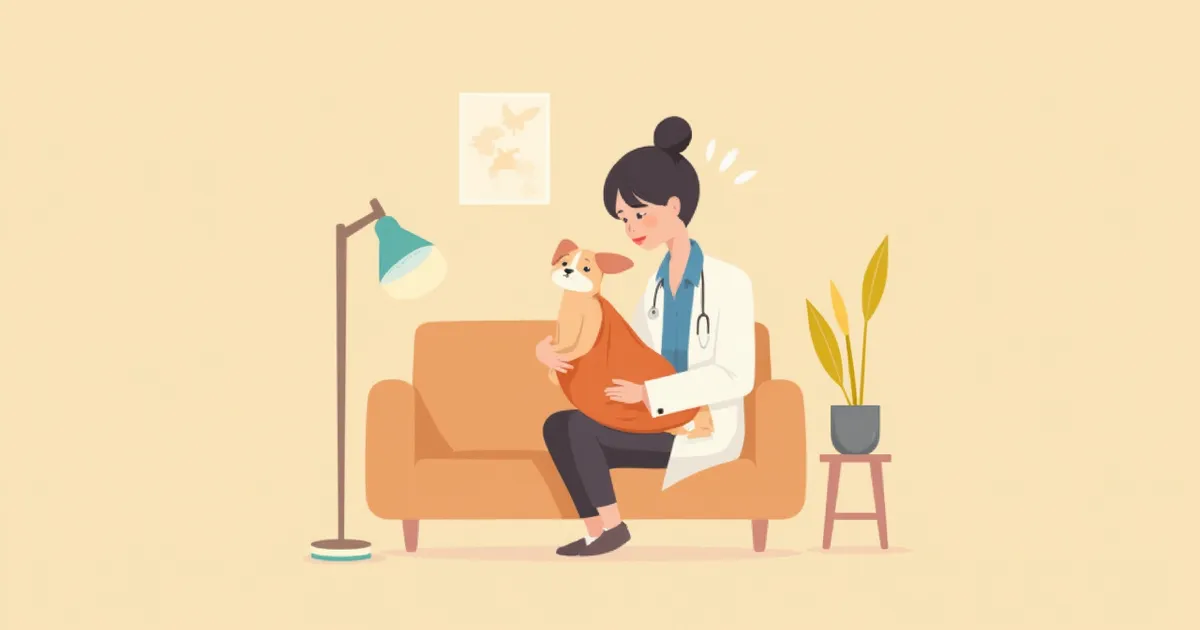
A veterinarian examining a puppy with a swollen belly due to ascites
Canine ascites is a condition characterized by the abnormal accumulation of fluid within the abdominal cavity, often signaling serious underlying diseases such as heart, liver, or kidney disorders, or tumors. While a visibly distended, rounded abdomen is the most noticeable sign, the wide variety of potential causes makes it difficult to alleviate symptoms without first identifying the root issue. The true priority is not merely managing the ascites itself, but diagnosing and treating the underlying disease causing it. If you notice significant abdominal swelling or observe that your dog is struggling to breathe, seek veterinary care immediately.

Symptoms and Urgency by Stage of Ascites

ItemMain SymptomsUrgency
Early StageBelly gradually begins to swell round, appears as if weight has increasedCheckup recommended within 1 week
Middle StageBelly noticeably distended, movement becomes sluggish, accompanied by decreased appetiteCheckup within 48 hours
SevereDifficulty breathing, frequent coughing, extreme loss of vitality, vomitingImmediate emergency clinic

If even one symptom applies, confirm with an ultrasound at the clinic

Checklist for Suspected Ascites Symptoms

If your pet exhibits one or more of the following symptoms, ascites may be suspected:
Abdominal shape changes: The abdomen appears distended, with a fluctuant, elastic sensation when gently pressed.
Breathing changes: Labored breathing or rapid panting.
Decreased appetite and energy: Reluctance to eat or move.
Weight gain: Abdominal enlargement despite reduced food intake.
Digestive issues: Recurrent vomiting or diarrhea, or abnormal stool consistency.
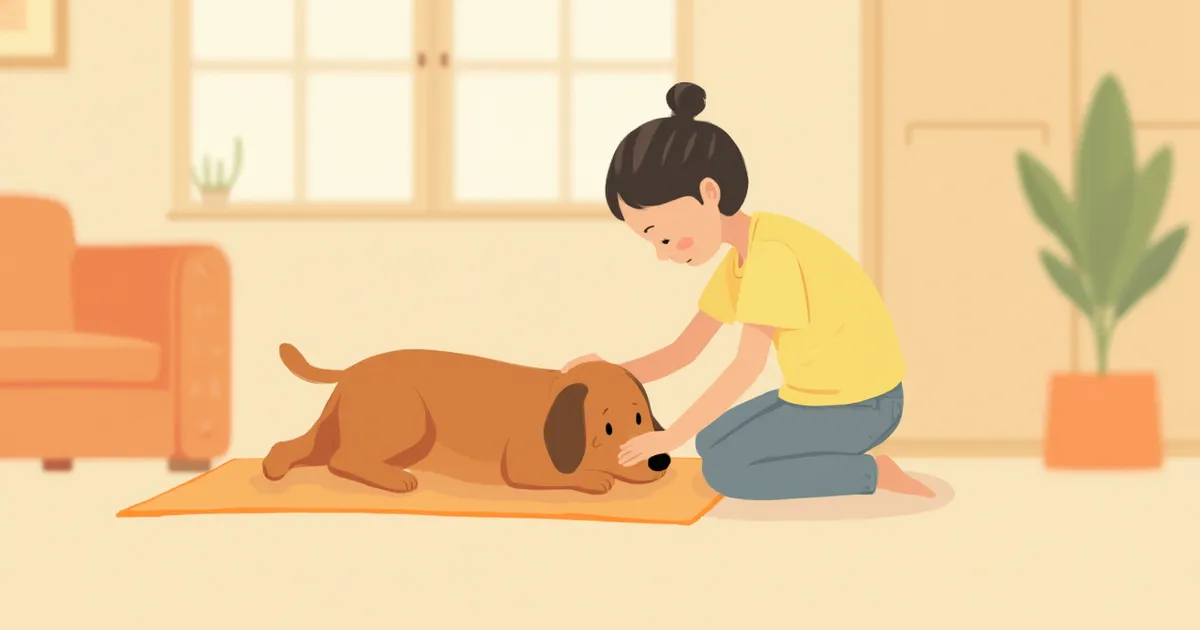
A veterinarian palpating a dog’s abdomen to check for ascites.

Go to an Emergency Hospital Immediately If These Symptoms Occur

Severe difficulty breathing, blue-tinged gums (cyanosis), collapsing or being unable to stand up, and extreme pain when the abdomen is touched are all dangerous signs that require immediate emergency care. Please take your pet to a 24-hour emergency animal hospital without delay.

Heart, Liver, and Kidney Diseases Are the Main Causes

Heart disease (right-sided heart failure): Right-sided heart failure or pericardial effusion (cardiac tamponade) increases systemic venous and portal pressures, causing fluid to leak into the abdominal cavity. The accumulated fluid is often a modified transudate, which is relatively high in protein. Please remember that cardiac causes of ascites are more closely associated with right-sided heart failure and pericardial effusion than with left-sided mitral valve disease, which is common in small-breed dogs. Liver disease (cirrhosis and liver failure): Chronic hepatitis and cirrhosis are often accompanied by portal hypertension. This is compounded by reduced albumin production, which lowers blood osmotic pressure and causes fluid to escape from blood vessels into the abdominal cavity. Ascites resulting from cirrhosis typically presents as a modified transudate. Kidney disease (protein-losing nephropathy): Severe proteinuria, such as that caused by glomerulonephritis, leads to low blood albumin levels. The resulting drop in osmotic pressure causes a low-protein transudate to accumulate in the abdominal cavity.

Tumors, Peritonitis, and Trauma Can Also Be Causes

Intra-abdominal tumors: Tumors in the spleen, liver, or lymph nodes can cause internal bleeding or leakage of lymphatic fluid, leading to ascites. The presence of blood-tinged ascitic fluid strongly suggests a tumor. Peritonitis: Severe cases of intestinal perforation or pancreatitis can cause inflammation of the peritoneum, resulting in fluid accumulation. Hypoproteinemia: When impaired nutrient absorption leads to low blood protein levels, changes in osmotic pressure can cause ascites. Hemoperitoneum: External trauma, such as from a traffic accident, can damage blood vessels, causing blood to accumulate in the abdominal cavity.

How Is Diagnosis and Treatment Performed at the Hospital?
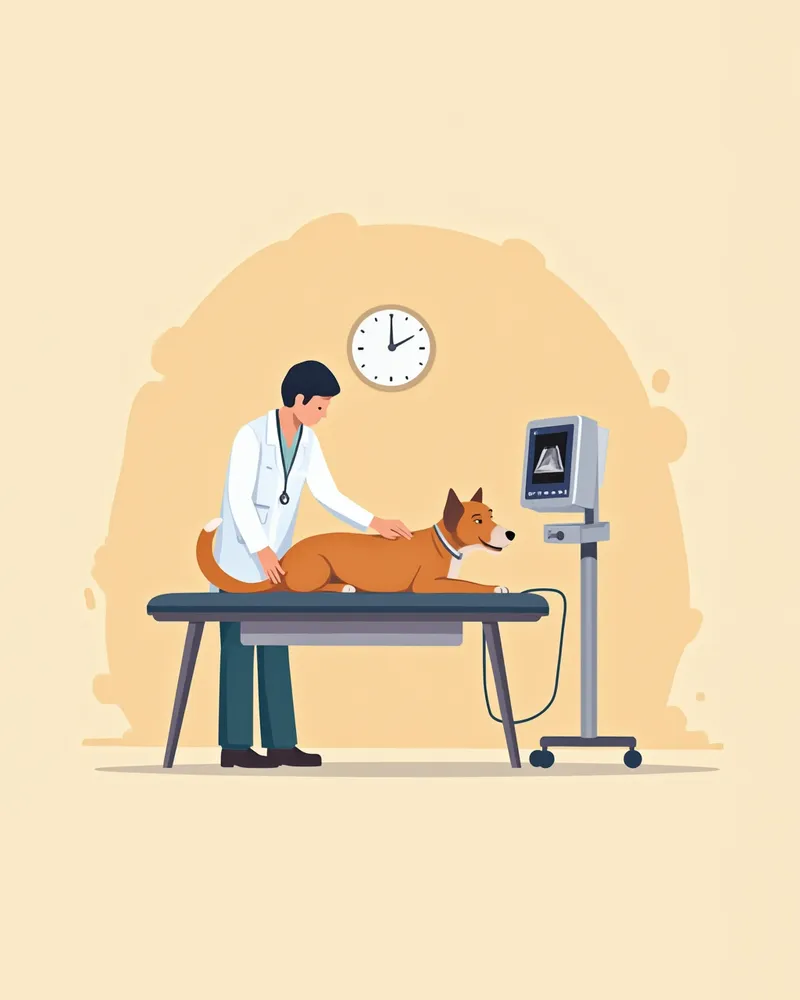
The veterinarian will check for ascites by palpating the abdomen and performing an ultrasound, then withdraw a small sample for analysis (abdominocentesis). Examining the fluid’s color, protein concentration, and cell types helps narrow down the underlying cause. Blood tests are also conducted to assess liver, kidney, and heart function. Treatment focuses primarily on addressing the underlying disease. While diuretics or therapeutic abdominocentesis may be used to relieve symptoms, ascites will recur if the root cause is not treated.
A veterinarian performing an abdominal ultrasound to diagnose ascites in a dog

Owners of Small Breeds and Senior Dogs Should Pay Special Attention

Mitral valve disease, common in small breeds like Yorkshire Terriers, Pomeranians, and Maltese, primarily affects the left side of the heart, so it typically presents with coughing or pulmonary edema rather than ascites. Ascites is more often linked to conditions that increase systemic or portal venous pressure, such as right-sided heart failure or pericardial effusion (cardiac tamponade). Therefore, senior dogs with heart murmurs or coughing should be evaluated for overall cardiac health, not just the presence of ascites. Since dogs over 10 years old often have declining liver and kidney function, which can lead to faster onset or progression of ascites, it’s advisable to monitor organ function with routine blood tests every six months to a year.

Home Care and Precautions
Ascites cannot be cured at home until the underlying disease is resolved. However, there are ways pet owners can help during treatment.
Low-sodium diet: Reducing sodium helps minimize fluid retention in the body. It is best to use a veterinarian-prescribed therapeutic diet.
Exercise management: Avoid strenuous exercise if your pet appears to be breathing heavily or has a significantly distended abdomen.
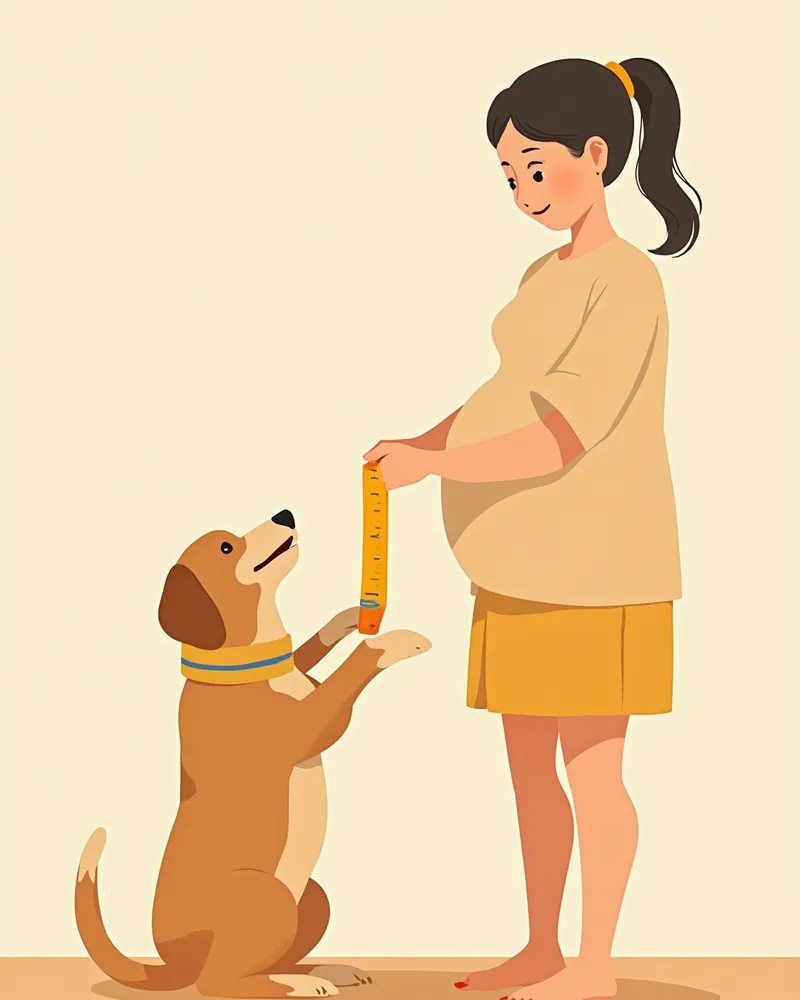
Daily abdominal circumference measurement: This allows for quick detection of any reaccumulation of ascitic fluid.
A pet owner measuring their dog’s abdominal circumference at home to check for recurrence of ascites

Reviewed by a veterinarian

Dr. Tony — Punnawat Phongkittirak

Dr. Tony — Punnawat Phongkittirak

Veterinarian

A veterinarian who majored in veterinary medicine at Khon Kaen University, Thailand, and completed the IVSA program at North Carolina State University in the United States. Drawing on clinical experience at animal hospitals, he works in the pet healthcare field and is dedicated to building a digital care environment that connects pet parents with veterinarians.

Frequently Asked Questions About Canine Ascites

Can ascites resolve on its own?
If the underlying condition isn’t treated, ascites won’t resolve on its own. Diuretics or abdominal paracentesis can temporarily reduce fluid buildup, but to prevent recurrence, the root cause—such as heart, liver, or kidney disease—must be addressed.
Is there a way to check for abdominal fluid at home?
If you feel a sloshing wave when gently pressing and releasing the abdomen, it may indicate ascites. However, since it can be difficult to distinguish from obesity or tumors, it is essential to confirm with an ultrasound at the clinic.
Are there any foods that should be avoided for dogs with ascites?
Avoid human foods high in sodium, such as instant noodles, snacks, and ham. Excess sodium can worsen fluid retention in the body, leading to a rapid increase in ascites. We recommend using prescription veterinary diets.
Can ascites recur even after treatment?
If the underlying condition is chronic, such as heart disease or cirrhosis, the risk of recurrence is high. Consistent regular check-ups, adherence to a prescribed diet, and ongoing medication are essential to slow down the re-accumulation of ascites.
How can you tell the difference between ascites and abdominal gas (bloating)?
Gas (bloat) causes a dull, drum-like sound when you tap the belly, and the abdomen feels firm. In contrast, fluid accumulation in the abdomen (ascites) has a sloshing sensation when touched, and the belly swells evenly on both sides. If it’s difficult to tell the difference, an ultrasound is the most accurate diagnostic tool.

Share

Related Guides

References

[1] Ettinger SJ, Feldman EC, Côté E. Textbook of Veterinary Internal Medicine, 8th ed. Elsevier, 2017. Chapter: Ascites, Peritoneal Effusions, and Pleural Effusions.

[2] Nelson RW, Couto CG. Small Animal Internal Medicine, 6th ed. Mosby/Elsevier, 2019. Chapter: Ascites.

[3] Fossum TW. Small Animal Surgery, 4th ed. Mosby/Elsevier, 2013. Chapter: Surgery of the Liver.

This information is based on veterinary literature and does not replace diagnosis or treatment. Please consult a veterinarian for specific health concerns.

Metapet Co., Ltd. | CEO: Park Sung-yong | Business Reg. No. 417-88-02562 | Seoul, South Korea | Customer Center

Canine Ascites: 7 Causes, Management & Vet Warning Signs | Meongsiljang