Like
Share
멍실장
강아지 침흘림 원인과 단계별 대처법, 병원 가야 할 신호 총정리

Causes of Excessive Drooling in Dogs, Step-by-Step Response, and Signs Indicating a Vet Visit: A Complete Guide

Oral HealthSymptomsMeongsiljang Veterinary Advisory Board

If your dog suddenly starts drooling excessively, it’s important to first identify the cause, which could be a foreign object in the mouth, periodontal disease, poisoning, or a neurological issue. We’ve outlined the urgency level 3 and the signs that indicate an immediate trip to the vet.

Excessive Drooling in Dogs: How Much Is a Dangerous Sign?
Dogs that drool excessively
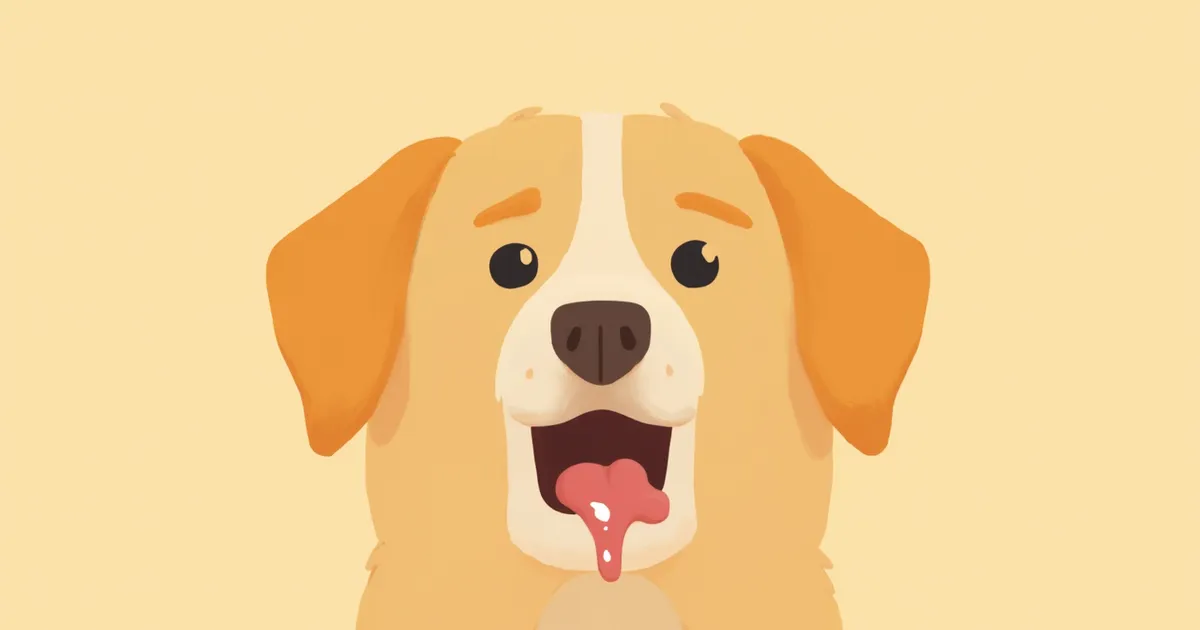
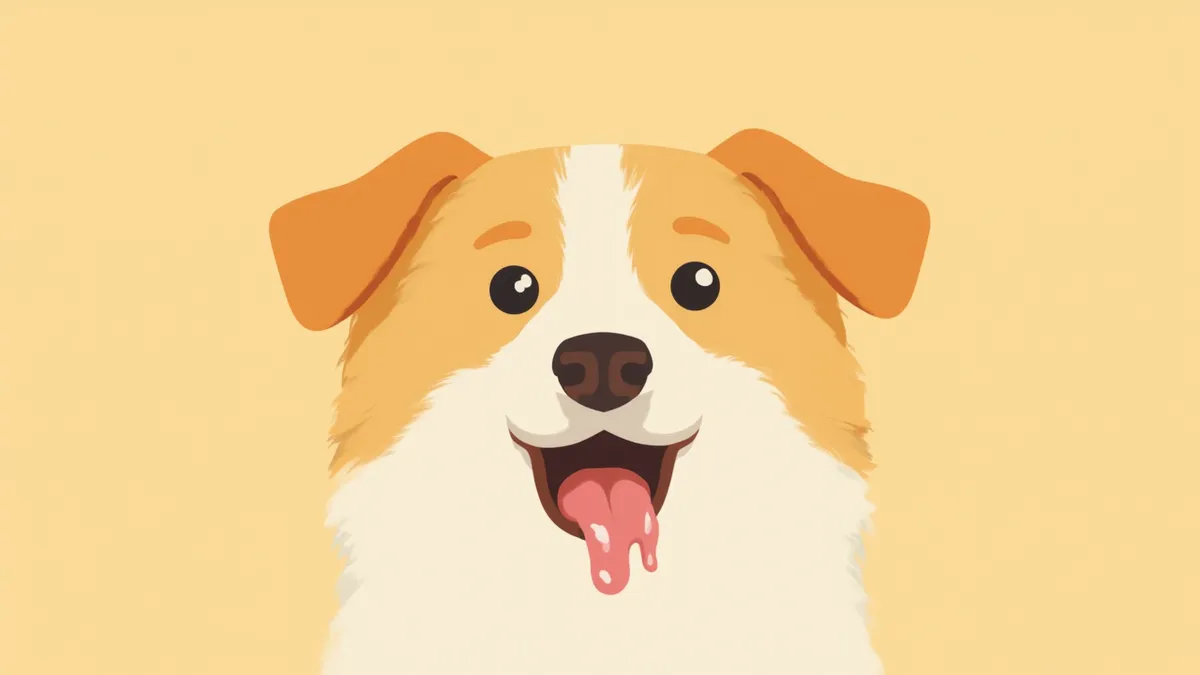
Excessive drooling in dogs can stem from various causes, including oral irritation, nausea, neurological issues, or poisoning, leading to an abnormal increase in saliva production or an inability to swallow properly. It’s normal for your dog to drool briefly before meals or when catching a whiff of something delicious. However, you should be concerned if the drooling suddenly increases, becomes stringy, or is mixed with foam. If accompanied by vomiting, seizures, or weakness, seek emergency veterinary care immediately.

Drooling Urgency Level 3 — What Should You Do Now?

ItemMain symptomsAction guidelines
🟢 NormalTemporary drooling before meals, when excited, or when smelling something tastyObserve the course; you don't need to go to the hospital right away
🟡 CautionMore saliva than usual, stretching like a string, worsening bad breathVisiting the animal hospital the same day is recommended
🔴 EmergencySudden excessive drooling + convulsions, vomiting, staggering, foamingGo to an emergency animal hospital immediately

Check the three factors together: amount of saliva, duration, and accompanying symptoms.

7 Main Causes of Excessive Drooling in Dogs
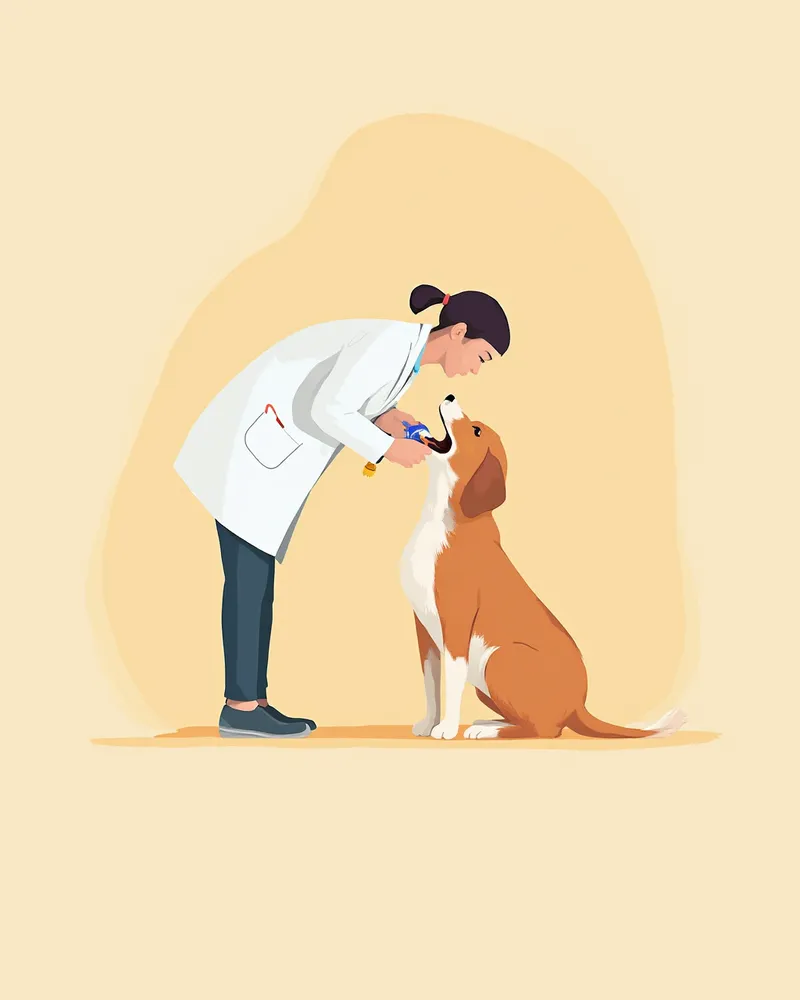
Oral foreign bodies: If bone fragments, string, or sticks become lodged in the gums or throat (pharynx), drooling can increase suddenly.
Periodontal disease: Most periodontal diseases show few outward symptoms, but in advanced stages, bad breath may be accompanied by drooling (ptyalism) and pain.
Nausea: Drooling can increase when your pet feels nauseous due to motion sickness or gastrointestinal irritation.
Toxicity: After contact with or ingestion of toxic substances such as onions or xylitol, drooling may increase or become frothy.
Neurological abnormalities: Paralysis of the trigeminal or facial nerves, or seizures, can impair salivary gland control.
Pharyngeal and esophageal abnormalities: Foreign bodies in the pharynx or tonsillar tumors (lymphoma, squamous cell carcinoma) can also cause drooling.
Extreme stress: Drooling may temporarily increase in situations involving fear or intense excitement.
A veterinarian examining a puppy's mouth.

If These Symptoms Occur Together, Go to an Emergency Veterinary Hospital Immediately

Foamy drool accompanied by tremors or seizures; excessive drooling with staggering or collapse; inability to swallow or repeatedly pawing at the mouth; blood-tinged saliva; sudden-onset drooling immediately after contact with toads, toxic plants, or xylitol; or nystagmus (rapid, involuntary eye movements). If you notice any of these signs, do not delay seeking veterinary care.

Drooling Caused by Oral or Digestive Issues — How to Tell the Difference?

If the issue stems from oral health, you may notice a strong bad breath, chewing on only one side, or dropping food while eating. Red, swollen gums or heavy tartar buildup suggest periodontal disease. Digestive problems often come with repeated gagging motions or attempts to eat grass. If a foreign object is stuck in the throat, sudden drooling and pawing at the mouth are characteristic signs.

Drooling Caused by Neurological Issues or Poisoning — How to Quickly Differentiate
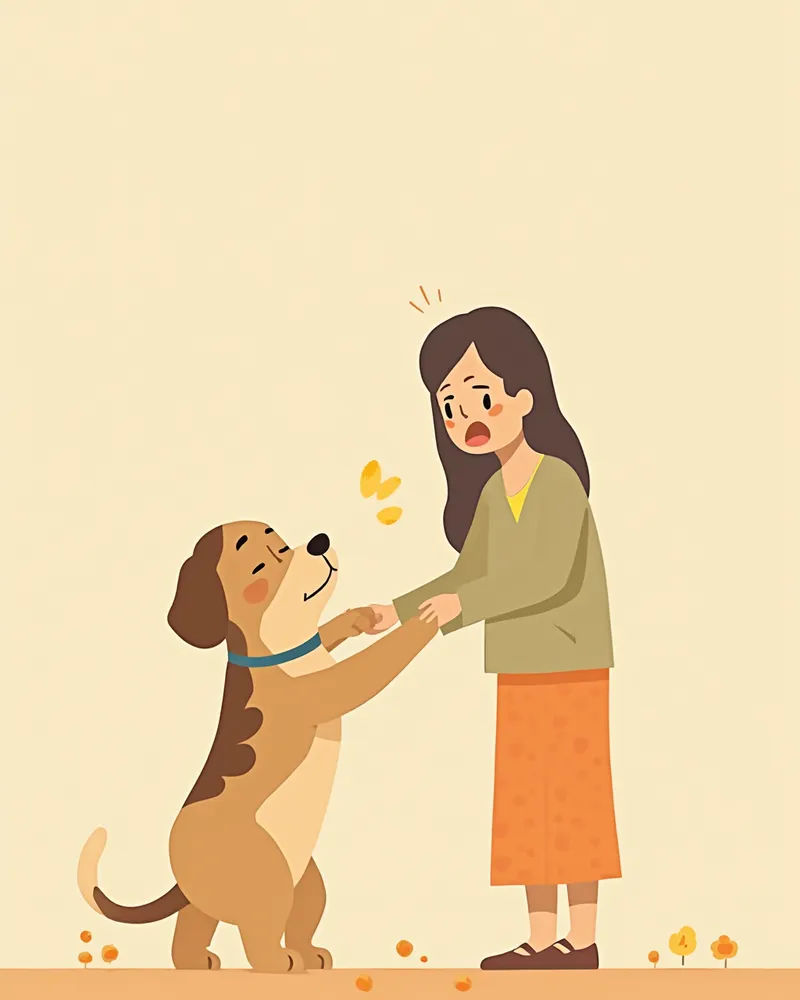
If the drooling is caused by a neurological issue, it may be accompanied by other symptoms such as rapid, involuntary eye movements (nystagmus), leaning to one side, or unsteady gait. In cases of poisoning, xylitol and grapes typically cause drooling along with vomiting, while toad exposure is characterized by excessive foaming at the mouth and an elevated heart rate. If you suspect your pet has come into contact with a toad, immediately rinse its mouth with running water for 10–15 minutes and seek veterinary care right away.
A puppy showing signs of stumbling and its owner

Emergency Response Measures You Can Take at Home Before Going to the Vet

First, gently check your dog’s mouth. If you see a foreign object, carefully remove it with your fingers rather than tweezers. However, if the object is deeply embedded or your dog resists strongly, do not attempt to remove it and take your dog to the vet instead. If you suspect contact with toads or toxic substances, rinse the area around the mouth with running water for 10–15 minutes. For motion sickness, provide fresh air and allow your dog to rest. Never force your dog to drink water or induce vomiting.

Breeds That Drool a Lot vs. Sudden Increase in Drooling: They Should Be Viewed Differently

Breed characteristics play a significant role in drooling. Brachycephalic breeds with short, flat muzzles, such as Saint Bernards, Labradors, and Bulldogs, naturally produce more saliva due to their anatomy. For these breeds, the key indicator is a noticeable increase in volume compared to their usual baseline. Conversely, if a small-breed dog that rarely drools suddenly begins to drool excessively, the abrupt change itself is a more critical warning sign than the actual amount of saliva.

Daily Oral Care Points for Preventing Excessive Drooling
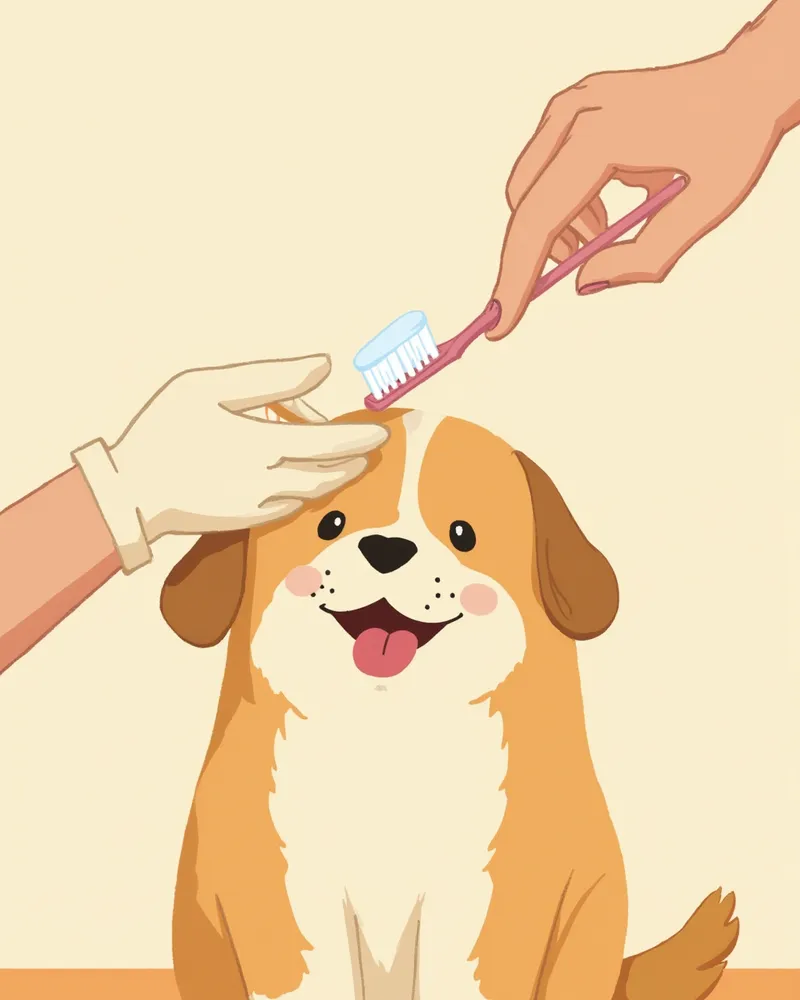
The most effective prevention is consistent brushing. Whenever possible, brush your dog’s teeth daily, or at least two to three times a week, using a dog-specific toothbrush and toothpaste. Gently clean along the gumline and teeth. Regular brushing is known to reduce tartar buildup, gingivitis (gum inflammation), and periodontal tissue damage. Never use human toothpaste, as it contains surfactants, foaming agents, and fluoride, which are harmful if swallowed by dogs who cannot rinse their mouths. While dental chews and tooth-cleaning toys can be helpful, they do not replace brushing. Have your dog’s mouth examined by a veterinarian every six months to a year, and keep toxic substances such as onions, xylitol, and medications out of your dog’s reach.
Pet owners who brush their dog’s teeth

Reviewed by a veterinarian

Dr. Tony — Punnawat Phongkittirak

Dr. Tony — Punnawat Phongkittirak

Veterinarian

A veterinarian who majored in veterinary medicine at Khon Kaen University, Thailand, and completed the IVSA program at North Carolina State University in the United States. Drawing on clinical experience at animal hospitals, he works in the pet healthcare field and is dedicated to building a digital care environment that connects pet parents with veterinarians.

Frequently Asked Questions

Is it normal for my dog to drool while sleeping?
It’s normal for a small amount of drool to escape when your pet’s muscles relax during sleep. However, if the drooling is heavy enough to soak the pillow or is accompanied by twitching or jerking movements, it could be a sign of sleep seizures and should be evaluated.
My dog drools excessively every time we go for a car ride. What should I do?
The drooling is likely due to motion sickness. Withholding food for 2–3 hours before the ride, ensuring good ventilation, and gradually acclimating your pet through short trips often help alleviate the issue. If symptoms are severe, a veterinarian can prescribe anti-nausea medication.
Is it normal for my pet to drool excessively before eating?
It’s completely normal for your pet to drool when they smell food or anticipate mealtime. This drooling is simply a sign of excitement and anticipation, so there’s no need to worry at all.
Is it okay if my pet’s saliva is yellow or has a pinkish tint?
Yellow-tinged saliva may indicate nausea with bile reflux, while pink or red saliva suggests possible oral bleeding. If your pet’s saliva changes color, please bring them in for a same-day veterinary checkup.
My pet is chewing on grass and drooling. Is this dangerous?
It’s a natural response for your pet to eat grass and experience nausea or drooling when their stomach is upset. Occasional episodes can be monitored at home, but if they occur frequently or are accompanied by bloody stool, a gastrointestinal examination is necessary.

Share

Related Guides

References

[1] Lobprise HB, Dodd JR. Wiggs's Veterinary Dentistry: Principles and Practice. 2nd ed. Wiley-Blackwell; 2019.

[2] Ettinger SJ, Feldman EC, Côté E. Textbook of Veterinary Internal Medicine: Diseases of the Dog and Cat. 8th ed. Elsevier; 2017.

[3] Nelson RW, Couto CG. Small Animal Internal Medicine. 6th ed. Elsevier; 2019.

This information is based on veterinary literature and does not replace diagnosis or treatment. Please consult a veterinarian for specific health concerns.

Metapet Co., Ltd. | CEO: Park Sung-yong | Business Reg. No. 417-88-02562 | Seoul, South Korea | Customer Center

Excessive Drooling in Dogs: Causes & Emergency Signs | Meongsiljang