

Cat Cyanosis: Causes, Step-by-Step Response, and Signs You Need to Go to the Vet
If your cat’s gums or tongue have turned blue, it’s a medical emergency that requires immediate attention. Here’s a breakdown of the causes of cyanosis, its progressive symptoms, and the warning signs that mean you need to rush to the vet right away.
Cat Cyanosis: How Dangerous Is It?

Urgency Levels Based on Gum Color
| Stage | Gum Color | Condition | Action |
|---|---|---|---|
| Normal | Bright pink | Adequate oxygen supply | Routine monitoring |
| Caution | Pale pink or grayish | Reduced blood flow | Seek veterinary care within 24 hours |
| Warning | Light purple or gray | Onset of oxygen deficiency | Seek emergency veterinary care within a few hours |
| Emergency | Blue or deep purple | Cyanosis — dangerous | Seek emergency veterinary care immediately |
Checklist of Symptoms Accompanying Cyanosis

If You See These Symptoms, Go to an Emergency Hospital Immediately
If your cat’s gums or tongue turn blue or purple, if they’re panting with their mouth open, or if they collapse or can’t stand up, take them to a 24-hour emergency animal hospital immediately. During transport, keep your cat in a stable position and avoid forcing them into your arms or making loud noises. Call the hospital ahead of time to let them know it’s an emergency, then head straight there.
4 Main Causes of Cat Cyanosis
Main Tests Performed at the Hospital
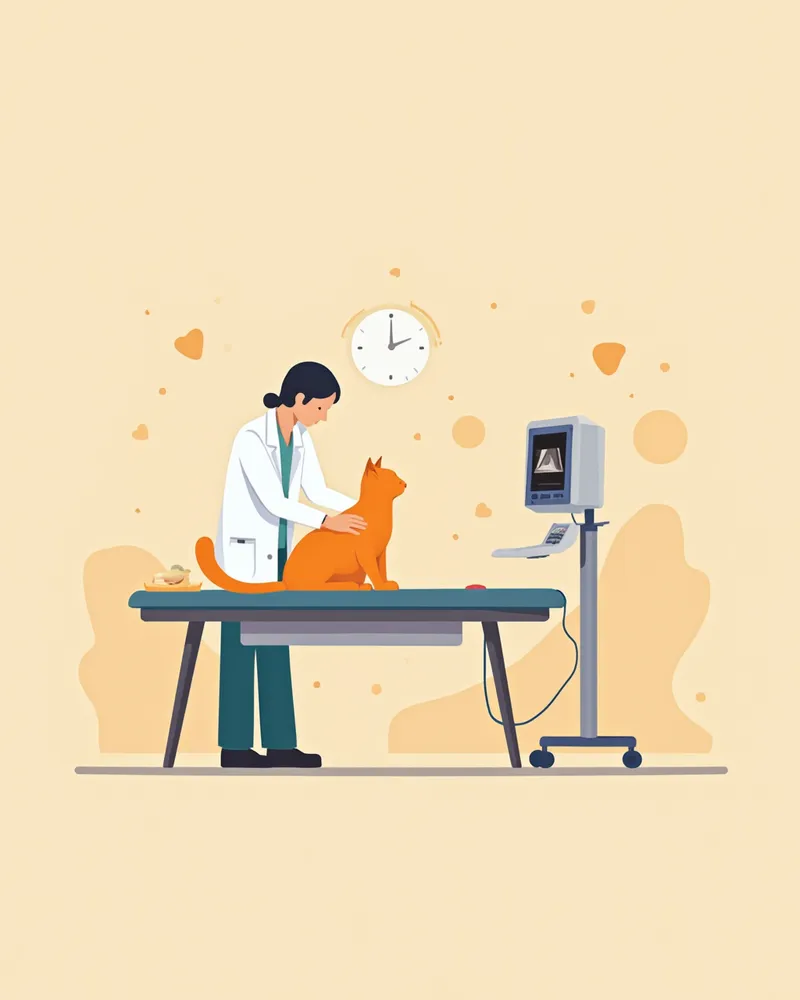
Emergency Treatment and Care Process
Tylenol and Aspirin Are Strictly Prohibited for Cats
Acetaminophen (Tylenol) damages the oxygen-carrying proteins in a cat’s blood, causing methemoglobinemia, which turns the mucous membranes bluish and leads to respiratory failure. Because cats cannot properly metabolize this drug, even a small amount can be fatal. Aspirin and ibuprofen are also extremely dangerous for cats; unlike acetaminophen, they cause toxicity through mechanisms such as gastrointestinal bleeding, metabolic acidosis, and organ damage. In either case, you should never give human pain relievers or cold medicines to cats, and it is important to keep all medications out of their reach.
Post-Discharge Home Care and Prevention of Recurrence

Reviewed by a veterinarian

Dr. Tony — Punnawat Phongkittirak
VeterinarianA veterinarian who majored in veterinary medicine at Khon Kaen University, Thailand, and completed the IVSA program at North Carolina State University in the United States. Drawing on clinical experience at animal hospitals, he works in the pet healthcare field and is dedicated to building a digital care environment that connects pet parents with veterinarians.
Reviewed 2026-05-28
Frequently Asked Questions
Is a cat's gums turning white also a sign of cyanosis?
Is there any first aid I can do at home?
Once cyanosis occurs, is it difficult to achieve a complete cure?
Are there certain cat breeds that are more prone to heart disease?
Are there any precautions to keep in mind when transporting your pet to the clinic?
Share
Related Guides

Coenzyme Q10 Benefits and Administration Guide
Dog Pulmonary Edema Warning — 7 Best Diuretics (Furosemide) for Heart Management

7 Best Prescription Diets for Feline Heart Disease Recommended by Veterinarians — Criteria for Choosing Low-Sodium Food

Dog Snoring: Causes, Step-by-Step Management, and Signs Requiring Veterinary Care

Cat Nosebleeds: Causes, Step-by-Step Management, and Signs Requiring Veterinary Care

Cats Crying Every Night — Causes of Nighttime Vocalization and Warning Signs of Feline Dementia

Dog Hair Loss: Suspected Conditions by Cause and Diagnostic Guide

Cat Urinating Outside the Litter Box — Causes of FLUTD and Stress, and Step-by-Step Management

Cat Keeps Vomiting — How to Distinguish Between Hairball Care Products and Signs Requiring a Vet Visit

Blood in Your Dog’s Urine — Urgency Guide by Cause
References
[1] Ettinger SJ, Feldman EC, Côté E. Textbook of Veterinary Internal Medicine, 8th ed. Elsevier, 2017. Chapter 48: Cyanosis.
[2] Tilley LP, Smith FWK. The 5-Minute Veterinary Consult: Canine and Feline, 6th ed. Wiley-Blackwell, 2015.
[3] Côté E. Clinical Veterinary Advisor: Dogs and Cats, 3rd ed. Elsevier, 2015.