Like
Share
멍실장
고양이 재채기 원인과 대처법

Causes of Cat Sneezing and How to Respond

RespiratorySymptomsMeongsiljang Veterinary Advisory Board

Cat sneezing can stem from a variety of causes, ranging from simple dust irritation to upper respiratory infections. We’ve compiled a guide based on veterinary textbooks to help you assess urgency and respond appropriately depending on the cause.

My Cat Keeps Sneezing—Is It Okay?
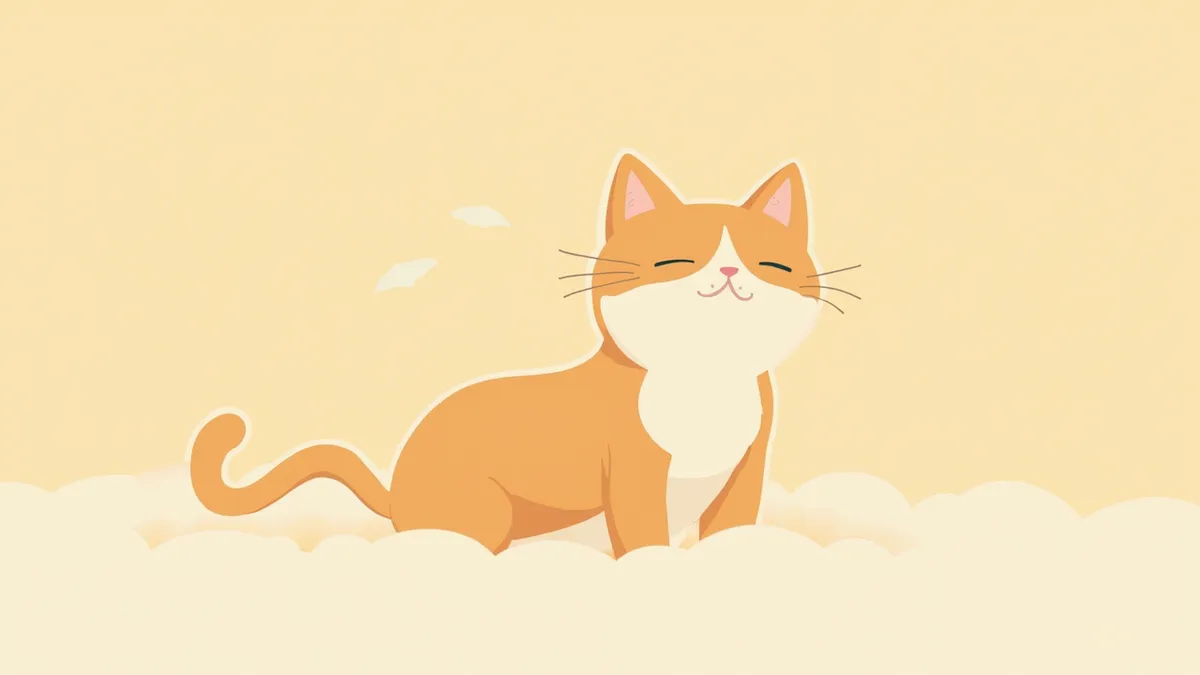
An illustration of a cat about to sneeze
The key is to first observe how frequently your cat sneezes and how long the episodes last. Occasional sneezing, just once or twice, is a natural response to irritants like dust or perfume. However, if sneezing occurs multiple times a day or is accompanied by nasal discharge, watery eyes, or decreased appetite, an upper respiratory infection is likely. According to veterinary internal medicine textbooks, the most common causes of sneezing in cats are infections with feline herpesvirus and feline calicivirus. Kittens and immunocompromised cats are particularly at risk of rapid deterioration, so if sneezing persists for more than two to three days, please consult your veterinarian.

How to Assess the Urgency of Sneezing

Use the table below to assess which stage your cat’s sneezing falls into.
StageSymptomsAction
ObservationOccasional sneezing, no other symptomsMonitor for 1–2 days
CautionClear nasal discharge, mild tearingVisit a veterinary clinic within 2–3 days
WarningYellow nasal discharge, eye discharge, decreased appetiteSeek veterinary care promptly
EmergencyDifficulty breathing, open-mouth breathing, high feverSeek emergency veterinary care immediately

Check for These Accompanying Symptoms

If your pet is sneezing and showing any of the following symptoms, you should suspect an infection.
Runny nose: Clear nasal discharge indicates early-stage infection or an allergic reaction. Yellow or greenish discharge signals that a bacterial infection has progressed.
Red, watery eyes: These are hallmark signs of an upper respiratory infection accompanied by conjunctivitis.
Loss of appetite: A stuffy nose impairs the sense of smell, often leading to food refusal.
Fever and lethargy: As the infection worsens, fever develops and activity levels noticeably decline.
Oral ulcers: The presence of ulcers in the mouth may indicate a calicivirus infection.
Illustration for a cat health check to identify accompanying symptoms

Visit a Veterinary Clinic Immediately in These Cases

Visit a veterinary clinic immediately if any of the following symptoms are present: • Breathing with the mouth open or experiencing rapid breathing • Refusing to eat for more than two days • Nasal discharge containing blood • Severe lethargy accompanied by high fever • Persistent sneezing in kittens under 8 weeks of age

The Most Common Cause: Upper Respiratory Infection

The most common cause of sneezing in cats is an upper respiratory infection caused by a virus.
Feline Herpesvirus-1 (FHV-1): This is the most typical cause of sneezing, nasal discharge, and conjunctivitis. According to veterinary clinical textbooks, once a cat is infected, the virus can remain latent in the body and reactivate during periods of stress. It is particularly prevalent in stressful environments such as shelters or multi-cat households.
Feline Calicivirus (FCV): This virus is characterized by causing oral ulcers along with sneezing.
Bacterial Infections: Bacteria such as Chlamydia and Mycoplasma can also be responsible. These infections often present with severe ocular symptoms.

Causes Other Than Infection

Sneezing can be triggered by causes other than viral infections.
Environmental irritants: Dust, perfumes, air fresheners, cigarette smoke, and fine particles from cat litter can irritate the nasal mucosa and induce sneezing. Since sneezing is a superficial reflex that occurs easily when the nasal lining is exposed to chemical or physical irritation, removing the irritant often leads to quick improvement.
Seasonal or environmental reactions: If sneezing recurs during specific seasons or in certain environments, irritants in the surroundings may be the cause. If the trigger is difficult to identify and the symptoms persist, avoid making assumptions and consult a veterinarian to determine the exact cause.
Foreign bodies in the nose: If a blade of grass or small object enters the nostril, it can cause sudden, severe, and continuous sneezing. If discharge comes from only one nostril, suspect a foreign body.
Dental disease: Root infections or oronasal fistulas should be considered as differential diagnoses for chronic or recurrent nasal discharge. If sneezing or nasal discharge persists despite treatment, a veterinary oral examination is recommended to rule out dental issues.
Various environmental stimuli and a cat illustration

Treatment at the Veterinary Clinic

Treatment depends on the underlying cause.
Viral infection: Rather than a specific cure, supportive care to alleviate symptoms and attentive nursing are the foundation. According to veterinary clinical textbooks, the efficacy and utility of systemic antiviral agents have not yet been clearly established, so the decision to administer them is made cautiously by the veterinarian based on the cat’s condition. If ocular symptoms are present, eye drops may be prescribed concurrently.
Bacterial infection: If a secondary bacterial infection is suspected, indicated by symptoms such as yellow nasal discharge, antibiotics are prescribed. Medications like doxycycline, which are effective against Chlamydia and Mycoplasma, may be used empirically. The veterinarian will determine the appropriate medication and dosing schedule based on the symptoms and the patient’s condition.
Fluid and nutritional support: If the cat is not eating or shows signs of dehydration, fluid therapy may be administered. If nasal congestion is causing food refusal, slightly warming strongly scented wet food can help stimulate appetite.

Pay Special Attention in Multi-Cat Households and Shelters

Feline herpesvirus and calicivirus spread easily from cat to cat through droplets or secretions expelled during sneezing. According to veterinary behavior textbooks, densely populated environments such as shelters or multi-cat households carry a particularly high risk of infection. Please isolate any cat showing sneezing symptoms from other cats, and provide separate food bowls, litter boxes, and toys. These viruses are not transmissible to humans, so there is no need for concern.

Prevention and Home Care for Sneezing
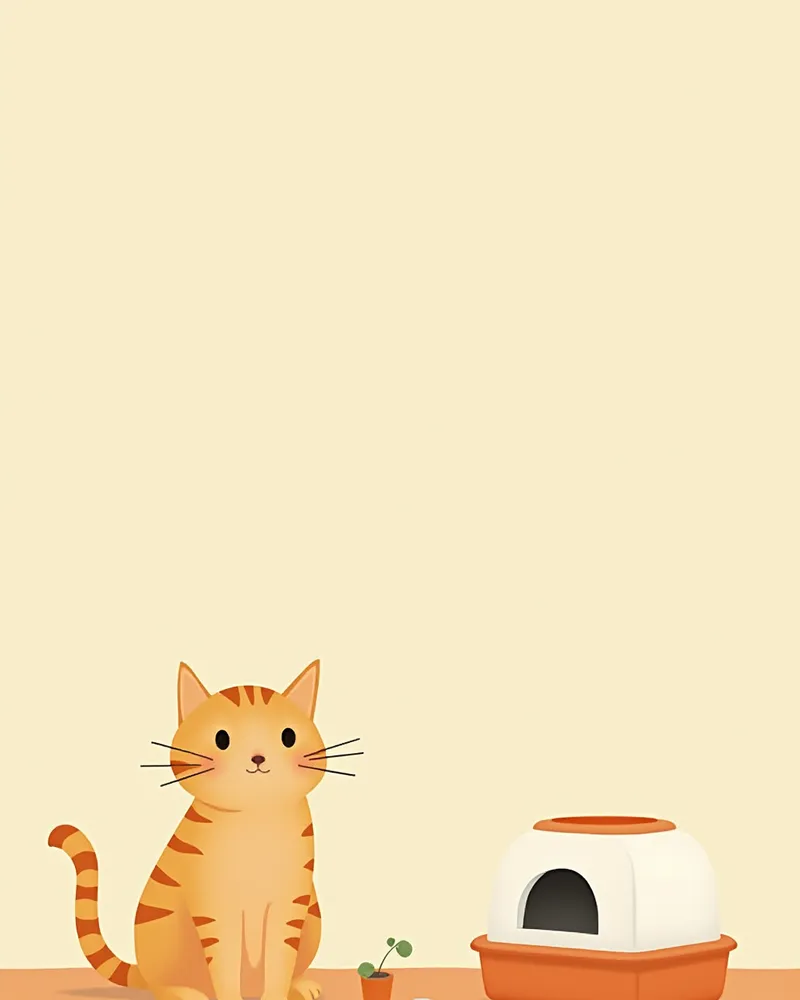
While complete prevention is difficult, you can significantly reduce the risk of disease.
Vaccination: The core feline vaccine includes protection against feline herpesvirus and calicivirus. It is important to consult with your veterinarian to begin the initial vaccination series at the appropriate time for kittens, and to ensure adult cats receive regular booster shots.
Stress Management: Stress is the primary factor that triggers the reactivation of latent viruses. During environmental changes, such as moving or introducing a new pet, provide a safe and quiet space where your cat can feel secure.
Environmental Care: Use low-dust cat litter and minimize the use of air fresheners and scented candles.
Humidity Control: Dry air can irritate nasal mucous membranes. Maintaining an optimal humidity level (40–60%) can help keep your cat comfortable.
Illustration of a healthy cat in a clean environment

Reviewed by a veterinarian

Dr. Tony — Punnawat Phongkittirak

Dr. Tony — Punnawat Phongkittirak

Veterinarian

A veterinarian who majored in veterinary medicine at Khon Kaen University, Thailand, and completed the IVSA program at North Carolina State University in the United States. Drawing on clinical experience at animal hospitals, he works in the pet healthcare field and is dedicated to building a digital care environment that connects pet parents with veterinarians.

Frequently Asked Questions

Can a cat’s sneezes be transmitted to humans?
Feline herpesvirus and calicivirus are species-specific, so they cannot be transmitted to humans. However, they can easily spread to other cats, so please isolate any cat showing symptoms from other cats.
Is it okay to just leave it if my pet sneezes once or twice?
The occasional sneeze is a normal response to dust or strong odors. If your pet sneezes only once or twice a day with no other symptoms, simply monitor the situation for one to two days. However, if the frequency increases or is accompanied by nasal discharge or tearing, it’s best to visit a veterinary clinic.
Can feline herpesvirus be completely cured?
Unfortunately, once a cat is infected, the virus remains latent in the body and does not completely disappear. However, most cats can live normal lives after their symptoms subside. Stress management and maintaining a strong immune system are key to preventing recurrence.
If discharge is coming from only one nostril, what should I be concerned about?
If discharge is coming from only one nostril, it could indicate a foreign object in the nasal passage, a nasal polyp, or, less commonly, a tumor. It’s especially important to pinpoint the exact cause in these cases, so please have your pet examined at a veterinary clinic.
How can I reduce my pet’s sneezing in an indoor environment?
Switch to a low-dust cat litter, and reduce the use of strongly scented air fresheners or candles. Keeping indoor humidity between 40% and 60% and ensuring frequent ventilation can help minimize irritation to the nasal mucosa.

Share

Related Guides

References

[1] The Cat, Clinical Medicine and Management, 2nd Edition — Chapter 46: Life Stage Health Care (Upper Respiratory Infections)

[2] The Veterinary Workbook of Small Animal Clinical Cases — Case 43: Sneezing and Nasal Discharge in Cats

[3] A Professional's Guide to Feline Behaviour — Suppression of the Immune System and Upper Respiratory Disease

[4] Textbook of Veterinary Internal Medicine, 8th Ed — Chapter: Feline Upper Respiratory Tract Disease

This information is based on veterinary literature and does not replace diagnosis or treatment. Please consult a veterinarian for specific health concerns.

Metapet Co., Ltd. | CEO: Park Sung-yong | Business Reg. No. 417-88-02562 | Seoul, South Korea | Customer Center

Cat Sneezing: Common Causes and When to See a Vet | Meongsiljang