Like
Share
멍실장
강아지 알러지 증상과 관리 방법

Dog Allergy Symptoms and Management

Skin & CoatSymptomsMeongsiljang Veterinary Advisory Board

Itching is the most common symptom of allergies in dogs. We’ve compiled a guide based on veterinary textbooks to help you distinguish between atopic, food, and flea allergy symptoms, as well as proper diagnosis and management methods.

What Symptoms Do Dog Allergies Cause?

Illustration of a puppy scratching behind its ears
The most common symptom of allergies in dogs is itching. If your dog is constantly scratching or licking without any visible skin issues, it’s important to consider allergies as a possible cause. Dog allergies can be broadly categorized into atopic dermatitis, food allergies, flea allergies, and contact allergies. Since the affected areas and management methods vary depending on the cause, the key is to first determine "what type of allergy" your dog has.

Comparison by Allergy Type

Allergy types differ in their causes and the areas where symptoms appear. Compare these with your pet’s symptoms.
TypeMain CauseOnset CharacteristicsPrimary Symptom Areas
Atopic DermatitisHouse dust mites, pollen, moldBegins before age 3; may be seasonalFace, ears, paws, armpits
Food AllergySpecific proteins (beef, chicken, etc.)Not seasonal; onset variesEars, paws, perianal area
Flea AllergyFlea salivaWorsens from spring to autumnLower back to tail region
Contact AllergyDetergents, grass, chemicalsOccurs after contactContact areas (belly, paws)

Suspect Allergies If You See These Symptoms

Here are the main symptoms of dog allergies, as summarized in veterinary dermatology textbooks. If your dog exhibits three or more of these signs, please consult your veterinarian.
Face and ear scratching: Your dog may repeatedly scratch their face with their front paws or rub their ears on the floor. If otitis externa is present, the ears may emit an unpleasant odor.
Licking and chewing paws: Persistent licking of the paw pads or between the toes can cause the fur to turn brown.
Skin redness: The skin in the armpits, groin, and abdomen may become red and inflamed.
Recurring skin infections: Bacterial or yeast infections may repeatedly flare up in the same areas.
Hair loss: Hair may fall out in areas that are frequently scratched or licked.
Illustration of a puppy with marked allergy symptom areas

These Symptoms Are an Emergency

If your pet’s face suddenly swells, hives spread across their body, or they appear to be struggling to breathe, it could be an acute allergic reaction. This can also occur after a bee sting or following vaccination. These symptoms can become life-threatening within minutes, so please seek immediate veterinary care.

Atopic Dermatitis — The Most Common Allergy

Atopic dermatitis is one of the most common allergic skin conditions in dogs. According to veterinary dermatology textbooks, it has a strong genetic predisposition and is particularly prevalent in certain breeds, such as Bulldogs, Boston Terriers, West Highland White Terriers, and Labrador Retrievers. The following are the key diagnostic criteria established by the International Task Force on Canine Atopic Dermatitis: Onset before age 3: Itching typically begins at a young age. Common in indoor dogs: This is due to frequent exposure to indoor allergens. Response to steroids: Itching responds well to steroid medication. Clear back and flanks: Unlike flea allergy dermatitis, the back and flank areas remain symptom-free. If a dog meets five or more of these criteria, atopic dermatitis should be suspected.

How to Diagnose Food Allergies?

Food allergies are immune responses to specific proteins. Common triggers include beef, chicken, dairy products, and wheat. The cornerstone of diagnosis is an elimination diet trial. For 8 to 12 weeks, feed only a novel protein source (such as venison or duck) that your pet has never eaten before, or a hydrolyzed diet, while monitoring for changes in symptoms. During this period, absolutely no treats, chews, or human food should be given. According to veterinary dermatology textbooks, blood tests alone are insufficient for accurately diagnosing food allergies. The elimination diet trial remains the most reliable diagnostic method.
Illustration of a puppy undergoing a food elimination trial

How to Get an Allergy Test?

If your dog is diagnosed with atopic dermatitis, allergy testing can help identify the specific allergens involved.
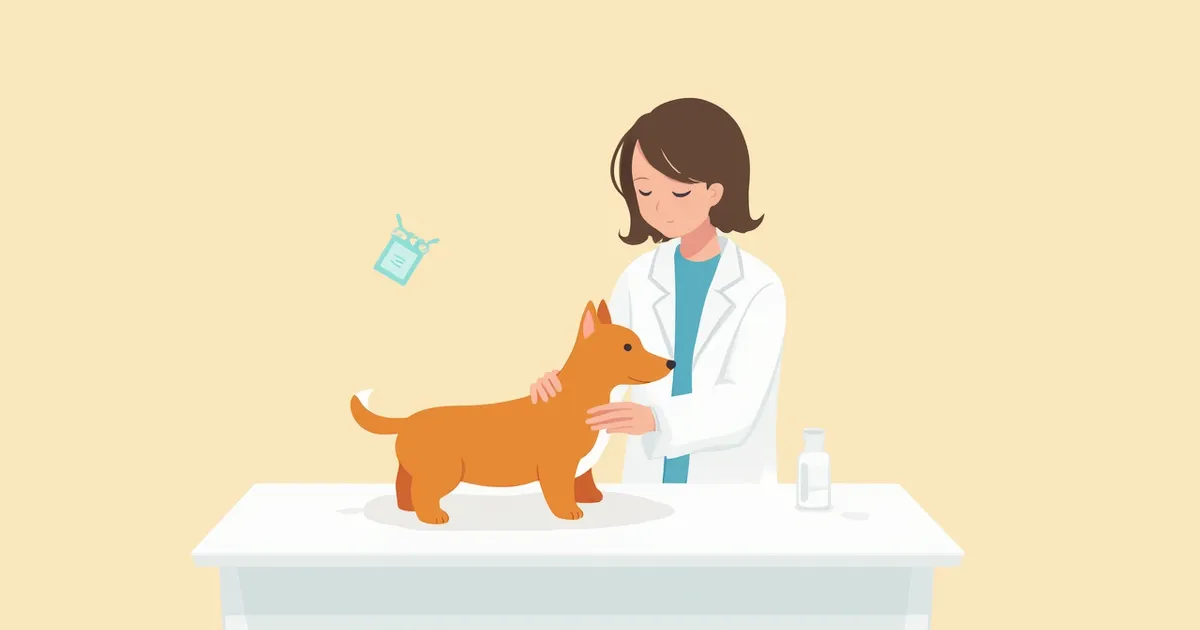
Intradermal skin test: Small amounts of allergens are injected into the skin to observe the reaction. This is the most accurate method and is performed by a board-certified veterinary dermatologist.
Serum allergy test: This measures antibodies against allergens in the blood. It is less invasive than intradermal testing but may yield false-positive results.
According to veterinary dermatology textbooks, allergy testing is used to select allergens for immunotherapy in dogs already diagnosed with atopic dermatitis. For accurate results, other causes of itching should be ruled out first.

Saliva and Hair Allergy Tests Are Not Reliable

Saliva and hair allergy tests are not validated diagnostic methods in veterinary dermatology. The only allergy tests recognized in veterinary medicine are intradermal skin testing (IDT) and serum IgE testing, which are the standard methods supported by veterinary textbooks. Spending money on unvalidated tests can lead to inaccurate results and unnecessary dietary restrictions. Always consult your veterinarian before proceeding with any allergy testing.

Allergy Management and Treatment Methods

The key to managing dog allergies is long-term care rather than seeking a complete cure. You need to combine appropriate methods based on the underlying cause.
Allergen avoidance: If dust mites are the culprit, wash bedding frequently; if pollen is the trigger, wipe your dog’s paws and body after walks.
Skin barrier care: Use medicated shampoos or moisturizing products recommended by your veterinarian. Regular baths with a vet-recommended medicated shampoo can help prevent secondary bacterial and yeast infections while supporting skin barrier health.
Medication: If itching is severe, your veterinarian will prescribe medication tailored to your dog’s weight and symptoms.
Immunotherapy: This involves administering small amounts of the specific allergen to reduce the immune response. While it may take several months to see results, it is the most fundamental long-term treatment option.
Illustration of post-walk care for dogs, including wiping down their bodies

Reviewed by a veterinarian

Dr. Tony — Punnawat Phongkittirak

Dr. Tony — Punnawat Phongkittirak

Veterinarian

A veterinarian who majored in veterinary medicine at Khon Kaen University, Thailand, and completed the IVSA program at North Carolina State University in the United States. Drawing on clinical experience at animal hospitals, he works in the pet healthcare field and is dedicated to building a digital care environment that connects pet parents with veterinarians.

Frequently Asked Questions

Can dog allergies be cured?
Atopic dermatitis is often difficult to cure and may require lifelong management. However, with accurate identification of the underlying causes and appropriate care, symptoms can be well controlled. In cases of food allergies, completely avoiding the offending ingredients can lead to resolution of symptoms.
How can you tell whether your pet has a food allergy or atopic dermatitis?
The most reliable way to distinguish between the two is an elimination diet trial. Feed a restricted diet for 8 to 12 weeks; if symptoms improve, it’s likely a food allergy, whereas no change suggests atopic dermatitis is more probable. Please consult your veterinarian before starting this process.
Is an allergy test absolutely necessary?
Allergy testing is only necessary after a diagnosis of atopic dermatitis, when identifying the specific allergens for immunotherapy. It’s not required for every dog. Your veterinarian will recommend it only when they deem it necessary.
My puppy has been scratching so much that his skin is peeling. What should I do?
Scratching can damage the skin and lead to bacterial infections. Put a cone on your pet to prevent further injury, and visit a veterinary clinic as soon as possible. The veterinarian will check for infection and prescribe appropriate medication.
Is there anything I can do at home to help prevent allergies?
Regularly washing bedding and maintaining proper indoor humidity can help reduce dust mites. After walks, wipe your pet’s paws and belly, and use a shampoo suited to their skin condition. Regular deworming can also help prevent flea allergies.

Share

Related Guides

References

[1] BSAVA Manual of Canine and Feline Dermatology, 4th Ed — Chapter 11: Allergy Testing and Allergen-Specific Immunotherapy

[2] BSAVA Manual of Canine and Feline Dermatology, 4th Ed — Chapter 15: Canine Atopic Dermatitis

[3] Veterinary Immunology, 11th Edition — Chapter 31: Type I Hypersensitivity

[4] Favrot C, Steffan J, Seewald W, Picco F. A prospective study on the clinical features of chronic canine atopic dermatitis and its diagnosis. Veterinary Dermatology, 2010;21(1):23-31

[5] The Dog Care Handbook, Things I Wish My Vet Had Told Me — Atopic Dermatitis

This information is based on veterinary literature and does not replace diagnosis or treatment. Please consult a veterinarian for specific health concerns.

Metapet Co., Ltd. | CEO: Park Sung-yong | Business Reg. No. 417-88-02562 | Seoul, South Korea | Customer Center

Dog Allergy Symptoms: Types, Causes, and Management | Meongsiljang