Like
Share
멍실장
노령묘가 점프를 못해요 — 관절염·근감소 원인 가이드

If Your Cat Suddenly Can’t Jump — Arthritis, Muscle Loss, and When to See a Vet

JointSymptomsMeongsiljang Veterinary Advisory Board

When senior cats struggle to jump onto cat trees or beds, over 90% of cases are due to degenerative joint disease (DJD) and muscle loss. Here’s a summary of stage-by-stage warning signs, criteria for immediate veterinary care, and key home care tips.

What Is Difficulty Jumping in Senior Cats? The Most Common Sign of Aging
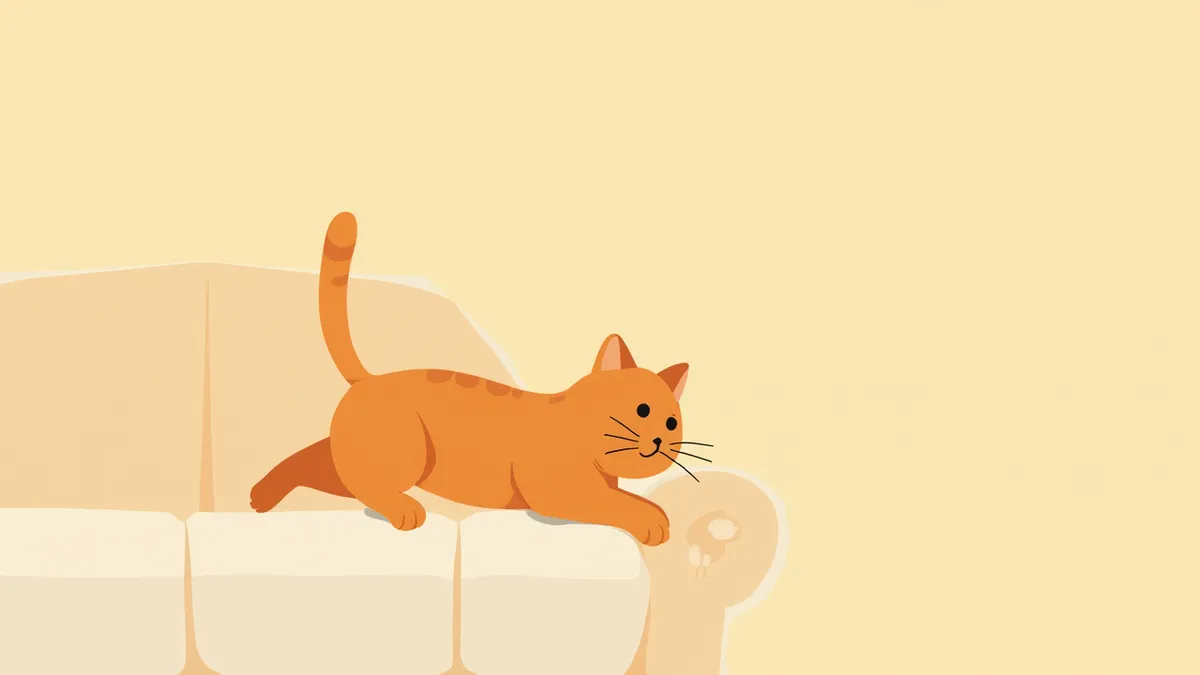
An elderly cat that places its front paws on the sofa first instead of jumping onto it.
Difficulty jumping in senior cats is a common symptom of reduced mobility due to degenerative joint disease (DJD) and muscle loss, typically seen in cats aged 10 and older. What’s truly important to note is that this condition progresses silently. Cats are animals that rarely show outward signs of pain, so by the time owners notice changes like a shortened jumping distance or the cat needing to step up instead of leaping in one motion, the joint issues have often already advanced significantly. In fact, the prevalence of DJD is very high in senior cats, with degenerative changes frequently observed in joints such as the elbows, hips, knees, and spine as they age.

Assessing Urgency — Respond Differently by Stage

Even when the symptom is simply "inability to jump," the appropriate time for intervention varies significantly depending on the stage of progression. Please use the table below to determine which stage your pet is currently in. Without understanding these stage-specific differences, many owners mistakenly dismiss the issue as "just aging" and inadvertently delay care for one to two years.

Staging of Difficulty Jumping in Senior Cats

ItemStage 1 (Observe)Stage 2 (Hospital recommended)Stage 3 (Immediate hospital)
Jumping behaviorReduced distance·heightWobbles after landingRefuses to jump at all
GaitNormalSlightly stiffLimping·dragging the leg
Pain signalsNone/faintAvoids when a specific area is touchedWhimpering·decreased appetite
GroomingNormalDecreased around the lower back·hind legsBarely does it·matted fur
Recommended responseCheckup within 1 monthOrthopedic checkup within 2 weeksEmergency checkup within 24 hours

As a rule, if there is even one Stage 3 sign, go to the hospital immediately without summing the stages.

Checklist of Symptoms Owners Often Miss
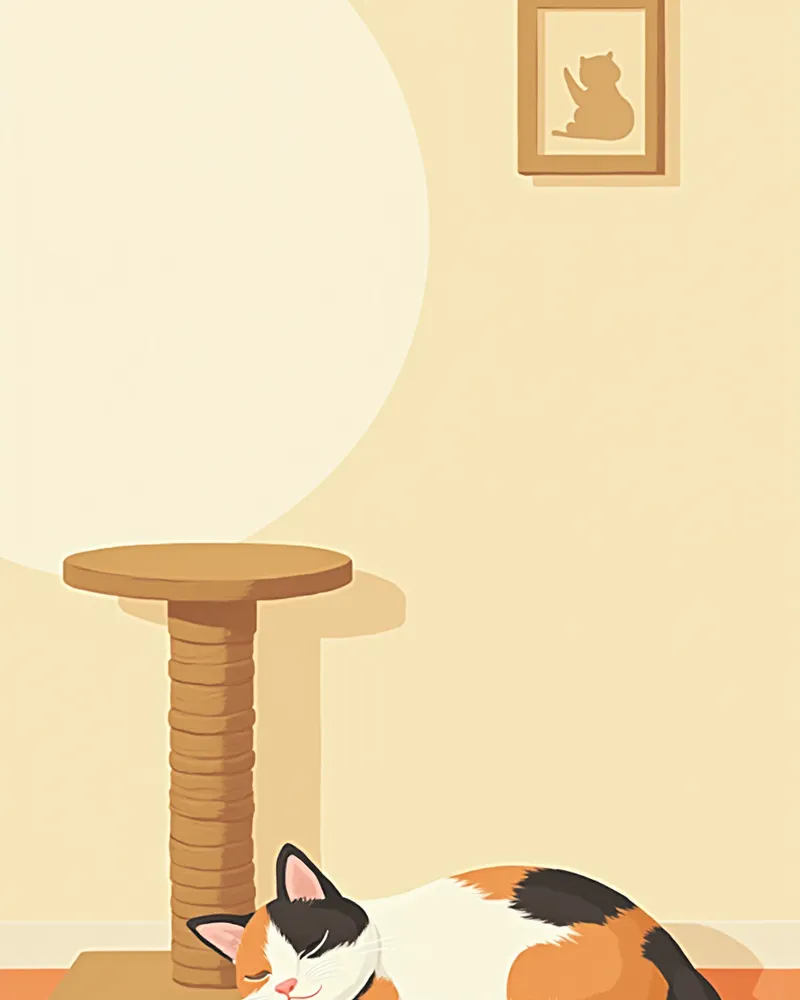
Cats are masters at hiding pain, so behavioral changes are often the only clues. If you notice two or more of the following signs, it’s likely not just aging but a potential issue with the joints, muscles, or nervous system. - Hesitation to jump: Pauses for 1–2 seconds before climbing onto a cat tree - Staged jumping: Uses intermediate steps, such as jumping from a chair to a bed, instead of making a single leap - Vocalization or instability upon landing: Whimpers (“meow”) or stumbles when coming down - Changes in grooming: Tangles or dandruff appear on the lower back, tail, or inner hind legs - Changes in resting spots: Avoids previously favored high perches and sleeps on the floor instead - Decreased activity: Plays for shorter periods and spends more time watching out the window
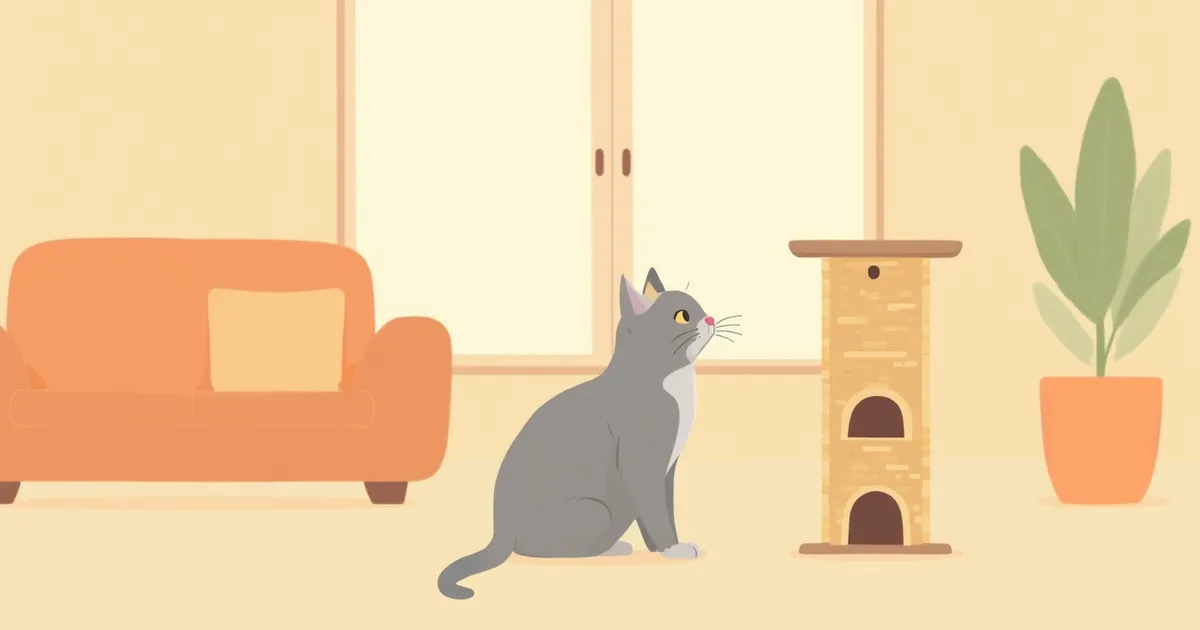
An elderly calico cat sleeping on the floor beside an unused cat tower.

These Signs Require an Emergency Visit Within 24 Hours

If any of the following apply, it may be an emergency beyond simple aging or arthritis. There is a possibility of time-sensitive conditions such as intervertebral disc disease, hindlimb paralysis due to heart disease (thromboembolism), or calcium metabolism disorders. - Dragging the hind legs or inability to use both hind legs - Sudden refusal to jump or even walk - Cold hind paws with pale or purplish paw pads - Rapid breathing accompanied by refusal to jump - Refusal to eat, drink, or use the litter box for more than 24 hours

Why Can’t They Jump? — 5 Main Causes
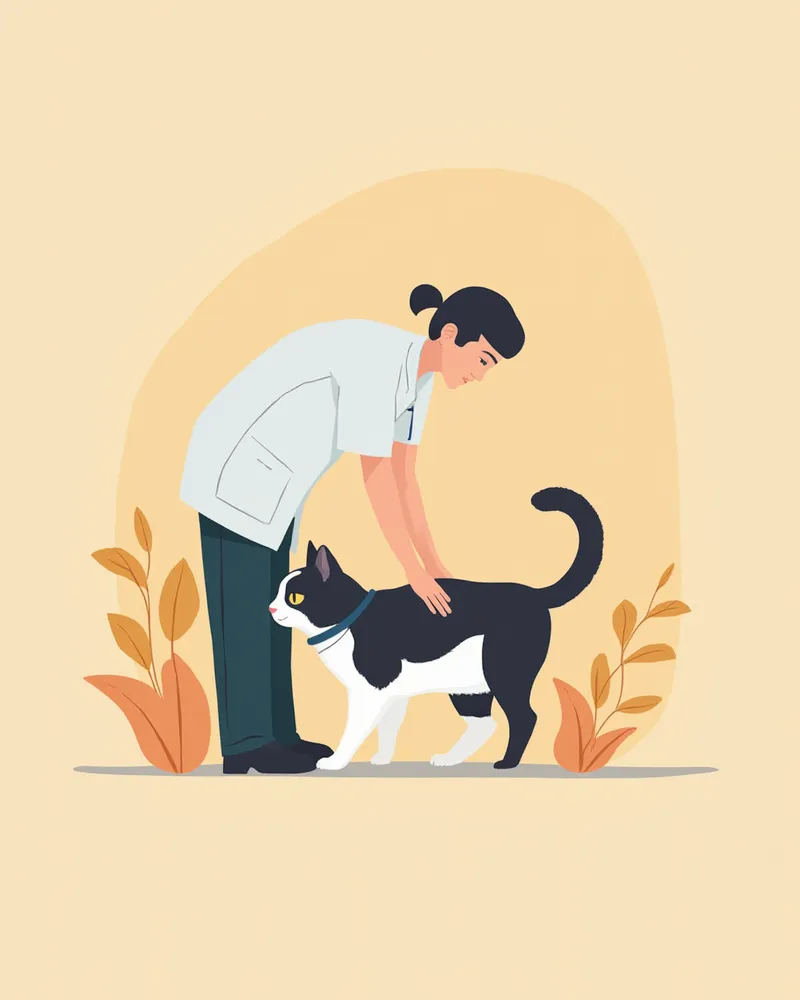
Difficulty jumping in senior cats is rarely due to a single cause; it usually stems from a combination of two or three underlying issues. Identifying the exact cause is essential to determine the appropriate treatment plan. - Degenerative Joint Disease (DJD): This is the most common cause. It has a very high prevalence in senior cats and frequently affects the elbows, hips, knees, and spine (spondylosis). - Sarcopenia: As cats age, they lose muscle mass and strength, which reduces the propulsive power needed for jumping. - Concurrent Chronic Kidney Disease: Kidney disease is a typical comorbidity in senior cats, so it must be considered alongside joint pain management and when selecting analgesics. - Hypertrophic Cardiomyopathy (HCM): This common heart condition in senior cats can lead to emergencies such as sudden hindlimb paralysis. - Hyperthyroidism and Diabetes: These common conditions in senior cats can impact muscle strength. Diabetes, in particular, can lead to hindlimb neuropathy (e.g., tibial neuropathy), causing the cat to refuse to jump.
A veterinarian gently examining the hind legs of a senior cat.

The Diagnostic Process at the Vet

Don’t settle for “It’s just because they’re old.” Instead, ask for these tests. Unlike dogs, cats with arthritis often don’t show obvious limping, so imaging is essential to avoid missing the diagnosis. - Physical examination: Assess joint range of motion (ROM) and pain response - Radiography (X-ray): Check for osteophytes (bone spurs), narrowed joint spaces, and spinal stiffness - Blood and urine tests: Screen for concurrent kidney disease, thyroid disorders, or diabetes—key factors in selecting appropriate pain medication - Cardiac auscultation and NT-proBNP testing: Evaluate the risk of arterial thromboembolism if hypertrophic cardiomyopathy (HCM) is suspected Pain medications, especially nonsteroidal anti-inflammatory drugs (NSAIDs), can affect kidney function, so they should never be started without blood work. Your veterinarian will determine the appropriate medication and dosage based on your cat’s weight and kidney values.

Treatment and Home Care — Reducing Pain and Preserving Muscle

Feline arthritis is not a curable condition but rather a chronic disease requiring lifelong management. The approach centers on three pillars: pain control, weight management, and environmental adjustments. - Medications: Cat-specific NSAIDs, such as meloxicam, are commonly used. However, cats are more sensitive to NSAIDs than dogs, so blood and urine tests to assess kidney and liver function are essential before starting treatment, along with regular monitoring during therapy. - Monoclonal antibody injections: Frunevetmab (Solensia) — a once-monthly subcutaneous injection to help manage pain. - Weight management: Obesity is the leading factor increasing joint stress. Reducing excess weight significantly lessens the burden on the joints. - Joint supplements: Supportive aids such as glucosamine, chondroitin, and omega-3 fatty acids (EPA and DHA). - Physical therapy: Integrative treatments including massage, warm compresses, and low-level laser therapy (photobiomodulation). If symptoms have progressed, please refer to the Comprehensive Guide to Feline Arthritis for more detailed information on medication and surgical options.
A caregiver gently massaging an elderly cat's hindquarters.

Human Painkillers Are Strictly Prohibited

Human painkillers like Tylenol (acetaminophen), ibuprofen, and aspirin are fatal to cats—even a single pill can be lethal. Acetaminophen destroys red blood cells, leading to cyanosis and death, while ibuprofen causes kidney and gastrointestinal bleeding. Even if your cat’s inability to jump tugs at your heartstrings, never give human medications. Always consult your veterinarian for cat-specific prescriptions.

5 Environmental Adjustments You Can Make at Home Right Away
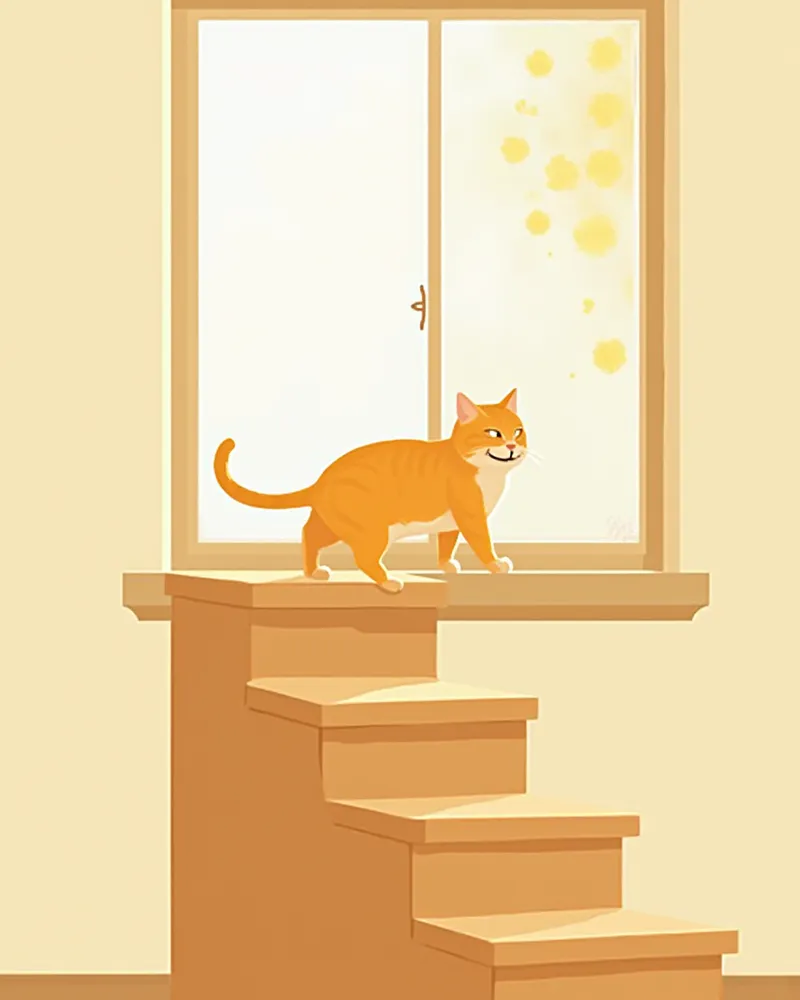
If your cat has been diagnosed with arthritis or is in stage 1, start modifying their environment right away, even before beginning medication. Simply making the home more comfortable can significantly ease movement for cats in pain. “Optimizing the home environment” is highly recommended as a core pillar of pain management, alongside medication and physical therapy. - Install steps or ramps: Place a three-step pet staircase near beds, sofas, and windows to eliminate the strain of jumping. - Lower the litter box entrance: Senior cats often hesitate to use boxes with entrances higher than 5 cm. Switch to a low-entry litter box. - Distribute food and water bowls: Instead of keeping them all on one floor, place them in various areas where your cat spends the most time. - Use non-slip mats: Hard wooden floors can jar the joints. Lay down mats along your cat’s most frequently used paths. - Provide warm sleeping spots: Keeping the joints warm directly helps relieve pain. Use a heating pad or a thick blanket.
An elderly tabby cat using a three-step pet staircase to climb up to the window.

Reviewed by a veterinarian

Dr. Tony — Punnawat Phongkittirak

Dr. Tony — Punnawat Phongkittirak

Veterinarian

A veterinarian who majored in veterinary medicine at Khon Kaen University, Thailand, and completed the IVSA program at North Carolina State University in the United States. Drawing on clinical experience at animal hospitals, he works in the pet healthcare field and is dedicated to building a digital care environment that connects pet parents with veterinarians.

Frequently Asked Questions

At what age should I start suspecting difficulty with jumping?
Cats are generally considered middle-aged from 7 to 10 years old and senior from 10 years onward (some classify 11–14 years as senior and 15+ years as geriatric). Therefore, if you notice changes such as a reduced jumping distance or awkward landings after age 7, don’t dismiss them as simple aging; instead, consider the possibility of early-stage arthritis. Annual check-ups are recommended for senior cats, and more frequent health assessments are advisable as they get older.
Is it not enough to just give joint supplements?
Joint supplements (glucosamine, chondroitin, omega-3) are supportive aids, not treatments. If pain has already set in, supplements alone are not enough; your veterinarian may prescribe pain-relieving medications such as NSAIDs or Frunipen. Supplements are most beneficial when used alongside proper diagnosis and treatment.
If my pet is overweight, should dieting come first, or should medication be prescribed first?
Because it’s difficult to increase exercise when a pet is in pain, we usually start both approaches at the same time. A safe strategy is to use veterinarian-prescribed pain management to help restore mobility while switching to a senior or joint-support prescription diet that reduces calorie intake by 5–10%. Fasting or rapid weight loss can cause fatty liver disease, so it should be strictly avoided.
Are there cases where surgery is necessary?
Feline arthritis has fewer surgical indications than canine arthritis. In most cases, it can be effectively managed with medication, environmental modifications, and weight control. Surgery is reserved for cases involving structural damage, such as cruciate ligament rupture or hip dislocation. For typical age-related degenerative joint disease (DJD), non-surgical management is the first-line treatment.
Is the Prevetican (Solencia) injection safe?
Frebevacan is a monoclonal antibody injection that blocks feline nerve growth factor (NGF), placing minimal burden on the kidneys and liver, making it safe for senior cats with kidney disease. Administered as a monthly subcutaneous injection, its effects last approximately four weeks. However, since injection-site reactions have been reported in some cats, we recommend monitoring your cat for 24 hours after the first injection.

Share

Related Guides

References

[1] Little SE, The Cat: Clinical Medicine and Management, 2nd Edition, Chapter on Senior Cat Care and Degenerative Joint Disease, 2020

[2] Johnston SA & Tobias KM, Veterinary Surgery: Small Animal, 2nd Edition, Chapter on Feline Osteoarthritis, 2018

[3] Caney S, Chronic Kidney Disease and Degenerative Joint Disease in the Older Cat, The Cat Clinical Medicine and Management, 2nd Edition

[4] Textbook of Veterinary Orthopaedic Surgery, Chapter 12.3 Osteoarthritis

This information is based on veterinary literature and does not replace diagnosis or treatment. Please consult a veterinarian for specific health concerns.

Metapet Co., Ltd. | CEO: Park Sung-yong | Business Reg. No. 417-88-02562 | Seoul, South Korea | Customer Center

Cat Suddenly Can't Jump? Arthritis, Muscle Loss & Vet Care | Meongsiljang