Like
Share
멍실장
강아지 고양이 연기 흡입 응급 대처

If Your Dog or Cat Inhaled Smoke — Emergency Signs of Inhalation Injury and Immediate Actions

RespiratorySymptomsMeongsiljang Veterinary Advisory Board

Here’s a step-by-step guide to recognizing emergency symptoms in pets that have inhaled smoke at a fire scene and the immediate actions you should take.

What Is Smoke Inhalation as an Emergency Condition?
A puppy being examined by a veterinarian
Smoke inhalation is an emergency condition in which inhaling hot gases, carbon monoxide, and toxic chemicals at a fire site damages the airways, lungs, and the body’s overall oxygen supply. The most critical point is that even if your pet appears fine on the surface, respiratory and neurological symptoms can emerge or suddenly worsen not only immediately after exposure but also hours to days later. Therefore, if your pet has been exposed to smoke, it is safest to take them to a veterinary clinic immediately for oxygen therapy and examination, regardless of whether symptoms are present. In particular, if you notice decreased consciousness, coughing, difficulty breathing, or changes in gum color, do not delay even for a minute.

Risk Stages After Smoke Exposure

The severity of damage from smoke inhalation varies greatly depending on exposure time, the heat intensity of the fire, and the type of materials burned. The table below categorizes the stages to help you make quicker emergency decisions.
StageExposure ScenarioKey SymptomsAction
MildShort exposure, ventilated areaMild coughing, tearingMove to fresh air and seek veterinary evaluation as soon as possible
ModerateExposure in an enclosed spacePersistent coughing, rapid breathingTransport to a veterinary clinic immediately
SevereDirect exposure at the fire sceneDifficulty breathing, blue or dark red gumsCall 119 (emergency services) and transport to a 24-hour emergency clinic immediately
Even if symptoms appear mild, oxygen therapy and examination are recommended for any animal exposed to smoke. Therefore, it is safer to contact a veterinarian rather than relying solely on home observation, even in mild cases.

Symptom Checklist to Check

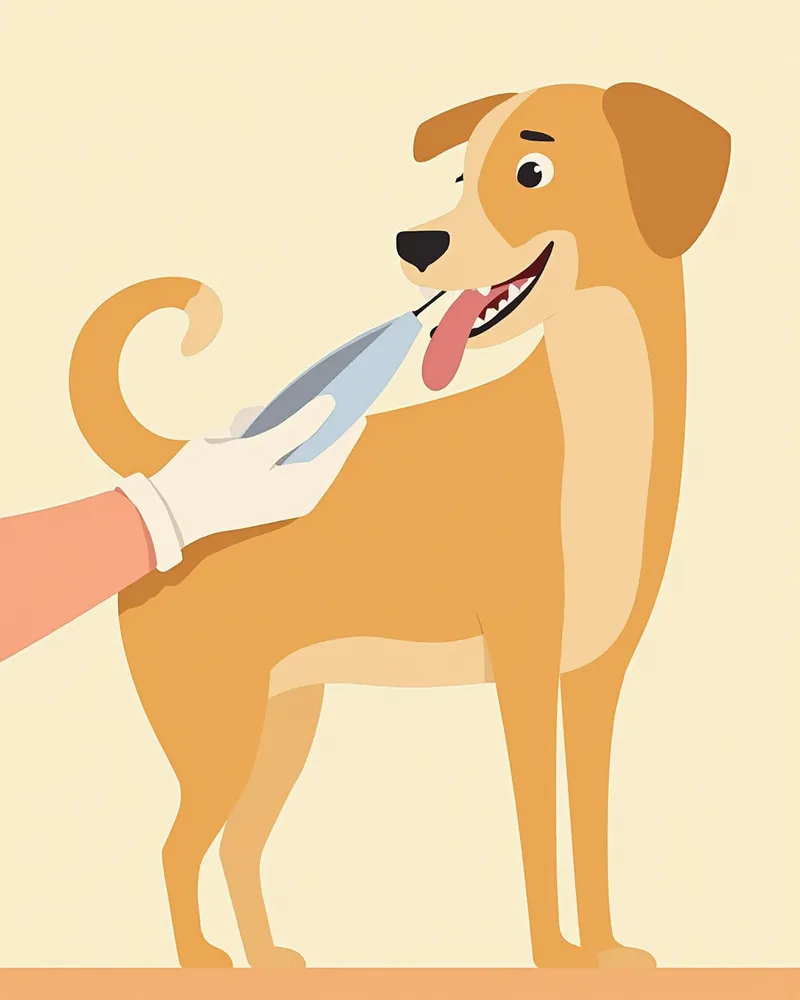
After smoke inhalation, watch for these signs that may indicate lung damage or carbon monoxide poisoning: - Coughing or wheezing: Caused by irritation of the airway lining and bronchi. - Rapid breathing: A noticeably increased respiratory rate compared to normal can signal lung irritation, bronchoconstriction, or low oxygen levels. - Changes in gum color: Blue (cyanosis), gray, or pale gums are warning signs. However, even if the mucous membranes appear normal, it doesn’t mean there’s no damage. - Soot residue: Black marks may appear around the nose, mouth, or on the fur. - Red, watery eyes: A common sign of conjunctival irritation. - Decreased consciousness or stumbling: These could indicate neurological symptoms, such as those from carbon monoxide poisoning. - Vomiting or loss of appetite: These may be indirect signs of systemic low oxygen levels.
Checking your dog's gum color

Go to the Emergency Room Immediately If You See These Signs

If your pet exhibits any of the following symptoms, seek immediate care at a 24-hour emergency animal hospital without delay: open-mouthed panting, gums turning blue, gray, or pale, confusion or unresponsiveness to calls, seizures or convulsions, black soot visible in the nose or mouth, or severe coughing with frothy discharge. Even if the gum color appears normal, do not assume your pet is safe after exposure; a veterinary evaluation is essential for peace of mind. During transport, keep the windows open to provide fresh air and use a blanket inside the carrier to keep your pet warm.

What Smoke Inhalation Does Inside the Body

Smoke inhalation causes damage through multiple pathways simultaneously. First, hot gases burn and swell the mucous membranes of the upper airways—including the nose, mouth, and throat—narrowing the air passages. Second, soot and chemical irritants enter the lower airways and lungs; most lower airway injuries result from inhaling these chemicals rather than direct heat exposure. Third, carbon monoxide not only deprives red blood cells of their oxygen-carrying capacity but also inhibits cytochrome oxidase, an enzyme that uses oxygen within cells, leading to systemic hypoxia. Because these injuries may not manifest fully until hours or even days after exposure—even if initial symptoms seem mild—hospitalization for close monitoring is recommended.

Emergency Measures Owners Can Take at Home

Here are the emergency steps you can take before transporting your pet to the clinic. The most important thing is to ensure your own safety first before taking action. - Move to fresh air immediately: Get as far away from the fire scene as possible to a well-ventilated area. - Clean soot from around the eyes and nose: Gently wipe with gauze dampened with lukewarm water. - Do not force water: If your pet is disoriented, there is a risk of aspiration. - Maintain body temperature: Wrap your pet in a blanket, but avoid overheating. - Positioning during transport: Place your pet in a sternal recumbent position (belly down) to assist with breathing. - Provide exposure details to the veterinarian: Explain the duration of exposure, the type of smoke, and the environmental conditions.
A caregiver gently wiping a cat’s face with a soft cloth

Cats Are at Risk More Quickly

Cats have a natural tendency for lower airway hyperresponsiveness, meaning their airways are highly sensitive and prone to overreacting to irritants. Therefore, it is crucial to closely monitor their breathing after exposure to smoke. Open-mouthed, panting breathing is itself a critical emergency signal in cats. Additionally, because cats are adept at hiding discomfort, behaviors such as hiding in corners or remaining unusually still may be signs of concealed respiratory distress. If you observe these symptoms after smoke exposure, seek immediate veterinary care regardless of how mild the condition may appear. All exposed animals are recommended to receive oxygen therapy and a thorough medical examination.

Examinations and Treatment at the Veterinary Clinic
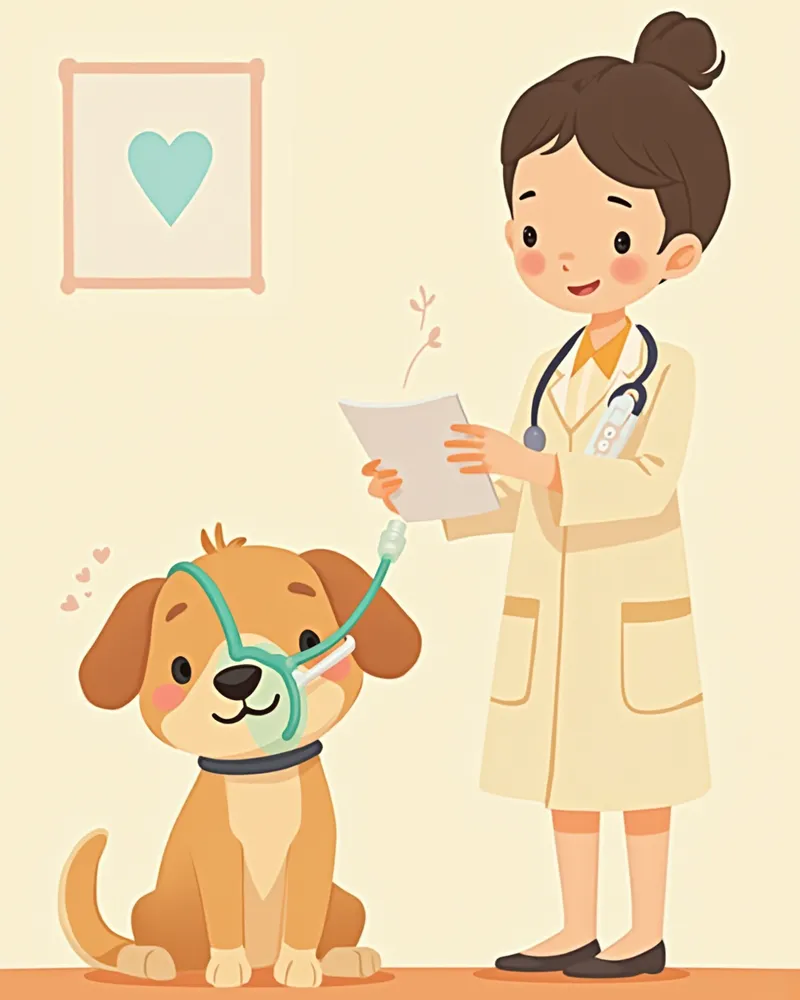
At the veterinary clinic, we quickly assess the extent of smoke inhalation injury and provide step-by-step treatment. Oxygen therapy is the top priority, and hospitalization for monitoring is recommended when necessary. - Oxygen therapy: Helps eliminate carbon monoxide and recover from hypoxia - Blood gas and oxygen saturation tests: Checks oxygen and carbon dioxide levels - Chest X-rays: Evaluates pulmonary edema and bronchial damage - Fluid therapy: Rehydrates and restores circulation - Bronchodilators and anti-inflammatory medications: Used at the veterinarian’s discretion - Hospitalization for 24–48 hours: Monitors for delayed pulmonary edema
A puppy receiving treatment with an oxygen mask

Care Points at Home After Recovery

Even after recovering from smoke inhalation, the lungs and airways remain sensitive for some time. Please follow these care guidelines: - Smoke-free environment is essential: Avoid all irritants, including cigarette smoke, scented candles, and perfumes. - Maintain humidity: Keep humidity between 40–60% to keep the airway mucosa moist. - Limit strenuous exercise: Keep walks short for at least two weeks. - Follow-up appointment: Schedule a follow-up chest X-ray 7–14 days after discharge. - Report any abnormal signs immediately: Contact us right away if coughing resumes or breathing becomes rapid. For more information on respiratory emergencies, see our Dog Respiratory Distress Emergency Guide.

Reviewed by a veterinarian

Dr. Tony — Punnawat Phongkittirak

Dr. Tony — Punnawat Phongkittirak

Veterinarian

A veterinarian who majored in veterinary medicine at Khon Kaen University, Thailand, and completed the IVSA program at North Carolina State University in the United States. Drawing on clinical experience at animal hospitals, he works in the pet healthcare field and is dedicated to building a digital care environment that connects pet parents with veterinarians.

Frequently Asked Questions

Even if my pet only inhaled smoke for a short time, do I really need to go to the vet?
Yes, you should take your pet to the vet. Even if symptoms of carbon monoxide poisoning or lung damage seem mild right after exposure, they can suddenly worsen hours to days later. Veterinary textbooks recommend oxygen therapy for all animals exposed to smoke, so it’s safest to have at least an oxygen saturation check and chest X-rays done.
My pet coughs after using scented candles or diffusers at home. Could it be from inhaling the smoke?
While not exactly the same as smoke from a fire, scented candles, diffusers, and essential oils can irritate the respiratory mucosa and cause similar symptoms. Ensure good ventilation, and if the coughing persists for more than 24 hours, please consult your veterinarian.
I’ve heard that oxygen is beneficial. Can I use an oxygen canister at home?
We don't recommend it. Oxygen is most effective when administered in a clinical setting, where concentration and flow rate can be precisely controlled. Home-use oxygen cans offer limited benefit and may only delay critical care in an emergency. The best course of action is to provide fresh air and then transport your pet to the clinic immediately for the fastest recovery.
Will there be any lingering effects after recovery?
In cases of severe exposure, damage to the airway mucosa and ciliary function can impair mucus clearance, potentially leading to secondary bacterial infections or delayed complications such as chronic cough and exercise-induced dyspnea. Regular chest examinations and maintaining a smoke-free environment can help reduce these risks.
Are smoke inhalation and carbon monoxide poisoning the same thing?
They overlap but aren't the same. Smoke inhalation is a broader concept that includes airway burns and irritation, as well as the inhalation of soot and chemical toxins. Carbon monoxide poisoning is one specific aspect of this, where the gas interferes with oxygen transport and cellular oxygen utilization. The two often occur simultaneously.

Share

Related Guides

References

[1] Drobatz KJ, Walker LM, Hendricks JC: Smoke exposure in dogs: 27 cases (1988-1997), JAVMA 215:1306-1311, 1999

[2] Textbook of Respiratory Disease in Dogs and Cats, Chapter 64 — Smoke Inhalation

[3] Small Animal Critical Care Medicine, 3rd Ed — Inhalation Injury

[4] Hampson NB et al.: Practice recommendations in the diagnosis, management, and prevention of carbon monoxide poisoning, Am J Respir Crit Care Med 186(11):1095-1101, 2012

This information is based on veterinary literature and does not replace diagnosis or treatment. Please consult a veterinarian for specific health concerns.

Metapet Co., Ltd. | CEO: Park Sung-yong | Business Reg. No. 417-88-02562 | Seoul, South Korea | Customer Center

Dog or Cat Inhaled Smoke: Inhalation Injury Signs & Actions | Meongsiljang