

Emergency Response for Bee Stings in Dogs and Cats
We’ve compiled the symptoms to check for immediately if your pet has been stung by a bee, along with first aid steps and warning signs that require an urgent vet visit.
Bee Stings: When It’s an Emergency

Urgency Levels — Check Now
Bee Sting Urgency Level Chart
| Item | Grade 1 Mild | Grade 2 Caution | Grade 3 Emergency |
|---|---|---|---|
| Main symptoms | Swelling and pain only at the sting site | Swelling around the face · eyes, hives | Difficulty breathing, pale gums, collapse |
| Response | Can observe at home | Call the hospital then visit | Immediate emergency visit |
| Time criteria | Improves within 24 hours | Hospital within 6 hours | Hospital within 30 minutes |
If stung on the tongue or roof of the mouth, or stung in multiple places, go to the hospital immediately regardless of grade.
Emergency Signs Checklist

Go to the Emergency Room Immediately in These Cases
If your pet’s face, mouth, or tongue swells rapidly within 30 minutes of a sting, or if they develop labored breathing, pale gums, or lose consciousness, there is a high likelihood of anaphylactic shock. According to emergency veterinary medicine textbooks, systemic allergic reactions can worsen within minutes, so you must take your pet to an emergency animal hospital without delay. During transport, keep your pet in a comfortable position and do not force them to drink water.
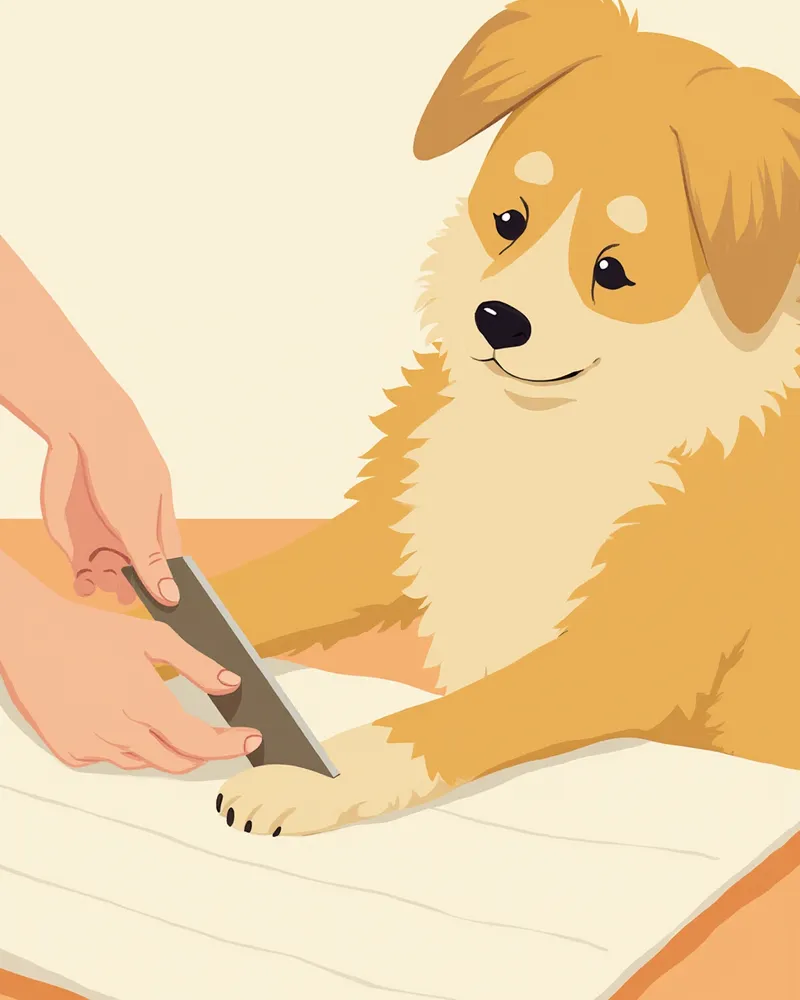
4 Steps for Home First Aid
Cat Bee Stings — What to Watch For
Caution for Repeated Stings and Specific Situations
Unlike honeybees, wasps and giant hornets lack barbed stingers, so they don’t leave their stinger behind and can sting repeatedly. This means a single attack can inject venom multiple times, and the more stings your pet receives, the higher the risk of systemic symptoms. Therefore, it’s safest to visit the vet even if you only notice localized swelling. Some pets are unusually sensitive to venom, and certain breeds are known to have a higher rate of adverse reactions to bee venom. If your pet is generally frail or small in size, don’t dismiss even mild reactions; it’s best to consult a vet even if the symptoms seem minor.
Walking Habits to Prevent Bee Stings
Reviewed by a veterinarian

Dr. Tony — Punnawat Phongkittirak
VeterinarianA veterinarian who majored in veterinary medicine at Khon Kaen University, Thailand, and completed the IVSA program at North Carolina State University in the United States. Drawing on clinical experience at animal hospitals, he works in the pet healthcare field and is dedicated to building a digital care environment that connects pet parents with veterinarians.
Reviewed 2026-04-21
Frequently Asked Questions
Should I apply soybean paste or saliva to a bee sting?
Can I give my pet human antihistamines?
I can’t see the stinger, but the swelling keeps getting worse. What should I do?
The swelling hasn’t gone down even after several days since the bite.
Will it become more dangerous if bitten again?
Share
Related Guides

Top 5 Medicated Dog Shampoos — For Pyoderma and Bacterial Infections

Veterinarian-Recommended Top 5 Medicated Shampoos for Canine Yeast Dermatitis — Relieves Itching and Greasiness

Top 5 Medicated Cat Shampoos Recommended by Veterinarians — Fungal Dermatitis and Fungal Care

Complete Guide to Emergency Response for Drowning Dogs and Cats

Causes of Bad Breath in Dogs and Management Tips

Causes of Cat Hair Loss and How to Manage Them

Causes of Hematuria in Cats and Emergency Response

Causes of Puppy Diarrhea and Emergency Response Measures

Causes of Dog Hair Loss and How to Manage Them

Dog Snoring: Causes, Step-by-Step Management, and Signs Requiring Veterinary Care
References
[1] Silverstein, D.C., Hopper, K. Small Animal Critical Care Medicine, 3rd Edition, Chapter on Envenomation and Anaphylaxis
[2] Nelson, R.W., Couto, C.G. Small Animal Internal Medicine, 6th Edition, Chapter on Allergic Reactions
[3] Plunkett, S.J. Emergency Procedures for the Small Animal Veterinarian, 3rd Edition, Insect Stings Section