
Why isn’t my cat moving? — Feline osteoarthritis symptoms and when to visit the vet
Feline osteoarthritis is a chronic degenerative condition characterized by the gradual deterioration of joint cartilage. Because cats are adept at masking pain, close observation by pet owners is essential. Here’s a comprehensive overview covering symptoms, causes, diagnosis, treatment, and practical home care tips.
What is feline osteoarthritis?
What causes it? — Causes and pathogenesis
Suspect osteoarthritis if you notice these symptoms

You need to go to the vet right now
If your pet is completely unable to use their legs, has suddenly developed hindlimb paralysis, or has stopped moving altogether due to severe pain, you should seek emergency veterinary care immediately. Spinal joint compression can lead to nerve damage. In particular, if the hind legs suddenly begin to drag, it’s important to rule out conditions other than osteoarthritis, such as spinal disorders or thrombosis.
How is it diagnosed?
How is it treated?
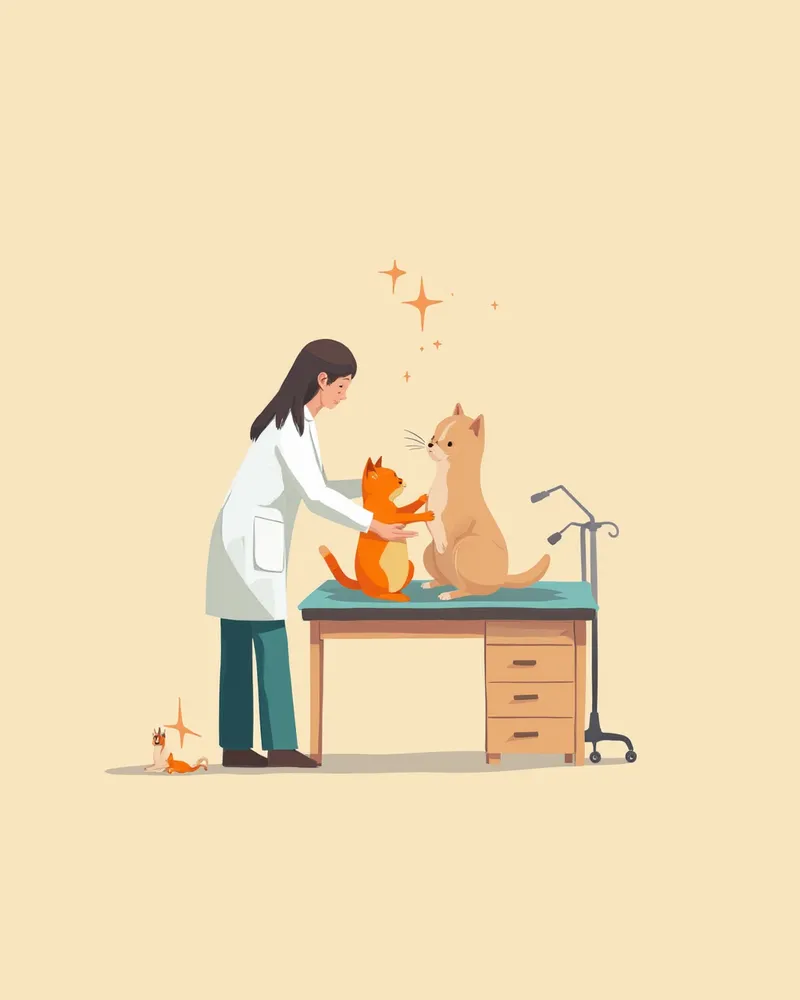
Home care tips
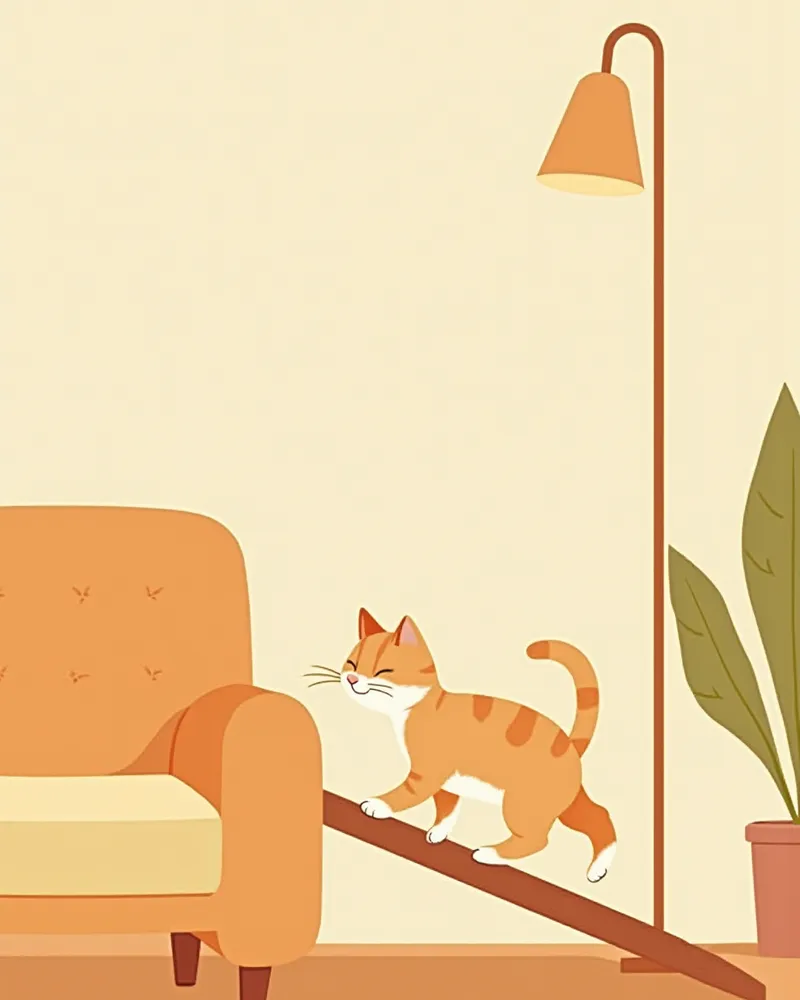
These breeds and age groups require extra caution
Certain breeds are genetically predisposed to a higher risk of hip dysplasia, which can lead to osteoarthritis. In fact, studies report that hip dysplasia is diagnosed as the sole cause of osteoarthritis in 6% to 23% of cases, depending on the breed and age. Additionally, osteoarthritis becomes more common with age; over half of cats older than 6 to 7 years may show radiographic signs of joint changes. Therefore, for cats aged 7 and older, it is important to regularly monitor joint health even if no symptoms are apparent, and to consistently track the progression of the condition if osteoarthritis has already been diagnosed.
Reviewed by a veterinarian

Dr. Tony — Punnawat Phongkittirak
VeterinarianA veterinarian who majored in veterinary medicine at Khon Kaen University, Thailand, and completed the IVSA program at North Carolina State University in the United States. Drawing on clinical experience at animal hospitals, he works in the pet healthcare field and is dedicated to building a digital care environment that connects pet parents with veterinarians.
Reviewed 2026-05-28
Frequently asked questions
Can feline osteoarthritis be cured?
Is it safe to give my pet human anti-inflammatory medication?
Can young cats develop osteoarthritis?
When is the best time to start giving joint supplements?
Is it okay to massage a cat with osteoarthritis?
Share
Related Guides

Top 5 Patellar Support Braces for Dogs — Stage-by-Stage Size Guide

Curcumin Efficacy and Anti-inflammatory/Joint Support

Top 5 Recommended Joint Supplements for Dogs in 2026
Canine Brucellosis (Zoonotic Disease)

Toxocariasis (Human Roundworm Infection)

The Complete Guide to MRSA (Methicillin-Resistant Staphylococcus aureus) Infection in Pets and Humans

Campylobacter (Zoonotic Foodborne Illness)
Glomerulonephritis (a cause of proteinuria)
Comprehensive Guide to Canine Anal Sac Cancer (Apocrine Gland Adenocarcinoma): Causes, Symptoms, and Treatment
Insulinoma (Pancreatic Tumor) Guide
References
[1] Little S. (ed.), The Cat: Clinical Medicine and Management, 2nd Edition, Elsevier, 2012, Chapter 47 Senior Life Stage Care & Chapter: Chronic Kidney Disease and Degenerative Joint Disease (Caney S.)
[2] Tomlinson J. et al., Textbook of Veterinary Orthopaedic Surgery, Section 12.3 Osteoarthritis, 2022
[3] Hardie EM, Roe SC, Martin FR. Radiographic evidence of degenerative joint disease in geriatric cats: 100 cases (1994–1997). J Am Vet Med Assoc. 2002;220(5):628-632.
[4] Lascelles BDX. Feline degenerative joint disease. Vet Surg. 2010;39(1):2-13.