Like
Share
멍실장
강아지 치은염 증상과 원인, 진단·치료와 관리 포인트 총정리

A Complete Guide to Canine Gingivitis: Symptoms, Causes, Diagnosis, Treatment, and Care

Oral HealthDiseasesMeongsiljang Veterinary Advisory Board

Gingivitis in dogs is an inflammation of the gum tissue surrounding the teeth, which can cause pain, bleeding, and bad breath. Early detection and proper care can help prevent serious tooth loss.

Gingivitis in Dogs Is an Inflammation of the Gum Tissue Surrounding the Teeth

The appearance of a dog's mouth when gingivitis is present
Gingivitis in dogs is an inflammation of the gum tissue surrounding the teeth. - Plaque accumulation: When bacterial plaque builds up on the tooth surface, the gums become red and swollen, and may bleed during brushing or when irritated. Plaque is a biofilm composed of oral bacteria that adheres to the teeth and triggers inflammation. As it progresses, the resulting pain can make it difficult for your dog to eat. - Progression of inflammation: If left untreated, gingivitis can worsen into periodontitis, leading to the destruction of the bone and tissues around the teeth, which may cause teeth to become loose or fall out. - Importance of early detection: If caught at the gingivitis stage, before periodontal tissue destruction occurs, inflammation can be reversed through professional scaling and polishing, along with daily tooth brushing. Therefore, early detection is highly effective in preventing tooth loss. - Prevention-focused care: Consistent tooth brushing and veterinary-recommended oral care are essential. Early monitoring and appropriate management are key to maintaining healthy oral condition.

The Main Causes of Gingivitis Are Plaque and Bacterial Accumulation
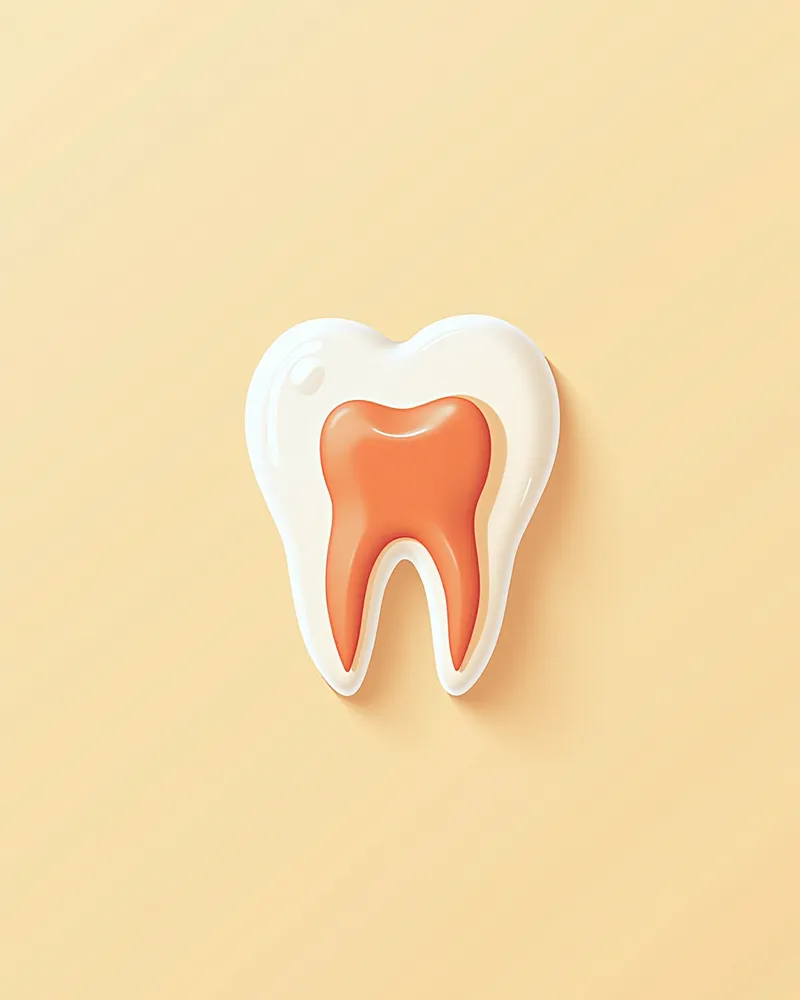
The main cause of gingivitis in dogs is the buildup of bacterial plaque on the tooth surface. - Plaque formation: Proteins in saliva form a thin film on the teeth, and oral bacteria adhere to and multiply on this film, creating a biofilm known as plaque. This plaque irritates the gums and triggers inflammation. - Tartar formation: Over time, plaque combines with minerals and hardens into tartar. However, a large amount of tartar does not necessarily indicate the severity of periodontal disease. - Risk factors: Small breeds are more prone to plaque buildup due to their crowded teeth. Plaque adheres more easily when teeth are crowded or have rough surfaces, and systemic diseases or immune status can also influence the progression of the condition. - Key to prevention: Regular oral care to reduce plaque can significantly lower the risk of gingivitis. Early prevention is the most effective management strategy.
The appearance of plaque buildup on a dog's teeth

Be Sure to Check for Key Symptom Signals

The main symptoms of gingivitis in dogs are as follows. In fact, early stages often show no obvious outward signs. As the condition progresses, you may notice severe bad breath, redness around the teeth, or bleeding. Difficulty eating, frequent drooling, and scratching around the mouth with the front paws are also warning signs.
Worsening Bad Breath: An increase in oral bacteria can lead to a distinct odor. However, bad breath can also result from gastrointestinal issues or nasal and systemic diseases, so a comprehensive evaluation is necessary.
Bleeding Gums: The area around the teeth becomes red and swollen, and bleeding may occur during brushing or probing. Redness and swelling of the gums are the earliest visible signs, and bleeding upon stimulation is a key indicator of early periodontal disease.
Food Refusal: Pain can make eating difficult. Symptoms may be particularly noticeable when consuming dry kibble.
Increased Drooling: Pain or discomfort can cause frequent drooling. You may often see moisture around the mouth or wet fur.
Advanced Cases: Pain may prevent the dog from opening its mouth wide, or teeth may become loose and fall out. In severe cases, pathological fractures can occur in weakened jawbones.
A puppy struggling to eat due to gingivitis

When Immediate Veterinary Visit Is Necessary

If your dog refuses to open its mouth, completely stops eating, or experiences repeated, noticeable bleeding around the teeth, you should seek veterinary care immediately. These signs indicate severe damage to the tissues surrounding the teeth or a worsening of periodontal disease. In particular, recurring pain or food refusal are serious indicators that require early diagnosis.

Veterinary Examination Is Required for Accurate Diagnosis
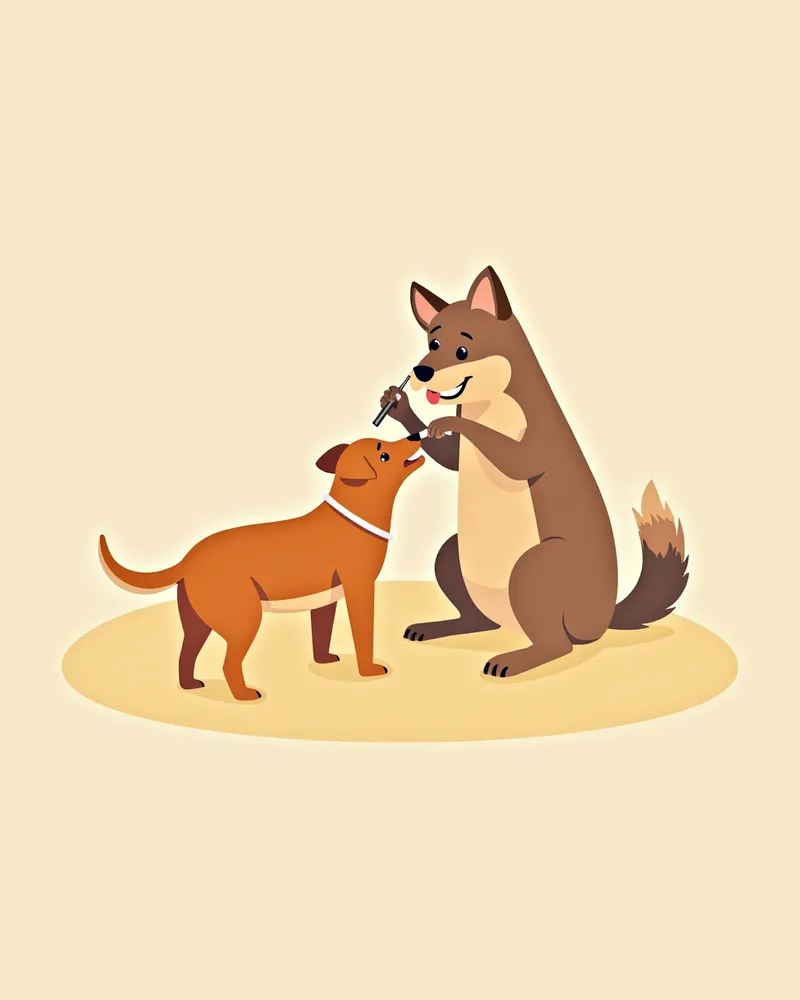
Gingivitis can be suspected through a visual examination while the pet is awake, but an accurate diagnosis requires a professional veterinary assessment. - Visual inspection: The veterinarian directly checks for swelling, redness, bleeding, and tartar buildup around the teeth. However, visual evaluation while the pet is conscious has limitations and cannot replace an examination under anesthesia. - Detailed examination and probing under anesthesia: The most accurate diagnosis is achieved by measuring periodontal pocket depths with a probe and thoroughly examining the entire oral cavity under anesthesia. This is necessary because inspecting only the visible portion of the teeth (the crown) does not reveal the condition beneath the gumline. - Dental radiographs (X-rays): Damage to the tooth roots and surrounding bone is not visible to the naked eye, making full-mouth dental radiography essential for diagnosis. - Systemic health assessment: Basic tests such as complete blood count, serum chemistry, and urinalysis are used to evaluate overall health and detect any underlying conditions, including liver and kidney function. - Importance of early diagnosis: Early detection leads to better treatment outcomes and can prevent severe tooth loss. Accurate diagnosis is the first step toward effective treatment.
A veterinarian examining a puppy’s teeth.

Treatment Involves Cleaning, Medication, and Ongoing Care

Treating gingivitis in dogs requires a combination of dental cleaning, medication, and ongoing home care. - Cleaning under general anesthesia: Your veterinarian will perform scaling and polishing to remove tartar both above and below the gumline. General anesthesia is necessary to ensure the procedure is thorough and safe. - Medication: Depending on the severity, antibiotics or topical treatments may be prescribed to reduce inflammation and relieve pain. In severe cases, medication may be applied directly into the periodontal pockets. - Ongoing oral care: Daily brushing is essential after treatment to prevent plaque buildup, as plaque can reform quickly. - Regular check-ups: For severe cases, professional scaling and polishing under anesthesia may be needed every 3–4 months. Regular check-ups help detect recurrence early, and dental X-rays are also recommended. - Comprehensive management: Treatment is not a one-time fix but a long-term commitment that includes daily home care. Adjusting your dog’s diet can also support overall oral health.
Your dog having a dental cleaning under anesthesia

Adhere Strictly to Home Care Guidelines
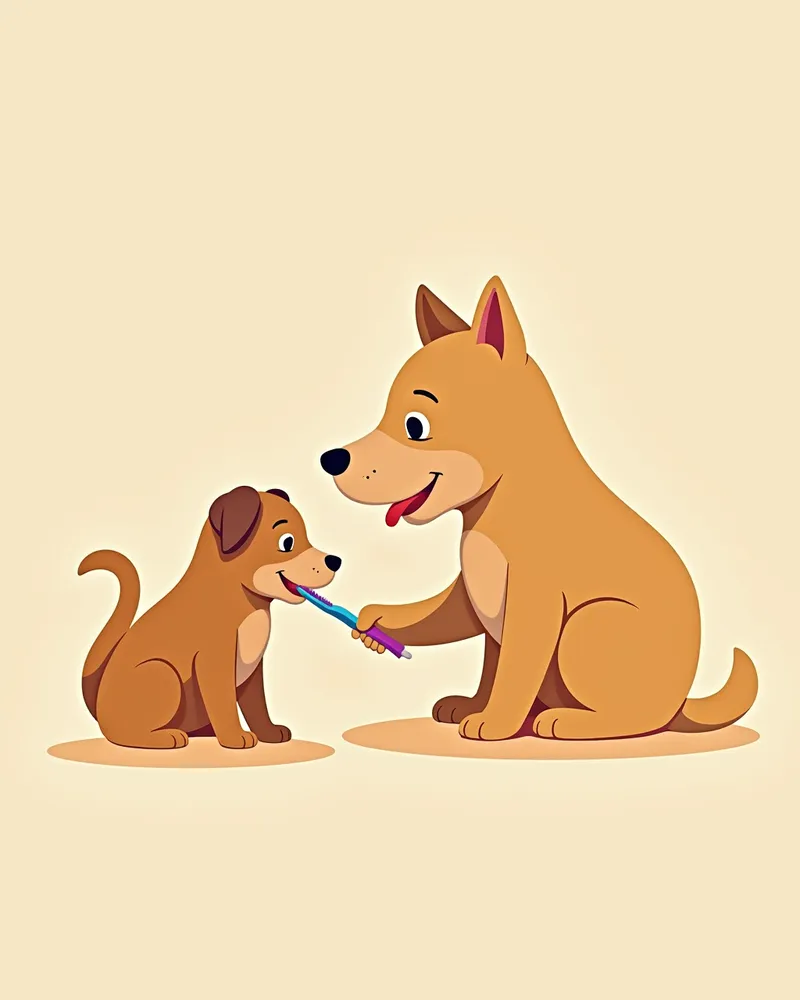
Consistent care remains essential even after treatment. Daily brushing is the cornerstone of oral hygiene, and using veterinarian-recommended toothpaste or adjunct products helps reduce plaque. Don’t forget regular check-ups.
Daily Brushing: Gently brush the teeth and gums. Consistent daily brushing is the most effective way to manage plaque. Never use human toothpaste, as it contains foaming agents, detergents, and fluoride that can be harmful if swallowed.
Dental Treats and Supplements: You can offer products designed to reduce plaque. However, many commercial products lack scientific evidence, so it’s important to consult your veterinarian to choose options with proven efficacy.
Oral Rinses: Use veterinarian-approved products regularly. It’s best to verify that the product is backed by scientific evidence rather than relying solely on marketing claims.
Regular Check-ups: Have your pet’s oral health assessed by a veterinarian on a regular basis. More frequent examinations may be necessary in severe cases.
A dog owner brushing their puppy's teeth.

Certain Breeds Are More Susceptible to Gingivitis

Small-breed dogs weighing less than 5 kg and brachycephalic breeds with short muzzles have small, tightly packed teeth, making them prone to plaque buildup. As these dogs age, they are more likely to develop periodontal disease and face a higher risk of gingivitis, so early prevention and regular care are essential. Crowded teeth or rough tooth surfaces can trap plaque more easily, making it important to work with your veterinarian to create a customized care plan.

Reviewed by a veterinarian

Dr. Tony — Punnawat Phongkittirak

Dr. Tony — Punnawat Phongkittirak

Veterinarian

A veterinarian who majored in veterinary medicine at Khon Kaen University, Thailand, and completed the IVSA program at North Carolina State University in the United States. Drawing on clinical experience at animal hospitals, he works in the pet healthcare field and is dedicated to building a digital care environment that connects pet parents with veterinarians.

Frequently Asked Questions

Can gingivitis in dogs be treated?
Yes, early detection makes treatment possible. With tartar removal, appropriate medications, and consistent home care, inflammation can be stabilized or even reversed. In particular, if the condition is still at the gingivitis stage before the periodontal tissues are damaged, scaling and polishing combined with daily home care can make the inflammation reversible.
What problems can arise if gingivitis becomes severe?
If left untreated, gingivitis can progress to periodontitis, causing teeth to become loose or fall out. In severe cases, the bone surrounding the teeth may be destroyed, and the condition can affect overall health, including the heart valves and kidneys. Therefore, early intervention is crucial.
How should I care for my pet’s teeth at home?
Daily brushing is the most important step, and it’s a good idea to combine it with veterinarian-recommended dental treats or supplements. Use toothpaste or oral rinses approved by your vet, but avoid human toothpaste. It’s essential to choose products backed by scientific evidence.
Can gingivitis be prevented?
Yes, consistent daily brushing combined with regular veterinary check-ups can significantly reduce the risk of gingivitis. Gum inflammation can be reversed by combining professional scaling and polishing with daily home care. The frequency of professional cleanings should be determined in consultation with your veterinarian based on your pet’s condition, as combining professional care with home maintenance is the most effective approach.
Is anesthesia always necessary for treating gingivitis?
Thorough oral examinations and tartar removal are performed under anesthesia. Anesthesia is necessary for safe and precise diagnosis and treatment, and it is administered only after a veterinarian has assessed its safety.

Share

Related Guides

References

[1] Niemiec, B.A. (2011). Small Animal Dental, Oral and Maxillofacial Disease: A Color Handbook. CRC Press.

[2] Erin P. Ribka and Brook A. Niemiec (2018). Clinical Medicine of the Dog and Cat, 4th Ed. Elsevier.

[3] Plumb's Veterinary Drug Handbook, 9th Edition. Wiley-Blackwell.

This information is based on veterinary literature and does not replace diagnosis or treatment. Please consult a veterinarian for specific health concerns.

Metapet Co., Ltd. | CEO: Park Sung-yong | Business Reg. No. 417-88-02562 | Seoul, South Korea | Customer Center

Dog Gingivitis: A Complete Guide to Symptoms and Treatment | Meongsiljang