Like
Share
멍실장
고양이 구강 통증 신호 증상과 원인, 진단·치료와 관리 포인트 총정리

Why Is My Cat Not Eating? Causes of Oral Pain and When to Visit the Vet

Oral HealthDiseasesMeongsiljang Veterinary Advisory Board

Oral pain in cats can be more than just a sign of decreased appetite—it may indicate a serious underlying condition. Early detection and proper management are essential.

Oral Pain in Cats Can Lead to Behavioral Issues That Strain the Bond with Owners
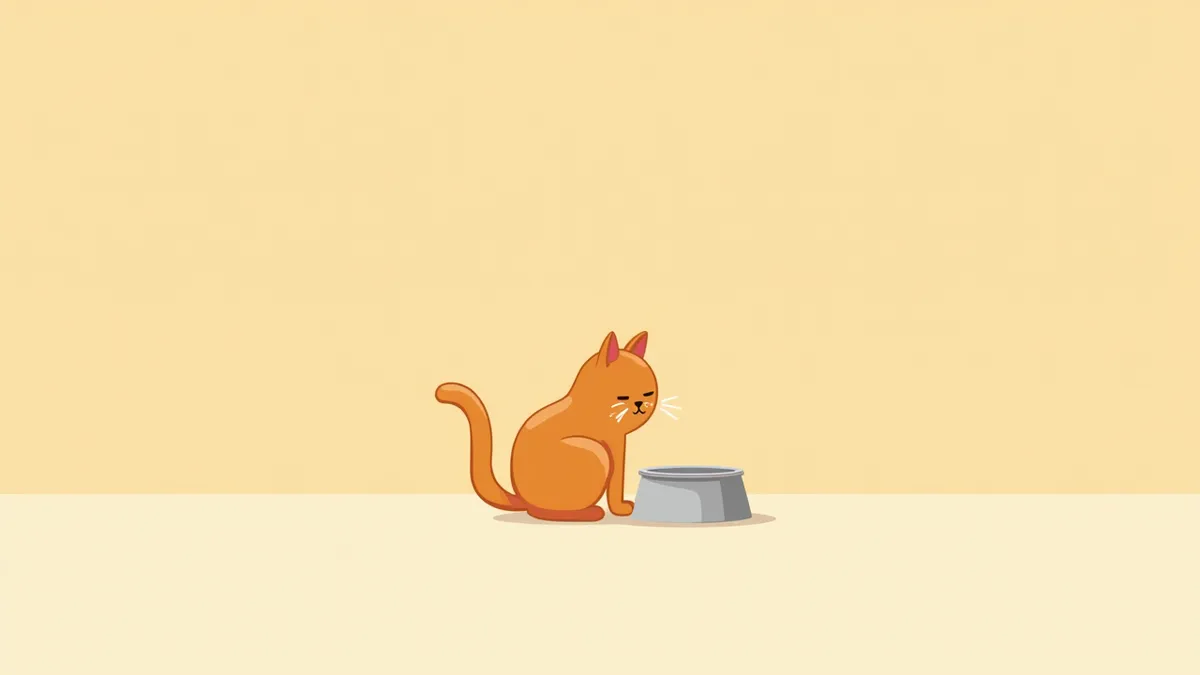
A cat that refuses to eat and turns its head
When a cat experiences oral pain, its appetite often declines, leading to reduced food intake, dropping food while eating, or chewing on only one side. This goes beyond simple loss of appetite; it can cause stress and result in withdrawn behavior, such as avoiding contact with their owner, or even aggressive actions. In particular, suddenly dropping food while eating, scratching around the mouth with their paws, or excessive licking are signs of oral discomfort. - Bad breath: A strong odor from the mouth (halitosis) may indicate oral diseases such as periodontitis or tooth resorption. - Food refusal: Suddenly refusing to eat or dropping food from the mouth are classic signs of oral pain. - Increased aggression: If the painful area is touched or moved, the cat may try to avoid it by hissing or showing its claws. Early detection and appropriate response are key.

The Main Causes of Oral Pain Are Dental Disease and Oral Inflammation

Most oral pain in cats stems from dental disease, particularly periodontitis and tooth resorption. As tartar (plaque) builds up, bacteria multiply and cause gum inflammation; if left untreated, this can lead to swollen gums and, in severe cases, damage to the jawbone. - Periodontitis: The gums become red and swollen, bleeding during brushing or probing, and advanced stages can cause teeth to become loose. - Tooth resorption: A condition in which the tooth structure gradually breaks down and disappears, causing pain that is often difficult to detect early because it doesn’t show obvious external signs. - Oral injuries and foreign bodies: Foreign objects, injuries from chewing, or ulcers on the oral mucosa can also cause pain. - Oral tumors: Tumors in the mouth or maxillofacial region can cause pain and difficulty eating. Early diagnosis is crucial for effective treatment.
Dental diagnosis of gingival recession and tartar in cats

Check for Key Signs of Oral Pain

Cats can show a variety of signs when experiencing oral pain. Since these symptoms are easy for owners to overlook, close attention is necessary.
Refusal to eat: The cat may suddenly stop eating or refuse to open its mouth.
Severe bad breath: There is a strong odor, and the cat may frequently lick or suck on its lips.
Lip smacking: The cat repeatedly opens its mouth and quickly closes it in a smacking motion.
Scratching around the mouth: The cat may scratch around its mouth with its paws or rub its head against objects.
Difficulty swallowing: It takes a long time to swallow, or the cat may regurgitate while trying to swallow.
Increased aggression: The cat may suddenly bite or kick out when touched.
A cat's mouth showing red gums and tartar buildup

Signs That Require an Immediate Vet Visit

If your cat is scratching around its mouth with its paws, drooling excessively, or bleeding from the mouth, consult a veterinarian immediately. These symptoms may indicate serious dental damage or oral disease. Severe pain can lead to refusal to eat, resulting in weight loss and malnutrition, so pain management and feeding soft food are necessary until your cat can be seen by a vet.

Diagnosis Is Made Through Oral Examination and Radiographic Imaging
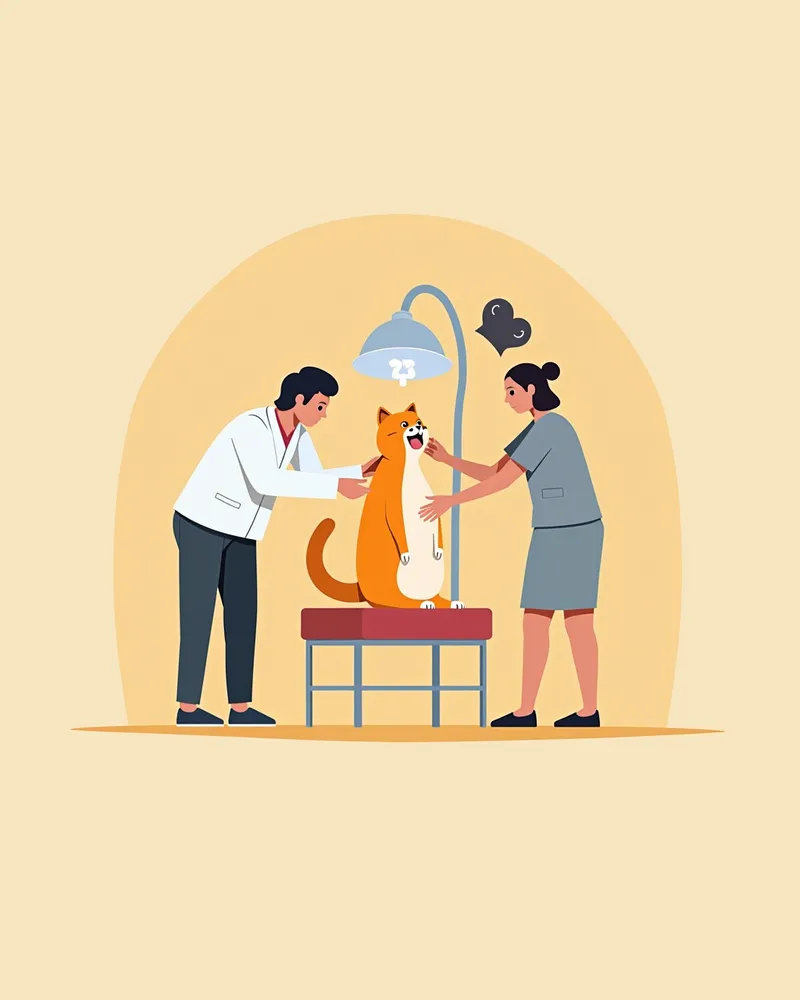
The veterinarian will directly examine your cat’s mouth and assess the condition of the teeth. In particular, damage below the tooth roots is difficult to see with the naked eye, making radiographic imaging essential. - Oral examination: The vet carefully inspects the inside of the mouth and observes any pain responses. - Radiographic imaging: This is necessary to accurately determine whether there is damage to the tooth roots and surrounding bone. - Diagnosis of tooth resorption: Early detection is nearly impossible without X-rays. - Assessment of inflammation: The degree of gum swelling and bleeding is documented to help establish a treatment plan. - Systemic health check: If the pain is severe, blood tests are performed to evaluate overall health. An accurate diagnosis is the first step toward effective treatment.
A veterinarian examining a cat's mouth.

Treatment Includes Tooth Extraction, Scaling, and Pain Management

Treatment depends on the underlying cause of the pain. If a tooth is severely damaged or the root is compromised, extraction is necessary. We also perform scaling to remove tartar and implement pain management. - Extraction (tooth removal): Teeth with damaged roots are removed to alleviate pain. - Scaling: Removes tartar and plaque to reduce gum inflammation. - Pain management: Analgesia is required until dental treatment is complete. Because oral pain involves significant inflammation, NSAIDs (non-steroidal anti-inflammatory drugs) are the first-line choice. In severe cases, additional medications such as buprenorphine may be used in combination, at the veterinarian’s discretion. - Additional medications: If bacterial infection is present, medications may be prescribed by the veterinarian. - Post-operative care: Offer soft food during the recovery period and frequently check the mouth. Regular check-ups are also necessary after treatment.
A cat recovering after dental surgery

Home Care Focuses on Regular Oral Hygiene and Dietary Management

Even after oral pain subsides, consistent care remains essential. Brush your pet’s teeth once daily or provide treats designed to support dental health. - Regular brushing: Helps maintain healthy teeth and gums. - Dental health treats: Choose specialized treats that help reduce tartar buildup. - Dietary adjustments: Opt for soft foods that are gentle on the teeth. - Oral inspections: Check the mouth daily for any abnormal signs such as bleeding or swelling. - Regular check-ups: Consult your veterinarian every six months to assess oral health. Consistent care is key to preventing recurrence.
Soft Food for Cats and Dental Care Tools

Breed-Specific Precautions: Some Breeds Are at Higher Risk for Dental Disease

Breeds such as Burmese, Siamese, and Maine Coon are reported to be particularly susceptible to oral mucosal ulcers and other oral diseases. Regular dental care is also recommended for Persian-type cats. Since cats can develop periodontitis, tooth resorption, and gingivitis from the age of one year onward, regular oral examinations are essential. Prevention is far more important than treatment, so early dental care is a must.

Reviewed by a veterinarian

Dr. Tony — Punnawat Phongkittirak

Dr. Tony — Punnawat Phongkittirak

Veterinarian

A veterinarian who majored in veterinary medicine at Khon Kaen University, Thailand, and completed the IVSA program at North Carolina State University in the United States. Drawing on clinical experience at animal hospitals, he works in the pet healthcare field and is dedicated to building a digital care environment that connects pet parents with veterinarians.

Frequently Asked Questions

If your cat is scratching around its mouth with its paws and drooling, could it be experiencing oral pain?
Yes, scratching around the mouth with their paws, drooling, excessive licking, or chewing differently than usual can be signs of oral pain. These behaviors may indicate discomfort in the teeth or gums, so a consultation with a veterinarian is recommended.
My cat isn’t eating after having its teeth removed. Is this normal?
It’s common for pets to have a temporary loss of appetite after surgery. During this time, offering soft food can help. If the decreased appetite persists, it may lead to nutritional deficiencies, so please consult your veterinarian.
Can I manage my pet’s dental care at home?
Yes, daily brushing or giving dental treats can help. While home oral care aids in preventing and improving gingivitis, severe tartar buildup requires professional scaling by a veterinarian.
When should you take your pet to the vet if they’re experiencing oral pain?
If your pet refuses to eat or has bleeding from the mouth, you should visit the vet immediately. Additionally, if there is a strong bad breath, frequent licking of the mouth, or repeated scratching around the mouth with their paws, an early check-up is necessary.
Can oral pain in cats be prevented?
Yes, regular dental checkups, brushing, and dental health treats can help prevent issues. Early care is especially important for cat breeds at higher risk.

Share

Related Guides

References

[1] Feline Emergency and Critical Care Medicine, 2nd Ed. Elsevier, 2020.

[2] The Cat, Clinical Medicine and Management, 2nd Edition. Wiley-Blackwell, 2019.

[3] Clinical Medicine of the Dog and Cat, 4th Ed. Elsevier, 2021.

This information is based on veterinary literature and does not replace diagnosis or treatment. Please consult a veterinarian for specific health concerns.

Metapet Co., Ltd. | CEO: Park Sung-yong | Business Reg. No. 417-88-02562 | Seoul, South Korea | Customer Center

Why Is My Cat Not Eating? Causes of Oral Pain and When to See a Vet | Meongsiljang