Like
Share
멍실장
고양이 등점적(스팟온) 예방약 증상과 원인, 진단·치료와 관리 포인트 총정리

Feline Spot-On Preventatives: Symptoms, Causes, Diagnosis, Treatment, and Care Points Summary

Infection/ParasitesDiseasesMeongsiljang Veterinary Advisory Board

Feline spot-on preventatives are medications that effectively guard against external parasites. However, since side effects can occur, careful attention is needed.

What Are Feline Spot-On Preventatives?

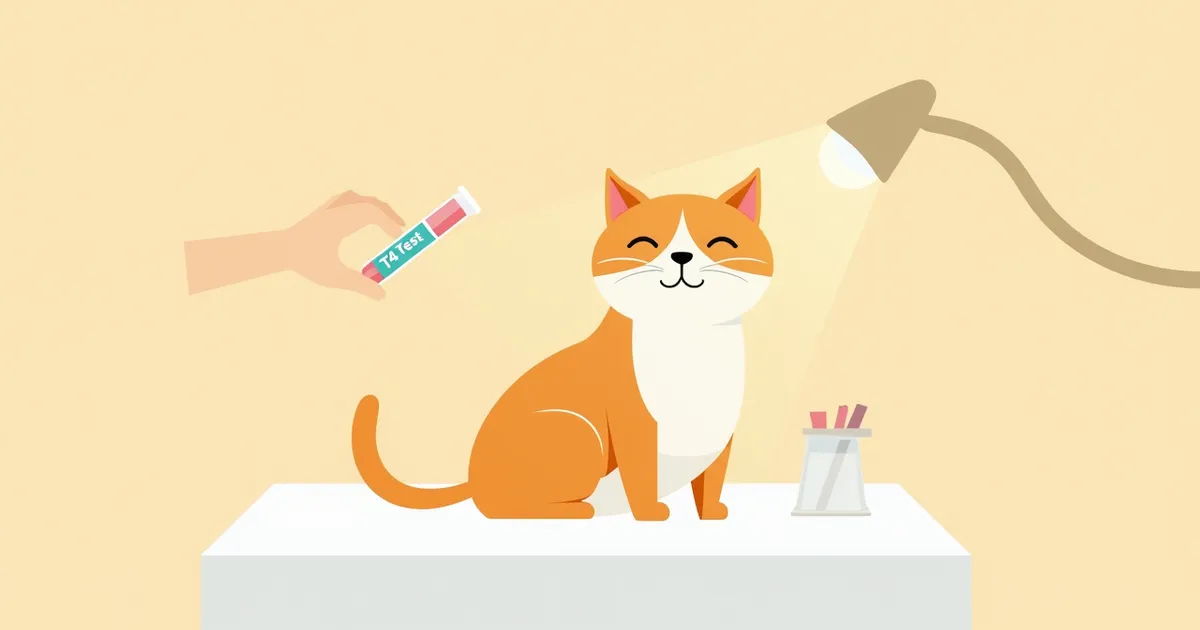
A scene showing the application of a spot-on medication on a cat's back.
Feline spot-on preventatives are topical medications designed to repel and eliminate external parasites such as fleas, ticks, and mosquitoes. Applied directly to the skin, the medication spreads across the body to provide comprehensive protection. For optimal efficacy, these treatments should be administered every four weeks (approximately one month); extending the interval between applications can significantly reduce their protective effect, so strict adherence to the schedule is essential. The most widely used and effective active ingredients in feline formulations are fipronil and imidacloprid. Conversely, pyrethroid compounds such as permethrin are highly toxic to cats and must never be used. Therefore, it is critical to use only products specifically labeled for cats, as dog-specific formulations are strictly prohibited for feline use. Additionally, if your cat is bathed frequently, you may need to adjust the application frequency accordingly to maintain adequate protection.

Main Causes and Mechanisms of Topical Preventative Side Effects

Side effects from topical flea and tick preventatives in cats occur when the active ingredients irritate the skin or affect the nervous system. In particular, pyrethroid compounds, such as permethrin, are toxic to most cats and can cause excitatory neurological symptoms. Reactions may be more severe if the product gets into the eyes or mouth, or if the cat is small in body weight. The severity of the reaction depends on the extent of drug absorption and individual sensitivity. Most importantly, the risk is extremely high if a cat is exposed to or incorrectly treated with dog-specific products containing pyrethroids, which are toxic to cats. Therefore, it is essential to strictly separate dog products from cats.
How spot-on medications spread through the skin

Key Symptoms and Signal Checklist

The symptoms that may appear after using a cat spot-on flea and tick preventive can vary, so careful observation is essential.
Excessive scratching: The cat repeatedly scratches the area where the medication was applied.
Vomiting or diarrhea: Gastrointestinal irritation leads to impaired digestive function.
Lethargy or shock-like reactions: The cat may collapse after becoming agitated or show a lack of movement.
Muscle tremors or convulsions: Abnormal behaviors caused by nervous system stimulation.
Tearing or red eyes: A reaction that occurs if the medication gets into the eyes.
If any of these symptoms appear, immediate veterinary care is necessary. In particular, if exposure to a dog-specific spot-on product is suspected, rapid response is critical.
Cats showing signs of discomfort after applying spot-on medication

Emergency Situations Requiring Immediate Veterinary Visit

If your cat shows muscle tremors, seizures, difficulty breathing, or signs of shock (such as pale skin and rapid breathing), seek veterinary care immediately. These symptoms may indicate drug toxicity or a severe allergic reaction. If medication gets into the eyes or mouth, rinse thoroughly with water and visit the vet right away.

Accurate Diagnostic Methods
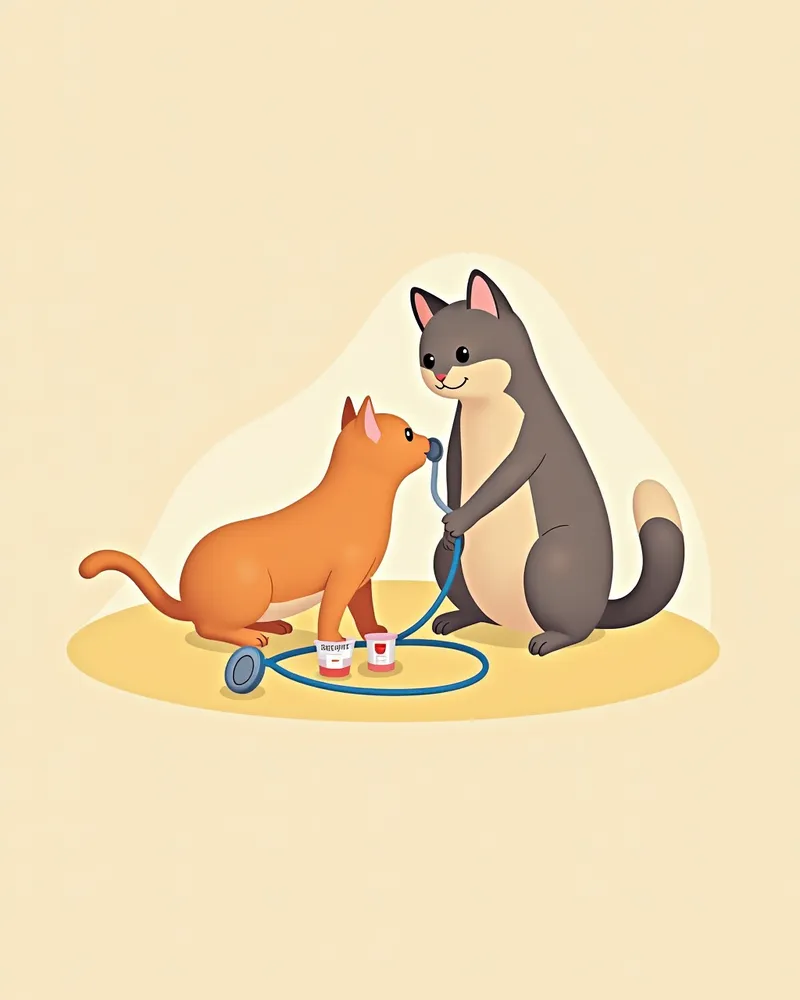
If you suspect side effects from your cat’s topical flea and tick preventive, your veterinarian will carefully review the type of symptoms and the medication history. Blood and urine tests are used to assess liver function, kidney function, and electrolyte balance. To evaluate neurological responses, an EEG or neurological exam may also be performed. If necessary, a drug residue test can measure the concentration of the medication in the skin or blood. - Diagnostic criteria: It is important to determine whether the onset of symptoms coincides with the time the medication was applied. - Differential diagnosis: It is essential to distinguish these symptoms from other conditions, such as central nervous system disorders or allergic reactions. - Suspicious symptoms: If vomiting, seizures, lethargy, or difficulty breathing persist, seek veterinary care immediately.
A veterinarian examining a cat.

Treatment Methods and Step-by-Step Response

Treatment depends on the severity of symptoms. In mild cases, thoroughly washing the skin to prevent drug absorption and close observation may be sufficient for recovery. For moderate to severe cases, a veterinarian may prescribe antihistamines, anticonvulsants, or intravenous fluids. In severe cases, central nervous system depressants are used alongside oxygen therapy and fluid administration. Treatment typically lasts 1 to 3 days, with an additional week of observation recommended after recovery. Hospitalization may also be considered depending on the patient’s condition.
A veterinarian treating a cat.

Home Care and Management Points

Proper home care after treatment is key to speeding up recovery. Keep your cat in a quiet, dimly lit area to minimize external stimuli. Offer small, frequent meals, but if vomiting persists, withhold food for 12–24 hours. Avoid getting the treated area wet for 24 hours. Ensure your cat always has access to fresh, clean water. Monitor and record daily bowel movements, appetite, and activity levels, and share this information with your veterinarian. Discontinue medication for three days after recovery and consult your vet before resuming. Preventing recurrence: Always check your cat’s health status before administering any medication, use only products specifically formulated for cats, and verify whether your cat has been exposed to dog-specific products.
A cat recovering and resting comfortably

Breed-Specific Precautions and Prevention of Recurrence

Kittens and senior cats are especially vulnerable because their immune systems are weaker, which can lead to stronger reactions. Cats with cancer or chronic conditions are also at higher risk of adverse effects. Always consult your veterinarian, taking into account your cat’s weight, age, and overall health, and closely monitor them for at least 24 hours after first use. It is critical to keep cats completely separated from dogs after applying dog-specific spot-on treatments, as such exposure poses a serious danger to cats.

Reviewed by a veterinarian

Dr. Tony — Punnawat Phongkittirak

Dr. Tony — Punnawat Phongkittirak

Veterinarian

A veterinarian who majored in veterinary medicine at Khon Kaen University, Thailand, and completed the IVSA program at North Carolina State University in the United States. Drawing on clinical experience at animal hospitals, he works in the pet healthcare field and is dedicated to building a digital care environment that connects pet parents with veterinarians.

Frequently Asked Questions

My dog vomited within an hour of applying the spot-on medication. Is this a cause for concern?
The unpleasant taste of the medication may cause acute vomiting or excessive drooling. Monitor your pet for 24 hours, and if symptoms recur or are accompanied by neurological signs, seek immediate veterinary care.
What should I do if medication gets into my pet’s eyes?
For safety, immediately rinse the affected area thoroughly with lukewarm water or saline solution for at least 20 minutes, then have a veterinarian evaluate it. Because there is a risk of eye damage, never leave it untreated.
Can I use the spot-on medication again?
Wait at least 3 days after recovery, and only use the product with your veterinarian’s approval. There is a high risk of recurrence, and if your pet has previously been exposed to dog-specific products, do not reuse this product under any circumstances.
Are there any alternatives to spot-on treatments for prevention?
There are various options available, including collars, oral medications, and injections. Consult with your veterinarian to choose the method that best suits your cat’s age, weight, health condition, and environment. Always use products specifically formulated for cats.
Should I discard the medication if side effects occur?
Please store any unused medication in a safe place and inform your veterinarian. Reuse is strictly prohibited, and providing the medication label along with usage records can help with treatment.

Spot-On vs. Collar vs. Oral Medication Comparison

ItemSpot-on MedicationCollarOral Product
Frequency of useOnce a month3 monthsOnce a month
Risk of side effectsMediumLowLow
Duration of effectAbout 4 weeks (30 days)90 days30 days
Ease of useHighVery highHigh
Cat's reactionSlight discomfort (especially on contact with dog products)No sensationNormal

Personalized selection after consulting your veterinarian is important. Always use only cat-specific products, and check whether a dog product is being used.

Share

Related Guides

References

[1] Pereira JS, Fragoso S, Beck A, et al. Improving the feline veterinary consultation: the usefulness of Feliway spray in reducing cats’ stress. J Feline Med Surg. 2016;18:959–964.

[2] Hart BL, Cliff KD, Tynes VV, and Bergman L. Control of urine marking by use of long-term treatment with fluoxetine or clomipramine in cats. J Am Vet Med Assoc. 2005;226(11):1847–1852.

[3] Stepita ME. Feline anxiety and fear-related disorders. In: Little SE, ed. August’s consultations in feline internal medicine. 7th ed. Elsevier; 2022:455–470.

This information is based on veterinary literature and does not replace diagnosis or treatment. Please consult a veterinarian for specific health concerns.

Metapet Co., Ltd. | CEO: Park Sung-yong | Business Reg. No. 417-88-02562 | Seoul, South Korea | Customer Center

Cat Spot-On Preventatives: Symptoms, Causes, and Treatments Explained | Meongsiljang