
Fear-Based Aggression in Dogs: Symptoms, Causes, Diagnosis, Treatment, and Management Essentials
Fear-based aggression in dogs is a defensive behavior stemming from fear. We’ve compiled evidence-based veterinary information covering causes, behavior modification techniques, and home management strategies.
What Is Fear-Based Aggression in Dogs?
Why Does It Occur? Main Causes
Watch for These Signals — Symptom Checklist

When to Visit the Vet Immediately
If a usually gentle dog suddenly exhibits aggression or begins biting without warning, it could be due to physical pain or a neurological issue. The same applies if the dog bites without any warning signs. A veterinary physical examination should take precedence over behavior modification.
How Is It Diagnosed?
Treatment — A Step-by-Step Approach
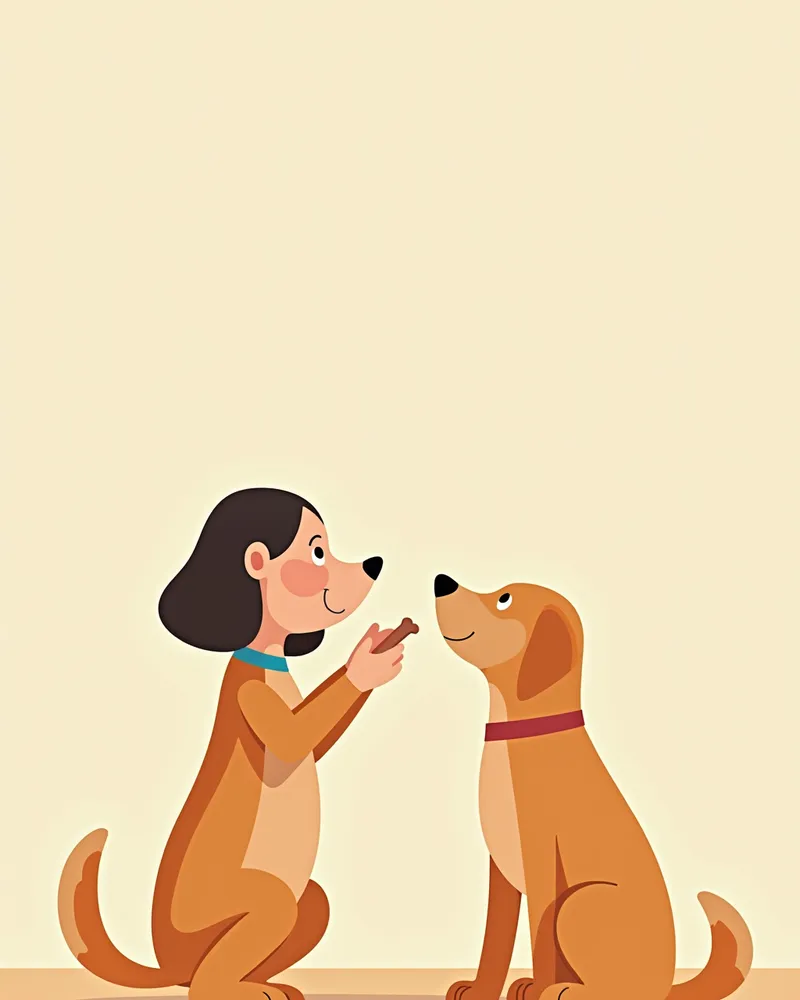
Management Tips for Owners at Home

Pay Special Attention to Dogs with Limited Socialization History
Dogs that were adopted from shelters or raised in isolated environments during their early years may exhibit more pronounced fear-based aggression. Spaying or neutering does not completely eliminate aggressive behavior. Rather than relying solely on surgery without behavioral modification, the safest approach is to consult with a certified animal behavior specialist from the outset.
Reviewed by a veterinarian

Dr. Tony — Punnawat Phongkittirak
VeterinarianA veterinarian who majored in veterinary medicine at Khon Kaen University, Thailand, and completed the IVSA program at North Carolina State University in the United States. Drawing on clinical experience at animal hospitals, he works in the pet healthcare field and is dedicated to building a digital care environment that connects pet parents with veterinarians.
Reviewed 2026-06-01
Frequently Asked Questions
Should I not scold my pet when it growls?
Can fear-based aggression be completely cured?
Does neutering reduce aggression?
Will anti-anxiety medication make my dog feel drowsy or dull?
Can I keep a dog with fear-based aggression in a home with young children?
Share
Related Guides

7 Behavioral Enrichment Strategies for Mental Stimulation Recommended by Veterinarians

Top 5 Calming Supplements for Dogs and Cats in 2026

L-Theanine Effects and Calming Support
Glomerulonephritis (a cause of proteinuria)
Comprehensive Guide to Canine Anal Sac Cancer (Apocrine Gland Adenocarcinoma): Causes, Symptoms, and Treatment

Insulinoma (Pancreatic Tumor) Guide
Dog Perianal Tumors: Causes and Treatments Summarized
If Your Dog’s Testicles Are Different Sizes — Warning Signs and Treatment Points for Testicular Tumors

Canine Fibrosarcoma
Canine Melanoma (Common in Oral and Nail Areas): Symptoms and Treatment
References
[1] Horwitz D.F., Mills D.S. (eds.), BSAVA Manual of Canine and Feline Behavioural Medicine, 2nd ed., British Small Animal Veterinary Association, 2009
[2] Bowen J., Heath S., Behaviour Problems in Small Animals: Practical Advice for the Veterinary Team, Elsevier Saunders, 2005
[3] Reisner I., Assessment, management and prognosis of canine dominance-related aggression, Journal of the American Veterinary Medical Association, 1997
[4] Appleby D., Bradshaw J., Casey R., Relationship between aggressive and avoidance behaviour by dogs and their experience in the first six months of life, Vet. Rec. 150(14): 434–438, 2002
[5] Landsberg G., Hunthausen W., Ackerman L., Behavior Problems of the Dog and Cat, 3rd ed., Saunders Elsevier, 2013
[6] Shuler C., DeBess E., Lapidus J., Hedberg K., Canine and human factors related to dog bite risk, Journal of the American Veterinary Medical Association, 2008